💰 Budget
Togo is inexpensive. Lomé has budget and mid-range hotels; upcountry, small auberges and mission guesthouses are cheap and basic. Shared taxis and motorbike taxis (zémidjans) cost little, and the main expense is hiring a vehicle to reach the north.
- Daily Budget Midrange
- USD 60–130 (mid-range hotel, restaurants, a hired car with driver for upcountry trips)
- Daily Budget Shoestring
- USD 25–45 (guesthouse, street and market food, shared taxis and zémidjans)
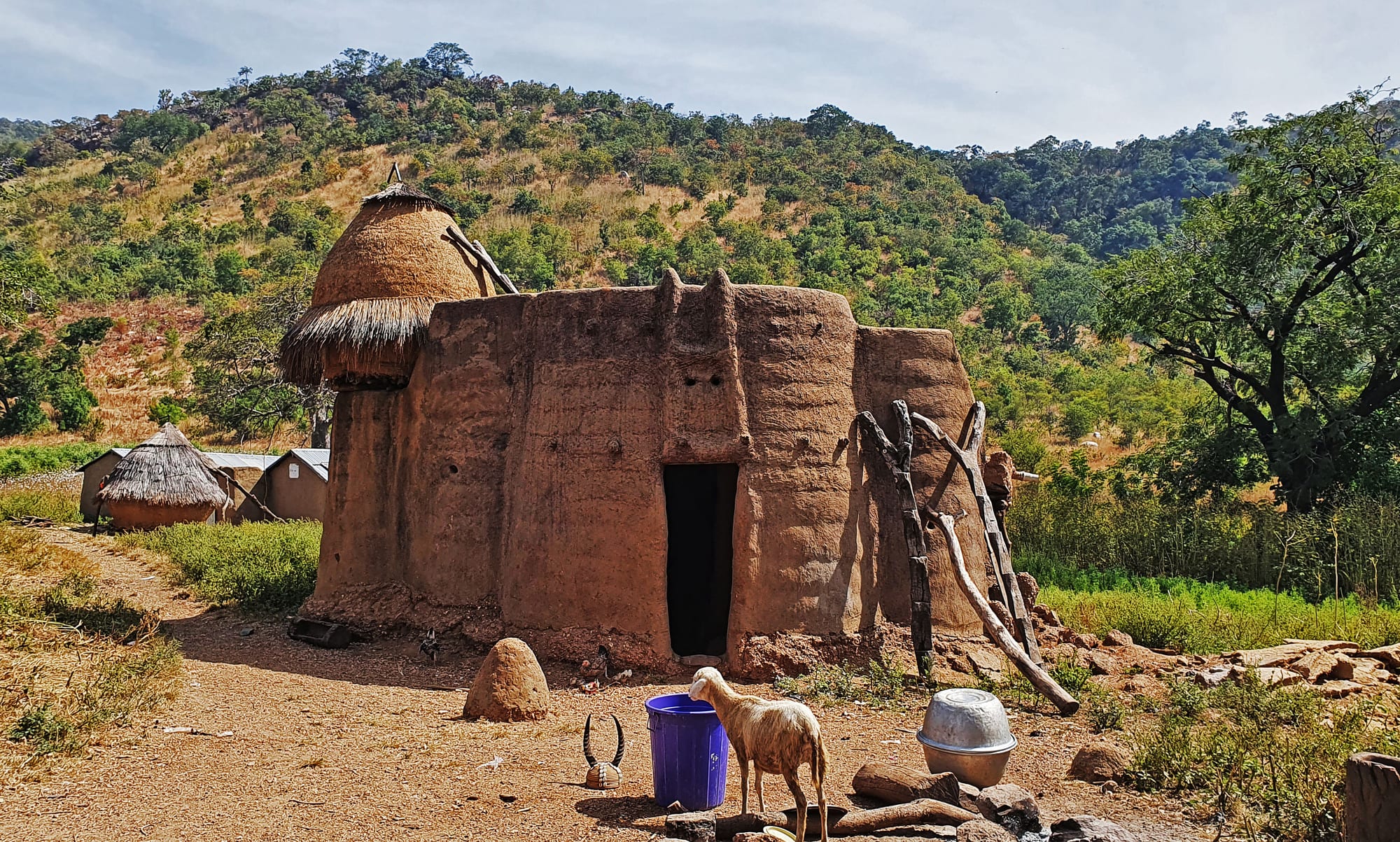
Base in Lomé and Kpalimé for the south; hire a 4x4 with driver for the two-day trip north to Kara and Koutammakou.
✈️ Visa Requirements
Most visitors need a visa. An e-visa is available online, and a short-stay visa on arrival is issued at Lomé airport, usually for seven days and extendable at the immigration office in Lomé. Yellow-fever vaccination is required for entry.
- Typical Validity
- 7 days on arrival, extendable; longer via e-visa
Carry your yellow-fever certificate, and plan to extend the arrival visa in Lomé if staying more than a week.
🛡️ Safety
Togo is generally calm, with petty theft and traffic the main day-to-day risks; the beach road and quiet areas of Lomé warrant caution after dark. The far north, near the Burkina Faso border (Kpendjal and Savanes region), has seen jihadist attacks spilling over from the Sahel, and a state of emergency has been in place there. Political demonstrations can turn tense.
- Health
- Malaria is a year-round risk — take prophylaxis; yellow-fever vaccination is mandatory; tap water is not safe to drink
Avoid the Savanes region on the Burkina border, take malaria precautions, use bottled water, and steer clear of protests.
🌦️ Climate
Tropical, drier than much of West Africa. The south has two rainy seasons — a long one from April to July and a short one in September–October — with a cooler dry break in August; the north has a single rainy season from roughly May to October and a hot, dusty harmattan from December to February.
- North
- One rainy season May–Oct; harmattan Dec–Feb
- South
- Long rains Apr–Jul, short rains Sep–Oct
🚆 Transportation
Lomé's Gnassingbé Eyadéma International Airport has regional and some intercontinental flights and is a hub for the national carrier. A single good highway runs north from Lomé through Atakpamé, Sokodé, and Kara toward Burkina Faso. Travel is by bush taxi and minibus between towns and by zémidjan within them; a hired car is best for reaching Koutammakou.
The Lomé–Kara road is long; break the journey at Atakpamé or Sokodé, and arrange a local guide for Koutammakou.
📅 Best Time to Visit
November to February is the driest and most comfortable time countrywide, though the harmattan haze can dull the light in the far north. The south's August dry spell is a secondary window. Avoid the heaviest rains for upcountry roads.
- Events
- Epe Ekpe (the Guin new year and sacred-stone ceremony at Glidji, September); Evala wrestling initiation among the Kabye (July); Independence Day (27 April)
💱 Currency
Togo uses the West African CFA franc, shared with seven other countries and pegged to the euro. It is largely a cash economy; ATMs are reliable in Lomé and a few large towns, scarce elsewhere. Mobile money is widely used.
- Symbol
- CFA
- Currency Code
- XOF — West African CFA franc
💬 Language
French is the official language, used in government, education, and the cities. Ewe is the main language of the south and Kabye of the north-centre, and both have some official recognition; many other languages are spoken. English is understood by some in Lomé, given nearby Ghana.
- Official Language
- French
- National Languages
- Ewe, Kabye