Food · Togo
Togo: Food and the National Dish
Pounded starch served with a savoury sauce, eaten across a narrow country stretched between the coast and the Sahel
By Worldlore Editorial · 16 September 2026
A cuisine stretched between coast and Sahel
Togo's narrow shape, running from the Atlantic coast in the south to the drier Sahelian north, gives the country a genuinely wide range of regional cooking within a small footprint, though one dish, a pounded starch served with sauce, appears in some form across nearly every region.
The everyday staple: pâte
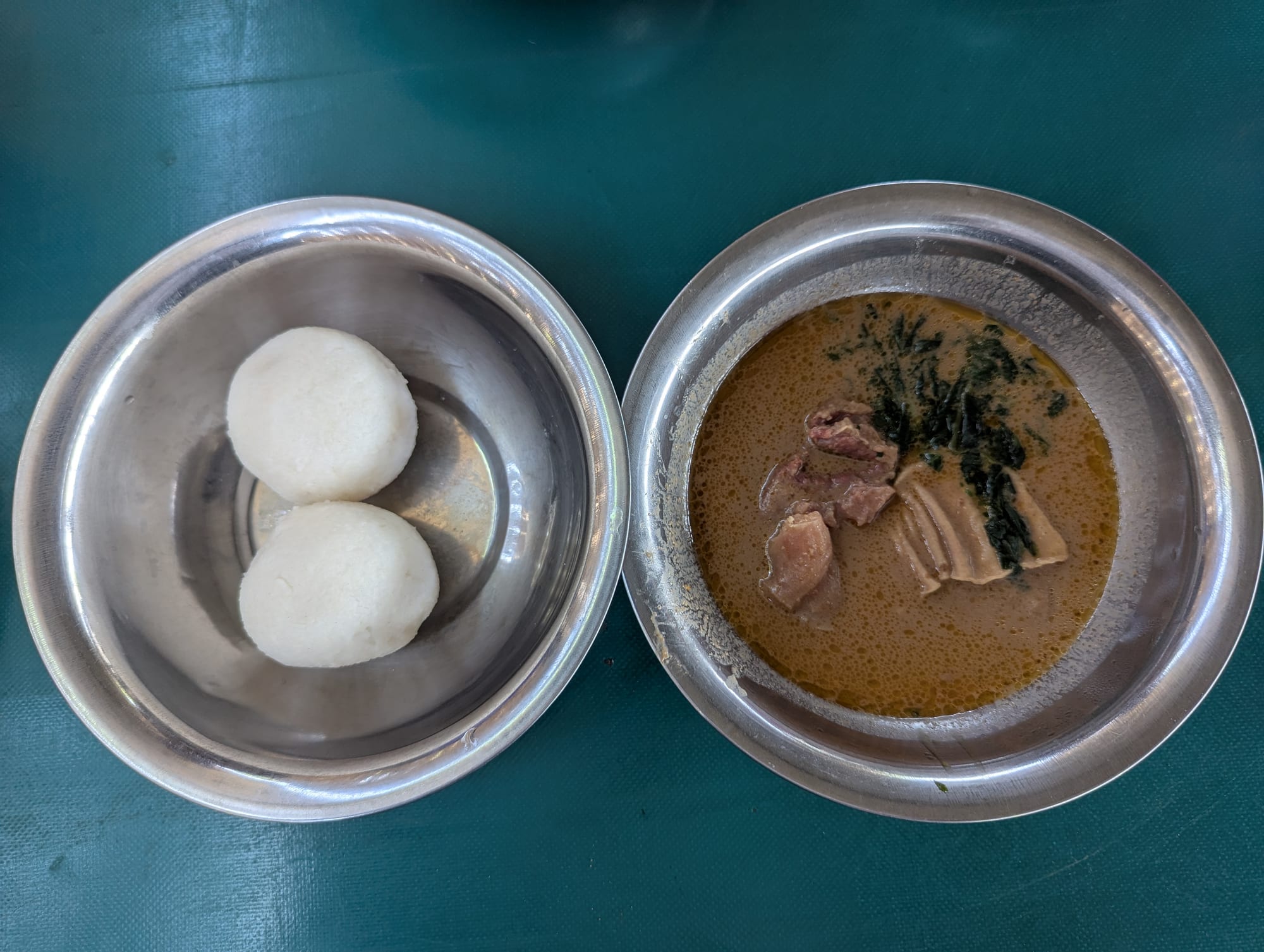
Pâte, a smooth, stiff paste made by cooking maize, cassava or rice flour with water until thick, served with a savoury sauce, most often based on tomato, peanut or leafy greens, is Togo's most widely eaten dish. In the country's north, pâte is often made from rice or millet flour, called touwo, and served with a peanut sauce, while southern versions lean more on maize or cassava, reflecting the genuine north-south split in Togolese cooking.
Maize, peanuts and a genuinely regional pantry
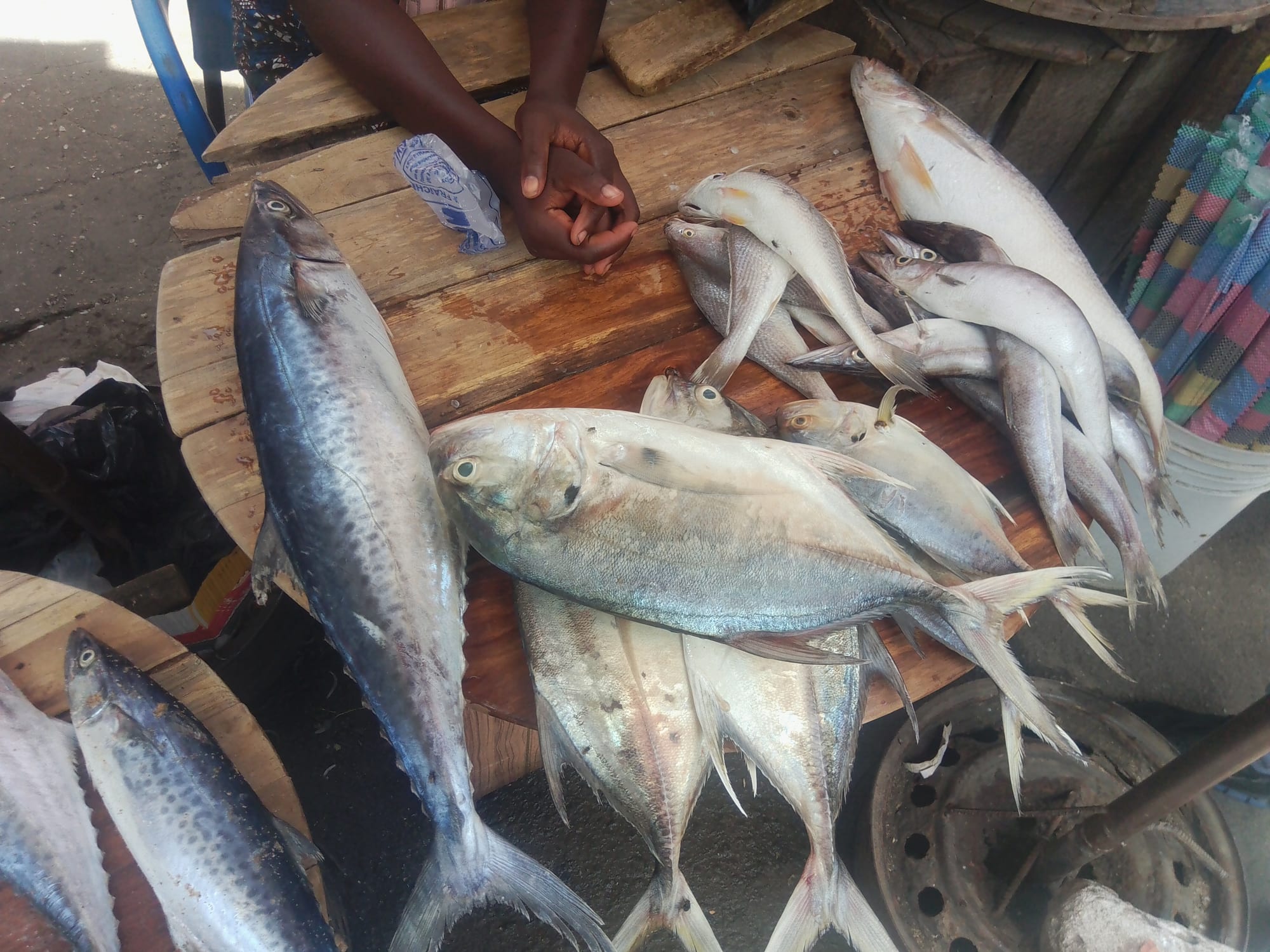
Maize and cassava anchor cooking in Togo's coastal south, while millet and rice-based staples like touwo are more common in the drier north, alongside peanuts, used widely in sauces across the whole country. Fresh fish, given Togo's Atlantic coastline, and a range of leafy greens round out a pantry that shifts noticeably from south to north.
History behind the divide
Togo's geography, a narrow strip of land running inland from the Atlantic coast, has long supported genuinely different farming traditions along its length, with coastal fishing and maize cultivation in the south giving way to drier-climate millet and sorghum farming closer to the Sahel in the north. That same north-south divide runs through the country's ethnic makeup and cooking alike, with pâte's exact grain and accompanying sauce varying accordingly.
Dishes to know
Four more to recognise across Togo:
- Fufu (foufou) — pounded yam, cassava or plantain, eaten with soup
or sauce, popular especially in the south.
- Akpan — a fermented corn pudding, often eaten as a refreshing
breakfast or snack.
- Grilled fish — a genuine coastal staple, given Togo's Atlantic
fishing tradition.
- Koklo meme — grilled chicken marinated in a spiced sauce, a popular
street-food dish.
Drinks
Chapalo, a traditional millet or sorghum beer, is a genuine drink across parts of northern Togo. Palm wine, tapped and mildly fermented, and locally brewed beer are also widely enjoyed, alongside fresh tropical fruit juices.
Eating as a traveller
Vegetarians will find pâte served with vegetable or peanut-based sauces manageable, though fish and meat are common accompaniments across much of the country. Tap water is not reliably safe outside major hotels; bottled water is the safer default. Visiting Lomé's Grand Marché offers a genuine look at the produce and fish behind most everyday Togolese cooking.
What to take from the table
Pâte, changing grain and sauce from the Atlantic coast to the Sahelian north, captures Togo's food story directly: one everyday staple reshaped by a genuinely narrow but climatically varied country.