Attractions & Natural Wonders · Togo
Togo: Five Attractions and Natural Wonders
The world's largest Vodun fetish market, tower houses built by a people who deliberately settled where invaders could not easily follow, and a lakeside town regarded as the spiritual birthplace of West African Vodun
By Worldlore Editorial · 9 September 2026
A narrow country with a deep spiritual tradition
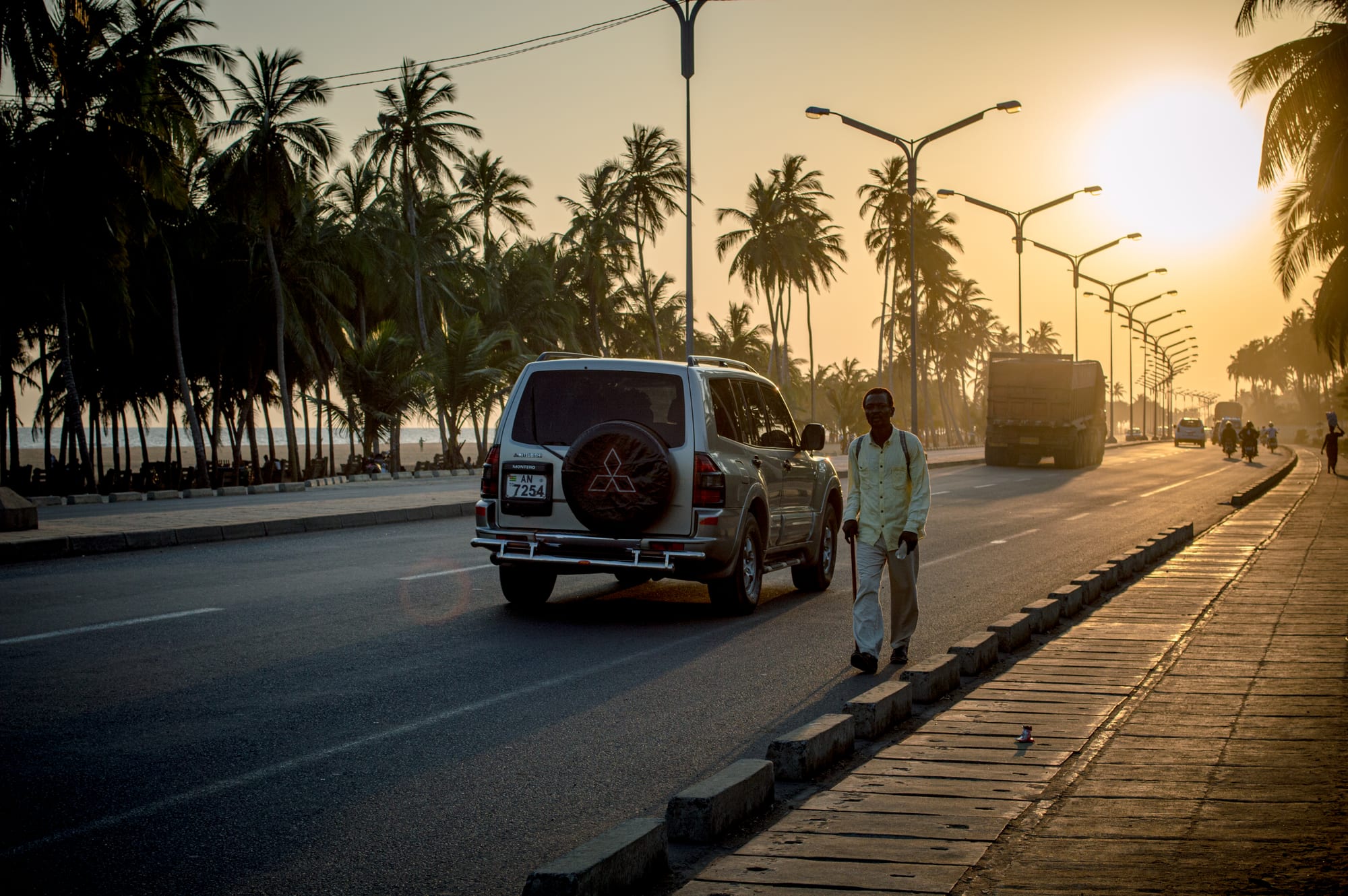
Togo, a narrow strip of West African coast stretching inland to the Sahel, holds one of the deepest and most visible living traditions of Vodun (voodoo) anywhere in the region — a spiritual practice, not the Hollywood-distorted caricature often associated with the word, that remains central to daily and religious life for a significant share of the population. Its landscape ranges from Gulf of Guinea beaches to fortified tower-house villages built by communities who chose deliberately difficult terrain to keep invaders at bay.
The five below run from the coastal capital to the country's interior. The dry season (roughly November to March) is generally the easiest time to travel.
1. Lomé
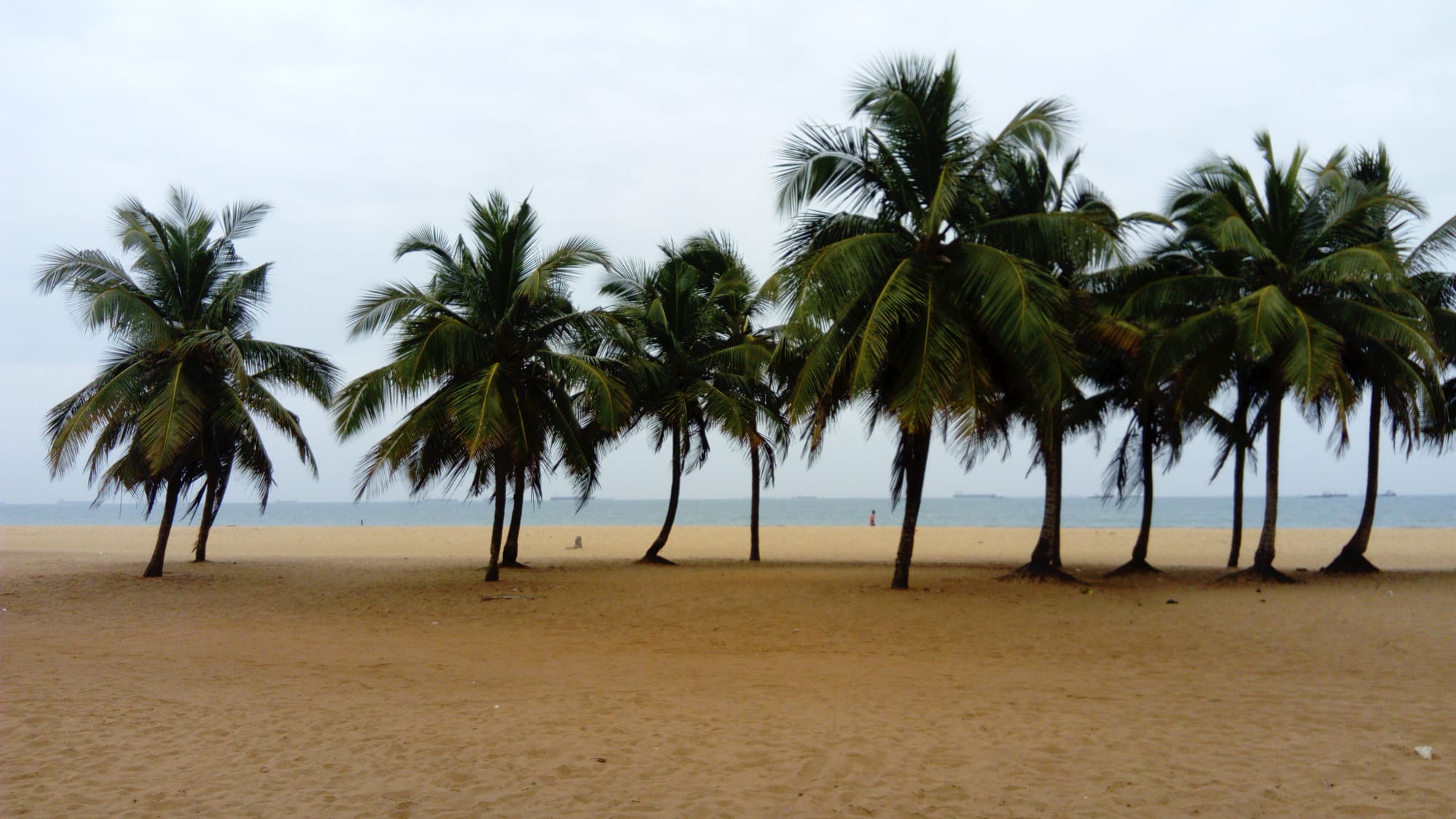
Lomé, Togo's capital, sits directly on the Gulf of Guinea, its beachfront and lively central market giving visitors an easy first taste of West African coastal city life. Once nicknamed the "pearl of West Africa" for its relaxed, palm-lined boulevards, the city retains a notably laid-back character compared with some larger regional capitals.
2. The Akodessewa Fetish Market
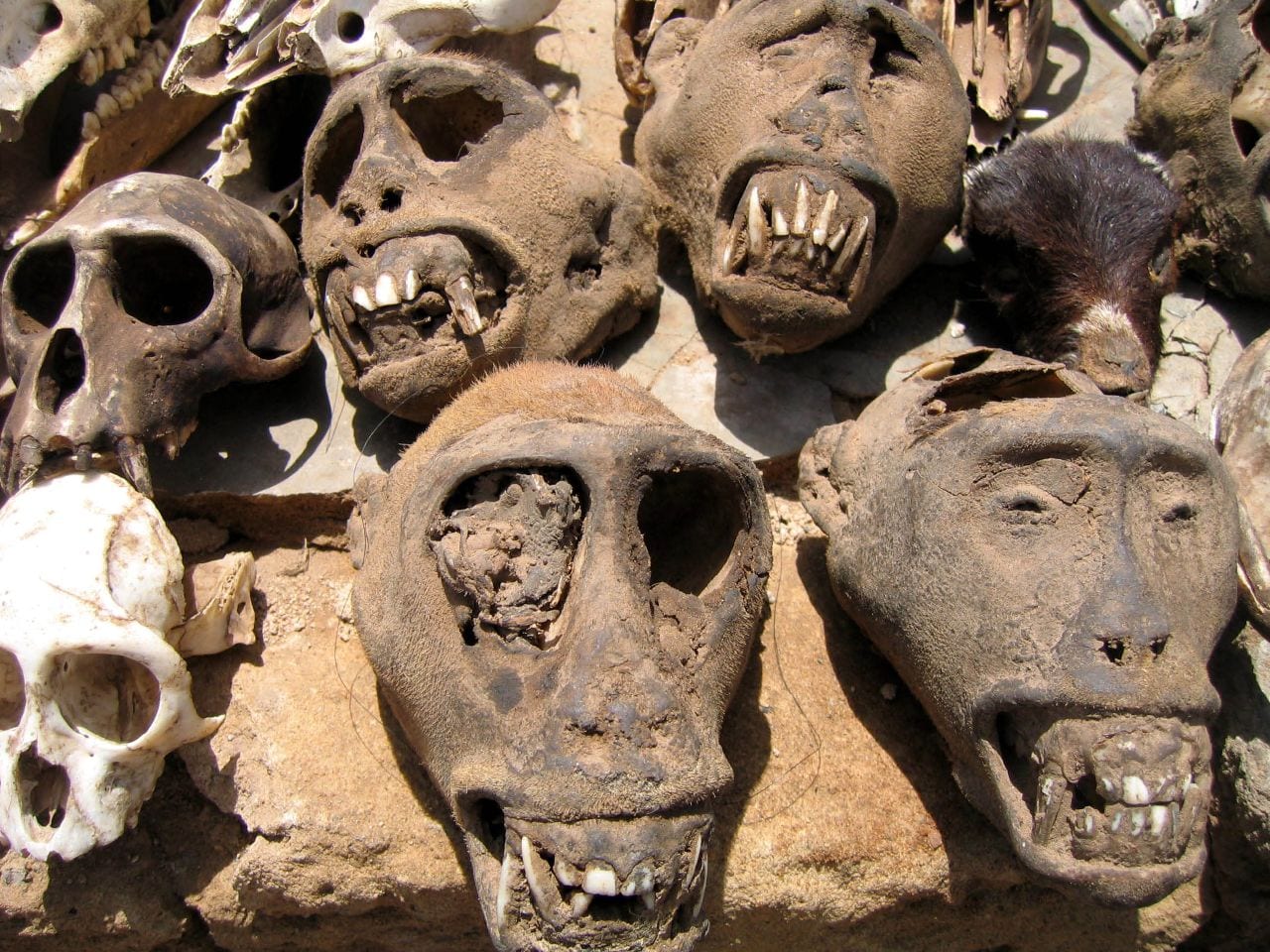
The Akodessewa Fetish Market, on Lomé's outskirts, is considered the largest market of its kind in the world, supplying traditional healers and Vodun practitioners with animal parts, herbs, and ritual objects used in spiritual practice across West Africa. Guides on-site can explain the significance of the items and the practice itself, offering visitors a respectful window into a living religious tradition still widely practised today.
3. Koutammakou
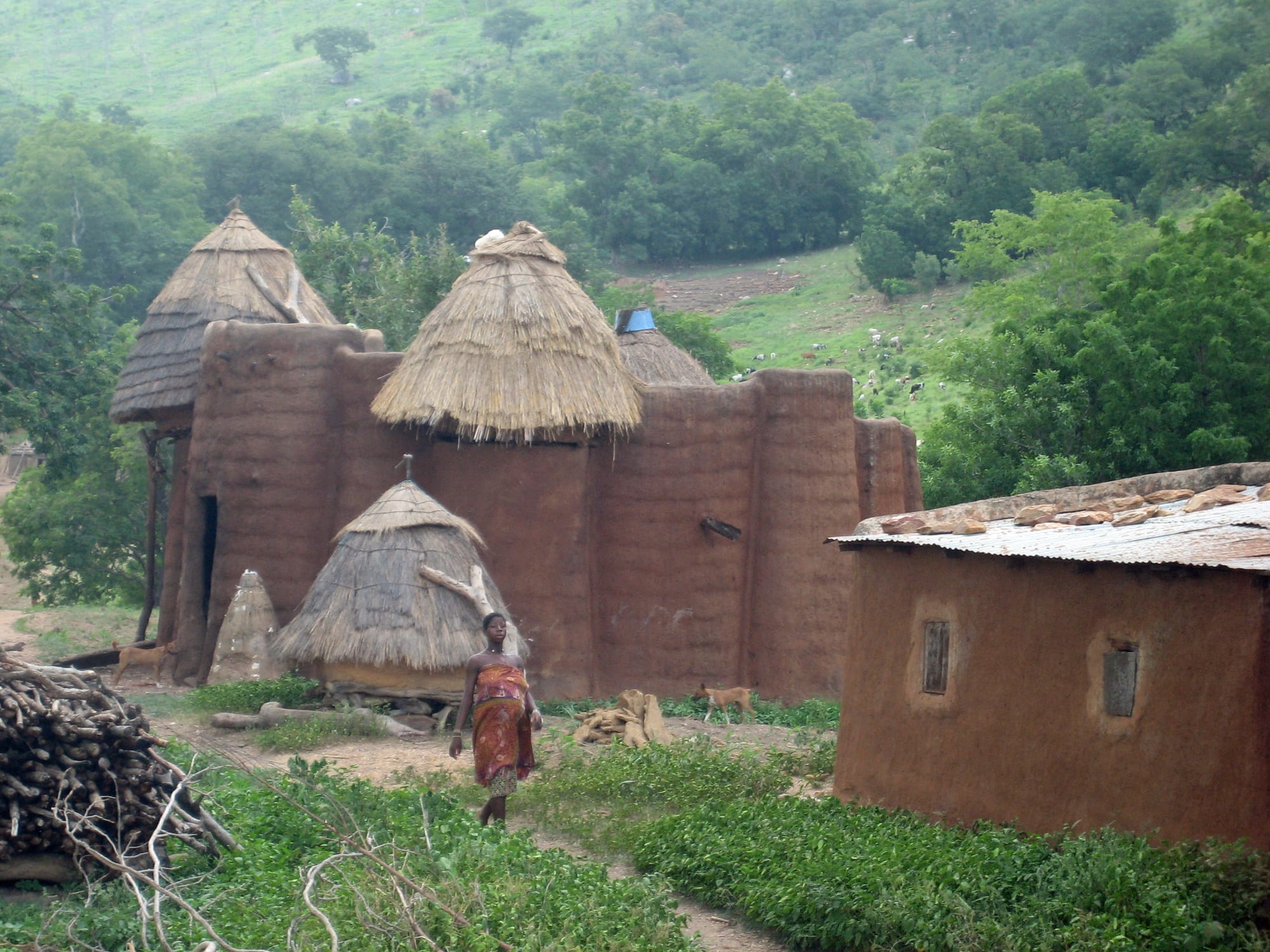
Koutammakou, in Togo's northeast, is home to the Batammariba people, whose distinctive fortress-like tower houses (tata) were built with narrow entrances and elevated granaries specifically to defend against slave raiders and other invaders over past centuries. A UNESCO World Heritage Site, the region remains inhabited today much as it has been for generations, its architecture inseparable from the community's history of resistance and self-reliance.
4. Togoville
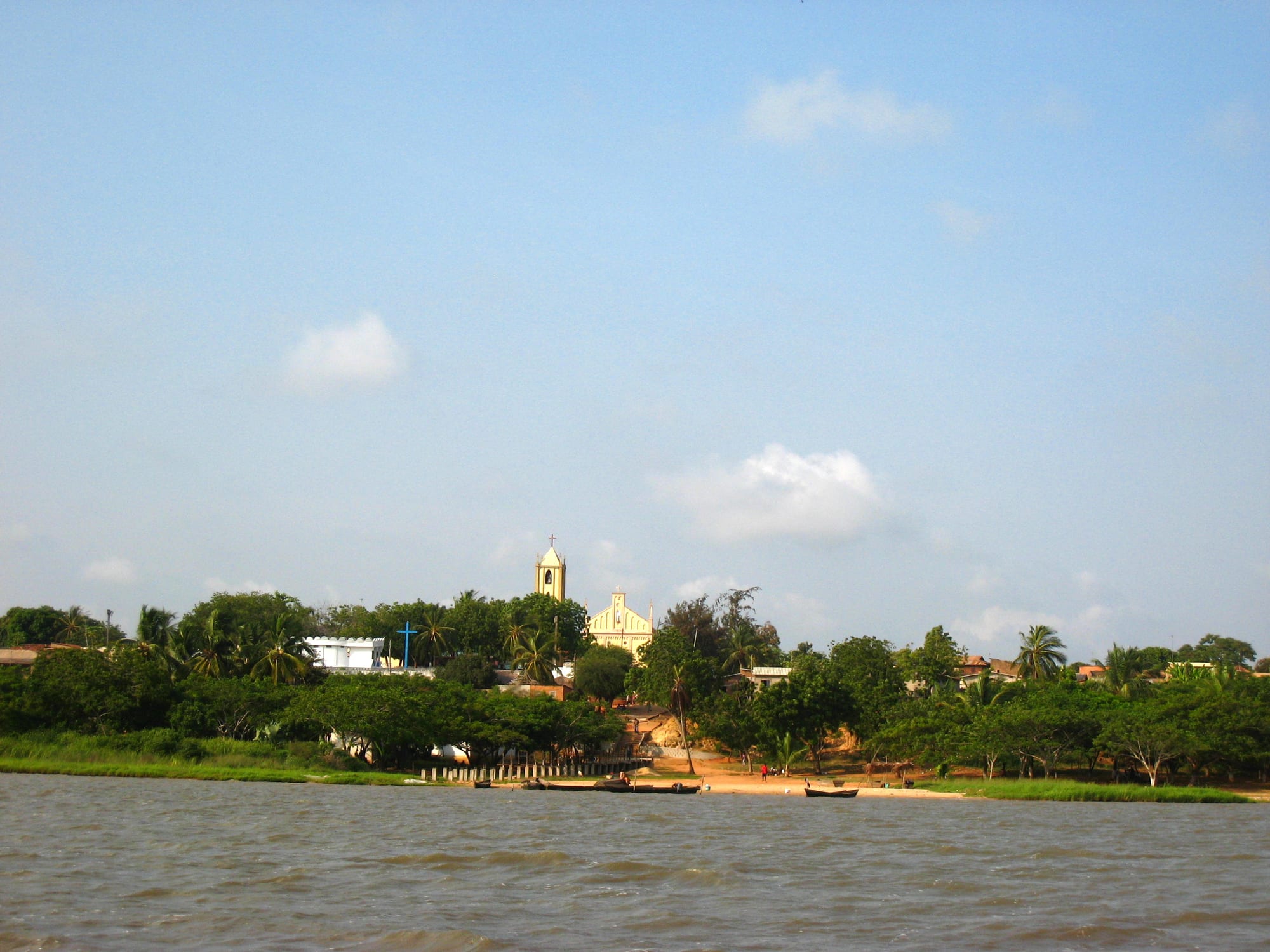
Togoville, a small town on Lake Togo, holds deep significance in the history of Vodun and is regarded by many practitioners as one of the tradition's spiritual centres, alongside a notable Catholic basilica reflecting the coexistence of Vodun and Christian practice that characterises much of southern Togo's religious life. It was also here that Togo's colonial-era protectorate treaty with Germany was signed in 1884.
5. Kpalimé and its waterfalls
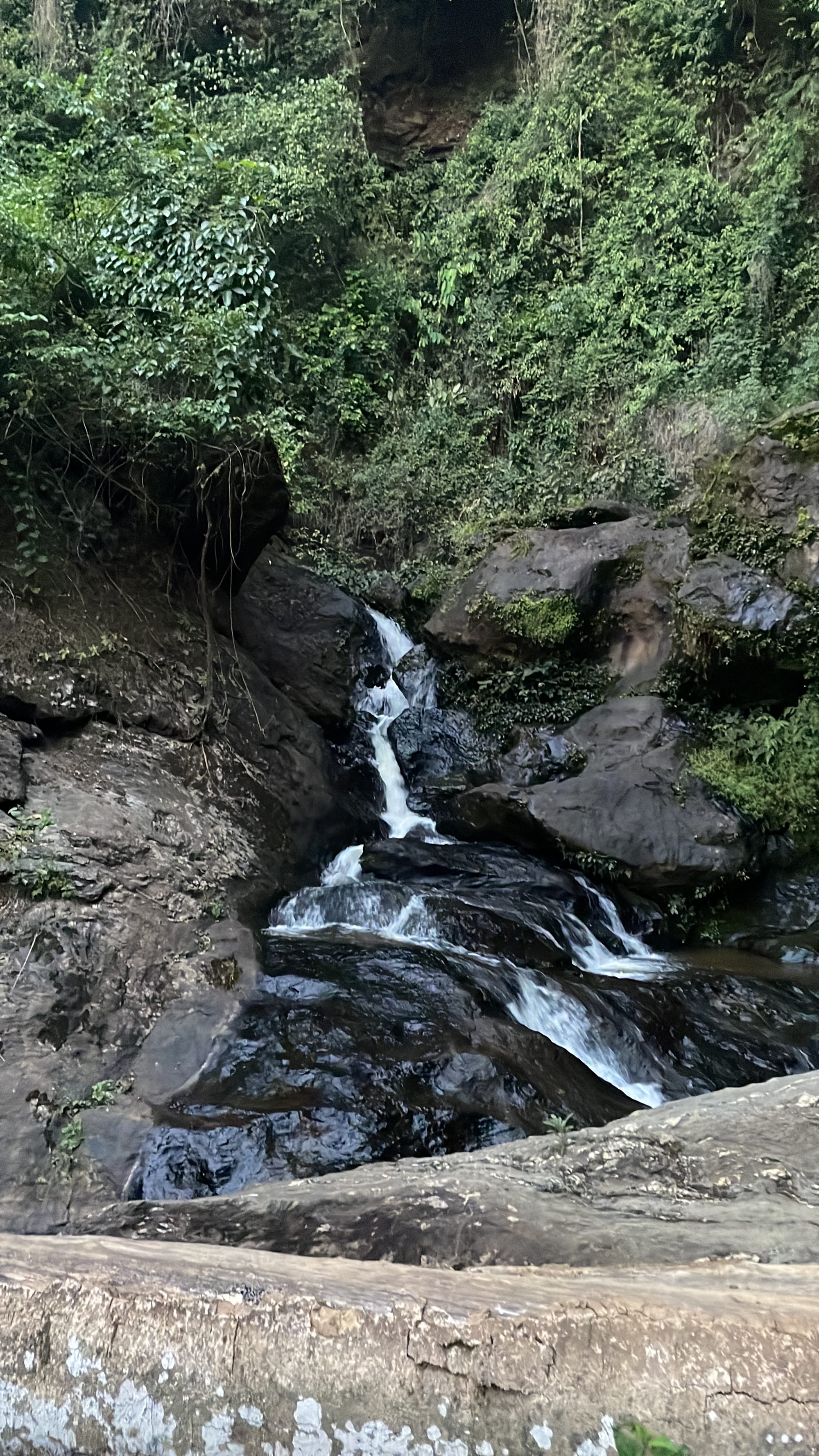
Kpalimé, in Togo's western highlands near the Ghanaian border, sits amid cooler, greener terrain than the coast, known for coffee and cocoa plantations, hiking trails, and several waterfalls tucked into the surrounding hills — a refreshing highland contrast to Lomé's tropical coastal climate.
Togo suits a focused week: Lomé and its markets, a highland excursion to Kpalimé, and — for those with more time and a genuine interest in the country's less-visited interior — the tower-house villages of Koutammakou in the far north.