💰 Budget
Mongolia can be cheap for food and city life, but the way most people see the country — a hired 4x4 with a driver, often a cook, and nights in ger camps or with herder families — adds up. Ulaanbaatar has hotels and hostels for every budget; the countryside has ger camps and homestays.
- Daily Budget Midrange
- USD 90–200 (ger camps with meals, a private 4x4 and driver-guide, a domestic flight)
- Daily Budget Shoestring
- USD 30–55 (hostel, canteens, shared jeeps, a share of a budget tour)
Splitting a vehicle and driver between three or four travellers is the single biggest saving on a countryside trip.
✈️ Visa Requirements
Mongolia has widened visa-free entry to encourage tourism. Citizens of the US can stay up to 90 days; citizens of the UK, Canada, Australia, New Zealand, Japan, and most EU countries enter visa-free for around 30 days. Stays over 30 days require registration with immigration within a week of arrival.
- Typical Stay
- 30–90 days visa-free depending on nationality
Check the current visa-free list close to travel, as Mongolia has been changing it, and register in time for longer stays.
🛡️ Safety
Violent crime is uncommon, but Ulaanbaatar has a real problem with pickpocketing and bag theft in crowds — Sükhbaatar Square, the State Department Store area, and especially the Naran Tuul market — and with drunk harassment at night. In the countryside the hazards are vehicle accidents, getting lost, sudden weather, river crossings, and herders' dogs.
Carry valuables under your clothing in the city, approach a ger calling out so the dogs are called off, and travel the countryside with enough fuel, water, and a way to communicate.
🌦️ Climate
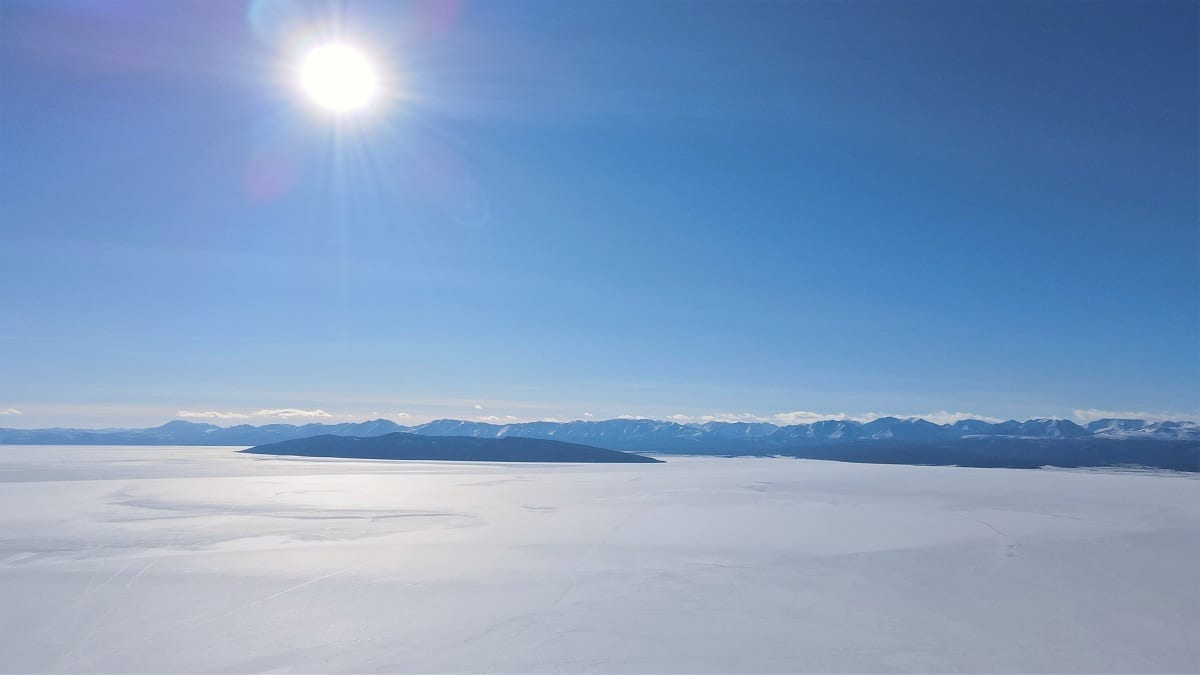
Extreme continental, with huge swings between day and night and season to season, and around 250 clear days a year — the "land of the eternal blue sky". Winters are savage, with Ulaanbaatar the coldest capital on Earth; summers are short and warm, with most of the year's rain in July and August. Spring brings dust storms.
- Summer
- June–August, 18–25°C (hotter in the Gobi)
- Winter
- November–March, −15 to −35°C; severe cold-and-ice events (dzud) kill livestock
🚆 Transportation
Ulaanbaatar's Chinggis Khaan International Airport is the hub, with a few domestic flights to the Gobi, Khövsgöl, and the west. The Trans-Mongolian Railway links the capital to Russia and China. Most roads are unpaved tracks, so countryside travel means a Russian van or Land Cruiser with a driver, often for many days, over long distances with no signposts.
Plan the countryside as a loop with a driver-guide; independent self-drive is only for the very experienced and well-equipped.
📅 Best Time to Visit
June to early September is the season, with warm days and green steppe. The Naadam festival of wrestling, horse racing, and archery falls on 11–13 July. September is golden, dry, and quieter. The Golden Eagle Festival in the far-western town of Ölgii is in early October.
- Events
- Naadam (11–13 July); Golden Eagle Festival, Ölgii (early October); Tsagaan Sar (lunar new year, Jan–Feb)
💱 Currency
The currency is the tögrög (MNT). Ulaanbaatar has ATMs and takes cards widely; outside the capital it is a cash economy, so draw enough tögrög before heading to the countryside. US dollars are easy to exchange.
- Symbol
- ₮
- Currency Code
- MNT — tögrög
💬 Language
Mongolian, in its Khalkha form, is the national language, written in Mongolia in the Cyrillic alphabet, with the traditional vertical Mongol script being brought back into official use. Kazakh is spoken in the far west. Russian is known by many older people and English by younger ones.
- Also Spoken
- Kazakh in the west; Russian and English in the cities
- Official Language
- Mongolian (Khalkha), written in Cyrillic