History · Mongolia
Mongolia: The Steppe Empire, and After
The nomad heartland that produced Genghis Khan and the largest land empire in history — then Qing rule, the world's second communist state, a Stalinist terror, and a peaceful turn to democracy in 1990
By Worldlore Editorial · 19 September 2026
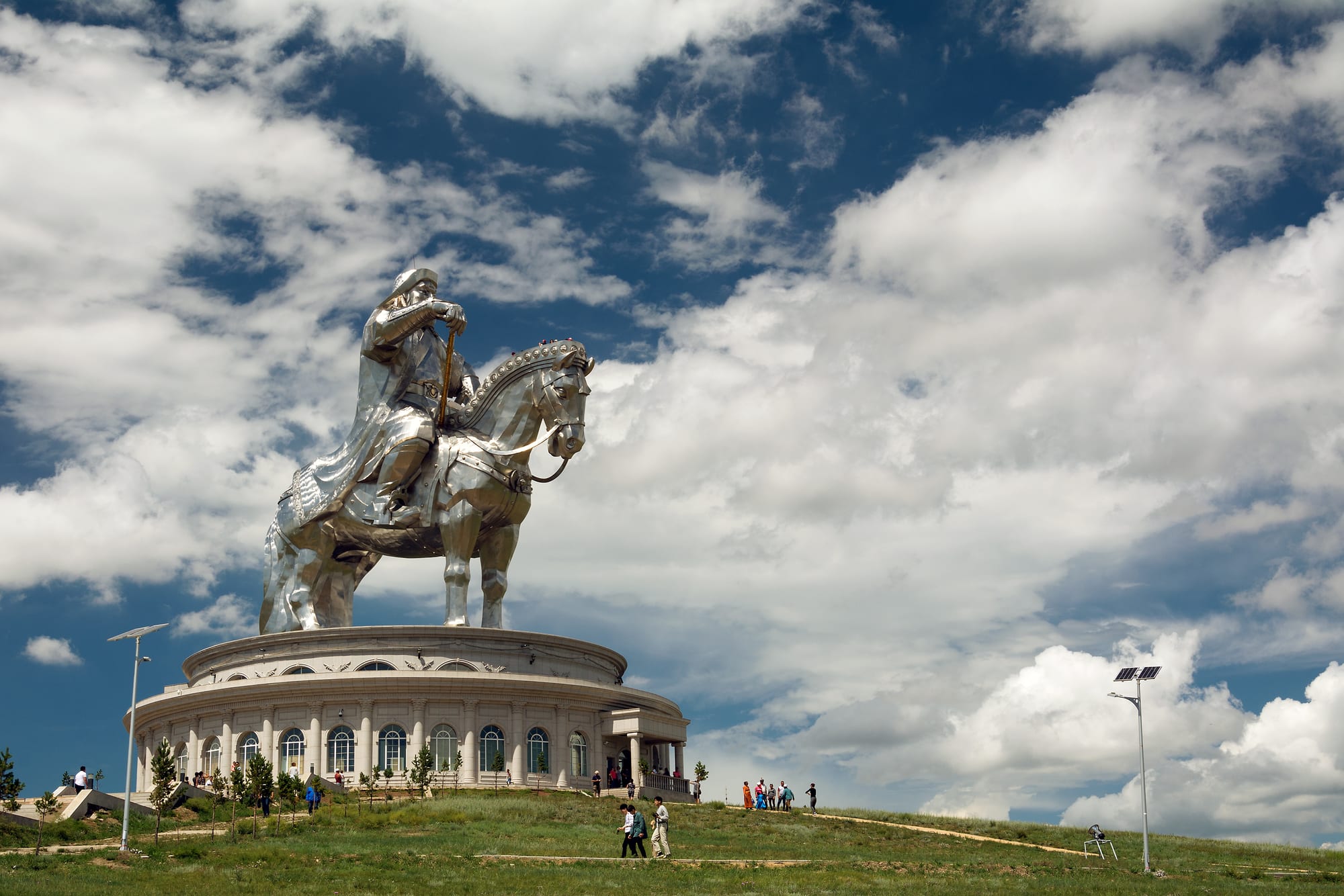
An empty country with a very large past
Mongolia is landlocked between Russia and China — the size of Western Europe, with only about 3.5 million people, the most sparsely populated sovereign state on Earth. Around half live in the capital, Ulaanbaatar; a large minority still herd livestock across the steppe. For most of history this plateau was the launch point of nomad horse empires that repeatedly threatened China, and one of them, under Genghis Khan, built the largest contiguous land empire the world has ever seen.
A short history
- 3rd century BCE onward
Steppe empires
The Xiongnu, Göktürks, Uyghurs and others.
- 1206
Genghis Khan
Temüjin unites the tribes and is proclaimed "universal ruler".
- 1206–1279
The Mongol Empire
Conquests from Korea to Persia, Russia and China.
- 1271–1368
The Yuan
Kublai Khan rules China from Beijing.
- 16th century
Tibetan Buddhism
Adopted, and central to Mongol identity thereafter.
- 1691
Qing rule
The Khalkha Mongols submit to the Manchu emperor.
- 1911
Independence
Outer Mongolia breaks away as the Qing fall.
- 1924
The People's Republic
The world's second communist state.
- 1937–1939
The terror
The Buddhist church is destroyed; tens of thousands killed.
- 1990
Democracy
A peaceful transition to multiparty rule.
Genghis Khan
Temüjin united the warring tribes of the plateau and was proclaimed Genghis Khan in 1206. Over the following seventy years the Mongols conquered an empire of some 24 million square kilometres, from Korea to the gates of Europe and Egypt.
Empire and faith
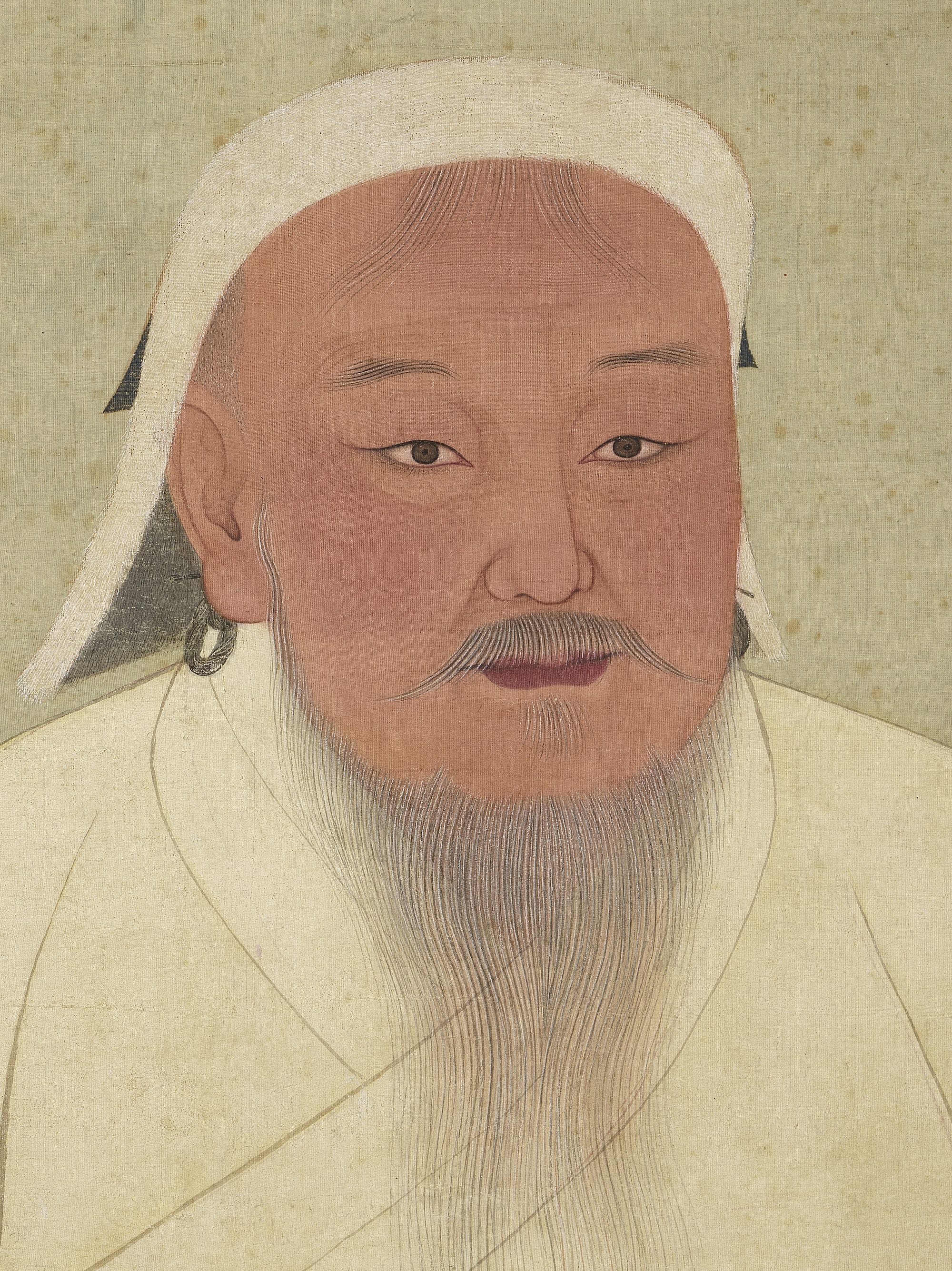
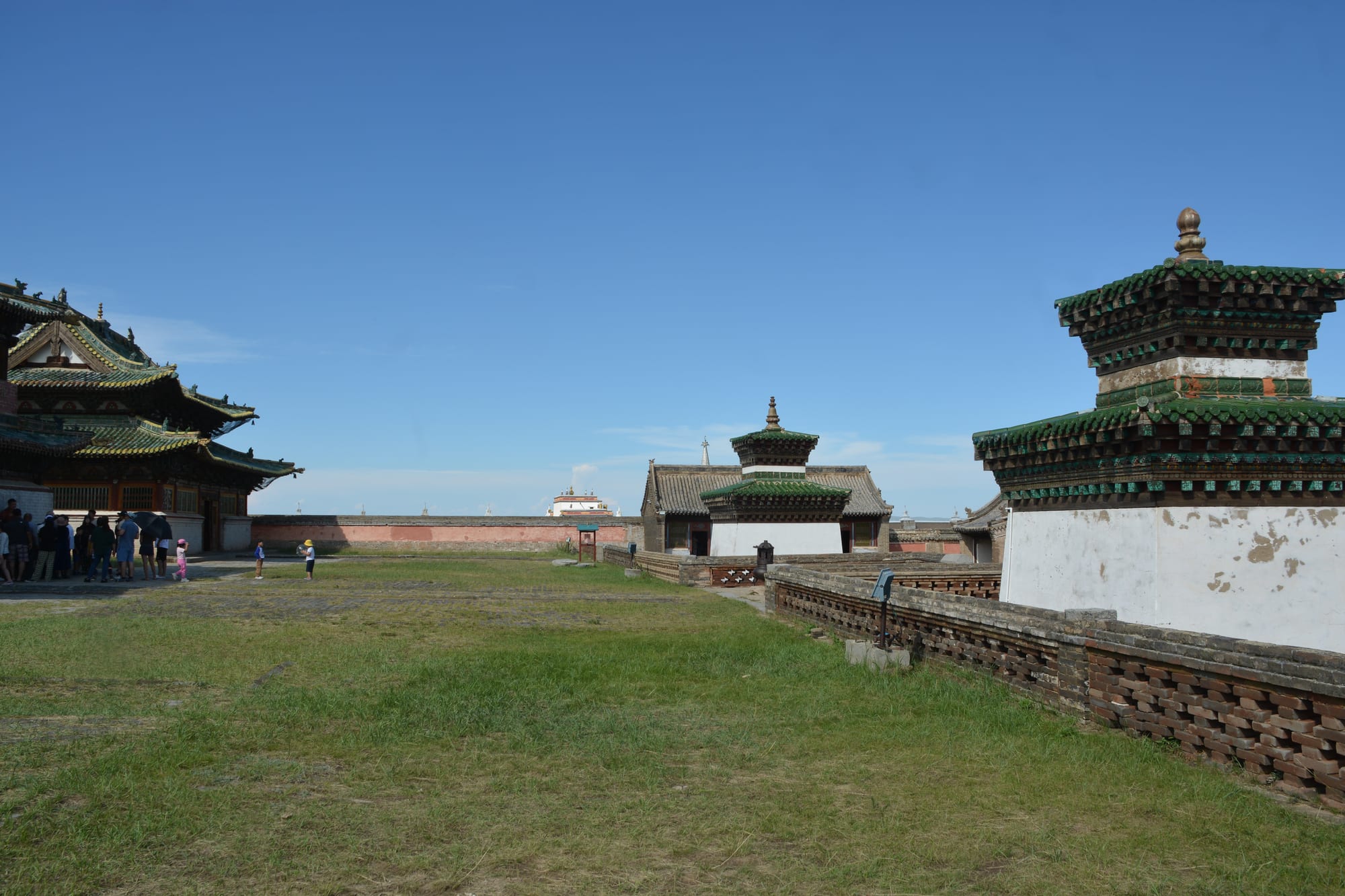
The empire brought a revived Silk Road trade, a relay postal system, religious tolerance and a written law — and then, after 1260, fragmented into four khanates, the greatest of which, the Yuan, ruled China until it was expelled in 1368. The Mongols retreated to the steppe and spent centuries in internal war.
Qing rule, and independence
From 1691 the Khalkha Mongols submitted to the Manchu Qing dynasty, partly for protection. For 220 years Outer Mongolia was a Qing frontier region, ruled through the Mongol nobility and the Buddhist church, with a huge monastic population supported by the herds. When the Qing fell in 1911, Outer Mongolia declared independence under the "Living Buddha" of Urga as a theocratic monarch. China refused to recognise it, Russia backed limited autonomy, and after a decade of Chinese reoccupation and a brief, murderous rule by a White Russian warlord, Mongolian revolutionaries with Soviet Red Army help took Urga in 1921.
The People's Republic
On the monarch's death in 1924, the Mongolian People's Republic was proclaimed — the world's second communist state, and a Soviet satellite for the next 66 years.
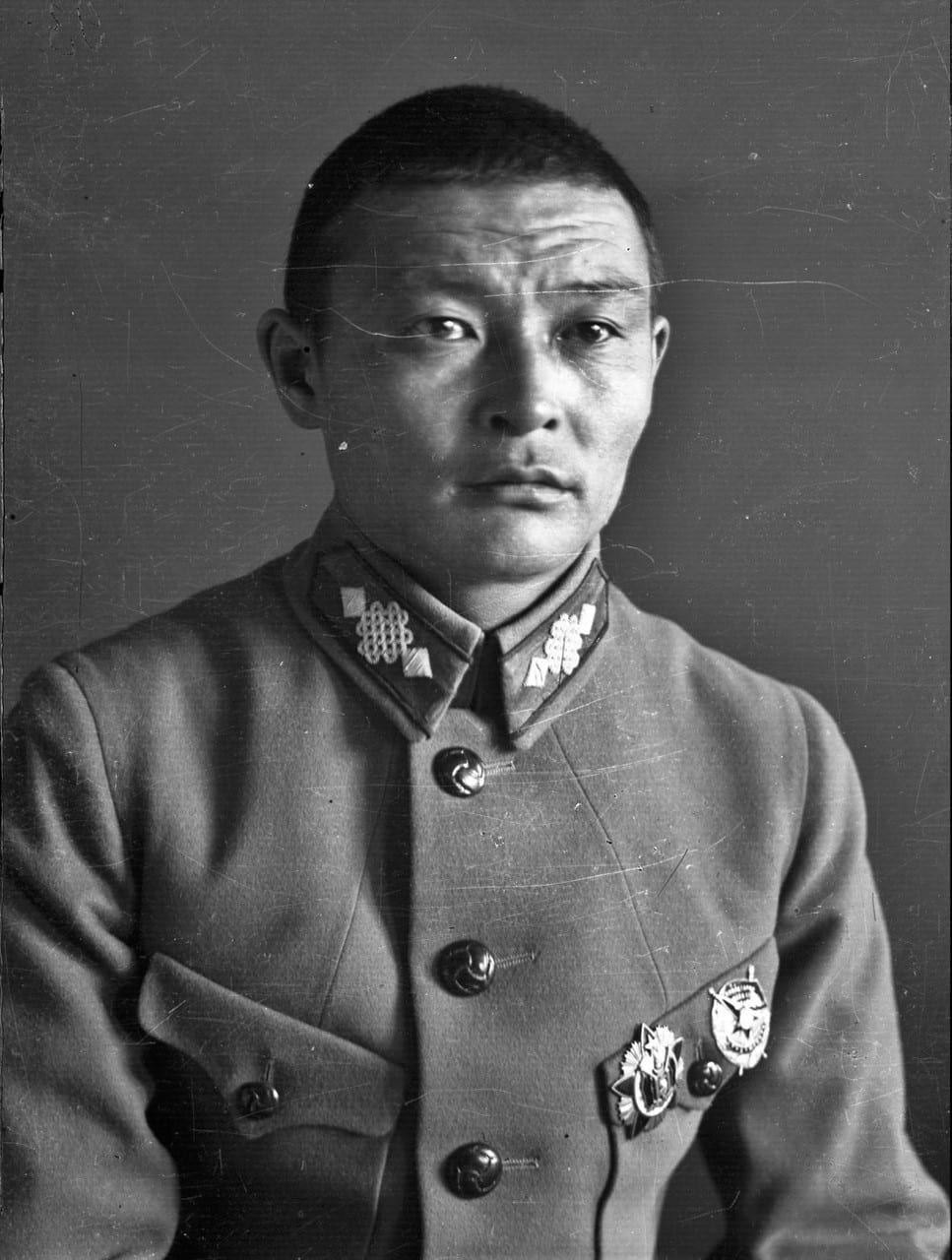
Collectivisation of the herds was forced through, and Mongolia served as a buffer between the USSR and China — the launch point for the 1939 Soviet defeat of Japan at Khalkhin Gol. Soviet aid built near-universal literacy and healthcare and amounted to roughly a third of the economy. China recognised Mongolian independence only after 1945.
The democratic turn
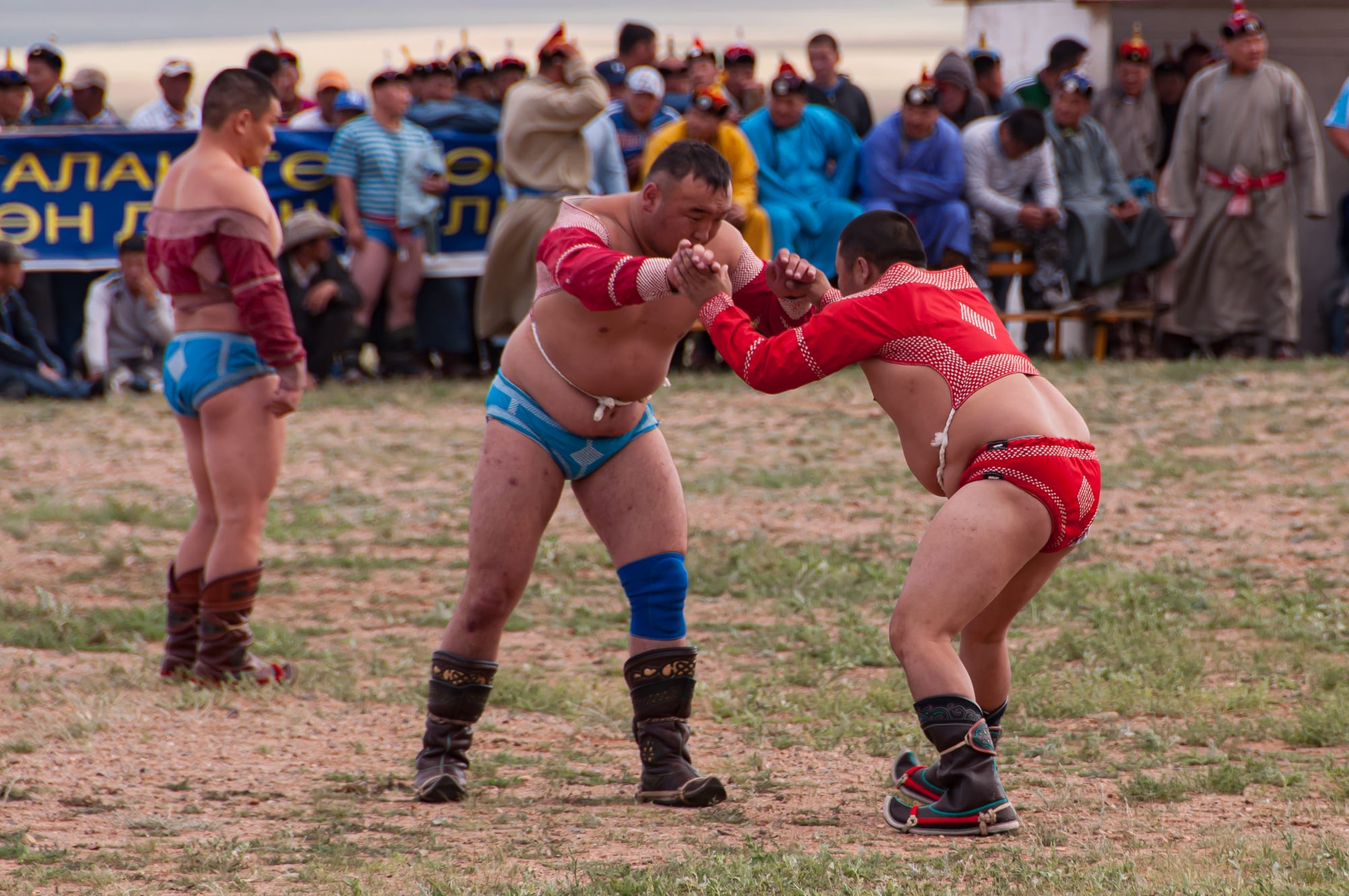
In early 1990, peaceful demonstrations and hunger strikes in Ulaanbaatar forced the communist Politburo to resign. Mongolia held free multiparty elections that July and adopted a democratic constitution in 1992 — a rare negotiated, non-violent post-communist transition, and one of the few in Asia to produce a genuine liberal democracy. The withdrawal of Soviet aid caused a severe contraction.
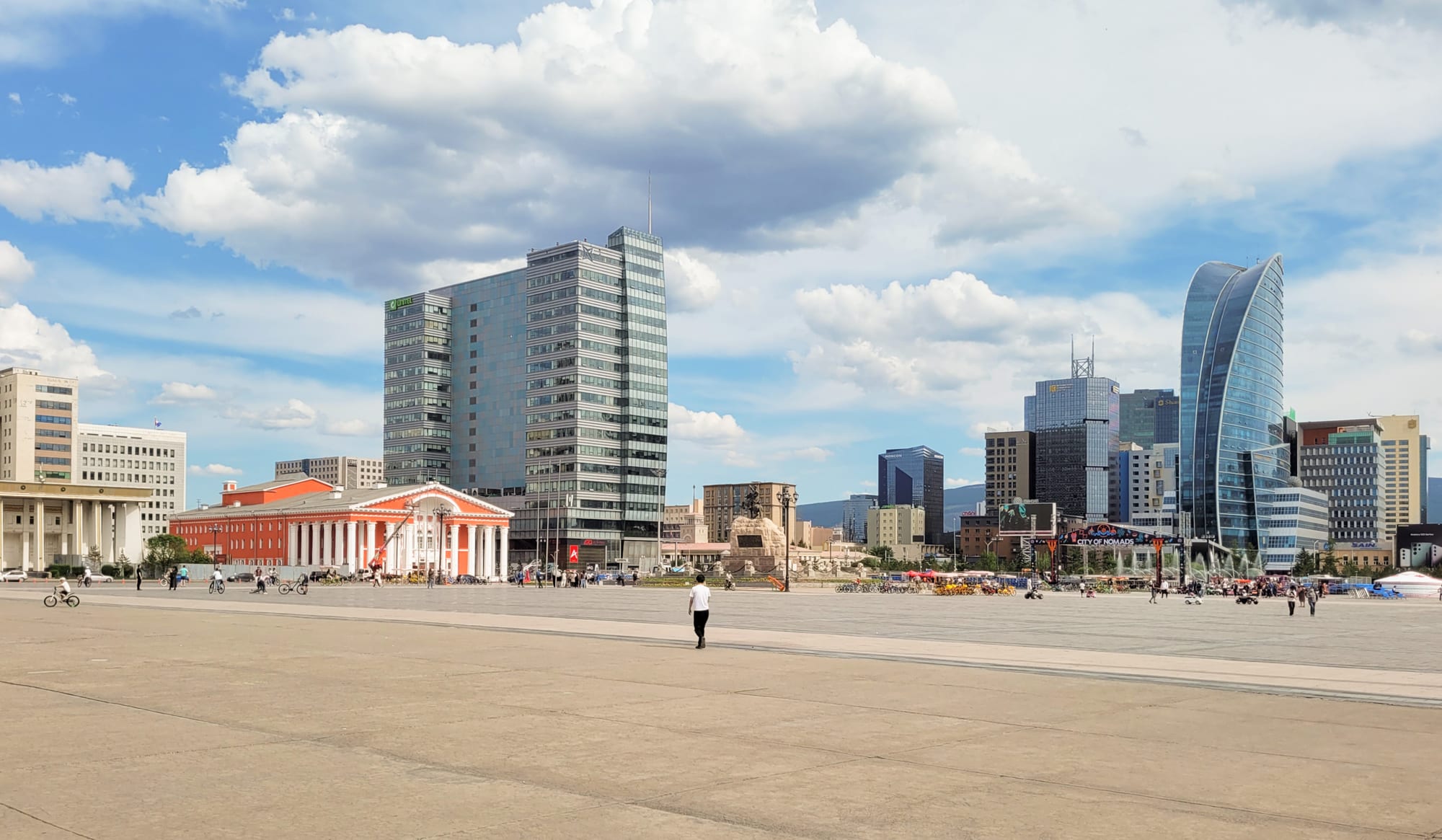
Mongolia is now a functioning multiparty democracy with a free press, riding a mineral roller-coaster of booms and busts, dependent on China for exports and Russia for fuel, and balancing both against outreach to "third neighbours" like Japan, the EU and the US. Ulaanbaatar's rapid growth — swelled by herders driven off the land by catastrophic winters, the dzud — has given it some of the world's worst winter air pollution.
What Mongolia carries
Mongolia's history is bracketed by two very different things: the 13th-century empire that briefly made the steppe the centre of the world, and the modern reality of a tiny population wedged between two giants. The communist decades tried to erase Genghis Khan and nearly erased the Buddhist church; the democratic years have restored both as national symbols. The enduring fact is the geography — a vast, thinly peopled land that must get along with Beijing and Moscow to survive.