Food · Mongolia
Mongolia: Food and the National Dish
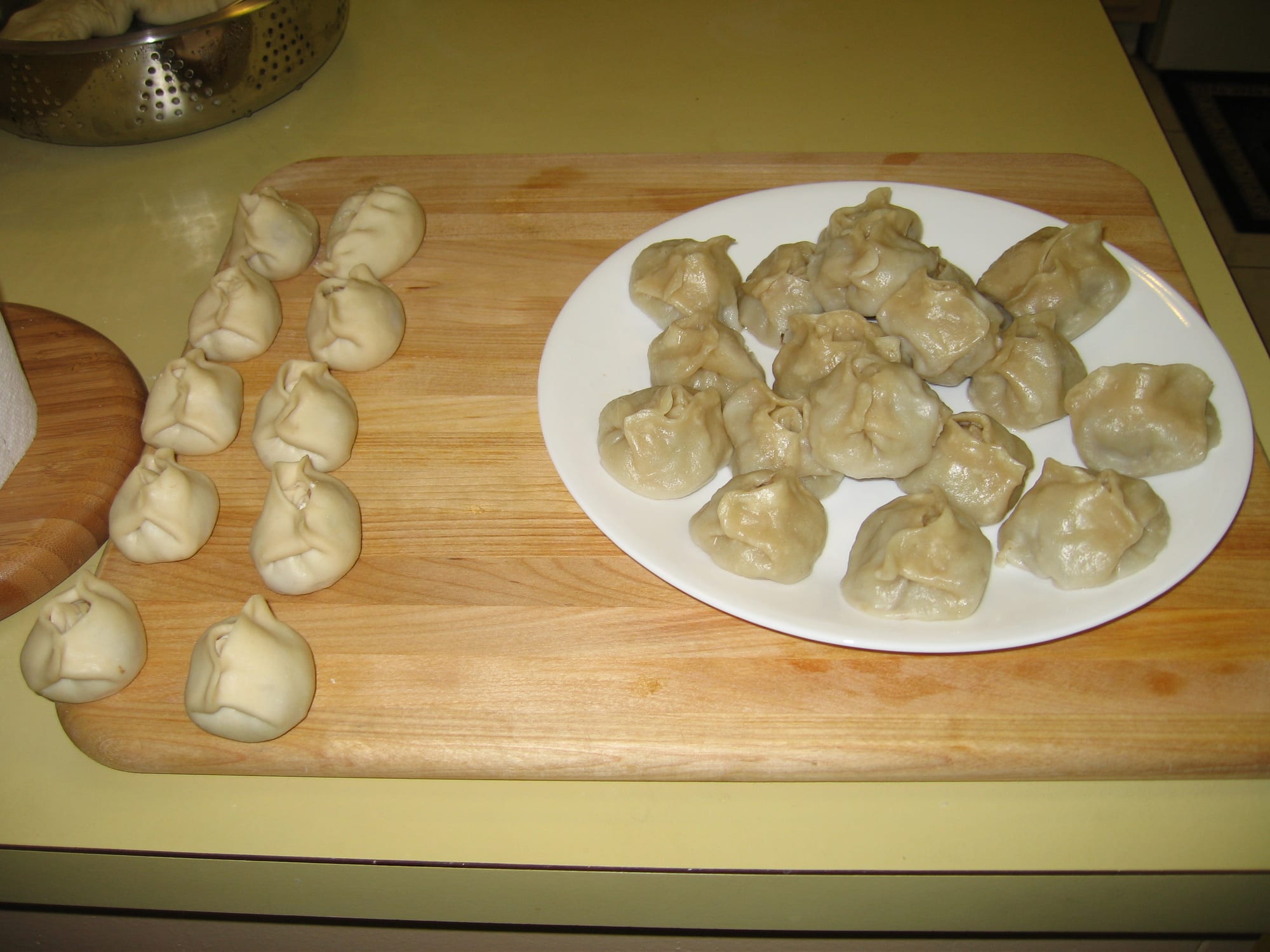
Mutton dumplings steamed for the Lunar New Year, and a meat-and-hot-stone cooking method built for a nomadic herding life on the open steppe
By Worldlore Editorial · 16 September 2026
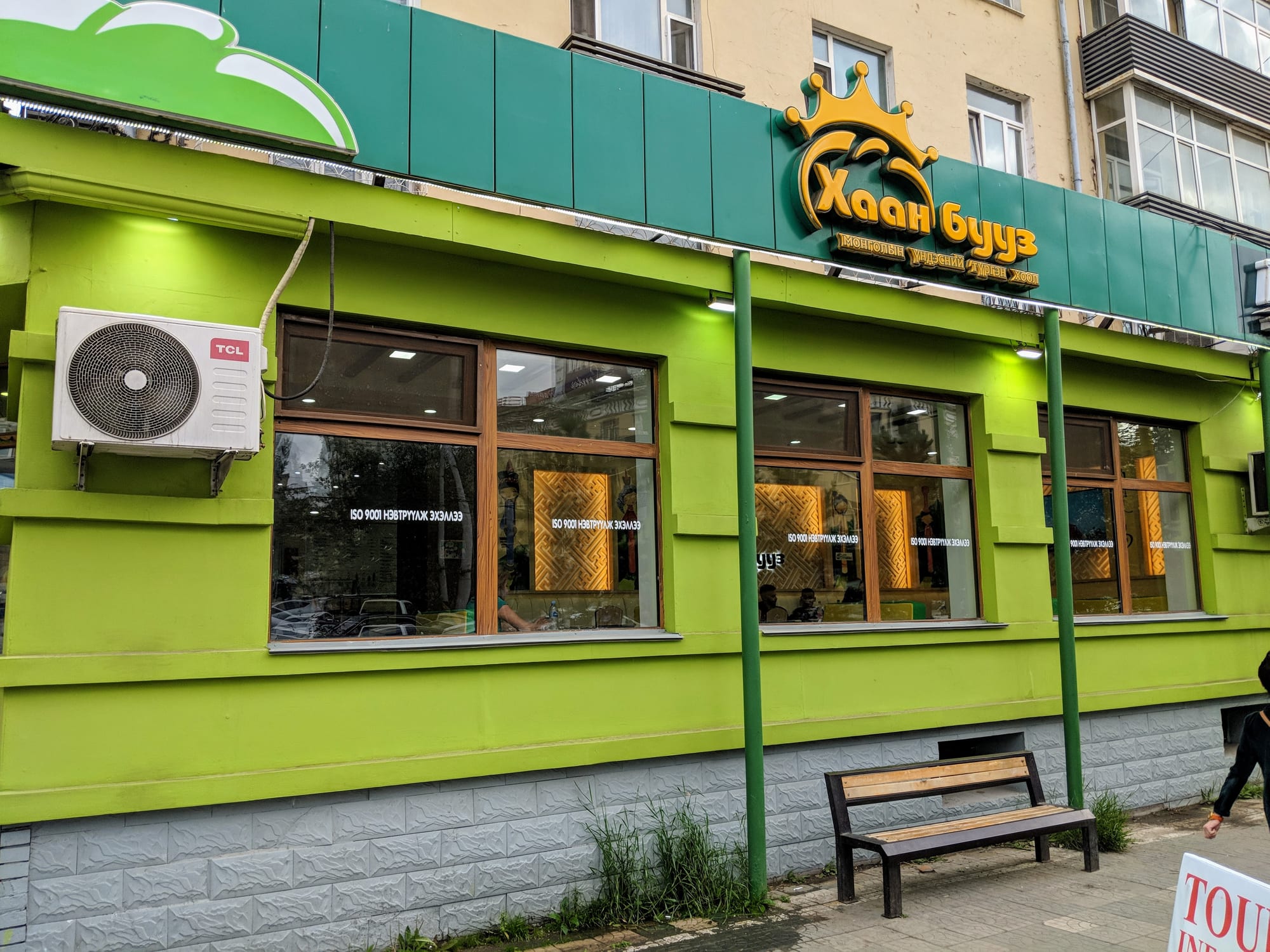
Food built for a nomadic herding life
Mongolian food grew directly out of a nomadic herding lifestyle on the country's vast steppe, built around meat, above all mutton, and dairy from sheep, goats, cattle, yaks and horses. Vegetables and grains, far harder to grow in Mongolia's climate, have traditionally played a smaller role, though that has shifted somewhat in Ulaanbaatar's more urban food scene.
The national dish: buuz
Buuz, steamed dumplings filled with minced mutton and onion, are Mongolia's national dish, eaten year-round but especially central to Tsagaan Sar, the Lunar New Year celebration, when families traditionally prepare hundreds of buuz at once to serve visiting guests over several days of celebration. The dumplings are simple by design, letting the quality of the mutton filling carry the dish.
Mutton, dairy and the steppe pantry
Mutton and other herded meats remain the backbone of Mongolian cooking, alongside a wide range of dairy products, including airag, fermented mare's milk, and various dried and hardened cheeses developed to store well without refrigeration. Wheat flour, used for dumpling wrappers and noodles, is one of the few grains genuinely integrated into traditional Mongolian cooking.
History behind the hot-stone tradition
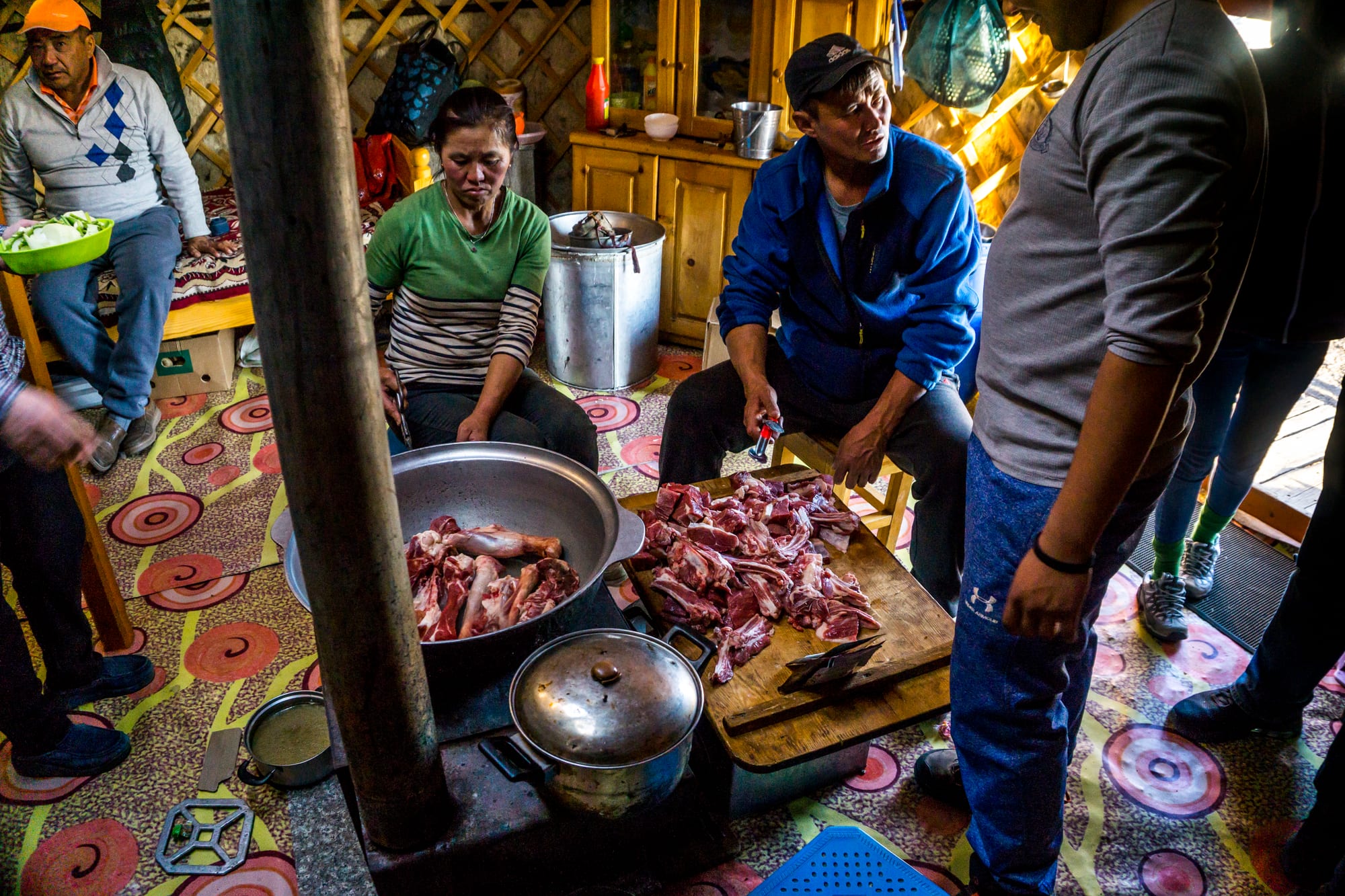
Khorkhog, meat and vegetables cooked together in a sealed pot with hot stones heated over a fire, reflects a genuinely old, practical cooking method suited to nomadic life without a fixed oven, the hot stones both cooking the meat and, once removed, traditionally passed hand to hand for their believed health benefits. That improvised, resourceful approach to cooking without fixed infrastructure runs through much of traditional Mongolian food.
Dishes to know
Five more to recognise across Mongolia:
- Khorkhog — meat and vegetables cooked together with hot stones in a
sealed pot, a traditional herders' cooking method.
- Khuushuur — fried, flattened dumplings filled with minced meat,
similar to buuz but fried rather than steamed.
- Bansh — small boiled dumplings, often served in a broth or alongside
milk tea.
- Airag — fermented mare's milk, a traditional nomadic drink with a
mild natural alcohol content.
- Aaruul — dried curd, a hardened dairy snack that keeps well without
refrigeration.
Drinks
Milk tea, salted rather than sweetened and often made with a touch of butter, is a genuine daily staple across Mongolia. Airag, fermented mare's milk, remains a traditional drink especially associated with the countryside and summer herding season, and vodka, reflecting Russian and Soviet-era influence, is widely drunk today.
Eating as a traveller
Vegetarians will find options genuinely limited given how central meat and dairy are to traditional Mongolian cooking, though noodle and dairy dishes are available, especially in Ulaanbaatar. Tap water is not reliably safe outside major hotels; stick to bottled or boiled water. Visiting during Tsagaan Sar, if the timing allows, offers a rare chance to see Mongolian hospitality and buuz-making at their fullest scale.
What to take from the table
Buuz, simple and prepared by the hundreds for the Lunar New Year, is the dish that best represents Mongolian food — and a proper khorkhog, cooked with hot stones inside a ger, shows just how resourcefully nomadic life has always shaped what ends up on the plate.