💰 Budget
Bolivia has long been one of the cheapest countries in South America, but a severe shortage of US dollars since about 2023 has made prices and payment unpredictable. Bring US dollars cash in good condition and a range of denominations; do not rely on ATMs or cards, and check the current situation before travelling.
- Source
- Traveller reports and exchange observation, 2024–2025 — this is a fast-moving situation; verify.
- Uyuni Tour
- Roughly USD 130–250 for a 3-day 4x4 salt-flat and lagoons tour
- Daily Budget Midrange
- USD 60–120 (hotel, some domestic flights, guided tours)
- Daily Budget Shoestring
- USD 30–50 (hostel, set-menu lunches, long-distance buses)
Change only what you need, keep small notes — change is perpetually scarce — and expect fuel queues.
Source: Traveller reports and exchange observation, 2024–2025 — this is a fast-moving situation; verify.
✈️ Visa Requirements
Most nationalities — the EU, UK, Australia, Canada, and most of Latin America — enter visa-free for up to 90 days a year, often issued as 30 and extendable at a migration office. US citizens are the main exception and need a visa, obtainable in advance or on arrival with paperwork and a cash fee.
- Typical Stay
- Up to 90 days per year, visa-free, for most Western passports (not the US)
Yellow fever vaccination is required or recommended for the lowland and Amazon regions.
🛡️ Safety
Violent crime against tourists is relatively low, but manage the risks: fake-taxi and fake-police scams and express robberies occur in La Paz, Cochabamba, and on the Uyuni and Copacabana routes, and petty theft is common on overnight buses and in markets. The bigger disruption is political — roadblocks, strikes, and protests can close highways for days.
- Source
- US Department of State and UK FCDO travel advisories — check for the latest wording.
- Altitude
- La Paz, Uyuni, Potosí, and Titicaca are all high enough to cause altitude sickness; arrive slowly and rest.
Use radio or app taxis, never show money to anyone claiming to be police, build slack into your plans, and monitor local news for blockades.
Source: US Department of State and UK FCDO travel advisories — check for the latest wording.
🌦️ Climate
Driven by altitude more than latitude. The year splits into a dry season (roughly May–October — sunny days, cold nights, clear air) and a wet season (November–March — afternoon rain, greener land, some road closures, and the Uyuni mirror effect). The Altiplano is cold; the valleys are spring-like; the lowlands are hot and humid.
- Valleys
- mild and pleasant year-round (Cochabamba, Sucre, Tarija)
- Lowlands
- 25–35°C, humid, with occasional cold 'surazo' winds
- Altiplano
- days 10–20°C, nights near or below freezing, fierce sun
🚆 Transportation
La Paz (El Alto) and Santa Cruz are the main airports, and flying on Boliviana de Aviación saves days on long, rough routes — though the current fuel crisis has disrupted schedules. Long-distance buses are cheap and extensive, with reclining "cama" seats on main routes; mountain roads can be alarming. A scenic train runs Oruro–Uyuni–Villazón.
- La Paz
- The Mi Teleférico cable-car network is public transport and a sight in itself
Choose reputable bus and Uyuni-tour operators; the cheapest have a poor safety record.
📅 Best Time to Visit
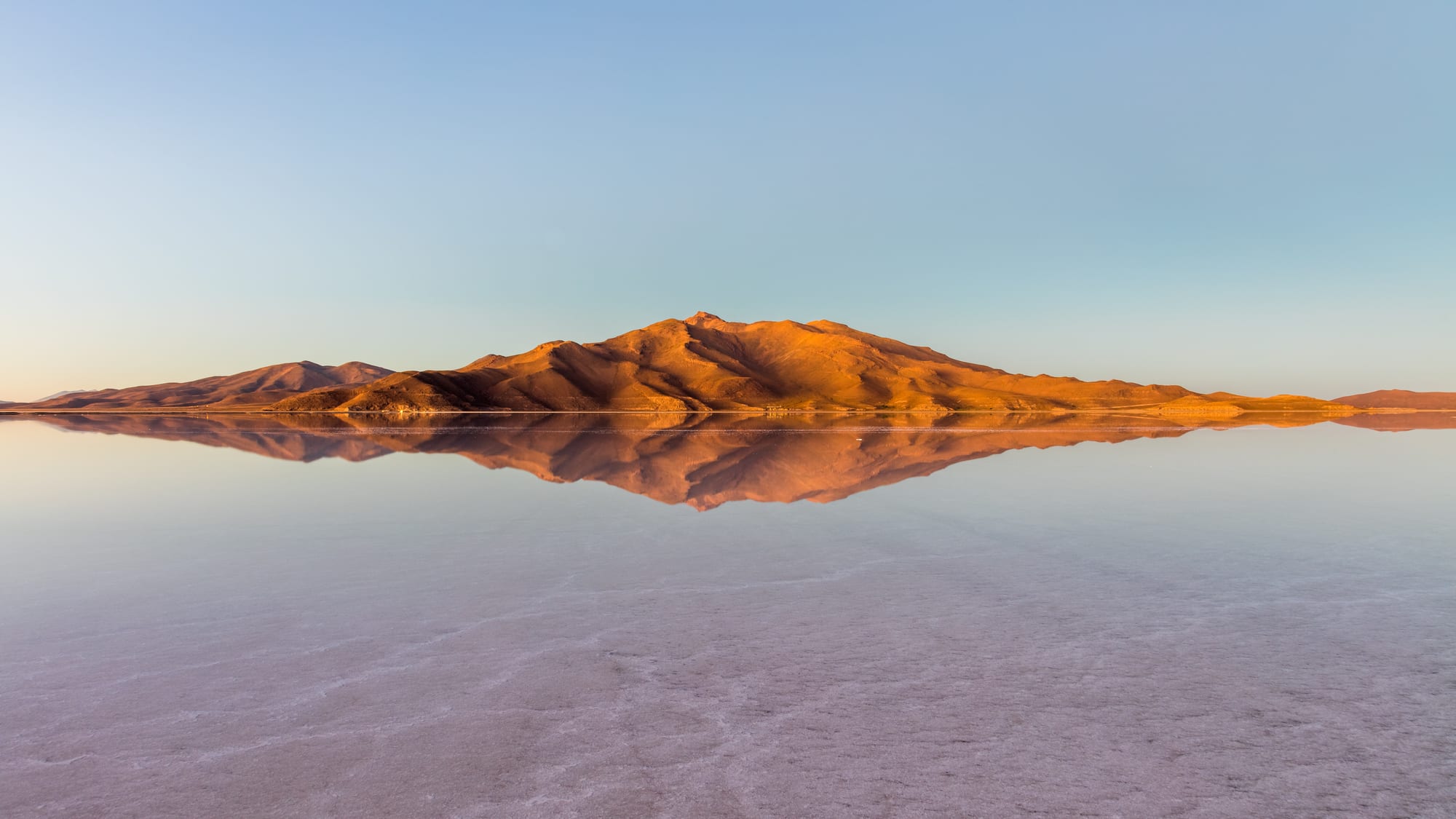
May to October for reliable weather, open roads, trekking, and clear Altiplano skies, with June to August the peak and coldest at night. For the Salar de Uyuni's mirror reflection, come in the wet season, roughly January to March, accepting some rain.
- Events
- The Carnaval de Oruro, a UNESCO-listed parade, falls in February or early March
💱 Currency
The currency is the boliviano (BOB). The official rate has held near 6.9 to the US dollar for years, but dollars are hard to get from banks, a higher parallel rate has emerged, and card payments sometimes fail or bill at a poor rate.
- Symbol
- Bs
- Cash To Bring
- US dollars, in good condition
- Currency Code
- BOB — boliviano
💬 Language
Spanish is the main official language and lingua franca, but Bolivia recognises 36 Indigenous languages. Quechua (the southern valleys and Potosí) and Aymara (the La Paz Altiplano and Lake Titicaca) are very widely spoken, often as a first language, and Guaraní in the southeast. English is limited to tourism.
- English
- Limited; not to be relied on
- Main Language
- Spanish
- Widely Spoken
- Quechua, Aymara, Guaraní