History · Bolivia
Bolivia: The Silver Mountain and the Landlocked Nation
Tiwanaku and the Inca, the mountain of Potosí that funded an empire, a century of coups and lost wars, and the rise of an Indigenous majority
By Worldlore Editorial · 19 September 2026
The roof of the continent
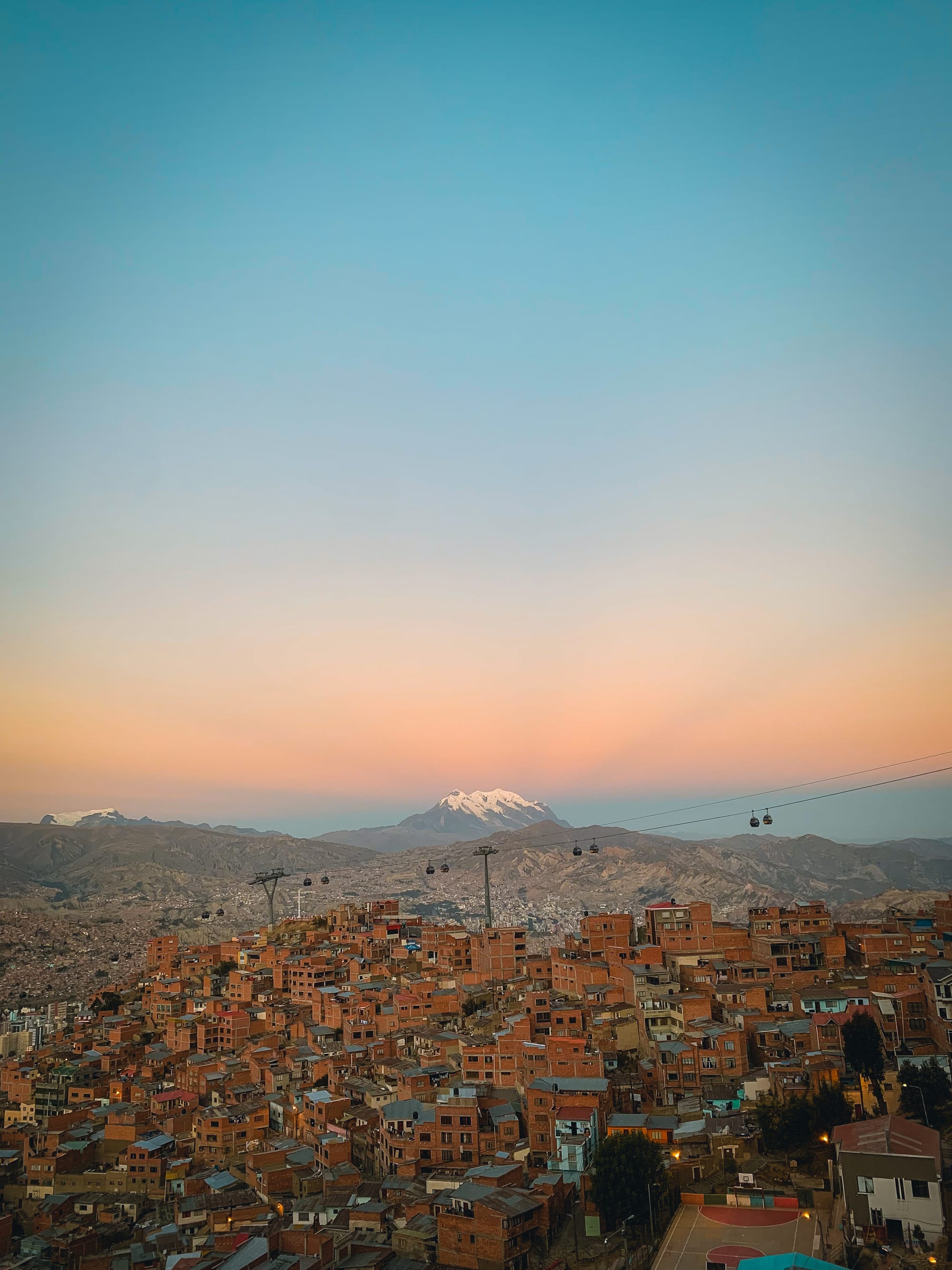
Bolivia is a high, landlocked country at the heart of South America — the western third an Andean world of thin air and cold light, where the Altiplano plateau holds La Paz, the highest seat of government on earth, and the eastern two-thirds a descent into Amazon rainforest and dry Chaco scrub. More of its people identify as Indigenous than in any other country in the Americas, and in 2009 it formally renamed itself the Plurinational State of Bolivia in recognition of that. Its history has been shaped by three things above all: the mineral wealth of its mountains, the land it has lost to every neighbour, and the long exclusion — and recent political arrival — of its Indigenous majority.
A short history
- c. 500–1000 CE
Tiwanaku
A powerful state near Lake Titicaca whose influence reaches across the southern Andes.
- 15th c.
The Inca
The region becomes Qullasuyu, the southern quarter of the Inca empire.
- 1545
Silver at Potosí
The Cerro Rico is found; Potosí grows into one of the largest cities in the world.
- 6 August 1825
Independence
Upper Peru becomes Bolivia, named for Simón Bolívar.
- 1879–1883
War of the Pacific
Bolivia loses its entire Pacific coast to Chile and becomes landlocked.
- 1932–1935
The Chaco War
A ruinous war with Paraguay; Bolivia loses again.
- 1952
The Revolution
The mines are nationalised, the vote is made universal, the haciendas are broken up.
- 1964–1982
Military rule
Coups, dictatorship, and the killing of Che Guevara in 1967.
- 2006–2019
Evo Morales
Bolivia's first Indigenous president nationalises gas and rewrites the constitution.
Tiwanaku and the Inca
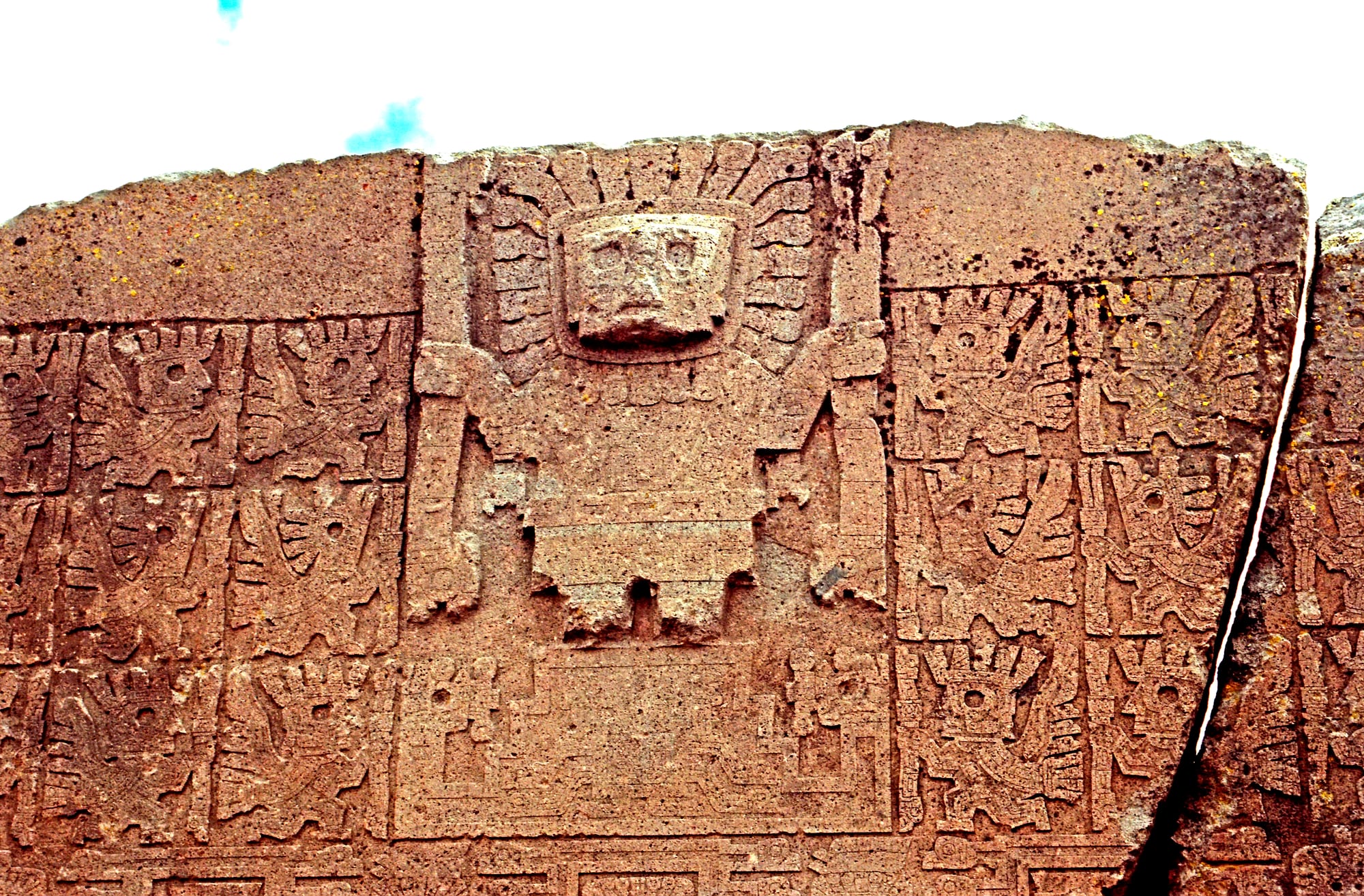
The Bolivian Altiplano was one of the cradles of Andean civilisation. Around Lake Titicaca, the city of Tiwanaku grew into a religious and political centre whose style and influence spread across the southern Andes between roughly 500 and 1000 CE, before it collapsed and left the plateau to a set of competing Aymara kingdoms. In the 15th century the Inca conquered the region and made it Qullasuyu, one of the four quarters of their empire, moving populations and building roads and storehouses across it.
The mountain that ate men
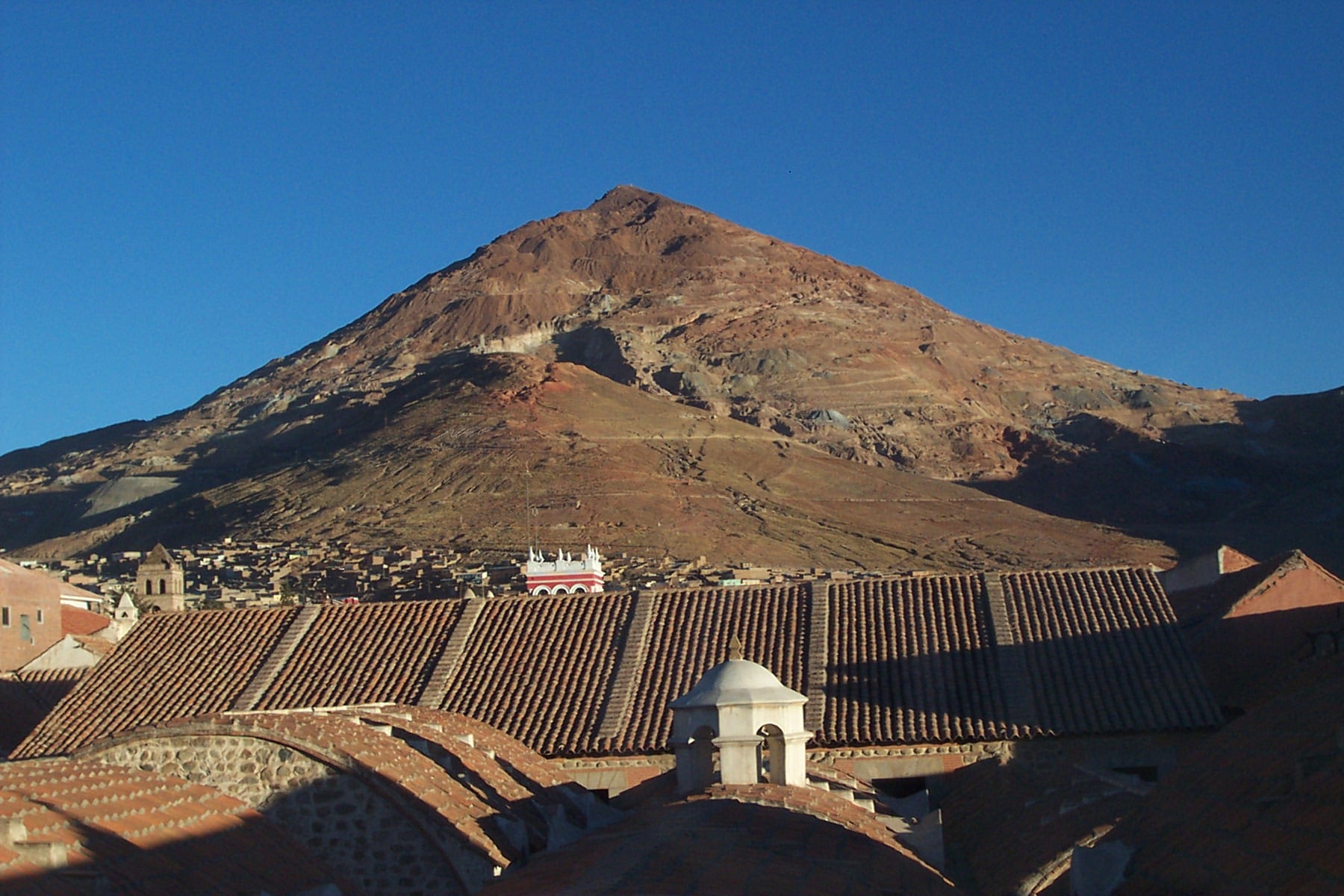
Spanish forces reached the highlands in the 1530s, but the event that made Bolivia matter to the world came in 1545, with the discovery of a mountain of silver ore above the town of Potosí. Within decades Potosí was among the largest cities on earth — bigger than London or Paris — and the Cerro Rico was pouring out a huge share of the silver that financed the Spanish empire and, shipped on across the Pacific, paid for Spain's trade with China. The mines ran on the mita, a rotational forced-labour draft of Indigenous men adapted from an Inca system, and on enslaved Africans, in conditions that killed on an enormous scale over two centuries.
Cerro Rico
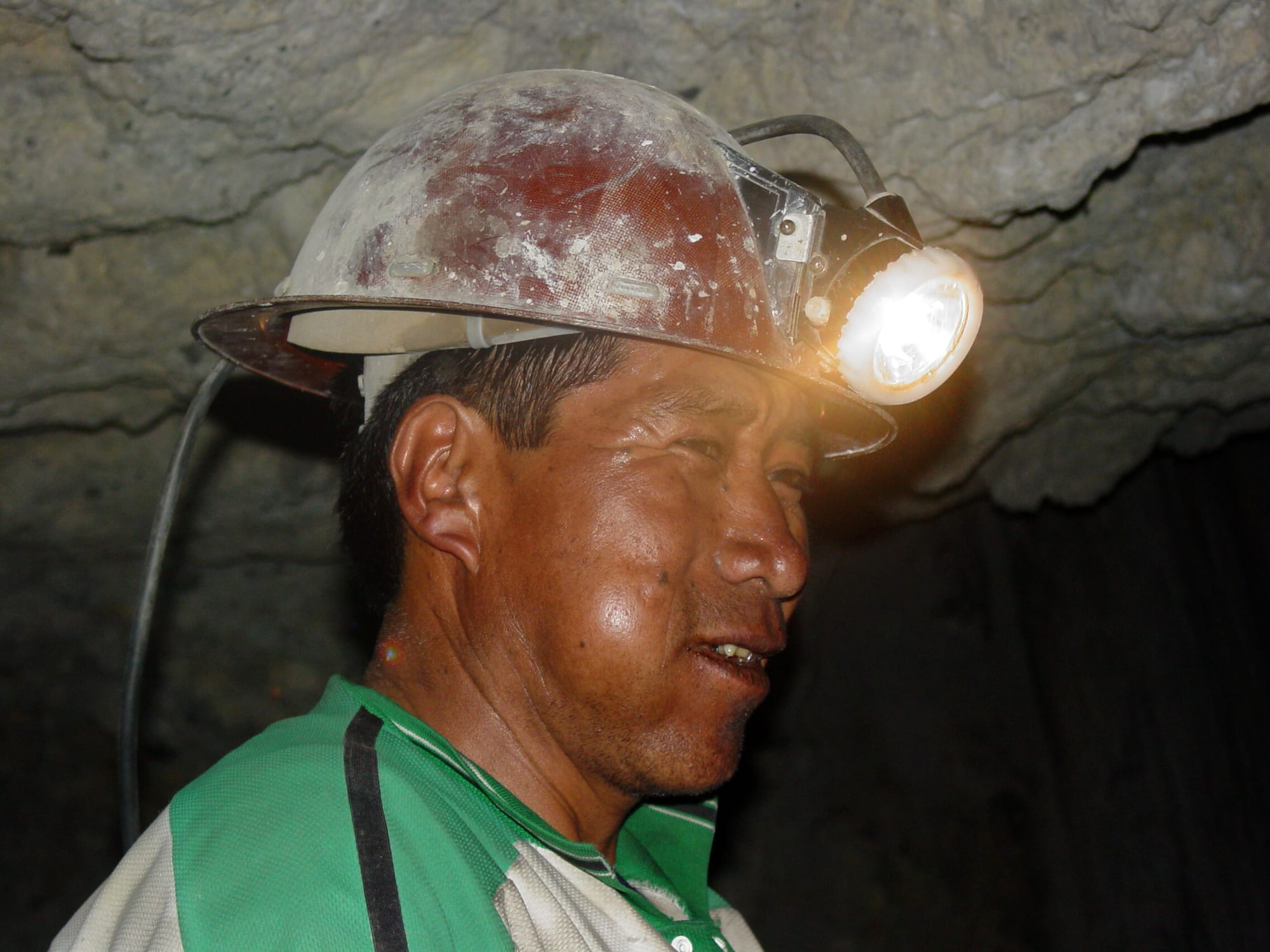
The silver mountain still looms over Potosí, and cooperatives still dig it for tin, zinc and silver in conditions little changed in centuries.
Upper Peru, as the Spanish called it, was governed from the city now named Sucre, and it saw some of the first independence uprisings in Spanish America, in 1809. But the wars there dragged on for 16 years of guerrilla struggle, and liberation finally came from outside: Bolívar's lieutenant Antonio José de Sucre secured the territory in 1825, and it was declared an independent republic — named Bolivia, after the Liberator — on 6 August.
A century of losing ground
Independent Bolivia was chronically unstable — dozens of presidents, most of them removed by force — and it lost territory in every direction. In the War of the Pacific of 1879–83, Chile took Bolivia's entire coastal province, with its nitrate and copper, and left the country landlocked; Bolivia still keeps a navy on Lake Titicaca and still demands access to the sea. It lost the rubber-rich Acre region to Brazil in 1903, and then, in the Chaco War of 1932–35, it lost a large piece of the south-eastern lowlands to Paraguay in a conflict fought over rumoured oil that killed around 100,000 men, most of them conscripts dead of thirst and disease.
As silver faded, tin became the country's lifeblood, and by the early 20th century a handful of "tin barons" controlled both the economy and the government. The humiliation of the Chaco War discredited that old order and radicalised a generation of veterans.
The Revolution of 1952
In 1952 the Nationalist Revolutionary Movement, having won an election and been denied power, seized it in three days of fighting alongside armed miners and peasants. The revolution that followed was one of the most sweeping in Latin American history: it nationalised the tin mines, gave the vote to everyone — ending the literacy rules that had excluded most Indigenous Bolivians — broke up the semi-feudal haciendas in a huge agrarian reform, and expanded rural schooling. It did not fix the economy, and the movement's rule ended in a military coup in 1964.
The next 18 years were mostly military. It was Bolivian soldiers, with CIA help, who tracked down and executed Che Guevara in 1967 after his attempt to launch a guerrilla war in the south-east. A right-wing dictatorship under Hugo Banzer followed in the 1970s, and in 1980 a group of officers with links to the cocaine trade staged an exceptionally violent coup. Democracy returned in 1982 — into hyperinflation that peaked at more than 10,000 per cent, tamed only by a shock programme that also shut much of the state mining sector and threw tens of thousands of miners out of work. Many moved to the Chapare valley to grow coca.
Evo Morales and the plurinational state
Coca growing put Bolivia at the centre of the US-backed drug war, and the cocaleros' union became a political force. Its leader, an Aymara farmer named Evo Morales, rode a wave of protest — the 2000 "Water War" in Cochabamba against water privatisation, and the 2003 "Gas War" that drove a president to flee the country — to win the presidency outright in 2005, the first Indigenous head of state in Bolivian history.
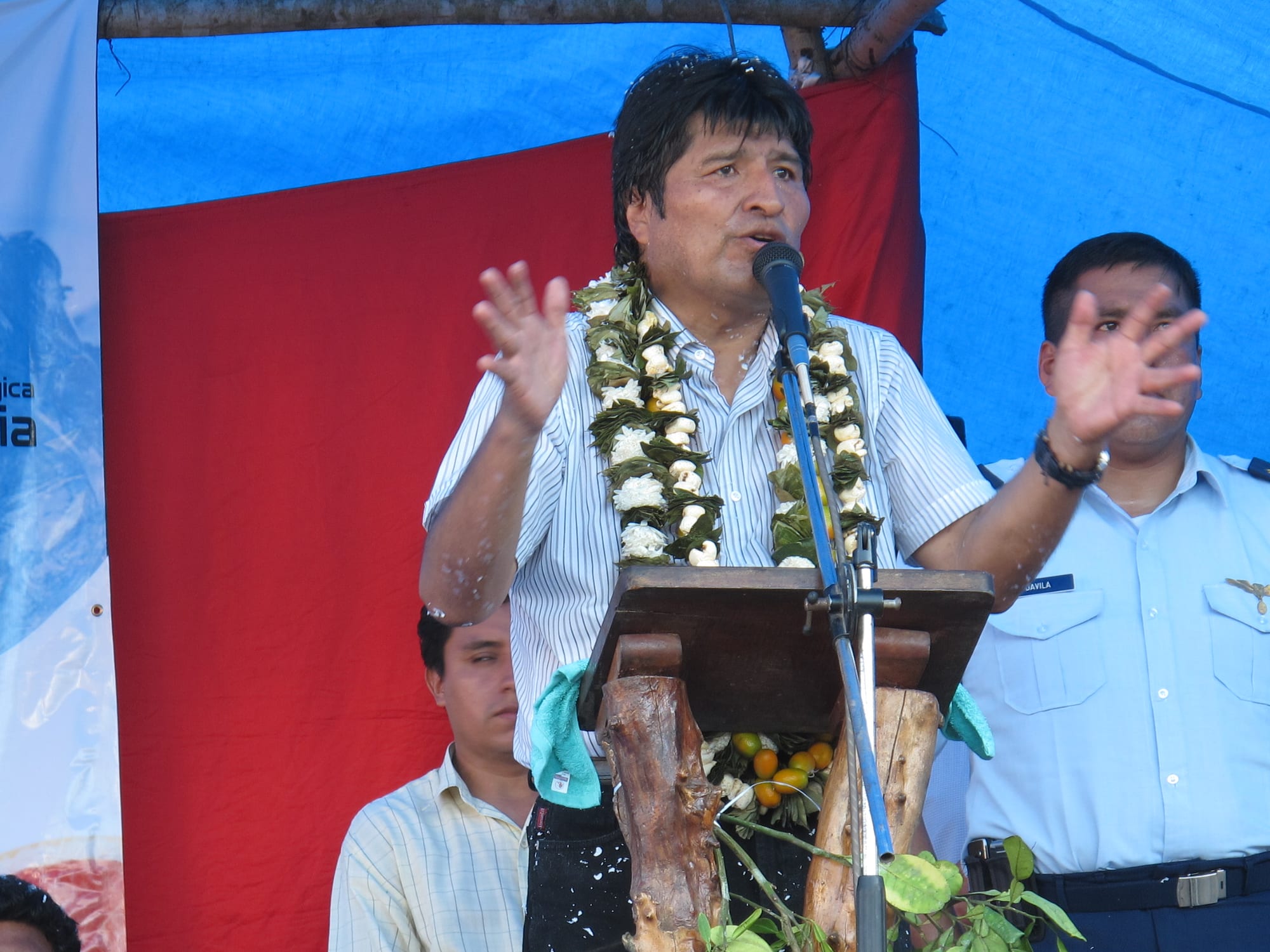
Morales's government nationalised the natural-gas industry in 2006 and, with prices high, used the revenue to cut poverty and inequality sharply; a new constitution in 2009 declared Bolivia a plurinational, secular state with broad Indigenous rights. But he would not leave. After a 2016 referendum rejected a further term, he ran again anyway, and the disputed election of October 2019 collapsed into unrest; with the security forces withdrawing their support, he resigned and left the country. A right-wing interim government repressed the protests that followed with deadly force, before new elections in 2020 returned Morales's party under Luis Arce.
Bolivia now
Arce and Morales then fell out, splitting their movement, and Bolivia entered a grinding crisis of dollar shortages, fuel queues and falling gas production. In 2025, after almost two decades in power, the Movement for Socialism was heavily defeated at the polls and a centrist opposition candidate won the presidency. The country's next bet is lithium: the salt flat of Uyuni holds one of the largest reserves on earth, though turning it into money has so far proved elusive.
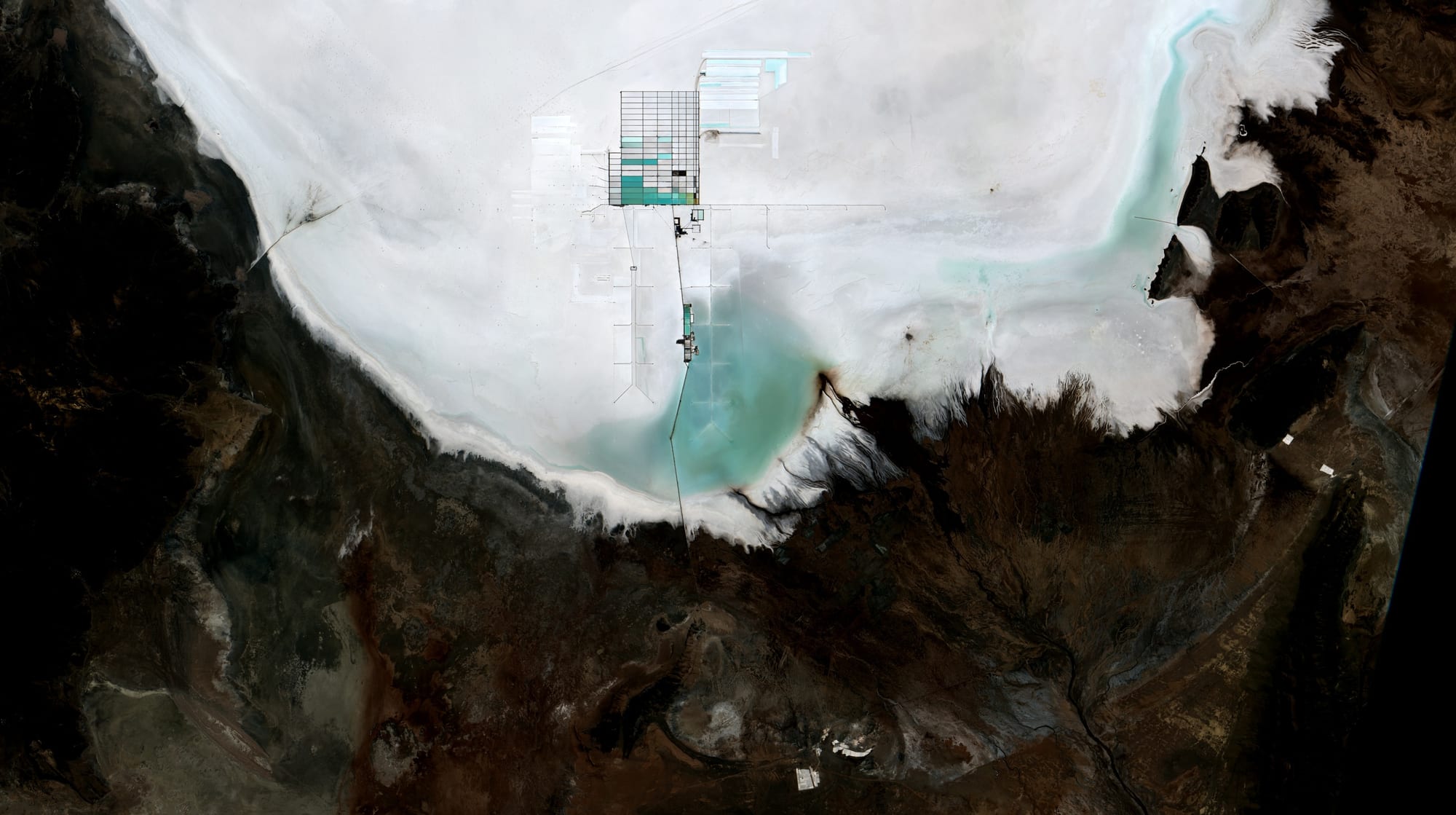
Extracting the lithium has proved slow and contentious: state-led projects have under-delivered for more than a decade, and the salt flat is also a fragile ecosystem and a growing tourist draw.
What Bolivia carries
Bolivia's history rhymes: a mountain of wealth dug by forced labour for the benefit of others, a series of wars that left it smaller each time, and a state run for centuries by and for a small elite over an Indigenous majority. The revolution of 1952 and the Morales years each tried, in different ways, to break that pattern. The silver is gone, the tin is mostly gone, and the country is once again betting its future on what lies under its high, cold ground.