History · Zimbabwe
Zimbabwe: The Stone Houses and the Lost Promise
The land of Great Zimbabwe, a medieval African city of dry-stone walls — seized by Cecil Rhodes's company, ruled by a white minority that rebelled against Britain rather than share power, freed after a long war in 1980, and then wrecked by the man who led it
By Worldlore Editorial · 10 September 2026
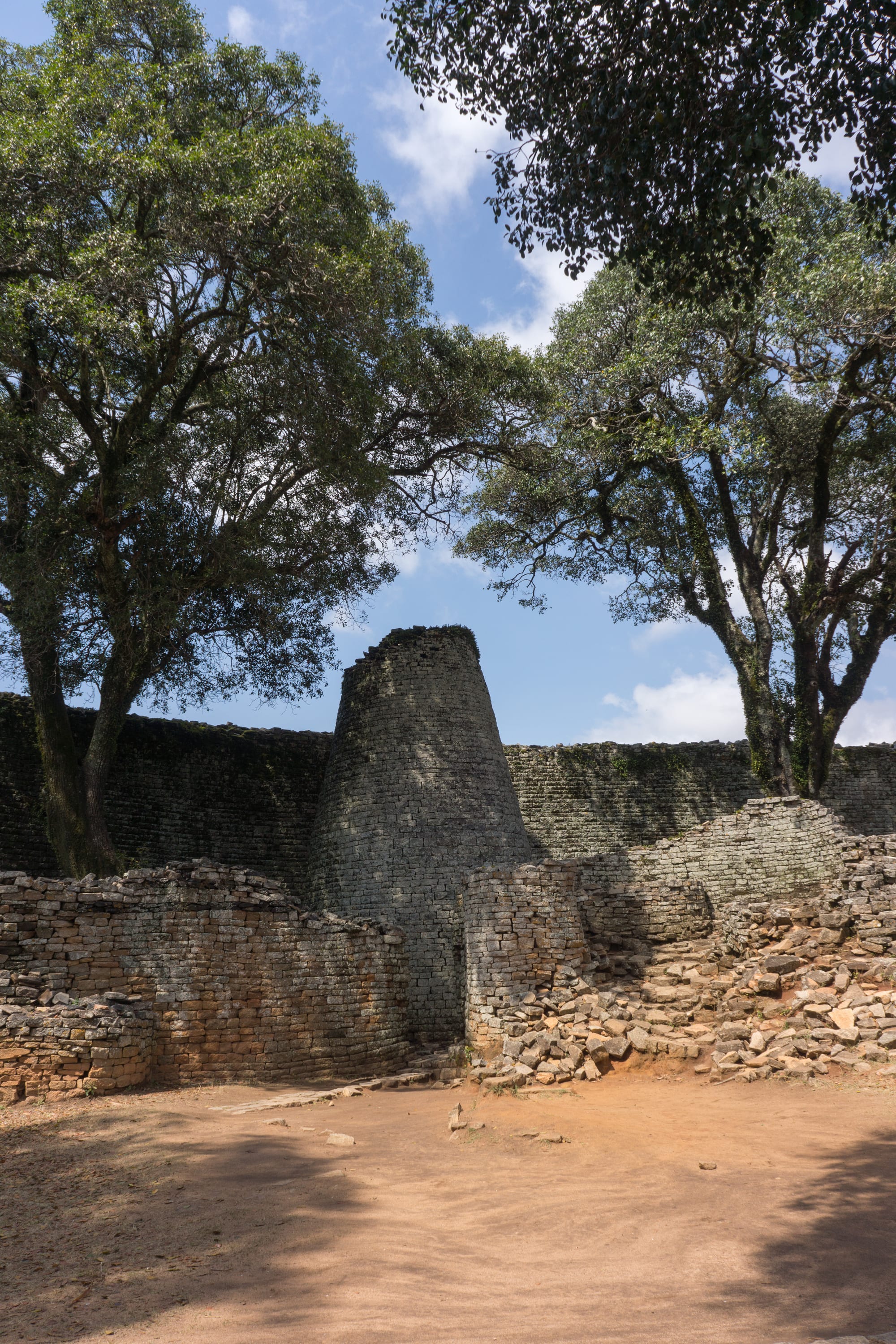
A country named after a ruin
Zimbabwe is a landlocked country on the high plateau of south-central Africa, between the Zambezi and the Limpopo, with about 16 million people, most of them Shona-speaking, with a large Ndebele minority in the south-west. It took its name at independence in 1980 from Great Zimbabwe, the stone-walled city that its ancestors built — a deliberate assertion, against a colonial mythology that had long denied Africans could have built it. Zimbabwe's post-independence history is one of the sharpest cautionary tales in modern Africa: a liberation hero who held power for 37 years and presided over the collapse of one of the continent's more promising economies.
A short history
- c. 1100–1450
Great Zimbabwe
A Shona trading state; a city of up to 18,000 people.
- 15th–19th c.
Successor states
Mutapa, Torwa and the Rozvi confederacy; gold and ivory trade.
- 1830s
The Ndebele
Mzilikazi's people move north from Zulu lands and found a kingdom.
- 1890
The Pioneer Column
Cecil Rhodes's British South Africa Company occupies Mashonaland.
- 1896–97
The First Chimurenga
Shona and Ndebele risings against Company rule are crushed.
- 1923
Southern Rhodesia
The territory becomes a self-governing British colony run by settlers.
- 1965
UDI
The white-minority government unilaterally declares independence from Britain.
- 1972–1979
The liberation war
ZANU and ZAPU guerrillas fight the Rhodesian state.
- 1980
Independence
Robert Mugabe wins the first universal-suffrage election.
- 2000–2008
Collapse
Land seizures, economic freefall, and record hyperinflation.
Great Zimbabwe and its successors
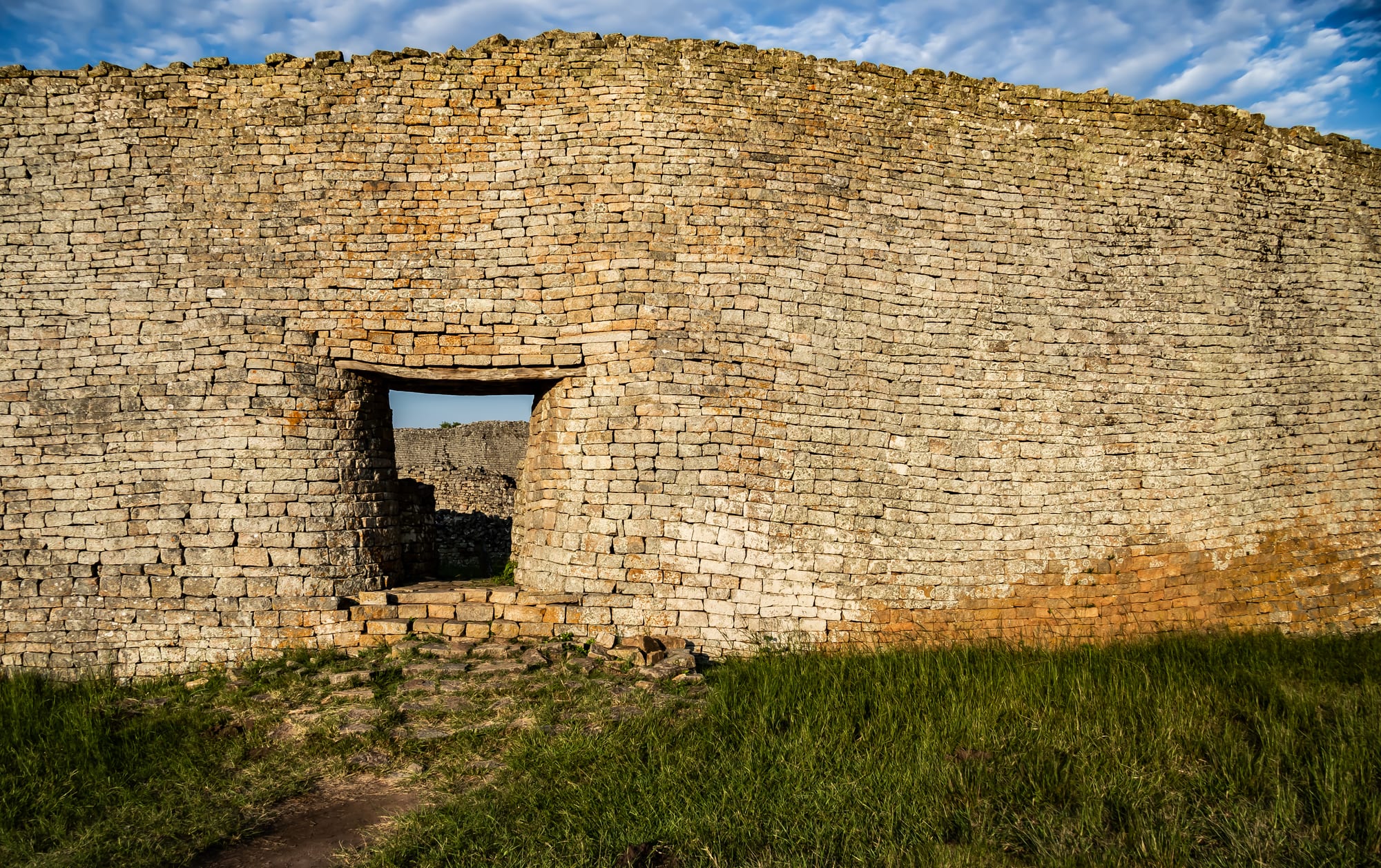
From around 1100, Shona-speaking peoples on the plateau built a series of states on cattle, gold and the trade in gold and ivory to the Swahili coast and the Indian Ocean. The greatest was centred on Great Zimbabwe, whose massive dry-stone walls — built without mortar, some of them ten metres high — enclosed a royal city of up to 18,000 people at its 14th-century height. It declined by about 1450, and its role passed to successor states: the Mutapa kingdom to the north, which dealt with (and was eventually undermined by) the Portuguese, and later the Rozvi confederacy. In the 1830s the Ndebele, a Nguni people driven north by upheavals in the Zulu kingdom, established their own state under Mzilikazi in the south-west, raiding Shona communities for cattle and captives.
Rhodes's colony
Cecil Rhodes, prime minister of the Cape and a mining magnate, obtained a mining concession from the Ndebele king Lobengula in 1888 under disputed terms, secured a royal charter for his British South Africa Company, and in 1890 sent an armed "Pioneer Column" to occupy Mashonaland. When the Ndebele resisted, the Company conquered their kingdom in 1893, and in 1896–97 both the Ndebele and the Shona rose in the First Chimurenga ("liberation war"), which was put down with great violence. The territory — named Rhodesia after Rhodes — was governed by the Company until 1923, when its white settlers voted to become a self-governing British colony, Southern Rhodesia. Settlers took the best farmland, and a series of land laws confined the African majority to overcrowded "reserves"; Africans had no vote worth the name.
UDI and the liberation war
After the Second World War, as Britain moved to decolonise, Southern Rhodesia's roughly 250,000 whites had no intention of accepting majority rule. When Britain made independence conditional on progress toward it, the government of Ian Smith issued a Unilateral Declaration of Independence on 11 November 1965. Britain imposed sanctions but did not use force; Rhodesia held out for 15 years, backed quietly by South Africa and Portugal. Two liberation movements took up arms — Robert Mugabe's ZANU, drawing mainly on the Shona and based in Mozambique, and Joshua Nkomo's ZAPU, drawing mainly on the Ndebele and based in Zambia. The war intensified through the 1970s, and with Portugal's withdrawal from Mozambique and South Africa's growing reluctance to prop up Smith, a negotiated settlement was reached at Lancaster House in 1979.
Mugabe's Zimbabwe
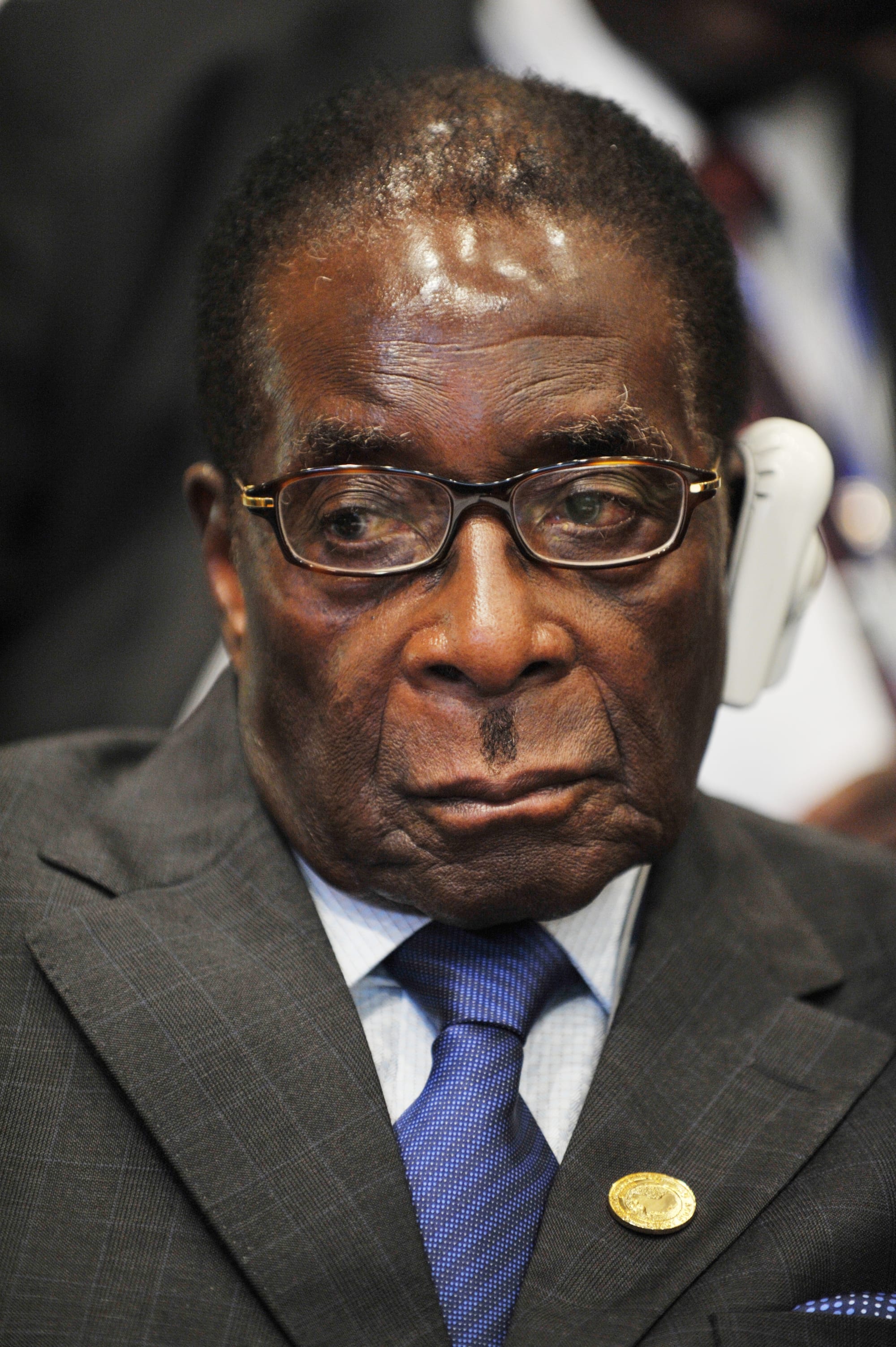
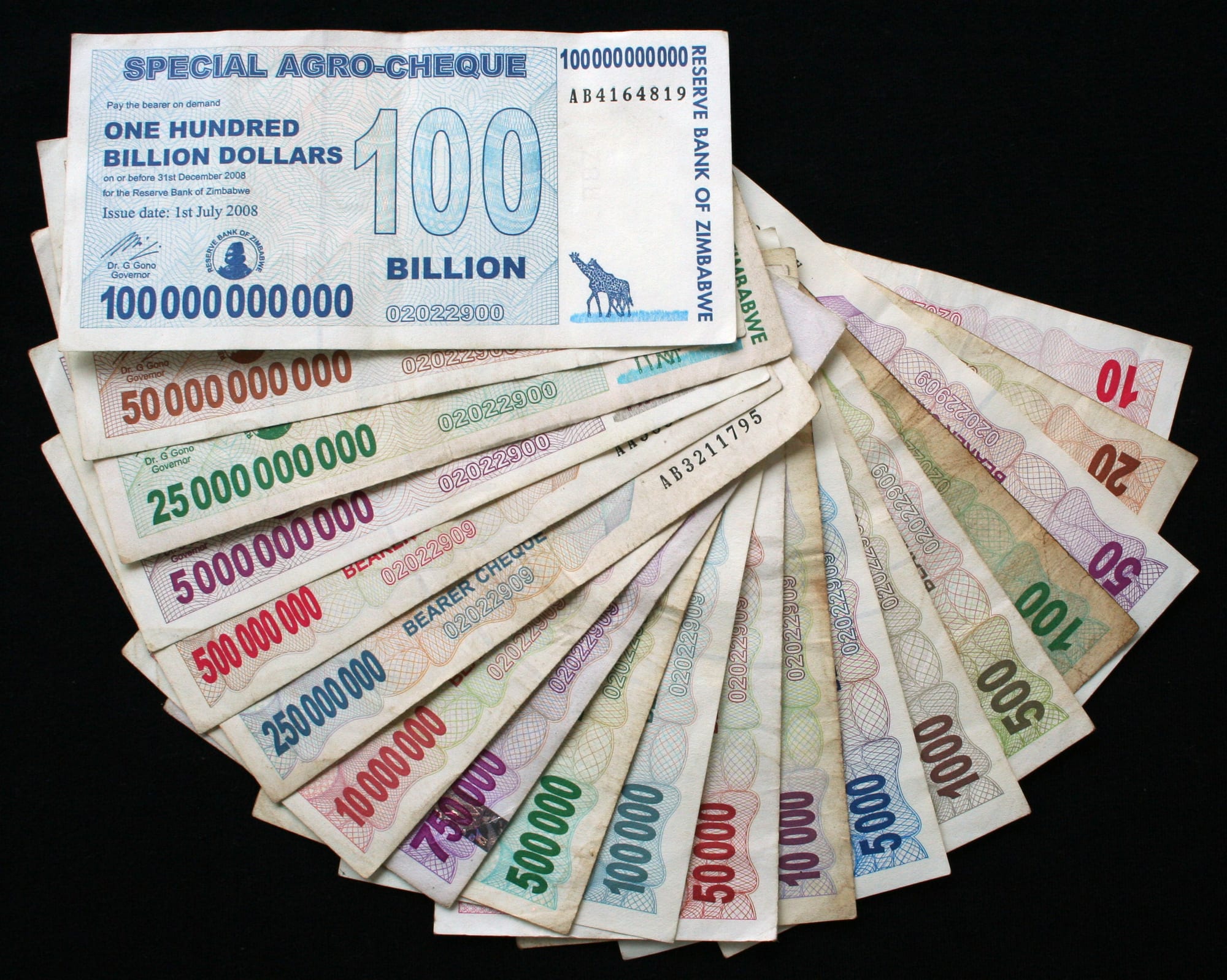
Mugabe's ZANU won the 1980 election and he became prime minister (executive president from 1987). The first years brought genuine gains — a big expansion of schooling and clinics, and a message of racial reconciliation that kept most white farmers and professionals in the country. But between 1983 and 1987 the army's North Korean-trained Fifth Brigade carried out the Gukurahundi campaign in Matabeleland, killing an estimated 20,000 mostly Ndebele civilians and forcing Nkomo's ZAPU into a merger with ZANU. Land — 4,000 white farmers still held most of the best commercial farmland — remained unresolved. Facing economic decline, a war in the DRC, and a strong new opposition (the MDC), Mugabe from 2000 encouraged "fast-track" seizures of white-owned farms, often by ruling-party loyalists and "war veterans". Commercial agriculture collapsed, exports fell, the government printed money to cover deficits, and by 2008 Zimbabwe had the second-worst hyperinflation in recorded history — prices doubling roughly daily — before the currency was abandoned for the US dollar.
After Mugabe
A disputed 2008 election, in which Mugabe lost the first round and won a run-off marred by violence, produced an uneasy power-sharing government with the MDC that stabilised the economy somewhat. In November 2017, after Mugabe moved to position his wife as successor over the vice-president Emmerson Mnangagwa, the army stepped in: it detained Mugabe, ZANU-PF expelled him, and facing impeachment he resigned, ending 37 years in power. Mnangagwa took over and won contested elections in 2018 and 2023. The economy remains fragile — chronic currency instability, high unemployment, and reliance on remittances from the millions of Zimbabweans who have emigrated — and repression of the opposition and civil society has continued.
What Zimbabwe carries
Zimbabwe named itself after a monument its colonisers had insisted Africans could not have built — a statement about who the country belonged to. The liberation war that won it delivered a state led by Robert Mugabe, whose long rule turned a country once seen as one of Africa's most promising into a byword for hyperinflation and misrule, without ever settling the land question that had driven the war in the first place. The removal of Mugabe in 2017 changed the man at the top; whether it changed the system is still in doubt.