Attractions & Natural Wonders · Zimbabwe
Zimbabwe: Seven Attractions and Natural Wonders
The stone ruins of a medieval African empire that gave the country its name, one of the greatest concentrations of elephants left on earth, and a landscape of ancient balancing granite boulders sacred for millennia
By Worldlore Editorial · 10 September 2026
The country that takes its name from stone ruins
Zimbabwe takes its name directly from Great Zimbabwe, the extensive stone ruins of a medieval African trading empire that once dominated the wider region — a civilisation and legacy that remains a source of national pride and identity. Beyond this deep history, the country shares Victoria Falls with Zambia, and its national parks hold some of the largest elephant populations remaining anywhere in Africa.
The seven below run from Victoria Falls to Great Zimbabwe, Hwange National Park, and the Matobo Hills. The dry season (roughly May to October) is generally the best time for wildlife viewing.
1. Victoria Falls
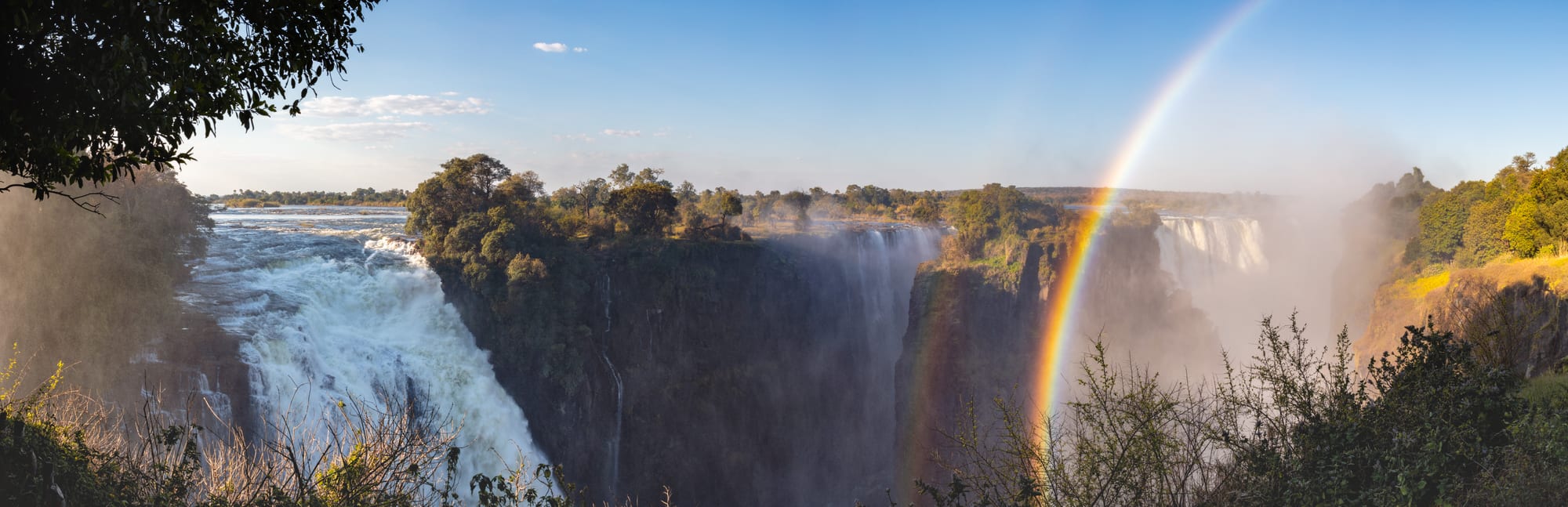
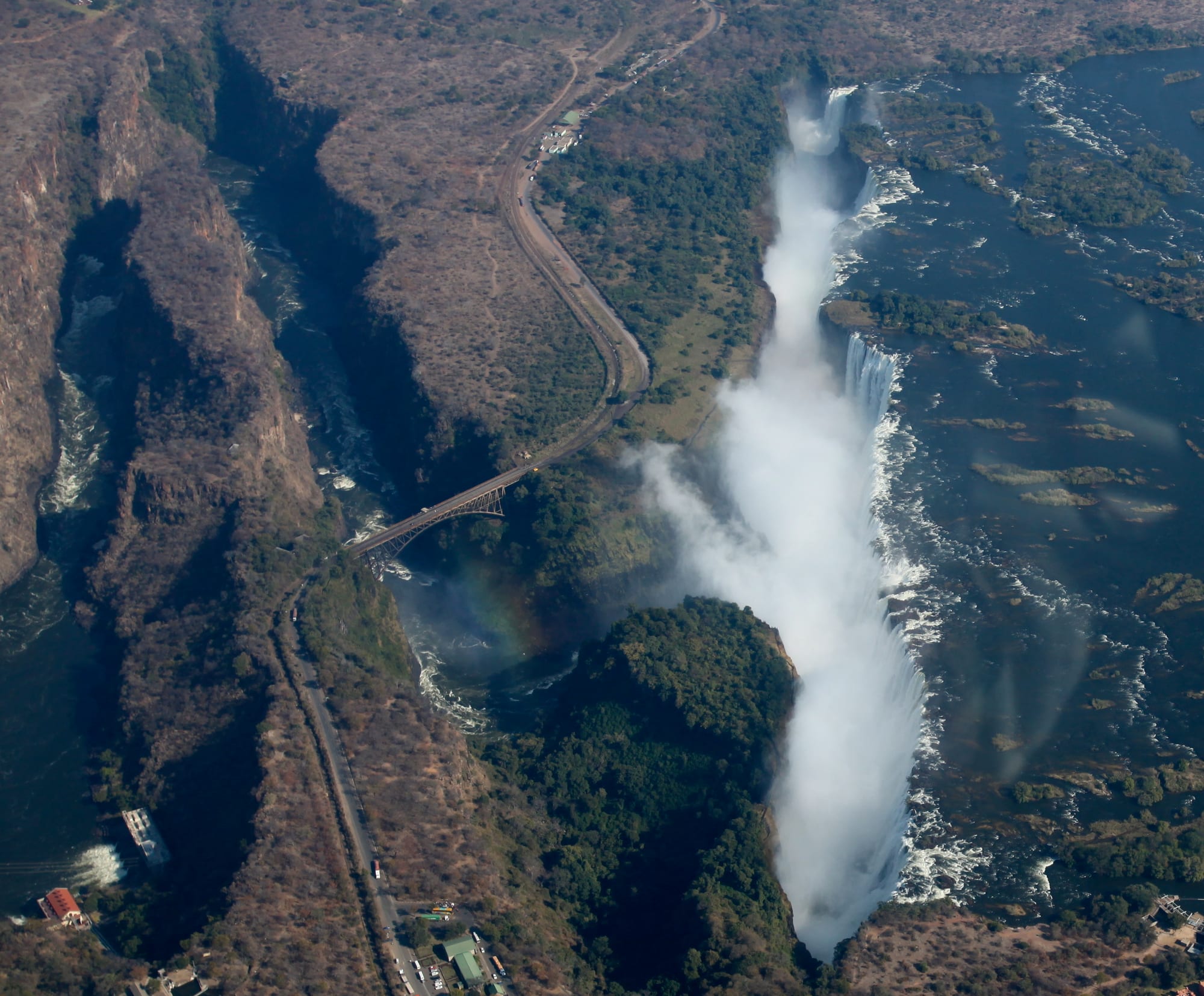
Victoria Falls, shared with Zambia, is generally considered to offer a more panoramic, sweeping view from the Zimbabwean side, particularly during the high-water season when the Zambian viewpoints can be obscured by heavy spray. The town of Victoria Falls has built a significant adventure-tourism industry around the falls, including bungee jumping from the historic bridge linking the two countries.
2. Great Zimbabwe
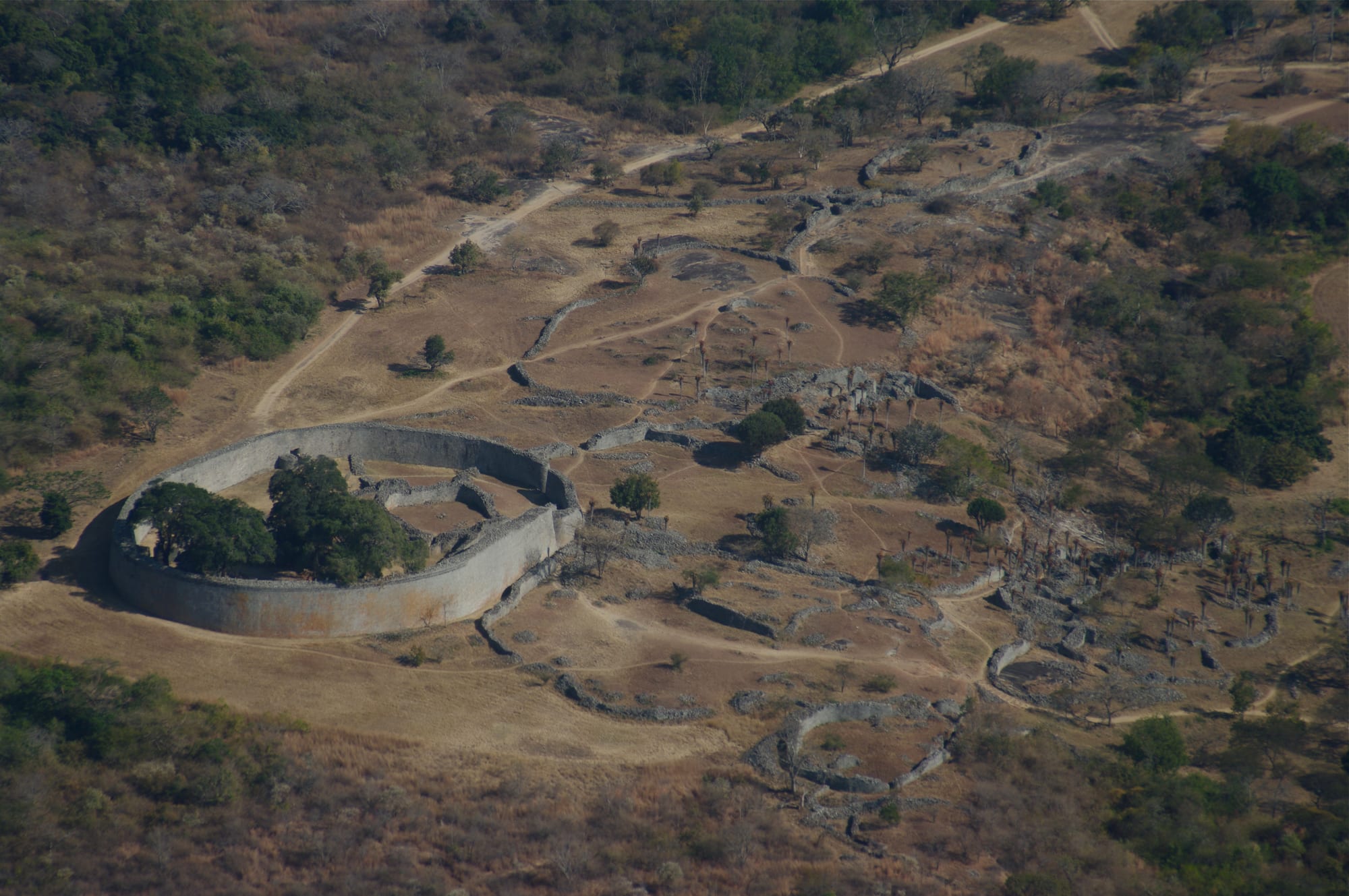
Great Zimbabwe, built between the 11th and 15th centuries, was the capital of a powerful trading empire whose influence extended across much of southern Africa, its massive dry-stone walls (built without mortar) representing one of the largest ancient structures in sub-Saharan Africa. A UNESCO World Heritage Site, it gave the modern nation both its name and a powerful symbol of pre-colonial African achievement.
3. Hwange National Park
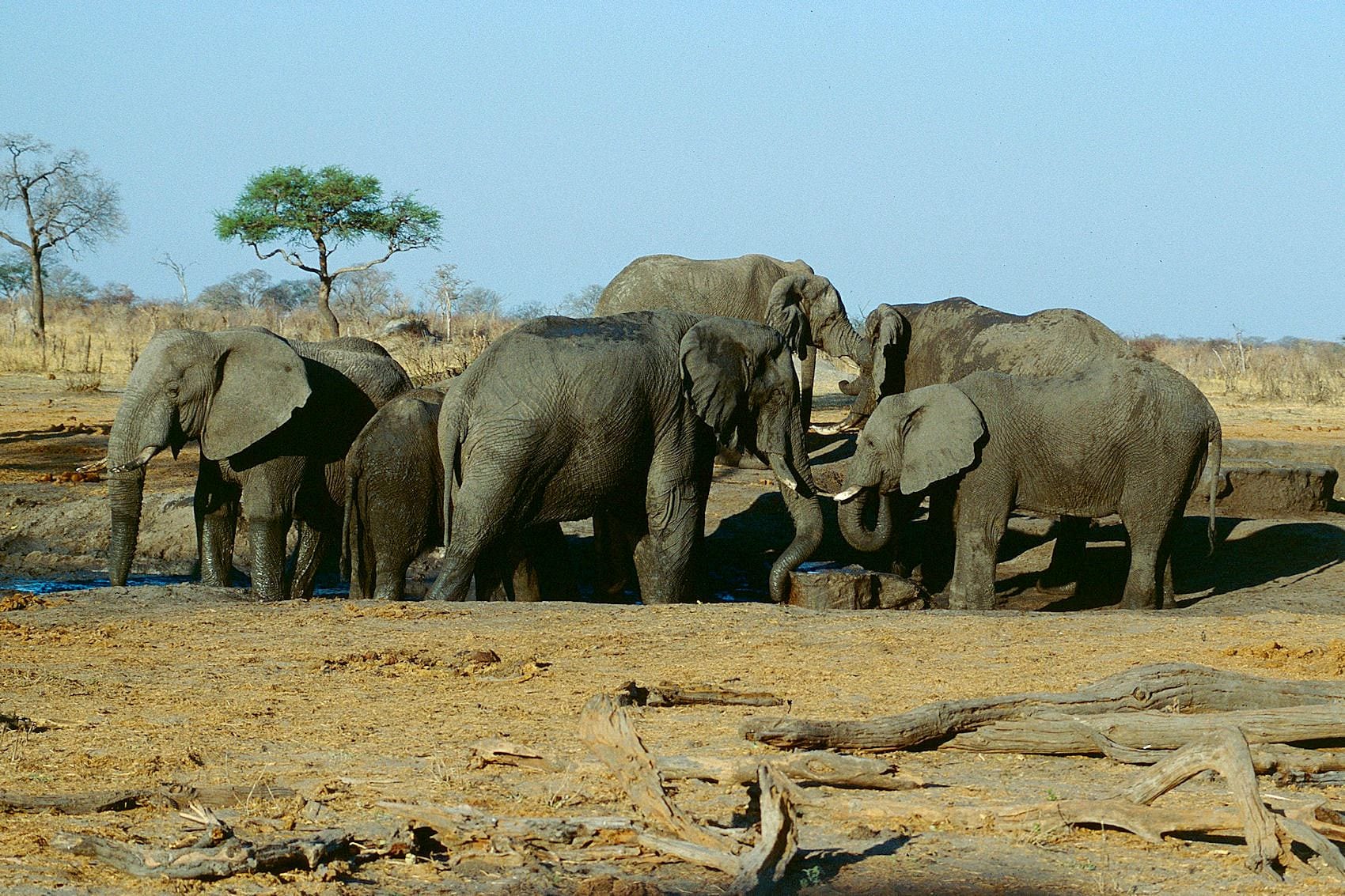
Hwange National Park, Zimbabwe's largest, holds one of the greatest concentrations of elephants remaining anywhere in Africa, alongside lion, buffalo, and a wide range of other wildlife, drawn to man-made waterholes that supplement the park's naturally limited water sources during the dry season — making these waterholes some of the most reliable wildlife- viewing spots in the country.
4. Hwange's waterholes
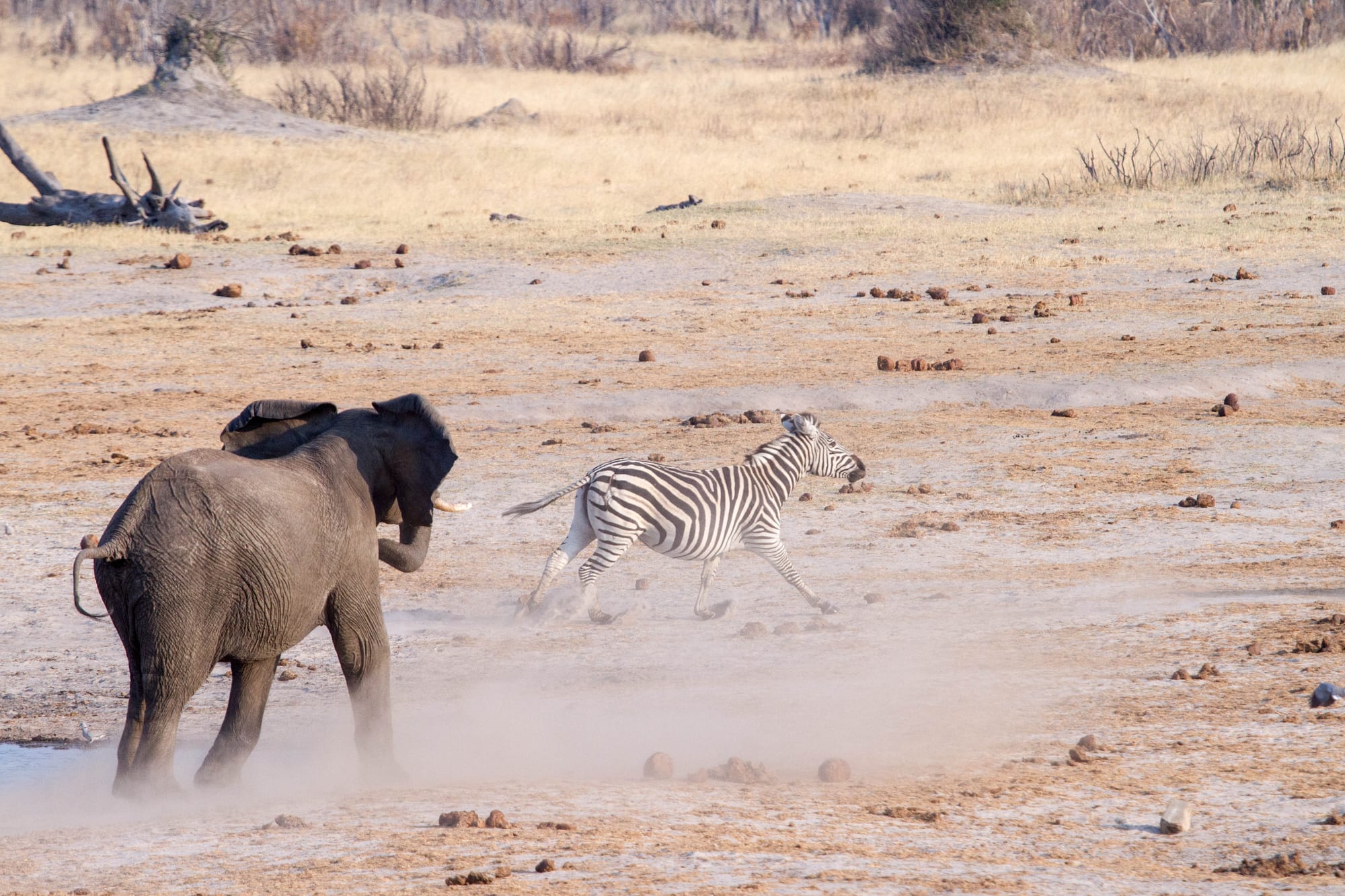
Hwange's pumped waterholes, maintained since the colonial era to compensate for the park's lack of natural year-round water sources, draw extraordinary concentrations of wildlife especially toward the end of the dry season, when animals from across the park converge on the same handful of reliable water points.
5. The Matobo Hills
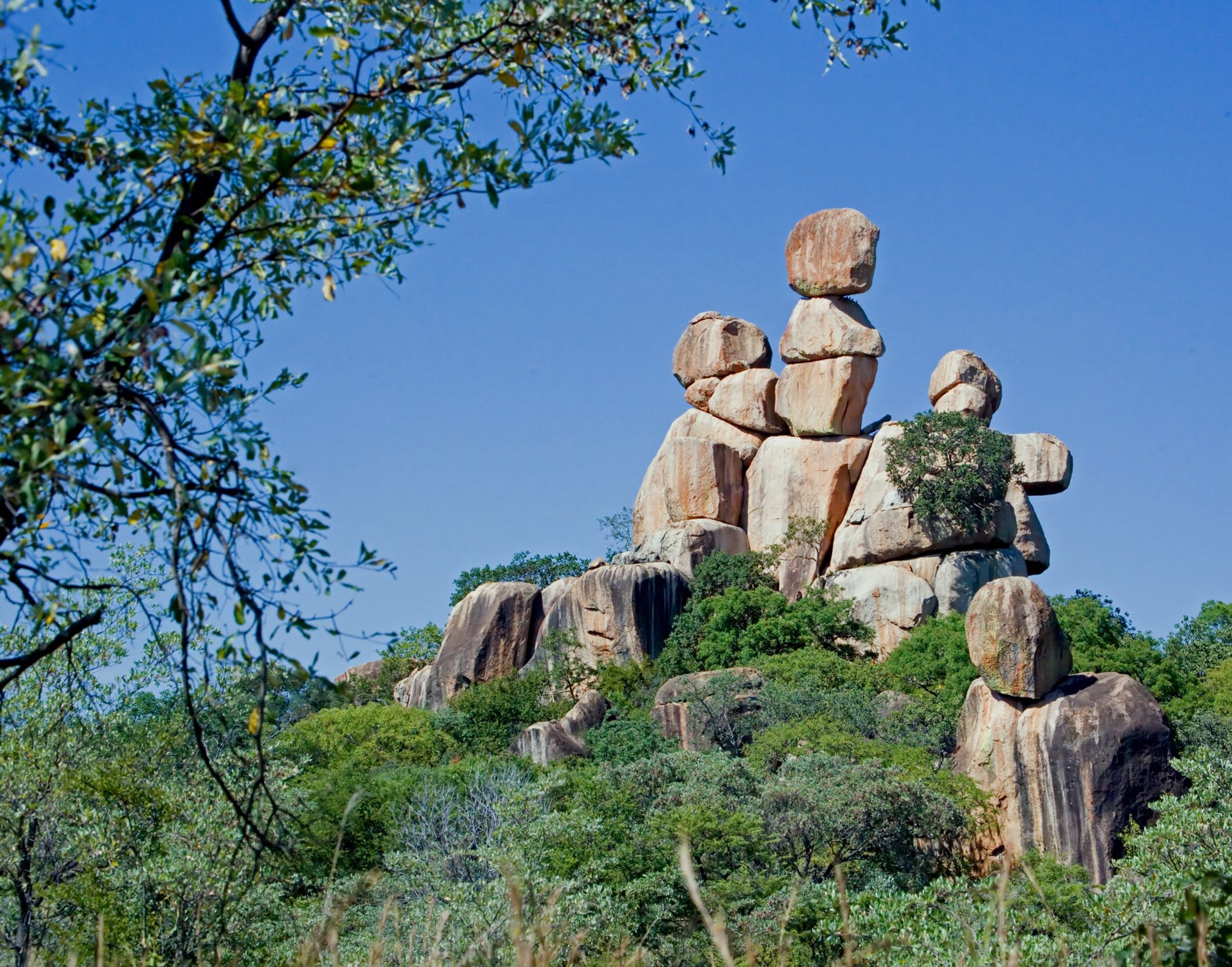
The Matobo Hills, a landscape of ancient granite boulders balanced and stacked by millions of years of erosion, have held deep spiritual significance for local communities for millennia, including as a site of rainmaking ceremonies still practised today. A UNESCO World Heritage Site, the hills also hold some of southern Africa's finest San rock art and a significant black and white rhino population, and are the burial site of colonial figure Cecil Rhodes, a still-contested piece of the landscape's layered history.
6. Mana Pools National Park
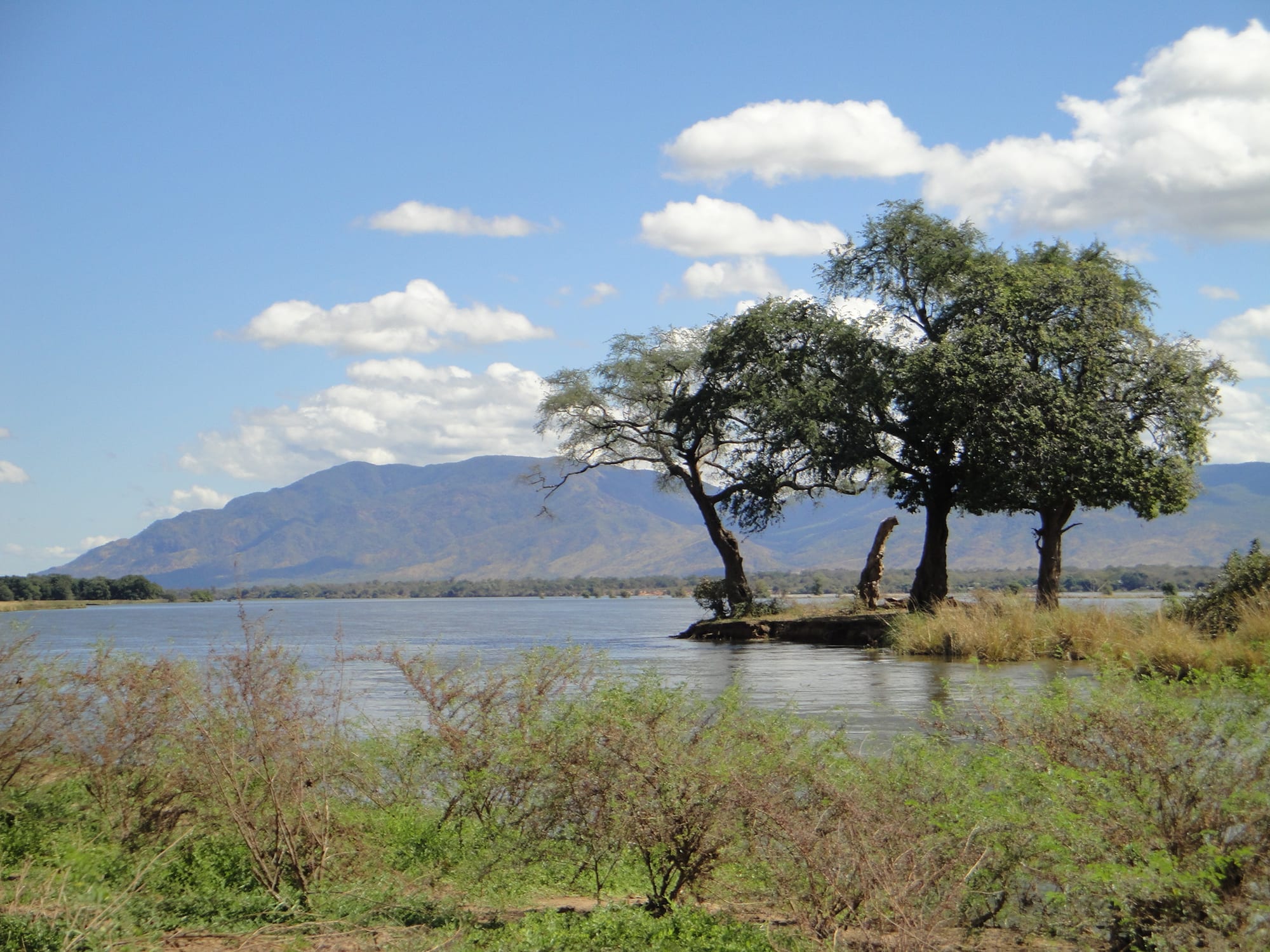
Mana Pools, a UNESCO World Heritage Site along the Zambezi's floodplain across from Zambia, is unusual among African parks for allowing unguided walking safaris — visitors can explore on foot among elephant, buffalo, and some of Africa's most habituated lion prides, among ancient albida trees along the river's old ox-bow lakes ("mana" means "four" in Shona, for the park's four pools).
Canoeing the Zambezi past pods of hippo is the other classic way to experience the park.
7. Lake Kariba
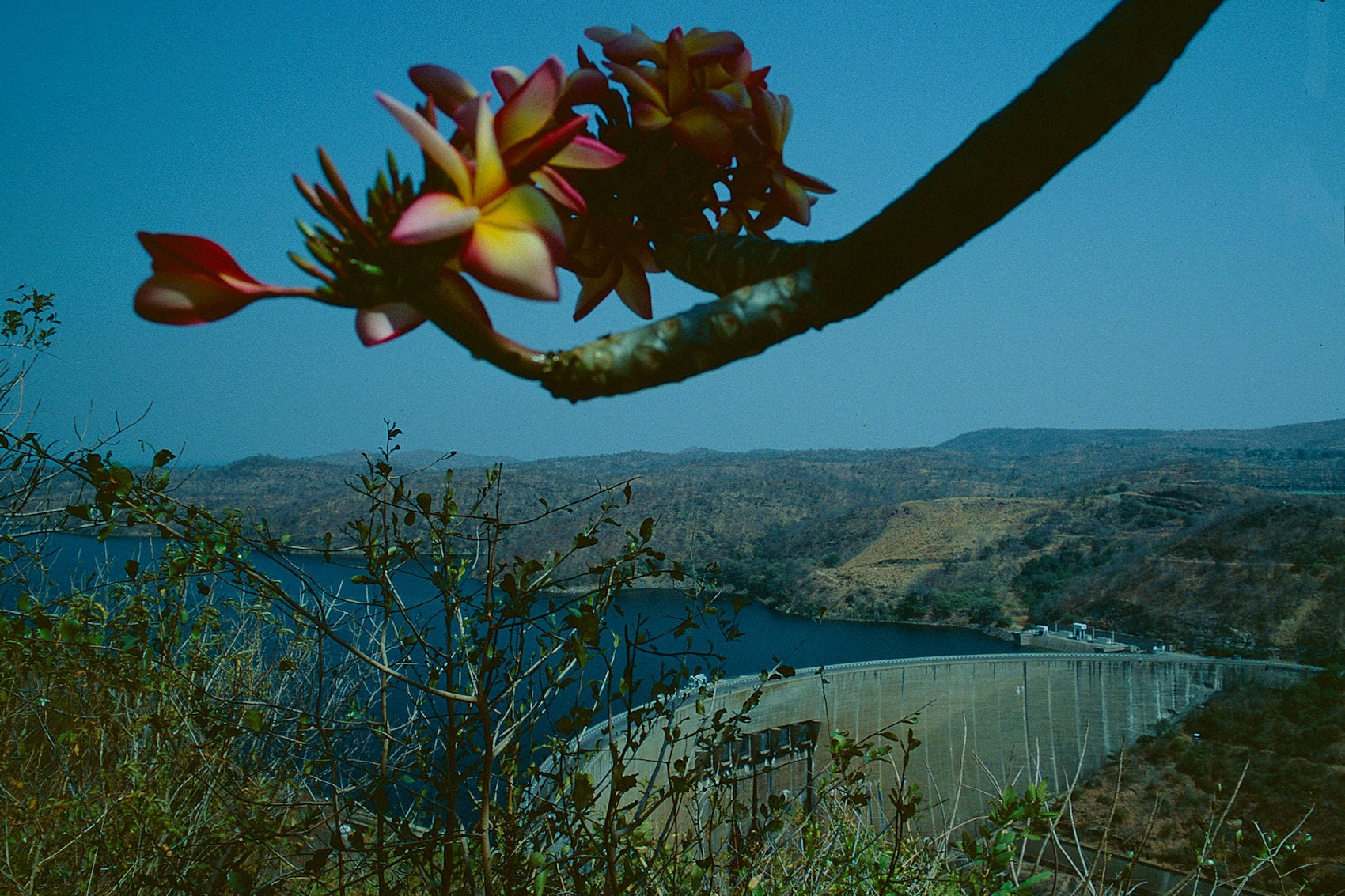
Lake Kariba, created by damming the Zambezi in the late 1950s in what was then one of the largest engineering projects in Africa, is among the world's largest reservoirs by volume — its filling displaced tens of thousands of Tonga people and triggered "Operation Noah," a large-scale effort to rescue stranded wildlife from rising waters.
Houseboat safaris, tigerfish, and lakeside towns like Kariba town now give it a relaxed, watery counterpoint to Zimbabwe's land-based parks.
Zimbabwe suits a trip combining Victoria Falls with a safari extension to Hwange, and, for those with more time, Great Zimbabwe and the Matobo Hills in the country's south for a deeper look at its ancient history and sacred landscapes.