Daily Life · Zimbabwe
Zimbabwe: A Day Priced in Two Currencies
A household often kept afloat as much by relatives working abroad as by wages at home, a market economy that runs largely outside any payroll, and prices that still shift depending on whether you are paying in Zimbabwe's own currency or the US dollar most people reach for instead
By Worldlore Editorial · 30 September 2026
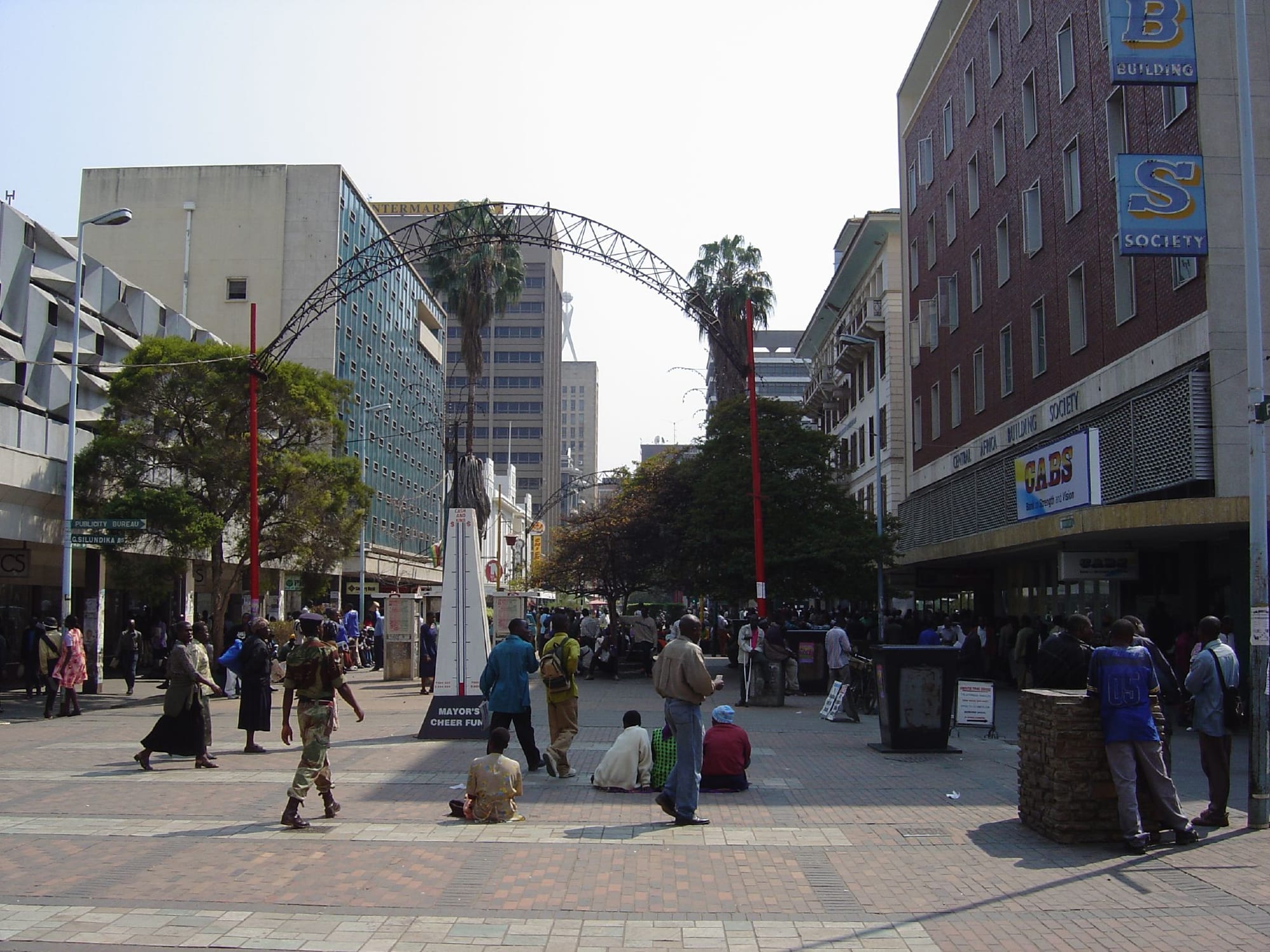
Roughly 17 million people live in Zimbabwe, according to recent estimates, and a large share of the country's day-to-day economic life happens off anyone's payroll and, increasingly, in a currency the government did not issue. Extended families anchor daily life much as they do across the region, but two things set Zimbabwe's ordinary day apart: an informal economy that employs far more people than formal jobs do, and a household budget that, for millions of families, depends as much on money sent home by relatives working abroad as on anything earned at home.
Family and home life
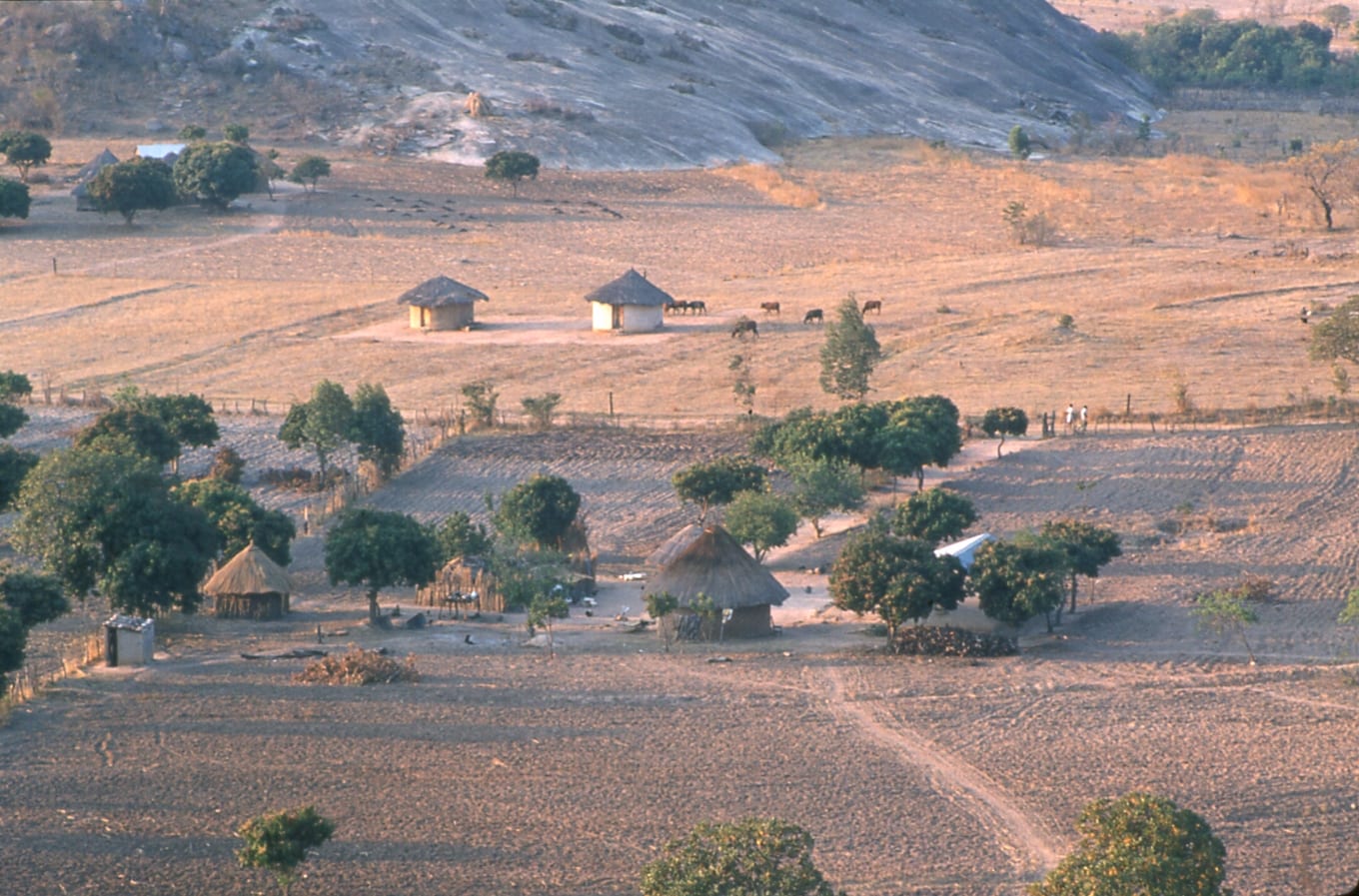
Many Zimbabwean households are modest in size, but that understates how connected extended families remain: adult siblings, grandparents and cousins routinely support one another, and it is common for children to be raised partly by grandparents in a rural home while parents work in Harare, Bulawayo, or abroad. That rural home, known as the musha, stays a fixed point for many town-based families even after a generation in the city — the place for holidays, funerals and the ploughing season. Millions of Zimbabweans, by various estimates, now live and work outside the country, mostly in South Africa and the United Kingdom, and the money they send back is a genuine lifeline: diaspora remittances totalled more than 2 billion US dollars in 2024 alone, a significant share of the country's entire economic output, according to World Bank and central bank data.
Work, school and the rhythm of the day
Formal jobs, with fixed hours and a payslip, cover only a minority of working Zimbabweans: the vast majority of workers are in the informal sector, and International Labour Organization estimates that include agriculture put total informal employment as high as 80 percent. For most people, the working day is set by trade rather than a shift roster — a market stall, a roadside repair business or a small tuckshop, opened and closed on the trader's own schedule. School follows a more fixed pattern, with seven years of primary education followed by an Ordinary Level secondary stage and an optional, more selective Advanced Level stage, taught, like most public business, in English alongside Shona or Ndebele. Daily commerce increasingly runs on two currencies at once: prices are often quoted in both, but the US dollar still accounts for the large majority of transactions, with Zimbabwe's own currency, the ZiG, used more reluctantly since its 2024 launch, after it lost much of its value on the unregulated market in its first year.
Community life and public spaces
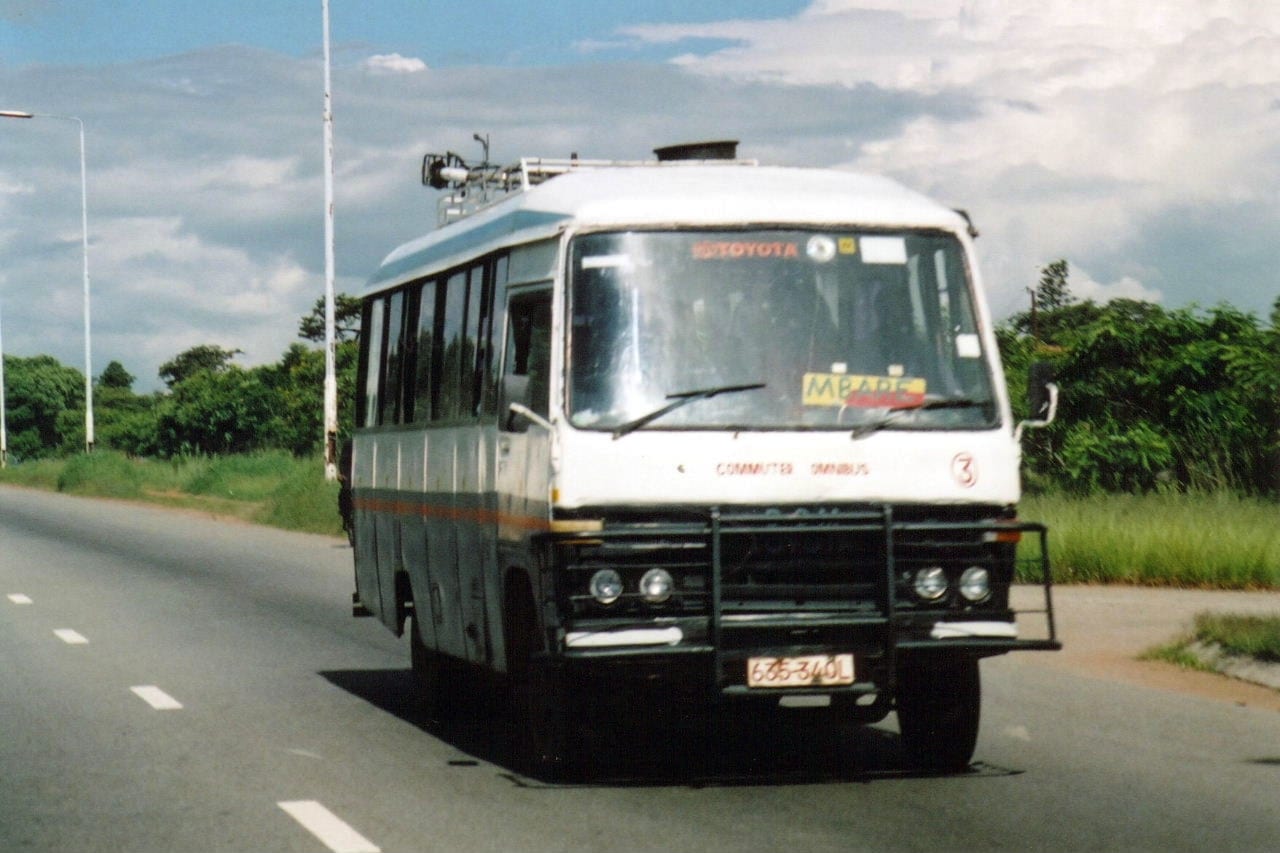
Kombis, privately run shared minibuses, are the backbone of everyday transport, packed and departing once full rather than on a set timetable, and their ranks double as informal meeting points in most towns. Open-air markets, from small neighbourhood tuckshops to Harare's sprawling Mbare Musika, the city's major fruit and vegetable market, are where most fresh food changes hands and where a large share of the informal economy actually operates. Churches, as elsewhere in the region, draw large and mixed congregations and function as a genuine community hub beyond worship.
Free time and weekends
Weekends centre on church, extended family visits and, where budgets allow, a braai, a barbecue gathering that draws neighbours and relatives together over grilled meat. Football and cricket both command wide followings, watched at home, in bars, or live at the ground, and Kirsty Coventry's Olympic swimming medals, seven across the 2004 and 2008 Games, made sport a rare shared source of national pride through difficult economic years. For families with relatives abroad, a video call at the weekend is often as much a part of the routine as any local outing.
A visitor's ordinary day
Zimbabwe runs on the US dollar in practice, even though the ZiG is the official currency: bring clean, recent dollar notes in small denominations, since change is a persistent problem and cards are not always accepted outside larger hotels and shops. Shops and markets typically trade from the morning into the early evening. Power cuts are frequent enough that hotels and lodges outside the top end plan around them, so it is worth carrying a torch and a charged power bank. Getting between towns usually means an intercity coach or a shared kombi rather than a fixed-schedule train, and journeys can run longer than the distance suggests because of road conditions and police checkpoints along the way.
What to take away
What defines an ordinary day in Zimbabwe is less any single custom than how much of it runs outside any official system — whether that is the informal market stall that is most people's actual job, the currency people reach for regardless of what the government prints, or the money arriving from a relative working thousands of miles away.