History · Zambia
Zambia: The Copper Country
A landlocked plateau in south-central Africa built around one of the world's great copper belts — a company territory, then a British protectorate, independent since 1964, and a country whose fortunes still rise and fall with the price of a single metal
By Worldlore Editorial · 10 September 2026
A country defined by a metal
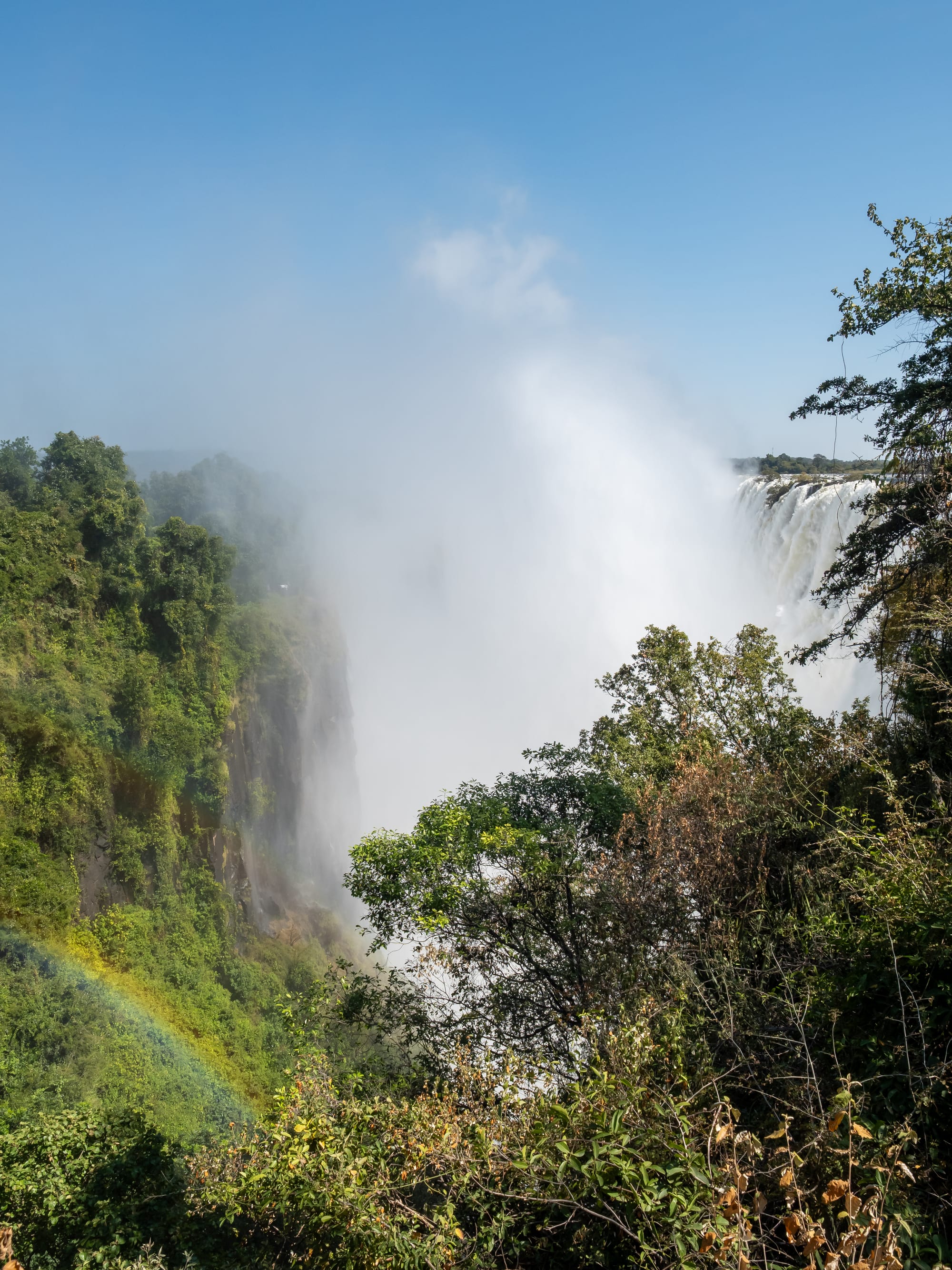
Zambia is a large, landlocked, high-plateau country in south-central Africa, with about 20 million people and more than 70 ethnic groups, and it is bound together — economically and, in many ways, politically — by copper. The Copperbelt, a strip of rich ore deposits along the border with the Democratic Republic of the Congo, has been the country's economic engine since the 1930s, and Zambia's history since is in large part the story of what happens to a state whose budget, employment and foreign exchange all depend on the world price of one commodity.
A short history
- 1st millennium CE
Bantu settlement
Iron-working, farming and cattle-keeping peoples spread across the plateau.
- 18th–19th c.
Kingdoms
The Lozi, Bemba, Chewa, Lunda and other states; the ivory and slave trades.
- 1890s
The BSA Company
Cecil Rhodes's chartered company signs treaties and takes control.
- 1924
Northern Rhodesia
The British government takes over from the Company.
- 1930s
The Copperbelt opens
Large-scale copper mining begins; migrant labour and mine towns.
- 1953–1963
The Central African Federation
Northern and Southern Rhodesia and Nyasaland are joined; Africans oppose it.
- 1964
Independence
Kenneth Kaunda becomes the first president of Zambia.
- 1972–1991
One-party state
Kaunda's UNIP is the sole legal party; "Zambian humanism".
- 1991
Multiparty return
Frederick Chiluba defeats Kaunda in a peaceful election.
- 2020
Debt default
Zambia becomes the first African country to default in the Covid era.
Kingdoms and the Company
Bantu-speaking peoples settled the plateau over the first millennium CE, and by the 18th and 19th centuries several substantial states had formed: the Lozi kingdom on the Zambezi flood plain in the west, with its elaborate seasonal migration; the Bemba in the north-east; and Chewa, Lunda and other polities, many drawn into the long-distance trade in ivory, copper and enslaved people that ran to the Indian Ocean and the Atlantic. In the 1890s Cecil Rhodes's British South Africa Company signed treaties with rulers such as the Lozi king Lewanika and, backed by a royal charter, took administrative control of the territory it called Northern Rhodesia, running it as a business until the British Colonial Office assumed responsibility in 1924.
Copper, Federation, and independence
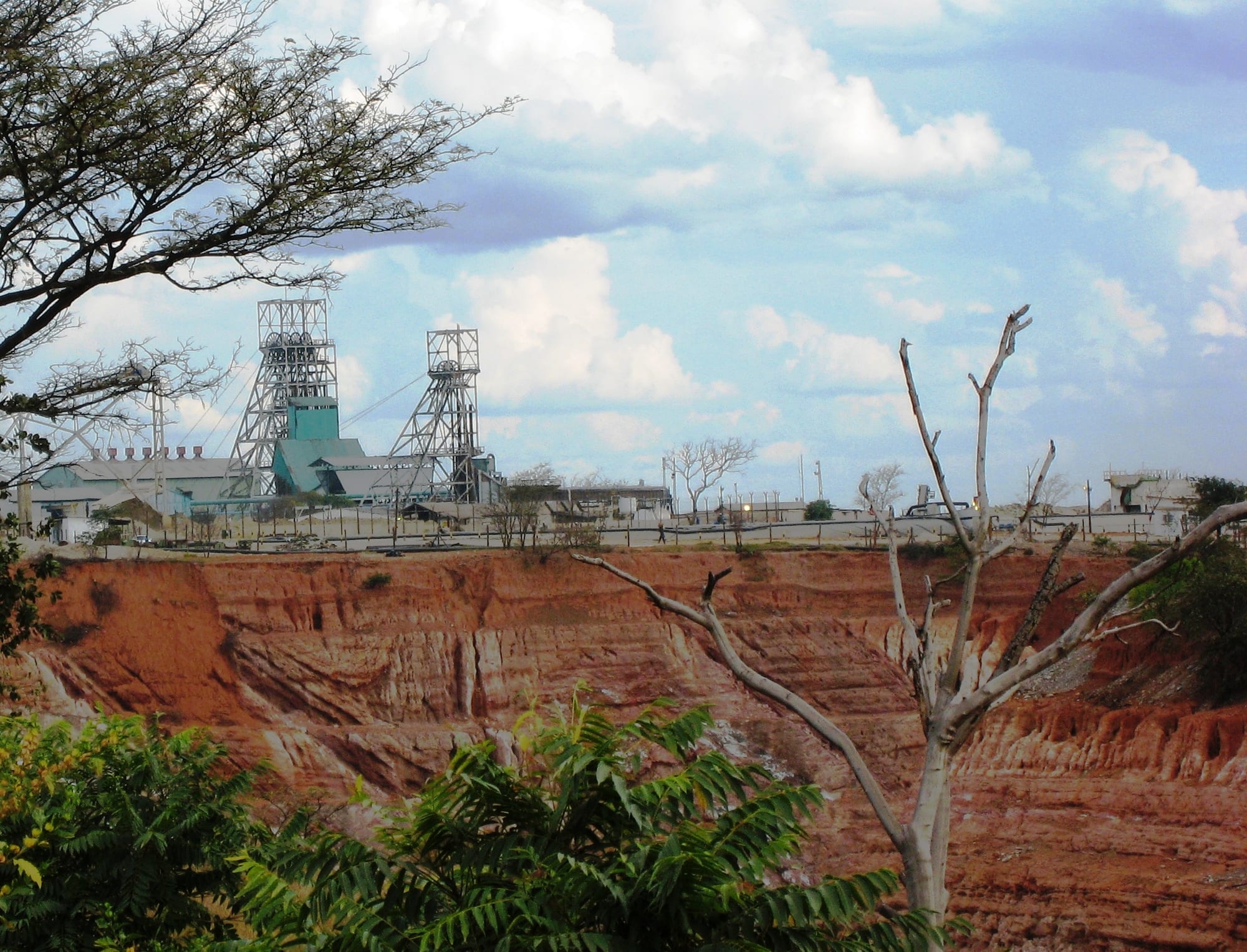
The opening of the Copperbelt in the late 1920s and 1930s transformed Northern Rhodesia: copper exports, mine compounds, a unionised African workforce (whose 1935 and 1940 strikes were milestones in African labour history), and a small white settler population concentrated along the "line of rail". In 1953 Britain merged Northern Rhodesia, Southern Rhodesia and Nyasaland into the Central African Federation, which Africans across all three territories opposed as a device to extend white-settler power. Sustained nationalist agitation, led in Northern Rhodesia by Kenneth Kaunda's United National Independence Party, broke the Federation in 1963, and Northern Rhodesia became independent as the Republic of Zambia on 24 October 1964.
Kaunda's Zambia
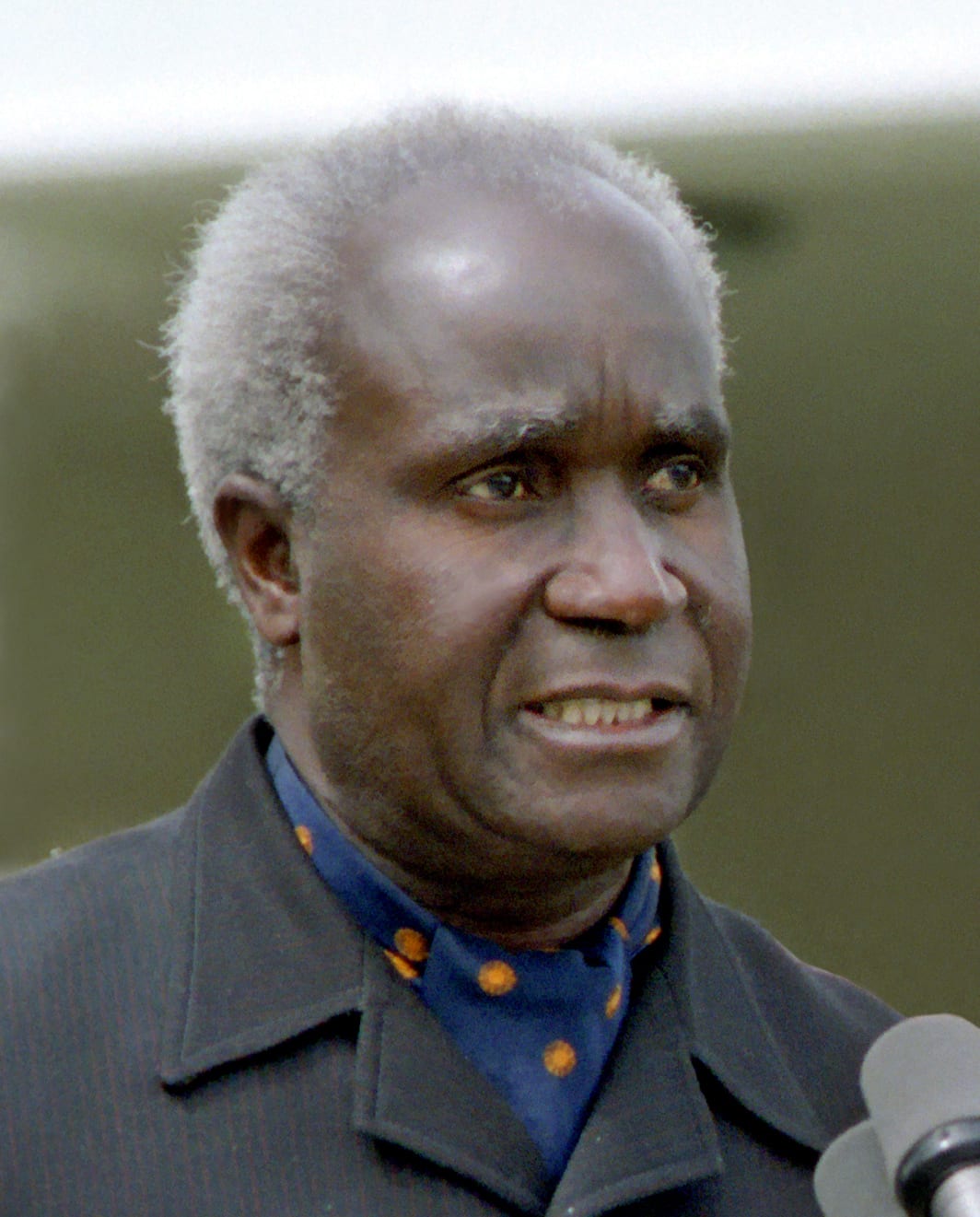
Kaunda's government inherited a country with a relatively strong economy but very few trained Zambians — at independence there were only a handful of university graduates — and it invested heavily in education and health. High copper prices in the 1960s funded expansion; the state took majority control of the mines in 1969–70. But the 1973 oil shock and a long slide in copper prices, combined with the cost of supporting liberation struggles in Rhodesia, Angola, Mozambique and Namibia (and the retaliation and border closures that came with it), pushed Zambia into deepening debt and decline. Kaunda banned opposition parties in 1972, governing through UNIP and a doctrine of "Zambian humanism", and clung on as living standards fell. Food-price riots and a wave of pro-democracy pressure across Africa forced him to restore multiparty politics, and in 1991 he lost a free election to the trade unionist Frederick Chiluba and stepped down.
The multiparty era
Chiluba's government privatised the mines and much of the economy under IMF and World Bank programmes — painful in the short term, with mass job losses on the Copperbelt, but it coincided with a debt-relief deal in 2005 and a China-driven commodity boom that revived copper output and growth through the 2000s and 2010s. Politics has remained genuinely competitive, with several peaceful transfers of power between parties — including the 2021 election, in which the opposition's Hakainde Hichilema defeated an incumbent. The recurring problems are structural: a budget and currency still hostage to the copper price, heavy borrowing (Zambia defaulted on its external debt in November 2020 and spent years restructuring it), persistent poverty and inequality despite the mineral wealth, and debate over the terms of large Chinese loans and investments.
What Zambia carries
Zambia was assembled by a mining company around a copper belt, and copper has been its blessing and its trap ever since: it built the towns, the railways and the schools, and it has repeatedly taken them hostage when the price fell — in the 1970s under Kaunda, on the Copperbelt in the 1990s, and in the 2020 debt crisis. The country's real achievement has been political: a multiparty democracy that, unlike many of its neighbours, keeps changing its government by election.