Food · Zambia
Zambia: Food and the National Dish
A stiff maize porridge eaten with the hands, paired with a relish that changes with whatever's fresh
By Worldlore Editorial · 16 September 2026
A cuisine built around one staple and an ever-changing relish
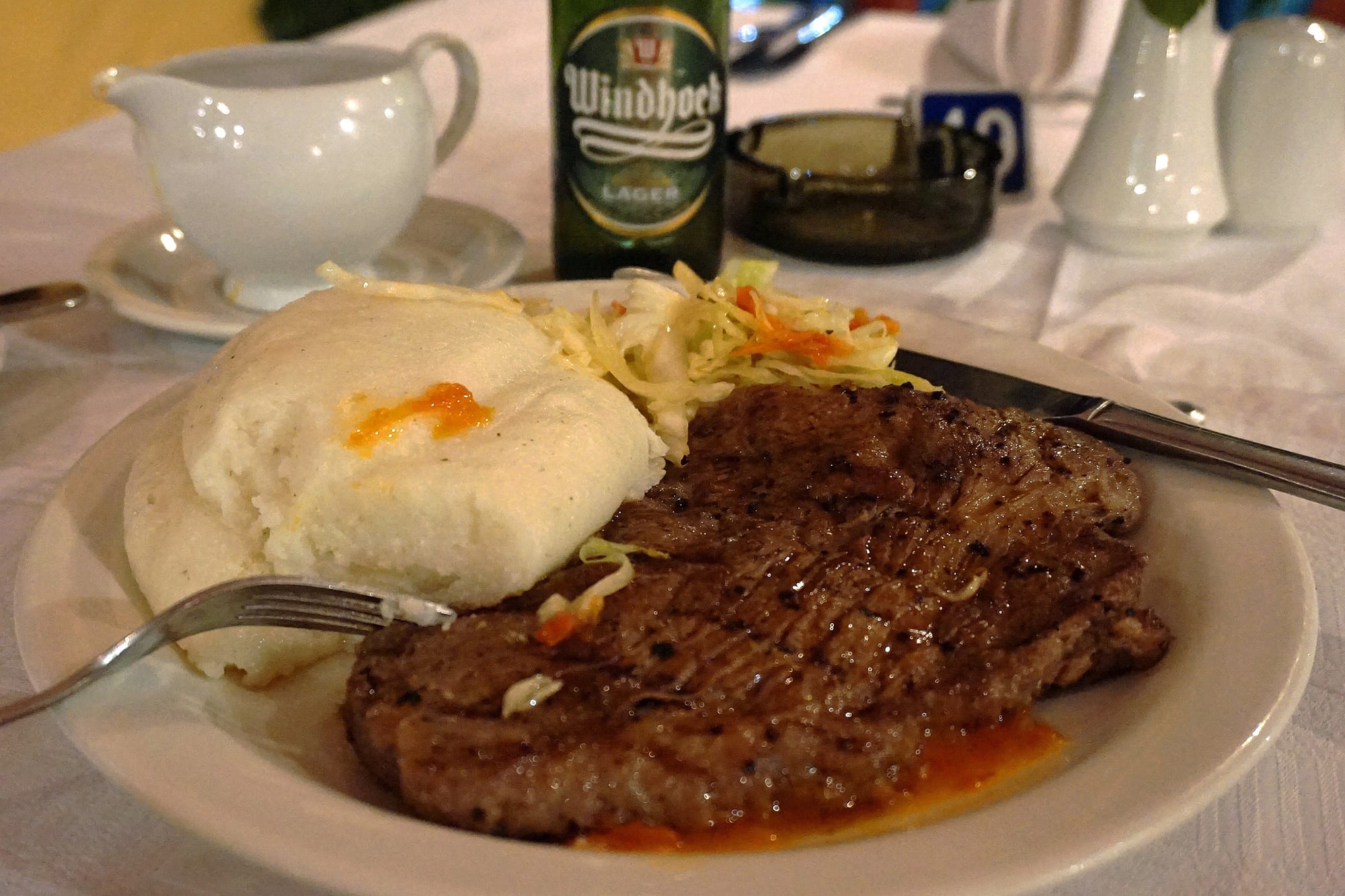
Zambian food centres on nshima, a stiff maize porridge eaten daily across the country, paired with a relish that genuinely changes depending on the season and what's available, from leafy greens to meat or fish, rather than following one fixed recipe.
The national dish: nshima
Nshima, maize flour cooked with water into a thick, dough-like porridge, shaped by hand into small balls and dipped into a relish, most often vegetables, beans, meat or fish, is Zambia's national dish. Eaten daily by most Zambian households and treated as a genuine measure of a proper meal, nshima is closely related to dishes found under different names, like ugali or sadza, across much of southern and eastern Africa.
Maize, greens and a genuinely adaptable pantry
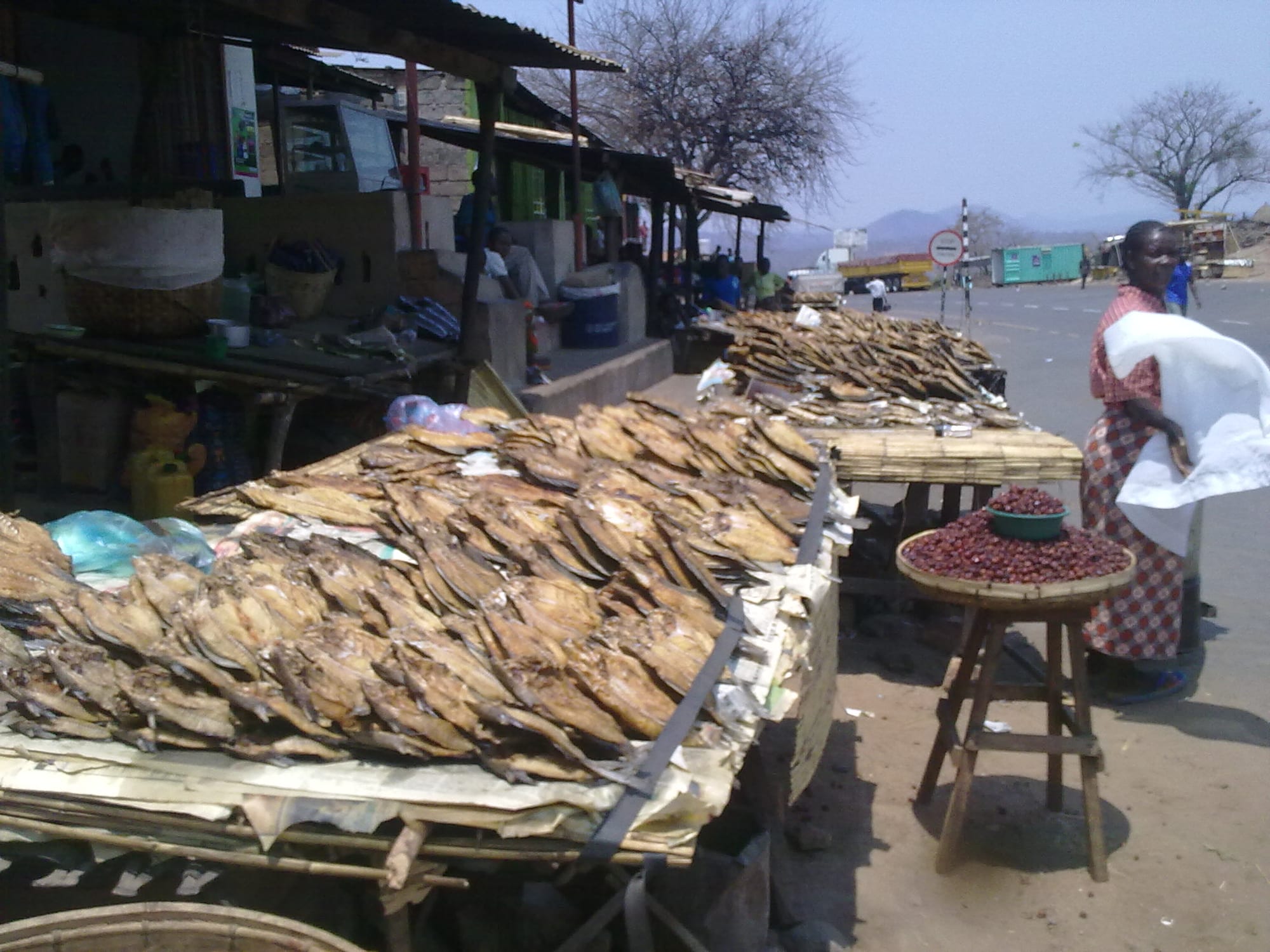
Maize, the true everyday staple ground into nshima, anchors most Zambian cooking, alongside a wide range of leafy greens, beans and groundnuts used across countless relishes. Fresh fish, given Zambia's substantial rivers and lakes, and beef round out a pantry that shifts with the seasons rather than staying fixed to particular ingredients.
History behind the staple
Maize became Zambia's dominant staple crop during the colonial era, gradually displacing earlier staples like sorghum and millet across much of the region, a shift that shaped nshima into the everyday dish it remains today. The relish accompanying nshima has always varied by season and household resources, a genuinely practical tradition of eating what's actually available rather than following one fixed recipe.
Dishes to know
Four more to recognise across Zambia:
- Ifisashi — vegetables cooked in a rich, ground peanut sauce, a
common relish.
- Kapenta — small dried fish, a genuine everyday protein source given
Zambia's lake fishing industry.
- Village chicken — free-range chicken, prized for its flavour
compared with commercially farmed poultry.
- Village vegetables (chibwabwa, bondwe) — locally grown leafy
greens, cooked simply as a relish.
Drinks
Munkoyo, a traditional fermented drink made from roots and maize, is a genuine Zambian beverage, alongside Mosi, a locally brewed lager. Fresh fruit juices and tea are also commonly enjoyed.
Eating as a traveller
Vegetarians will find nshima served with vegetable or groundnut-based relishes manageable, though meat and fish are common accompaniments across much of everyday cooking. Tap water is not reliably safe outside major hotels; bottled water is the safer default. Trying nshima with a locally sourced relish, rather than at a tourist restaurant, offers a genuine taste of how most Zambians actually eat.
What to take from the table
Nshima, eaten daily and paired with whatever relish the season provides, is the dish that most directly reflects Zambian food: simple, adaptable, and central to what counts as a proper meal.