Attractions & Natural Wonders · Zambia
Zambia: Seven Attractions and Natural Wonders
Known as "The Smoke that Thunders" — one of the largest waterfalls on earth, a natural infinity pool perched right on its lip, and a national park regarded as the birthplace of the walking safari
By Worldlore Editorial · 20 September 2026
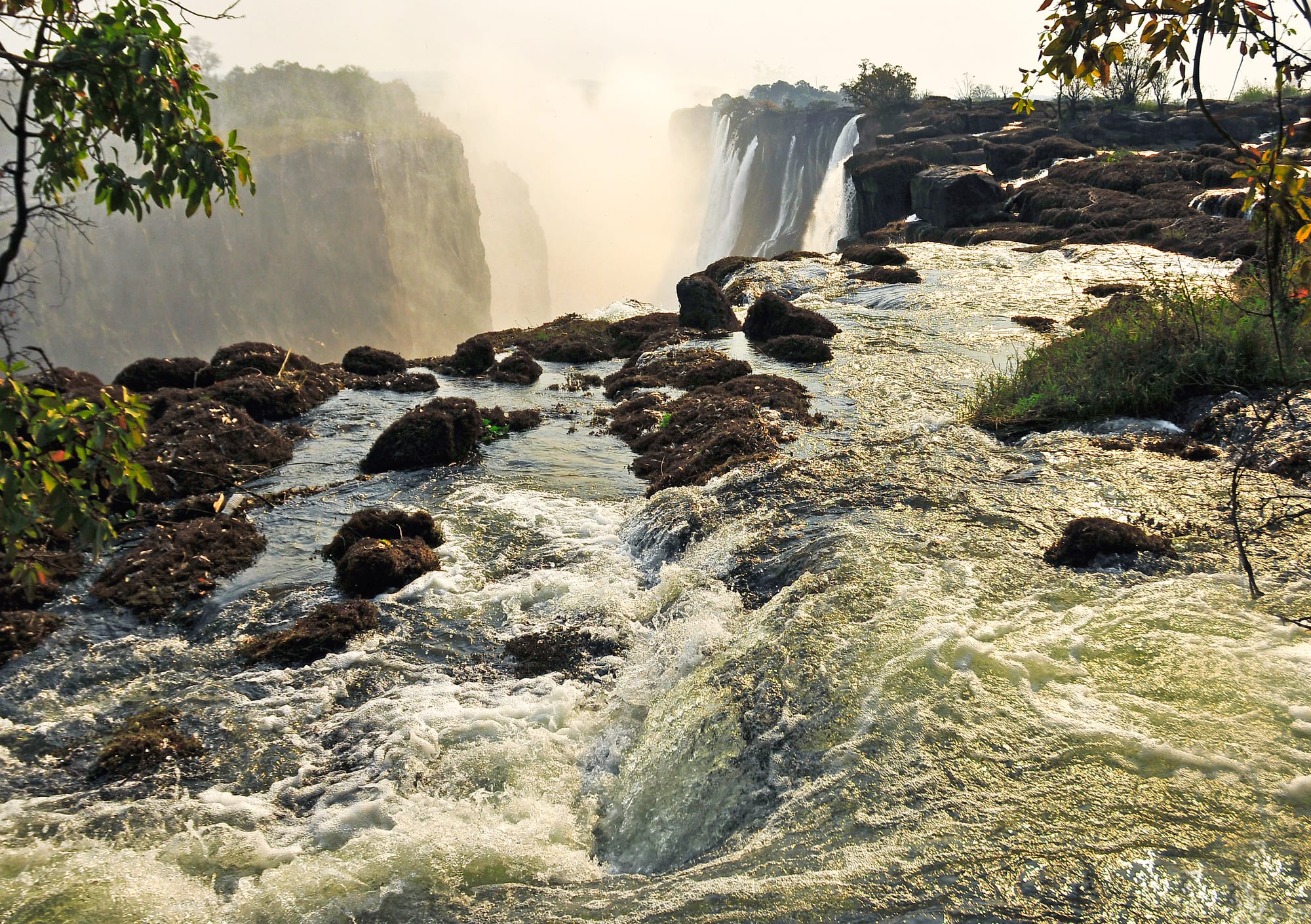
Home to "The Smoke that Thunders"
Zambia, landlocked in south-central Africa, shares one of the world's greatest natural wonders — Victoria Falls — with neighbouring Zimbabwe, while its own national parks are widely credited as the birthplace of the walking safari, a slower, more immersive style of wildlife viewing now practised across the continent. Away from the falls, the country's parks remain notably less crowded than better-known safari destinations further east and south.
The seven below run from Victoria Falls and the town of Livingstone to South Luangwa National Park and the capital, Lusaka. The dry season (roughly May to October) is generally the best time for wildlife viewing.
1. Victoria Falls

Victoria Falls, known locally as Mosi-oa-Tunya ("The Smoke that Thunders"), is one of the largest waterfalls in the world by the combined measure of height and width, sending a plume of spray visible from kilometres away. A UNESCO World Heritage Site shared with Zimbabwe, the Zambian side offers closer views of the main falls, especially during the high-water season.
2. Devil's Pool
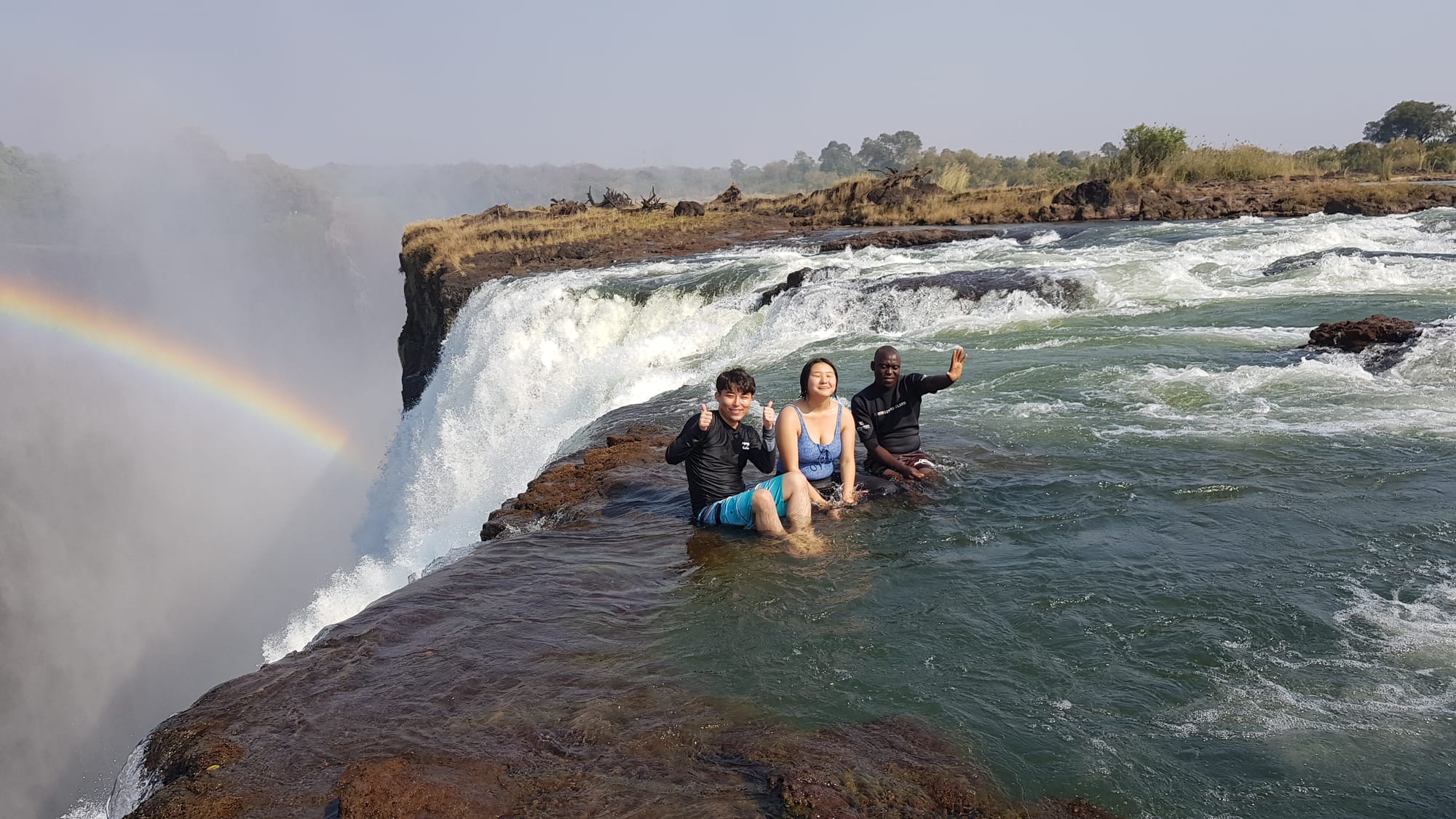
Devil's Pool, accessible only during the low-water season (roughly August to January) via a swim across to Livingstone Island, is a natural rock pool sitting right at the very edge of Victoria Falls, where a rock lip allows swimmers to peer directly over the drop with a level of safety that would be impossible without it — one of the more adrenaline-charged natural swimming experiences anywhere in the world.
3. South Luangwa National Park
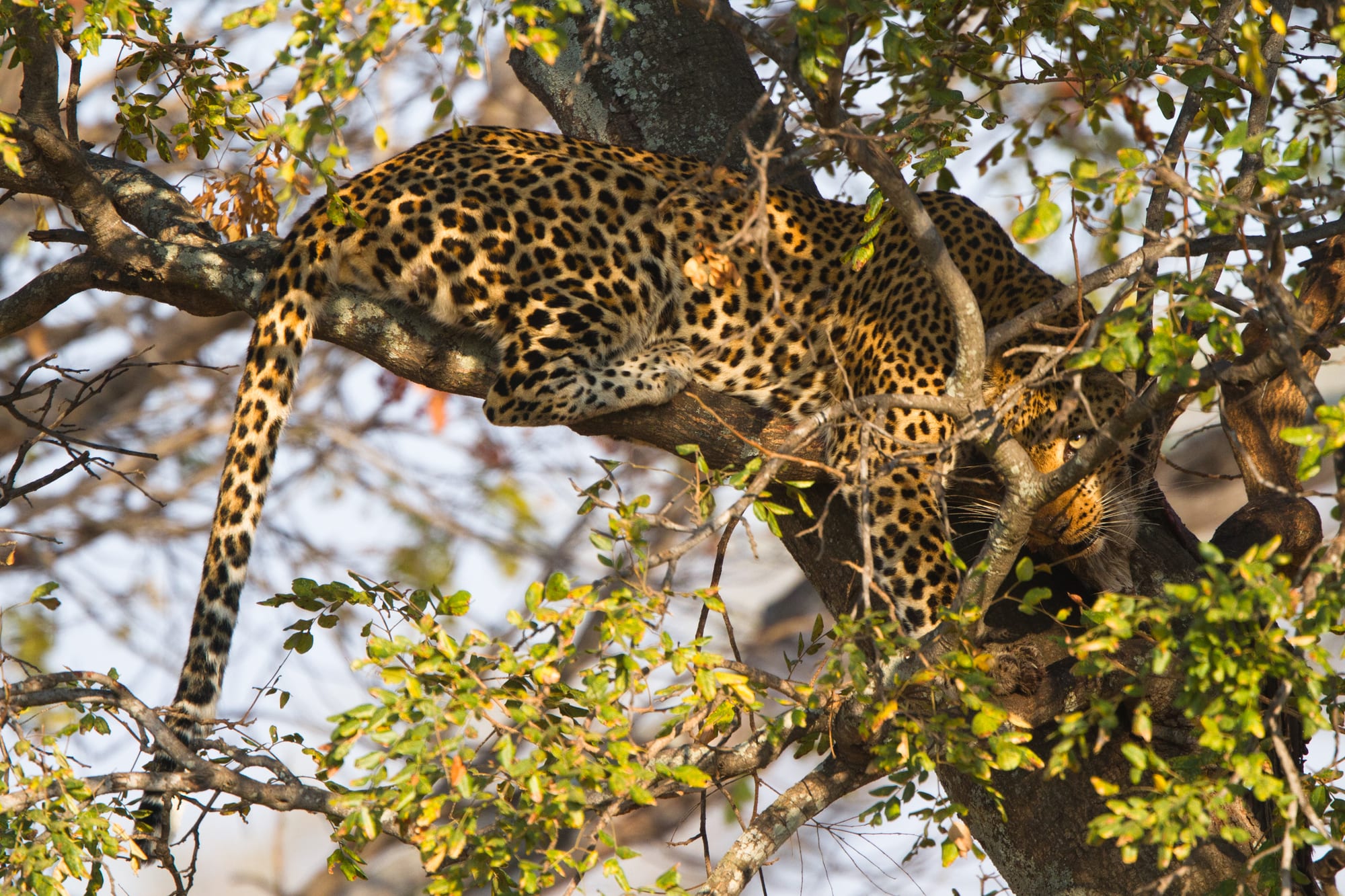
South Luangwa National Park, along the winding Luangwa River, is considered the birthplace of the modern walking safari, pioneered here in the 1950s by conservationist Norman Carr as an alternative to vehicle-based game viewing. Its dense wildlife populations, including significant leopard sightings, and relatively low visitor numbers compared with East African parks give it a distinctly immersive, less crowded safari experience.
4. Zambia's walking safaris
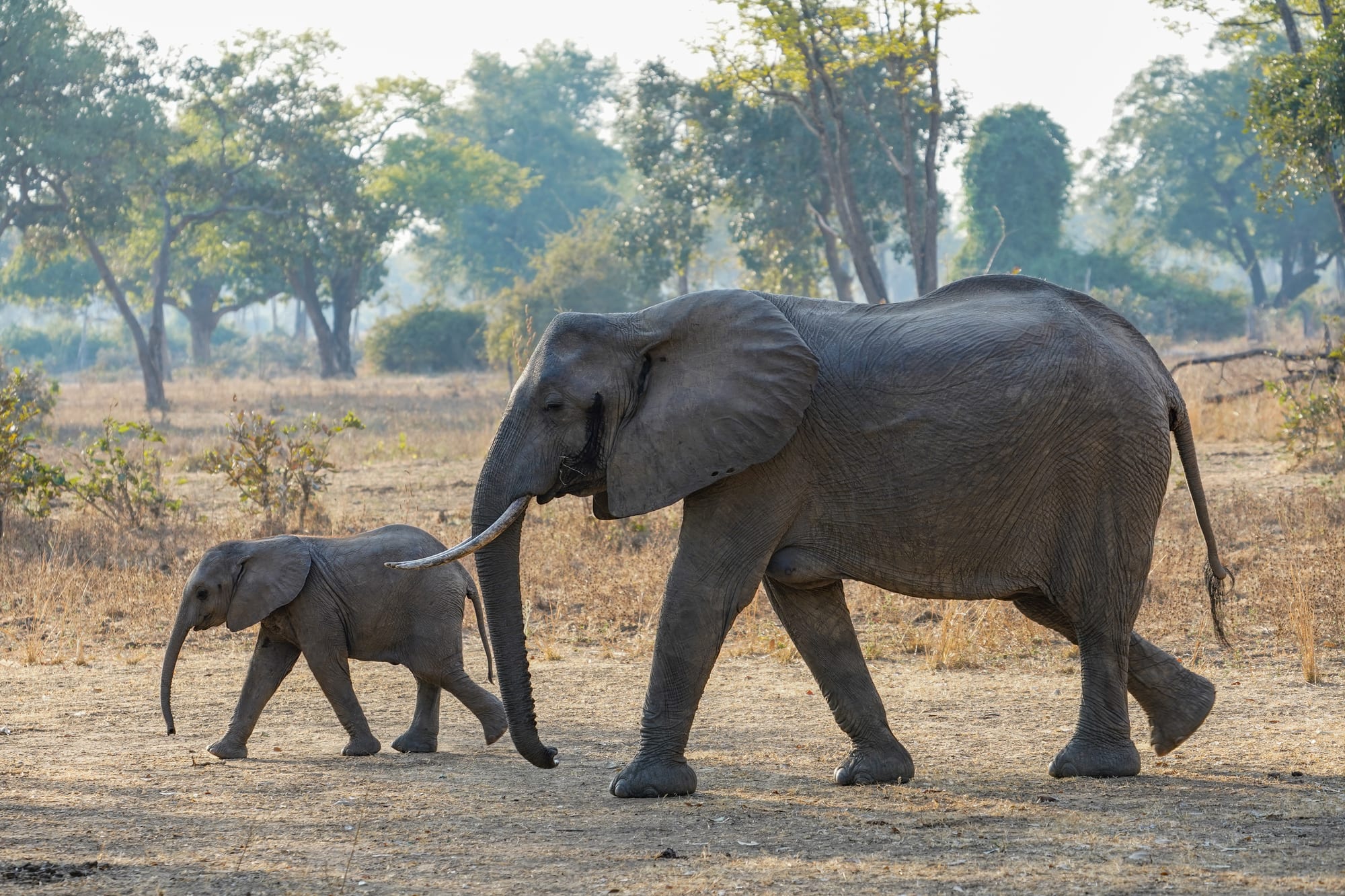
Walking safaris, guided by professional armed rangers, allow visitors to experience the bush at ground level rather than from a vehicle — tracking animal signs, learning about smaller flora and fauna often missed on drives, and gaining a different, more visceral sense of scale when encountering larger animals on foot.
5. Lusaka
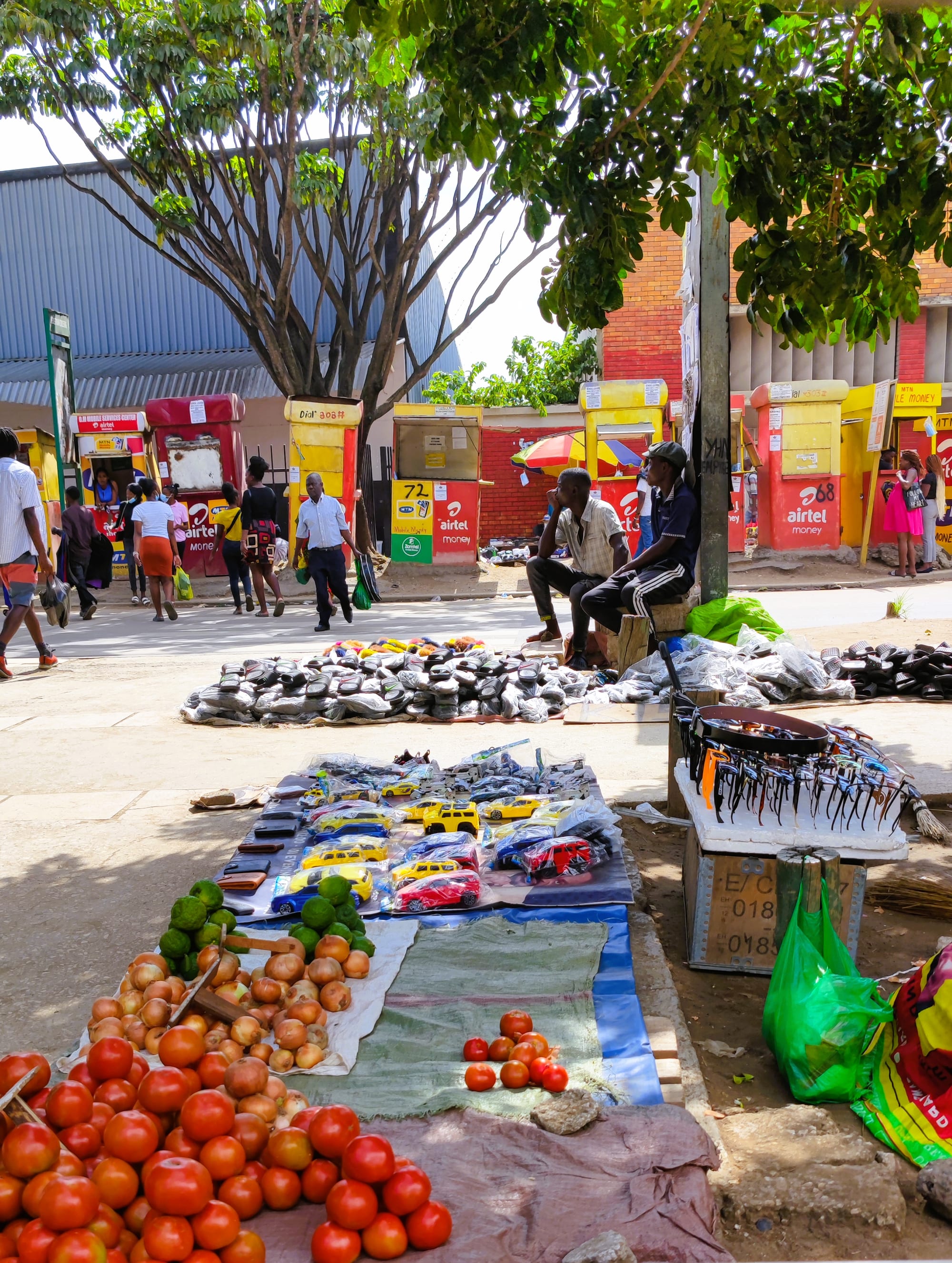
Lusaka, Zambia's capital, functions mainly as the country's political and commercial hub and the practical gateway for onward travel, holding relatively few tourist sights of its own compared with the natural attractions found at Victoria Falls and in the national parks further afield.
6. Kafue National Park
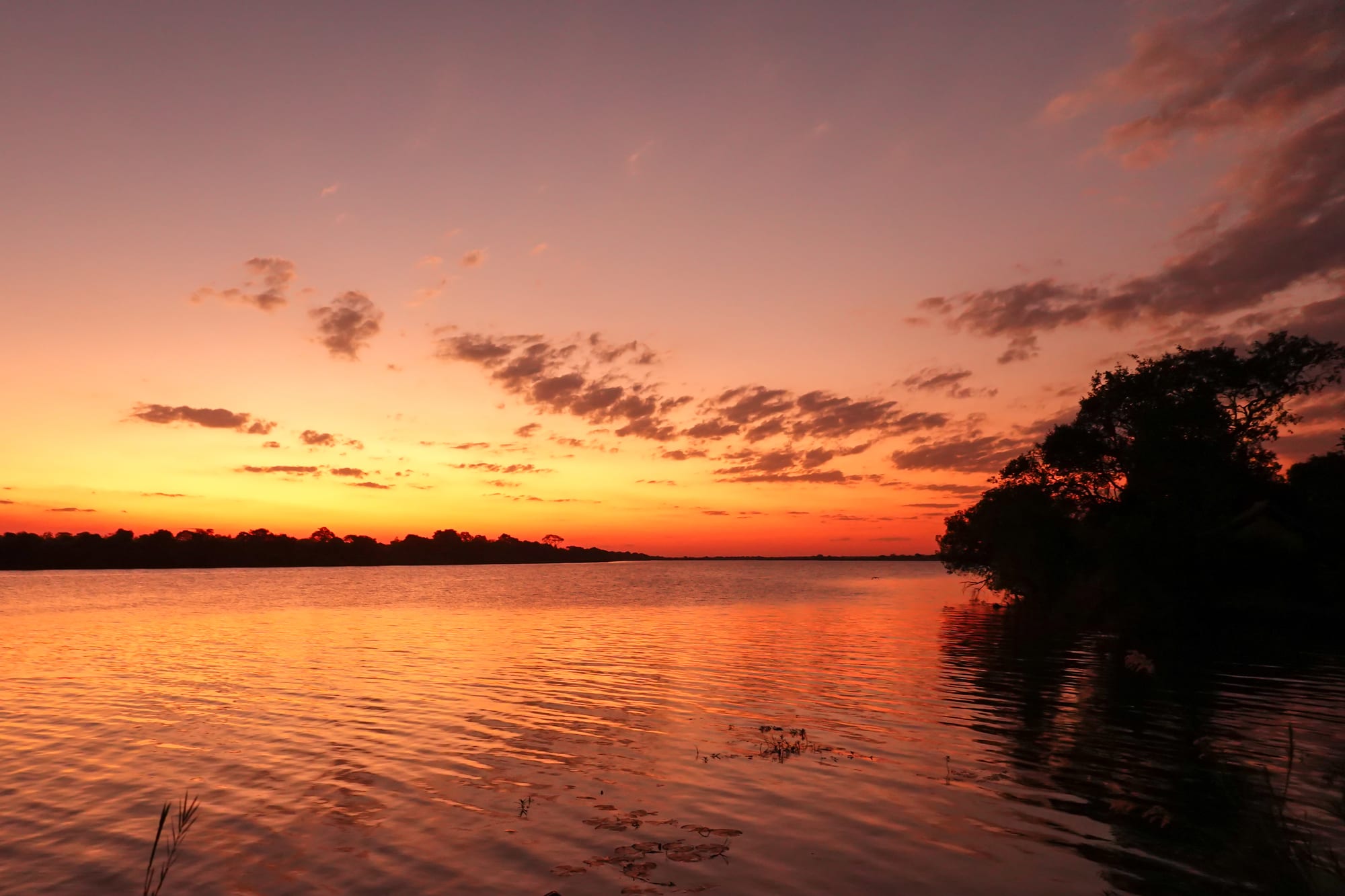
Kafue, Zambia's largest and oldest national park and one of the biggest in Africa, sees a fraction of the visitors of better-known East African reserves despite dense wildlife populations — lion, leopard, wild dog, and more than 500 recorded bird species across a mix of woodland, floodplain, and the Kafue and Lufupa rivers.
Its size and light visitor traffic make it a good match for travellers who want a genuine wilderness feel over a crowded game-drive circuit.
7. The Lower Zambezi
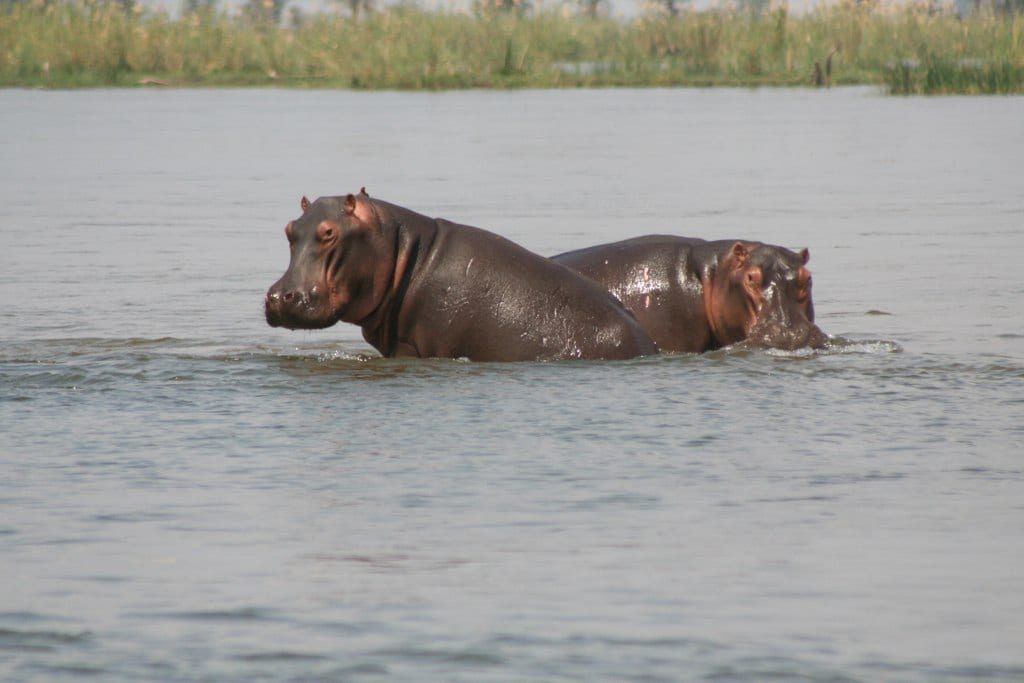
The Lower Zambezi National Park, across the river from Zimbabwe's Mana Pools, is best known for canoe safaris that put paddlers at eye level with hippos, crocodiles, and elephants that wade and swim between the river's islands — a quieter, more intimate style of safari than vehicle-based game viewing elsewhere in the region.
Walking safaris and fishing for tigerfish round out the park's appeal for repeat visitors to Zambia.
Zambia suits a trip combining a few days at Victoria Falls with a safari extension to South Luangwa or one of the country's other parks, with internal flights generally needed to connect the two regions.