Daily Life · Zambia
Zambia: After the Lights Came Back On
Three generations sharing a Copperbelt compound, a population still concentrated along the old line of rail to Livingstone, and a country whose ordinary day was, until recently, set by the hours the power was switched off
By Worldlore Editorial · 30 September 2026
Around 20 million people live in Zambia, much of the population concentrated along a corridor known as the line of rail, which follows the old colonial railway from Livingstone through the capital, Lusaka, to the Copperbelt towns of Kitwe and Ndola. Away from that corridor, much of the country is thinly settled bush and farmland, and the household, the market and the church still set the pace of an ordinary day. In recent years that pace picked up an extra layer of planning: severe, drought-driven power cuts, at their worst stretching to 21 hours a day, that taught households to know their electricity schedule the way they know the bus timetable.
Family and home life
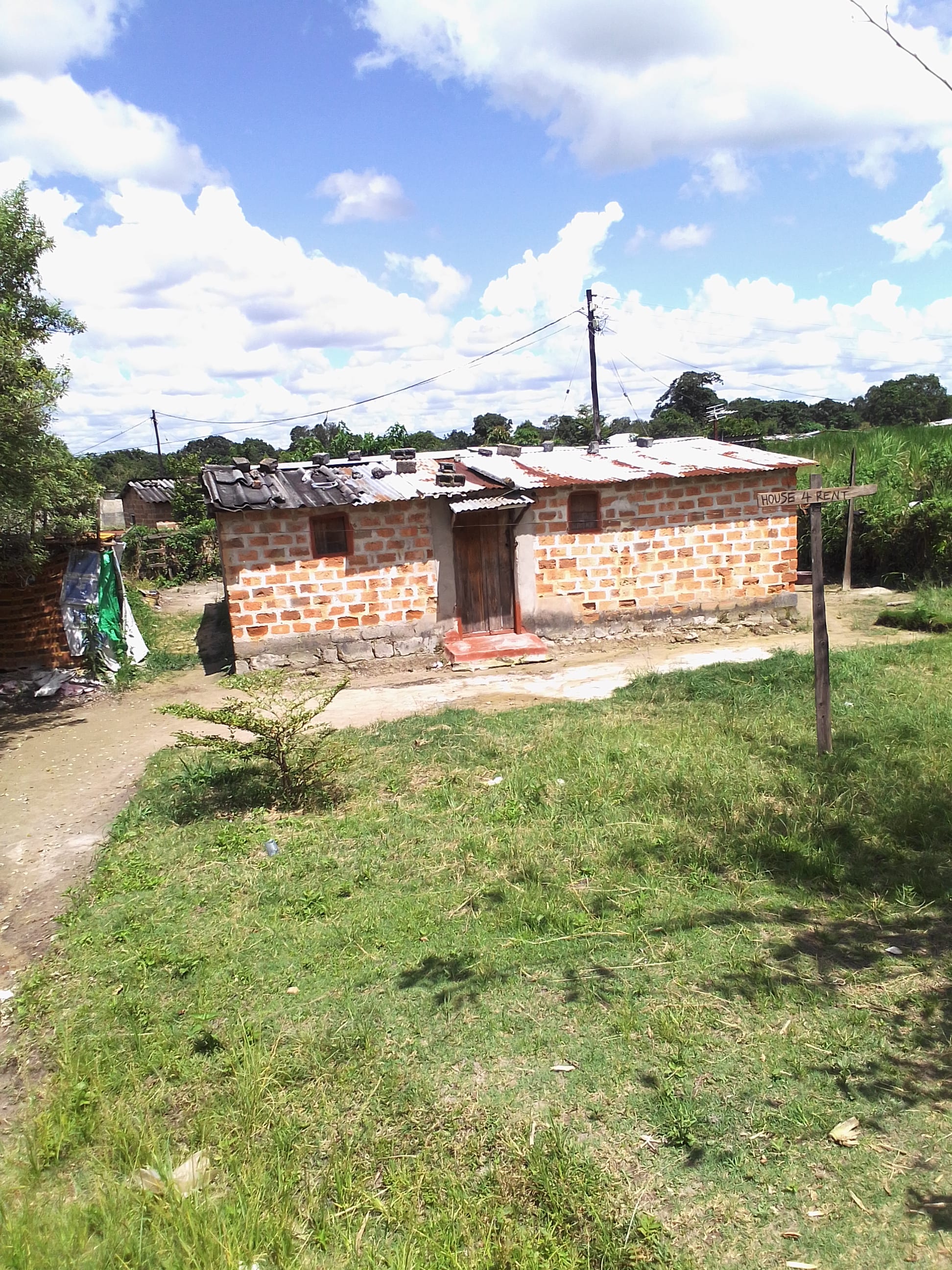
Zambian households are often large, and it remains common for grandparents, adult children and their own children to share the same plot, if not always the same roof. In towns and cities, a large share of residents live in what are known locally as compounds, low-cost and largely self-built neighbourhoods on the urban edge — in Lusaka alone, well over half the population lives in a compound of this kind. Houses there are typically single-storey, built from fired clay brick under a corrugated iron roof, extended and improved as money allows rather than finished all at once. Mornings start early in many households, since the first job of the day, especially without reliable mains water, is often fetching water or lighting a charcoal stove before the rest of the house wakes.
Work, school and the rhythm of the day
The standard working week generally runs Monday to Friday, and some employers add a Saturday morning. School follows its own fixed path: seven years of primary education, grades 1 to 7, followed by five years of secondary school split into junior and senior stages. For a large share of Zambians, though, the working day has little to do with an office or a school bell — agriculture and informal trade employ more people than the formal economy, and it is the maize field or the market stall, not a timesheet, that shapes when the day starts and ends. From 2024 an added constraint reshaped the day nationwide: because Zambia draws around 85 percent of its electricity from hydropower, and prolonged drought left Lake Kariba at a fraction of its normal level, households and businesses planned around published load-shedding schedules that, at their worst, cut power for up to 21 hours out of 24. By mid-2026 the state power company, ZESCO, said supply was stable and nationwide load-shedding was not expected to return, though the habit of planning around the power is slow to fade.
Community life and public spaces
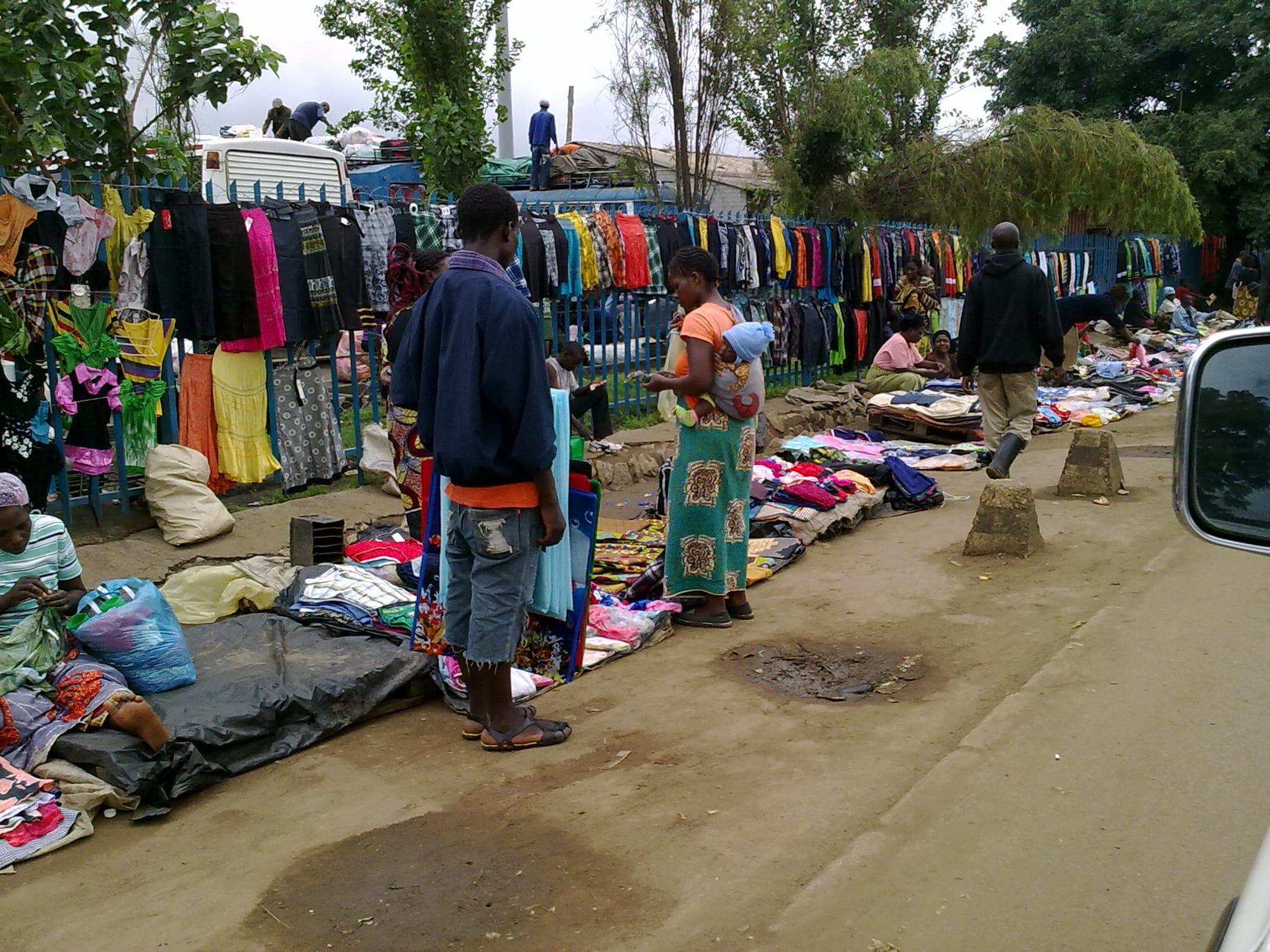
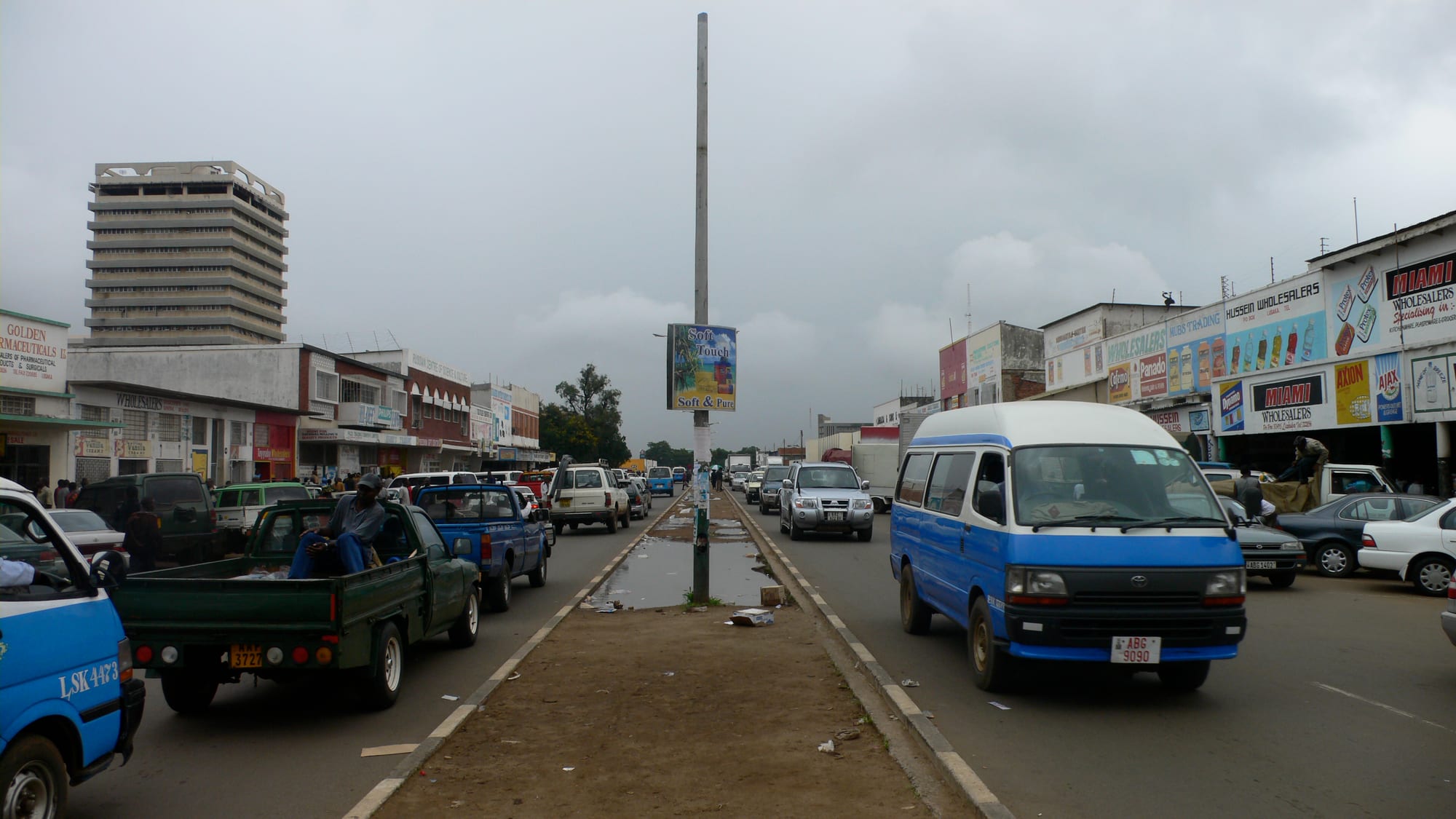
Markets are the country's everyday public square: fresh produce, dried kapenta fish, secondhand clothes and hardware are sold from block-built stalls or open tables, and a trip to the market is often the most social part of anyone's day. Shared minibuses, privately owned and run on informal routes rather than a fixed timetable, are the main way most people get around towns and between them, and the streets around any town centre are dense with roadside vendors, wholesalers and repair stalls. Churches anchor community life beyond commerce — Zambia is constitutionally a Christian nation, and Sunday services draw large, mixed congregations in cities and villages alike.
Free time and weekends
Sunday is the one day most Zambians share off work, built around church in the morning and extended family visits or a shared meal in the afternoon. Football is followed avidly nationwide, in person at local grounds and on television or radio wherever a signal, and these days electricity, allow it. Where households can afford it, weekend trips to visit relatives in a home village, sometimes hours away by bus, are common, reconnecting town-based family members with the rural home many still consider their real base.
A visitor's ordinary day
Zambia runs on a mix of cash and card: ATMs are reliable in Lusaka, Livingstone and the Copperbelt towns, but kwacha cash is still needed for markets, minibuses and rural areas, and US dollars are commonly used for park fees and safari lodges. Shops and markets generally trade from the morning into the early evening. Power cuts can still happen, even in hotels and guesthouses outside the top end, so a torch and a power bank are worth carrying as a matter of course. Public transport between towns runs on shared minibuses that leave once full rather than on a timetable, and journeys on the country's limited paved-road network can take longer than distance alone suggests.
What to take away
What defines an ordinary day in Zambia is less a single custom than how much still runs on improvisation around a fixed line — whether that is the historic line of rail that decided where most people would live, or the load-shedding schedule that until recently decided, hour by hour, when the lights were on.