Daily Life · Western Sahara
Western Sahara: Two Daily Lives Either Side of a Line
A disputed Atlantic desert territory where ordinary life now runs two very different ways — settled and coastal in the Moroccan-administered towns, tented and aid-dependent for the Sahrawi refugees still waiting, decades on, in camps across the Algerian border
By Worldlore Editorial · 30 September 2026
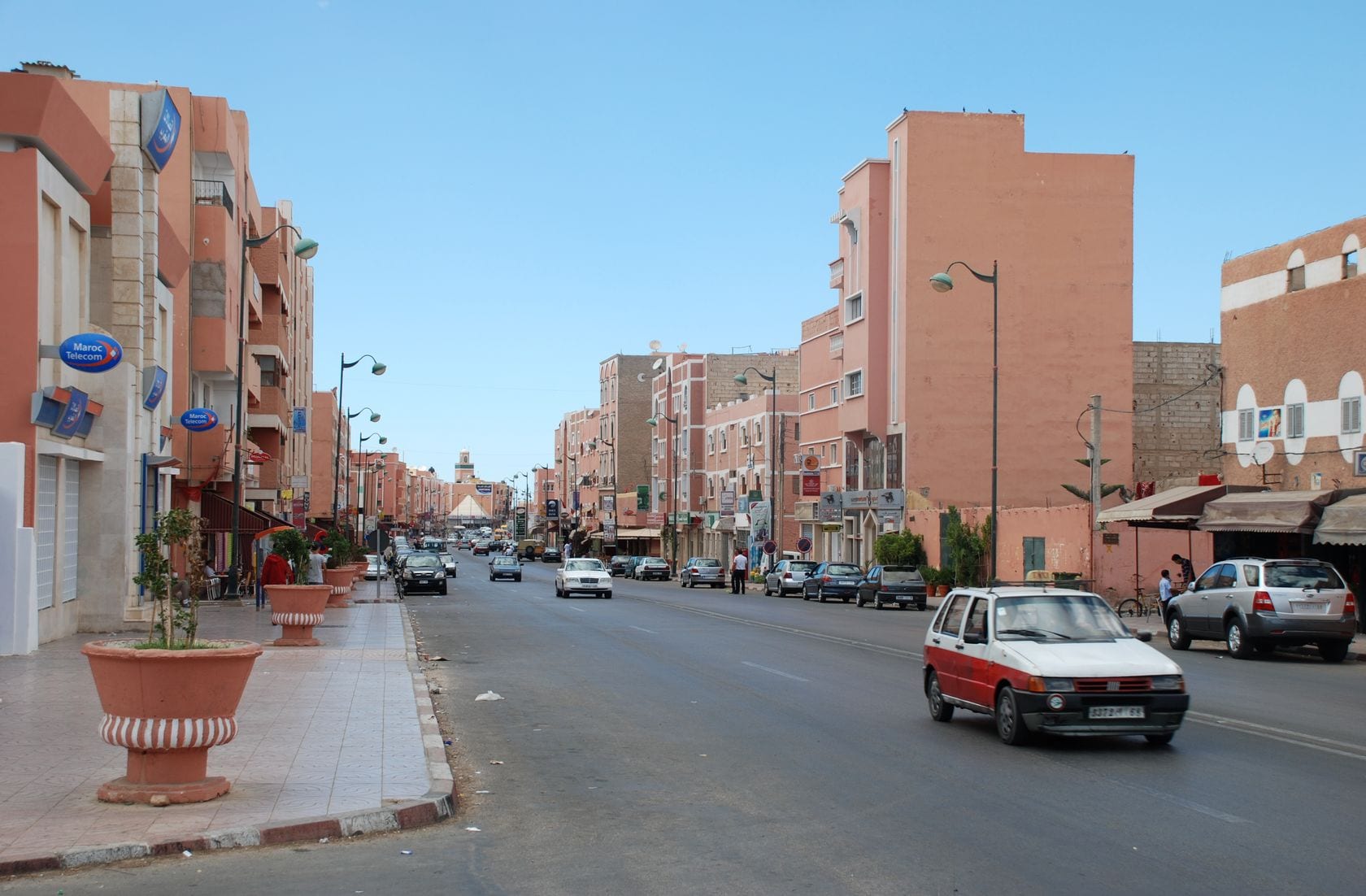
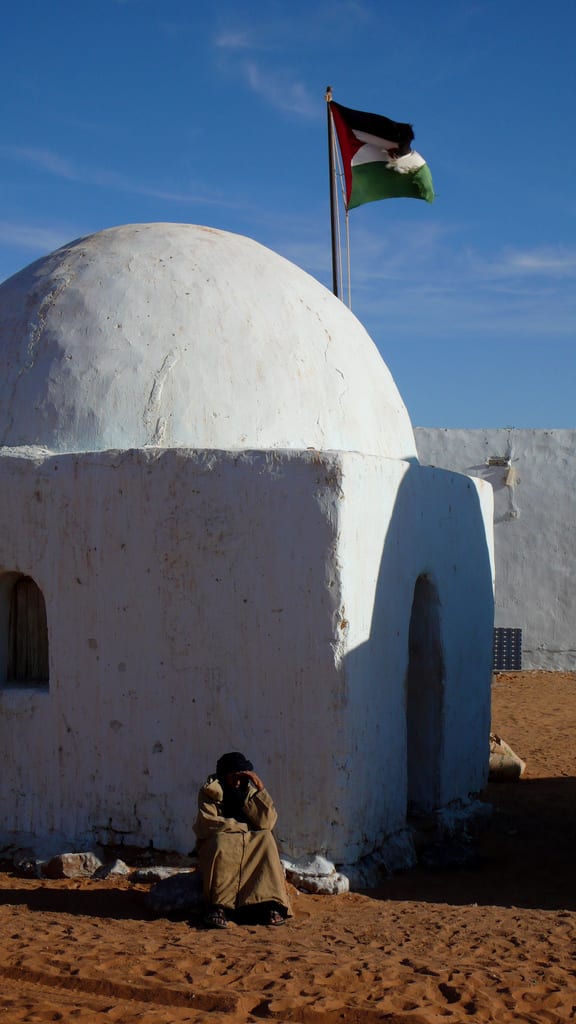
Western Sahara is, in practical terms, two different places to live an ordinary day in. Across the roughly 70 per cent of the territory that Morocco administers, home to the great majority of the population, daily life today looks much like that of a southern Moroccan coastal town: apartment blocks, shops, cafés and a settled urban rhythm. East of the sand berm that divides the territory, and further still in the five Sahrawi refugee camps near Tindouf, Algeria, tens of thousands of Sahrawis displaced since the 1970s continue to live largely in tents and simple adobe housing, dependent on international food aid, in a routine shaped by scarcity, heat and an unresolved wait rather than by a city's conveniences. Both are genuinely part of the story of daily life here today, and neither should be mistaken for the whole of it.
Family and home life
In the Moroccan-administered towns of Laayoune and Dakhla, most people, both long-settled Sahrawi families and the large population of Moroccan settlers drawn by state subsidies since the 1970s, live in ordinary apartments and houses much like those of southern Morocco, organised around the nuclear or lightly extended family. In the Tindouf refugee camps, by contrast, most households live in canvas tents or simple sand-brick huts without running water, arranged in districts and neighbourhoods whose administration Sahrawi women largely ran in the war years of the 1970s and 80s while many men were at the front. Camp households manage daily domestic life carefully around limited supplies, with food and water use planned rather than assumed, and with camp administration, health and education roles historically run largely by Sahrawi women, a lasting legacy of that founding period.
Work, school and the rhythm of the day
In Laayoune and Dakhla, the working day follows a fairly conventional pattern built around the Moroccan public sector, the Bou Craa phosphate operation, fishing, tourism and some agriculture, with state schooling available much as elsewhere in Morocco. In the refugee camps, formal employment is scarce, so daily activity centres on running the camp's own schools, clinics and distribution points, herding what livestock the camps support, and craft or small trade where possible, alongside a school system that is run by the camps' own authorities with aid-agency support and teaches tens of thousands of children across dozens of camp schools. Both populations share one constraint above all others: water, in a territory with almost no rainfall, shapes what the working day can actually involve, whether that means municipal supply in the coastal towns or trucked and rationed water in the camps.
Community life and public spaces
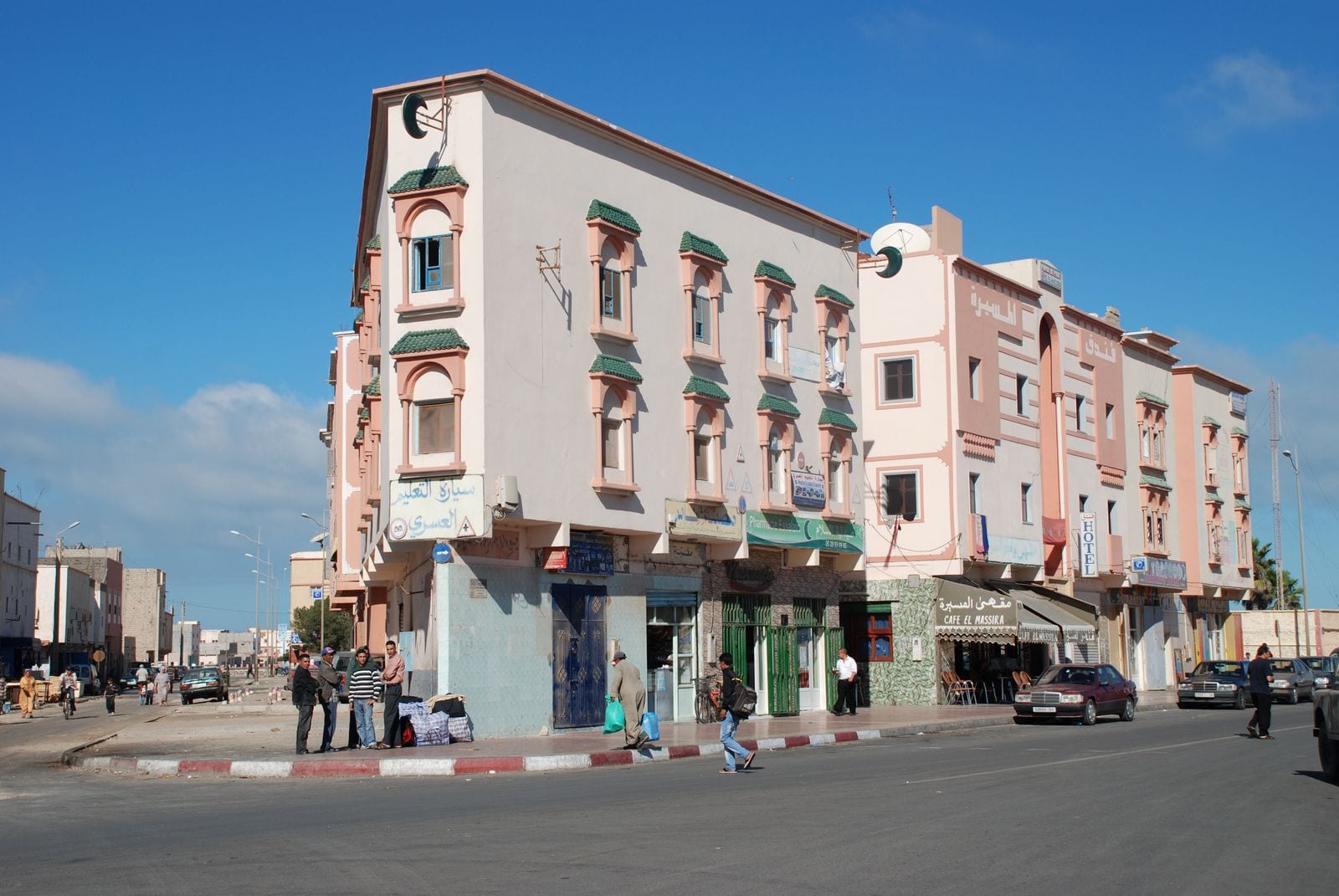
Laayoune and Dakhla function as genuine towns, with markets, cafés, mosques and central squares serving as the everyday public gathering points, alongside a heavy, visible security presence throughout the Moroccan-administered zone. In the refugee camps, the wilaya (camp) and its daily distribution points, camp radio and schools serve a similar function on a far more improvised scale, with camp life run largely by the refugees themselves rather than by an outside authority. Both communities share a strong tradition of tea hospitality, prepared in three ceremonial rounds, and of Hassaniya oral poetry, though the settings in which they are practised, a café terrace against a tented courtyard, could hardly look more different.
Free time and weekends
In the coastal towns, weekends bring café life, family visits, and, on Dakhla's lagoon, a growing kitesurfing scene that draws visitors from abroad even as most residents' own leisure stays closer to home. In the camps, free time centres on visiting family in neighbouring tents, following camp radio, and community and cultural events, including an annual international film festival held in the Tindouf camps that brings a rare flash of outside attention each year. Football is followed keenly in both settings, and in the camps in particular, sport and cultural activity are treated as a deliberate way of giving young people raised entirely in exile something to build an identity and a routine around.
A visitor's ordinary day
Realistic travel today means the Moroccan-administered coast: Laâyoune and Dakhla have hotels, restaurants and card acceptance much like southern Morocco, and the coastal highway is well used, with frequent police checks. Entry to the Sahrawi-run camps and the Polisario-administered zone requires prior arrangement through Sahrawi authorities from the Algerian side and is not something an independent traveller can simply turn up for. Everywhere near the sand berm that divides the territory, unexploded mines remain a real hazard decades after the fighting that placed them, so travel stays on the coastal road and in the towns, never off it toward the buffer strip.
What to take away
Western Sahara today holds two genuinely different ordinary days inside one disputed territory: a settled coastal life in the Moroccan-administered towns, and a tented, aid-dependent daily routine, now in its sixth decade, for the Sahrawi refugees still waiting in the camps near Tindouf.