Attractions & Natural Wonders · Wallis and Futuna
Wallis and Futuna: Five Attractions and Natural Wonders
A French territory that still crowns its own traditional king, a volcanic crater lake filling an extinct cone with startlingly still water, and two islands so remote that even other French Pacific territories consider them isolated
By Worldlore Editorial · 9 September 2026
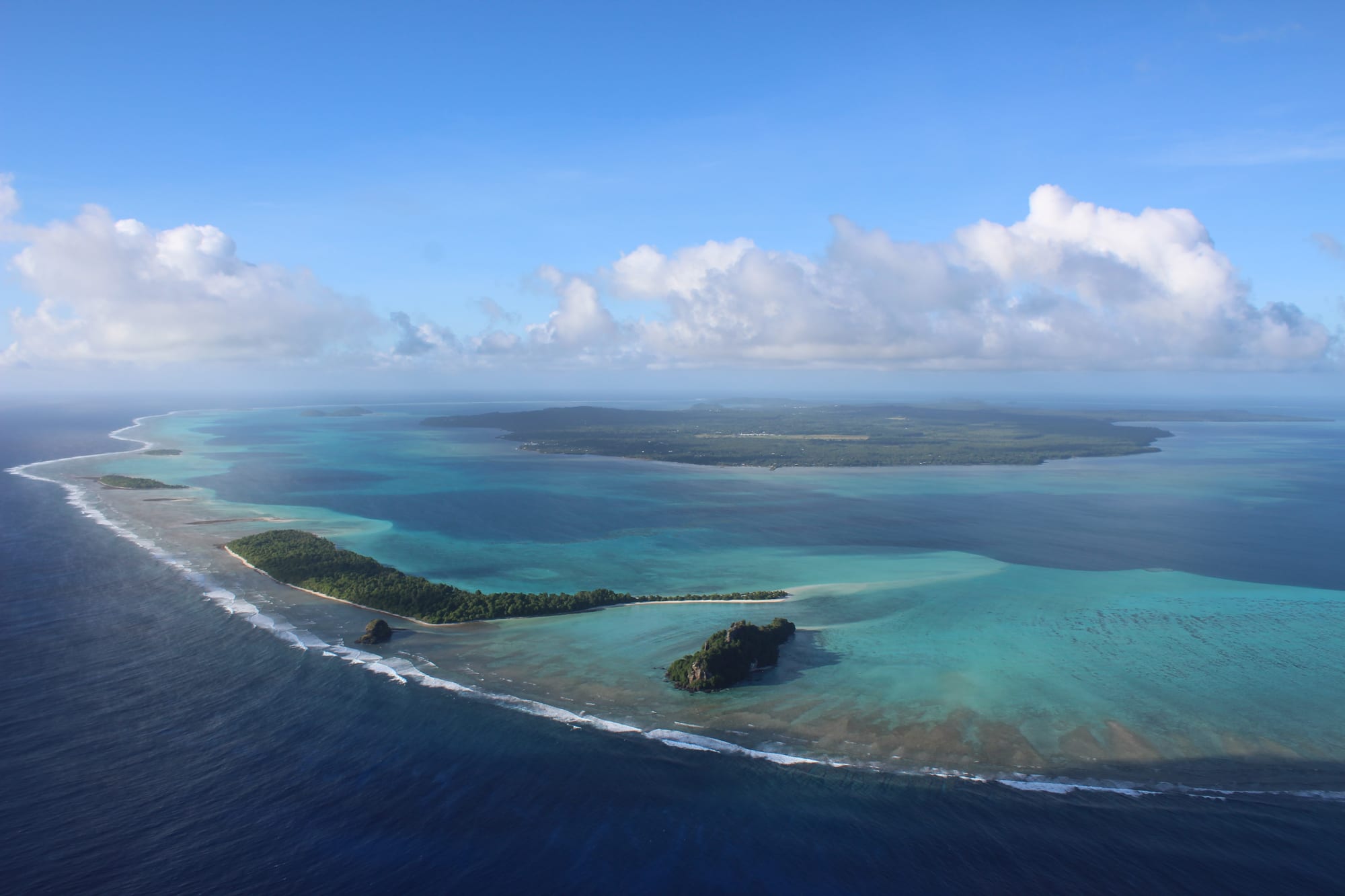
A French territory that still crowns its own kings
Wallis and Futuna, a French overseas territory made up of two small volcanic island groups in the South Pacific, remains one of the least internationally known corners of the French Republic — while formally French, both Wallis and Futuna retain their own traditional Polynesian monarchies, each with a reigning king (Lavelua on Wallis, and two separate kings on Futuna) who continues to hold real customary authority alongside the French administration.
The five below cover both main islands. Given the very limited tourism infrastructure and infrequent flights, a visit here suits travellers specifically drawn to little-visited corners of French Polynesia's wider region.
1. Mata-Utu
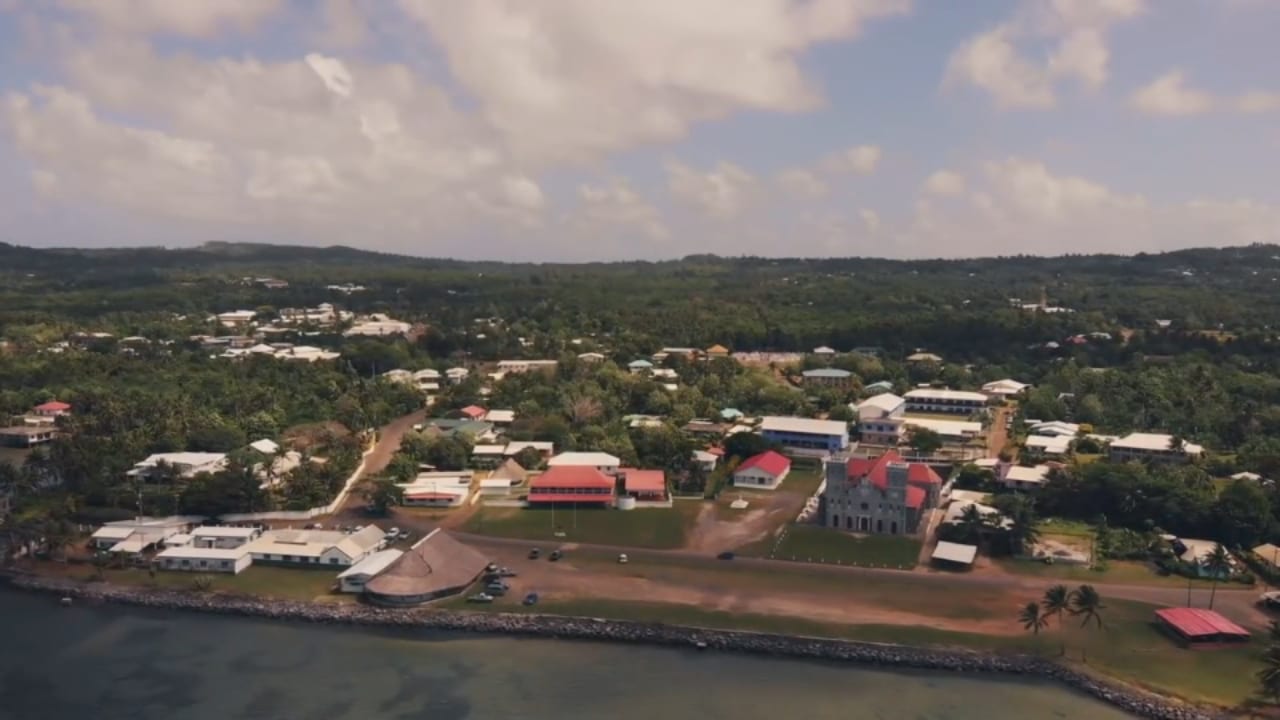
Mata-Utu, the territorial capital on Wallis Island, holds a cathedral, the territorial administrative offices, and the royal palace of the Lavelua, the traditional king of Wallis — a rare living example of a Polynesian monarchy still functioning today, with real ceremonial and customary authority recognised alongside French governance.
2. The Royal Palace
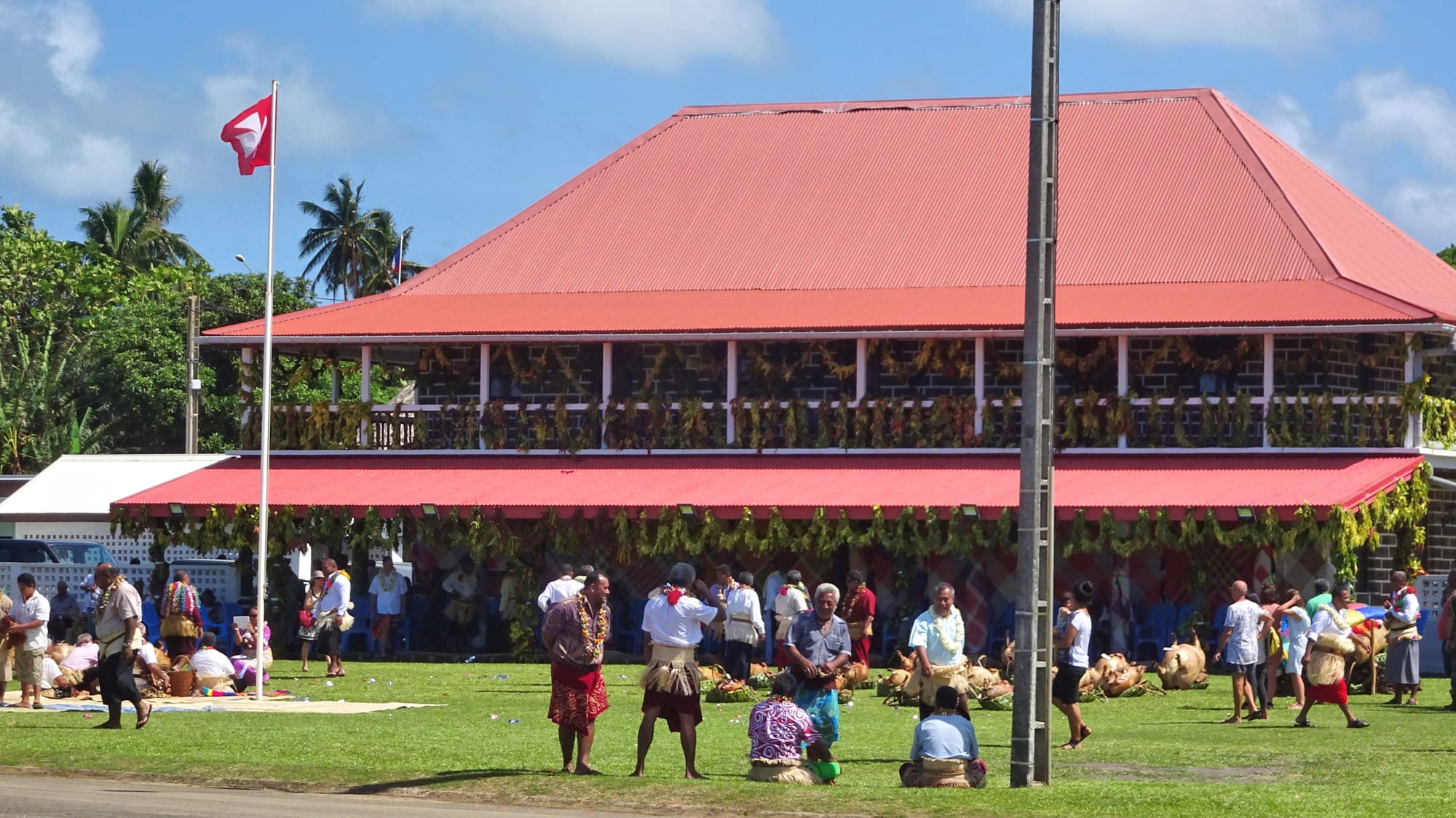
Wallis's traditional monarchy dates back centuries and survived both missionary contact and French colonisation intact, with the Lavelua still presiding over customary ceremonies, land matters, and community life alongside the modern French prefecture — an unusual dual system that remains central to local identity.
3. Lake Lalolalo
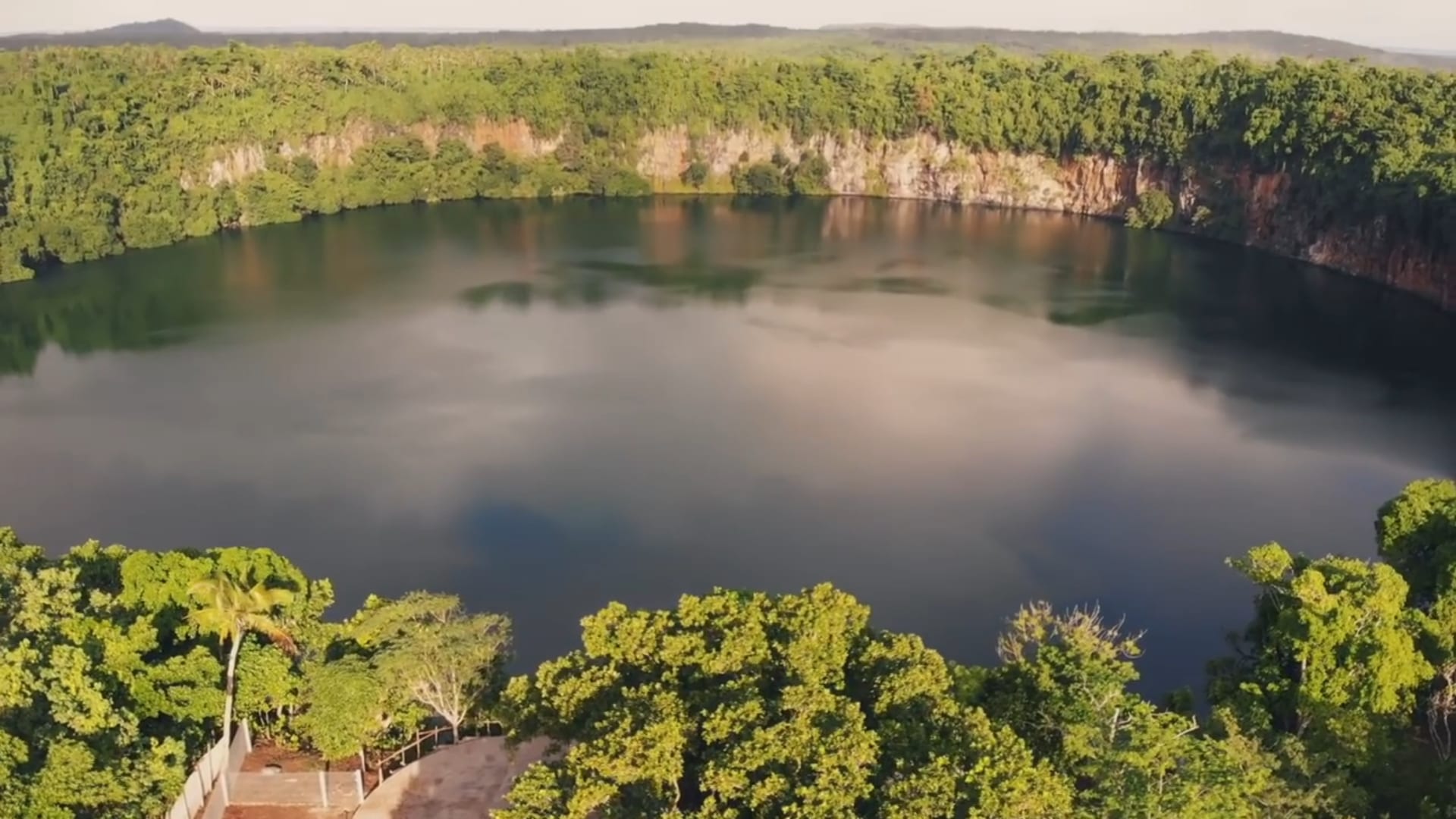
Lake Lalolalo, filling an extinct volcanic crater on Wallis Island, is strikingly circular and ringed by sheer cliffs dropping straight to the water's surface, its perfectly still, dark water giving it an almost otherworldly quality. Local legend holds the lake is inhabited by spirits, and it remains one of the island's most visited natural sites.
4. Futuna and Alofi
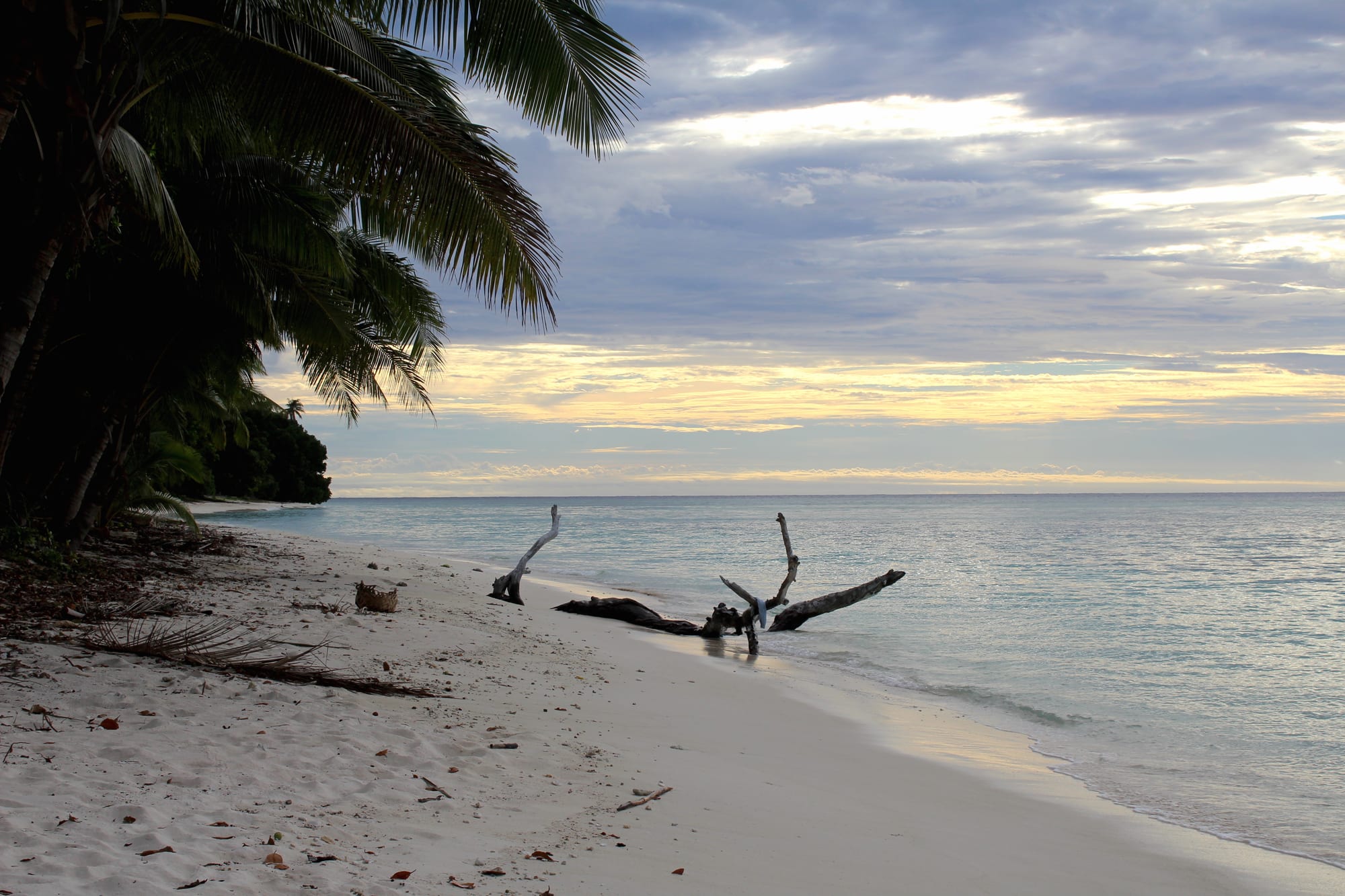
Futuna, a mountainous volcanic island roughly 200 kilometres from Wallis and reachable only by a small, infrequent flight, is even less visited than its sister island group. It holds its own two traditional kingdoms (Sigave and Alo) and a rugged, undeveloped landscape quite different from Wallis's flatter, lagoon-fringed terrain.
5. Futuna's rugged terrain
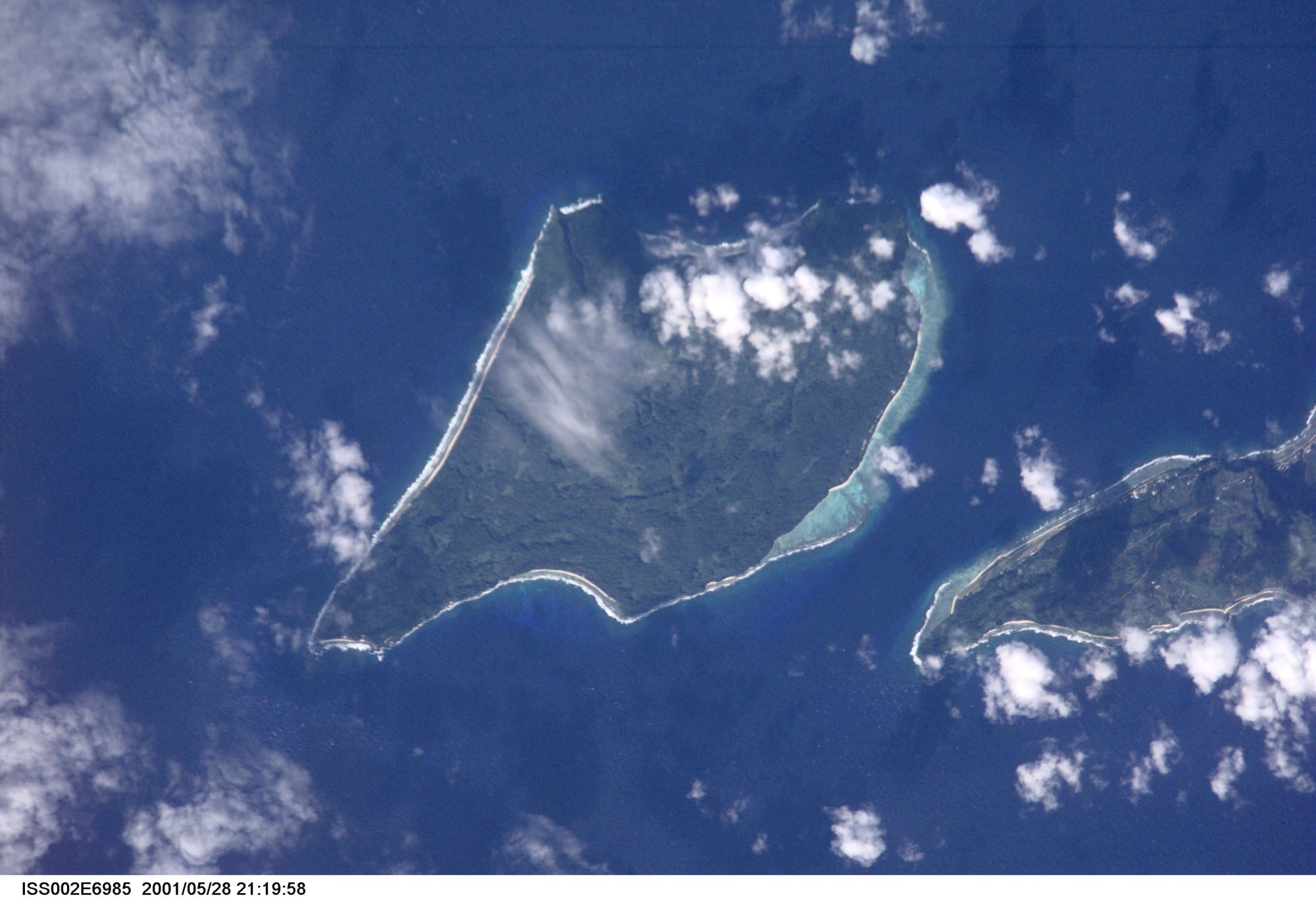
Futuna's steep, volcanic terrain leaves little flat land for agriculture or development compared with Wallis, giving the smaller island group an even more traditional, subsistence-based way of life, largely untouched by the limited tourism infrastructure found on Wallis itself.
Wallis and Futuna remain genuinely difficult to reach, served mainly by infrequent flights connecting to Nouméa (New Caledonia) or Fiji, and suit travellers specifically seeking one of the least-visited corners of the wider French Pacific rather than a conventional island holiday.