Daily Life · Wallis and Futuna
Wallis and Futuna: A Day Set by Church Bell and King
A French Pacific territory of some 11,000 people, organised around three surviving Polynesian kingdoms, where Sunday Mass and the customary chiefs still shape daily life more than the distant French state does
By Worldlore Editorial · 30 September 2026
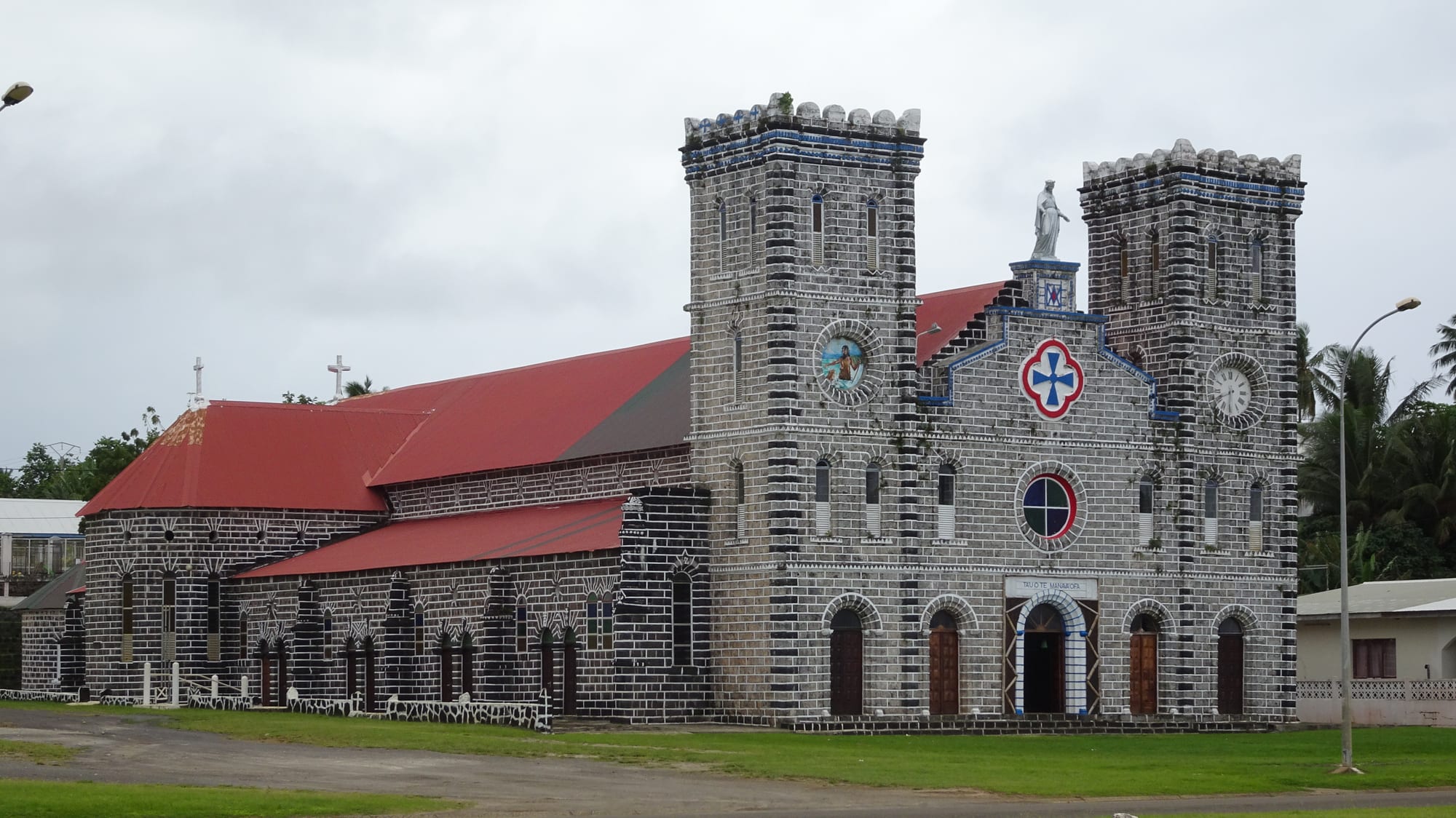
Wallis and Futuna, a French territory of around 11,000 people spread across two small Polynesian island groups, still runs less on the clock than on two older authorities: the Catholic Church and the three customary kingdoms that predate French rule. An ordinary day is set by the parish bell, by garden and fishing work timed to the tide and the heat, and by a deep, near-universal familiarity between neighbours that can make the territory feel like one large village rather than a country. Almost everyone here knows almost everyone else, and daily life is organised accordingly.
Family and home life
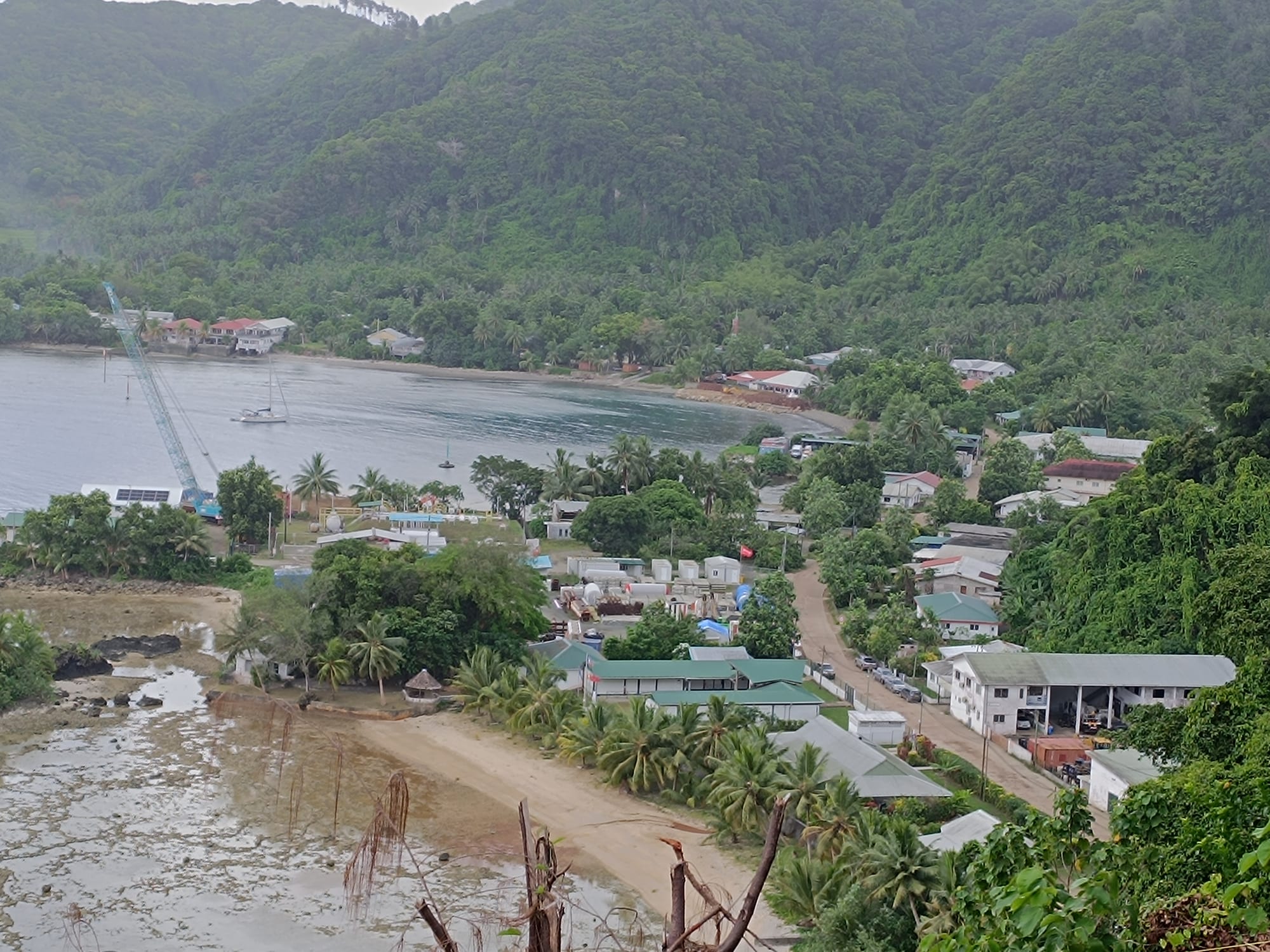
Extended family is the basic social unit, and a newborn is raised as much by the wider household as by its parents, with sisters, aunts and grandparents sharing in its daily care from the start. Multiple related families commonly live close together, and land itself is held under customary tenure rather than owned outright, which keeps households tied to a wider kin group rather than functioning as separate economic units. Most people live in and around a small number of villages on Wallis and, in smaller numbers, on Futuna, where houses cluster near the coast within easy reach of gardens, the church and the sea.
Work, school and the rhythm of the day
The territory has almost no private industry, and daily working life runs on three things: the French public sector, subsistence gardening of taro, yam and breadfruit, and fishing, supplemented by money sent home by relatives in New Caledonia and mainland France, where far more Wallisians and Futunans now live than on the islands themselves. The territory has 18 primary schools, 12 on Wallis and six on Futuna, schooling is compulsory under French law, and the Catholic Church remains closely involved in education alongside the state. With little formal employment available locally, leaving for further education or work, usually to New Caledonia, has become close to a rite of passage for young adults, and it is this steady departure, more than any single event, that has shaped the rhythm of island life over the past two generations.
Community life and public spaces
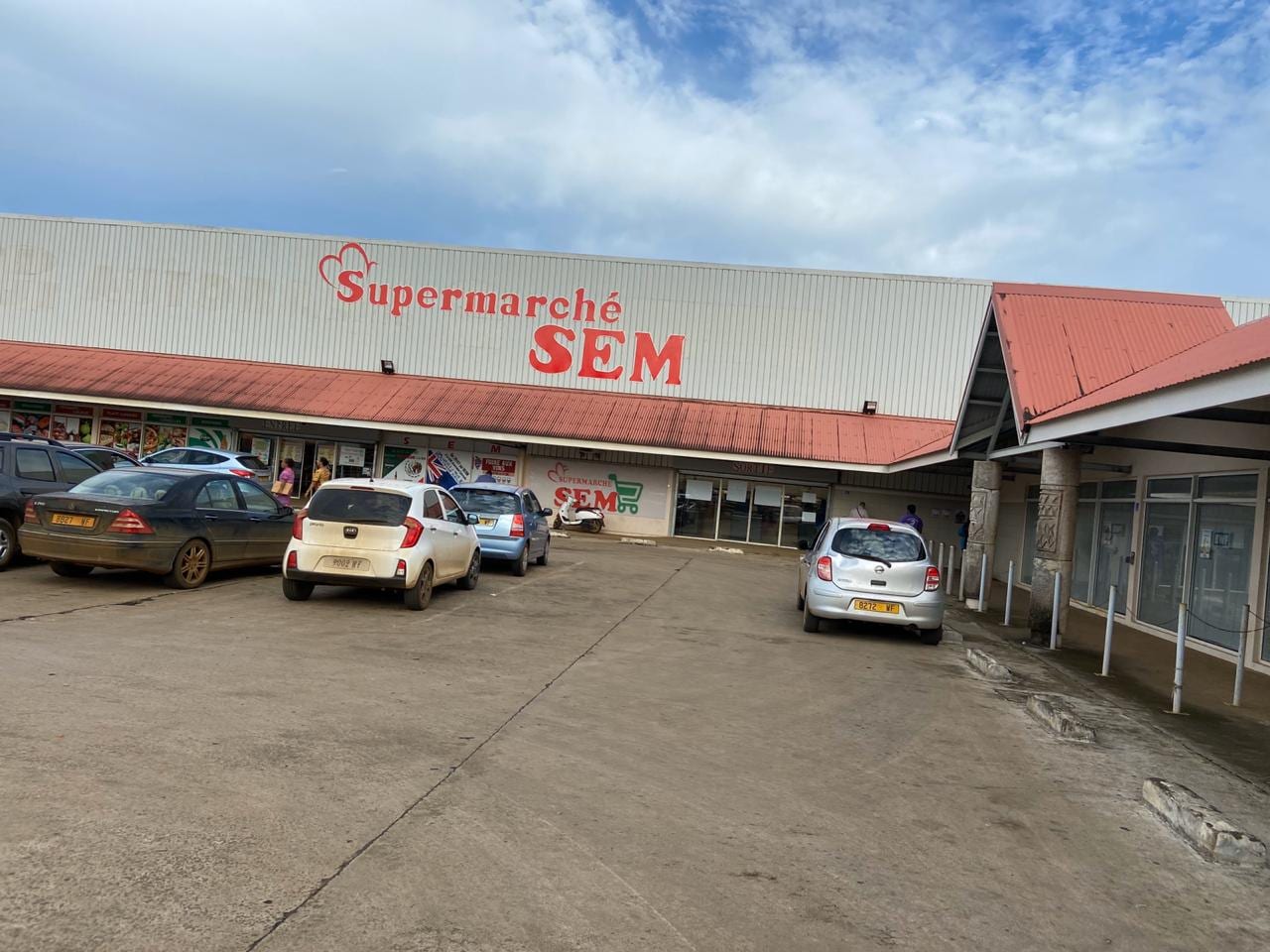
The church and the customary chiefly system are the twin centres of public life, and in practice they matter more day to day than the French administration does. Villages are organised under a Lavelua on Wallis and two Futunan kings, with local chiefs handling land and custom matters that touch daily life directly, from garden boundaries to the staging of a communal feast. Beyond the church and the chief's authority, daily commerce is modest and centred on small shops and the territory's few supermarkets, which stock the imported goods that Wallis and Futuna, producing little itself beyond garden crops and fish, depends on for most everyday household items.
Free time and weekends
Sunday is the fixed point of the week: Mass draws most of the population, and the day afterwards is generally kept quiet, given over to family meals and rest rather than errands or work. Large customary feasts, known as katoaga, mark weddings, chiefly ceremonies and church occasions, drawing an entire village and taking clear precedence over any ordinary weekend plan when they occur. Choral singing, a genuine strength of both islands, is heard well beyond church services, and kava is drunk socially in the evenings in a manner similar to its use elsewhere in the Pacific. With so much of daily life already organised around family and custom, free time tends to extend those same activities rather than offering a distinct alternative to them.
A visitor's ordinary day
The CFP franc is the currency, pegged to the euro, and cash is essential since card acceptance is limited outside the main towns. Flights connect Wallis to Nouméa in New Caledonia a few times a week, and the small inter-island plane linking Wallis and Futuna has a schedule that locals themselves treat as unreliable, so onward plans need real slack built in. There is very little tourist infrastructure on either island, accommodation is limited, and a hire car or an arranged lift is the practical way to get around, since public transport does not really exist. Shops keep modest hours and, in keeping with the wider rhythm of the week, much slows or closes on Sundays.
What to take away
An ordinary day in Wallis and Futuna is still governed less by the French state than by the parish bell and the customary chief, in a territory small and close-knit enough that it can seem to function like one large village.