Food · Vietnam
Vietnam: Food and the National Dish
A clear, herb-scented noodle soup eaten at any hour, from a country whose cuisine leans on freshness over heavy spice
By Worldlore Editorial · 16 September 2026
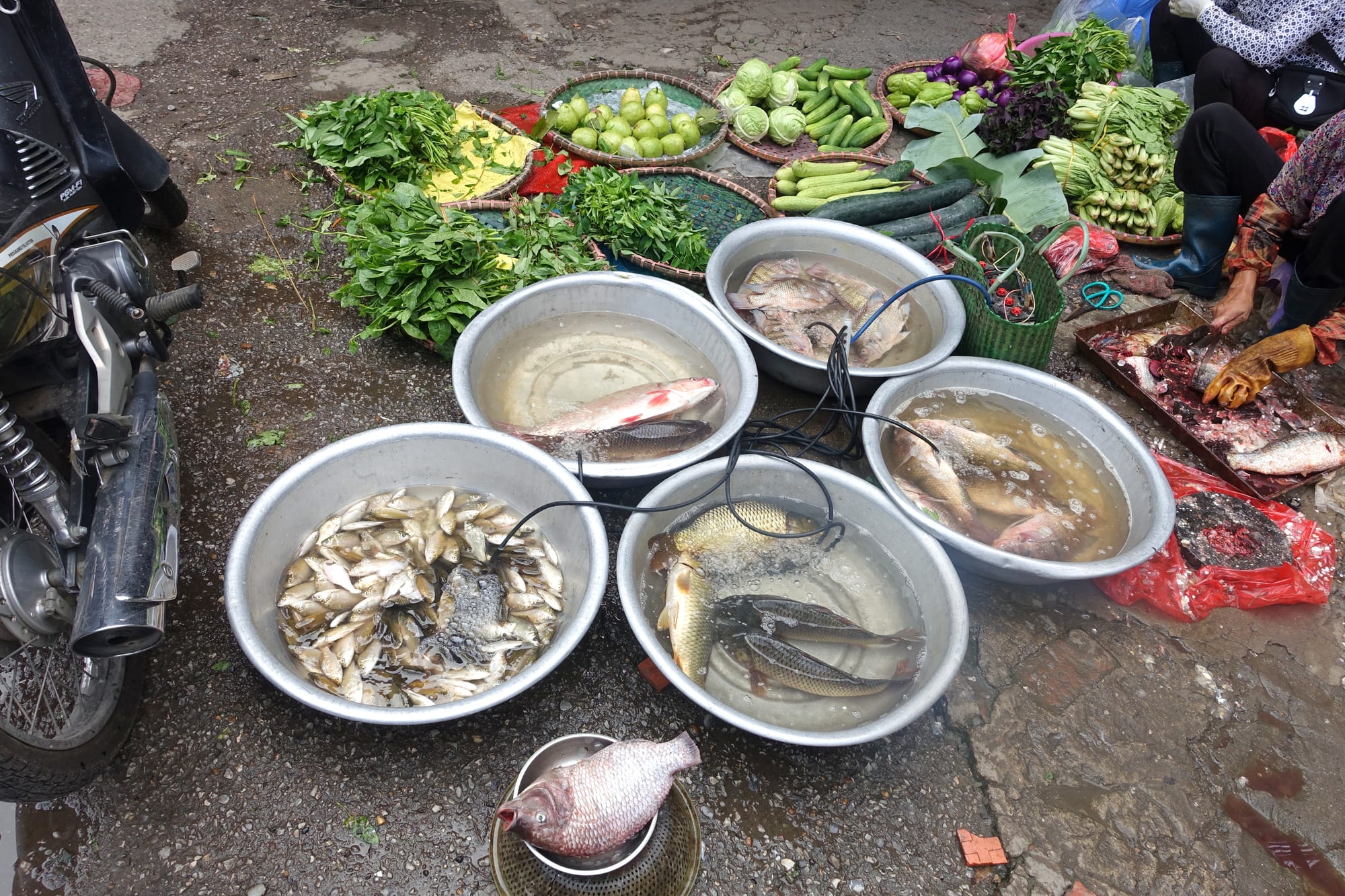
A cuisine built on freshness, herbs and balance
Vietnamese food leans on fresh herbs, light broths and a careful balance of sweet, sour, salty and spicy flavours, generally lighter on oil and heavy spice than many neighbouring cuisines, a genuine distinguishing feature within Southeast Asia's food landscape.
The national dish: pho
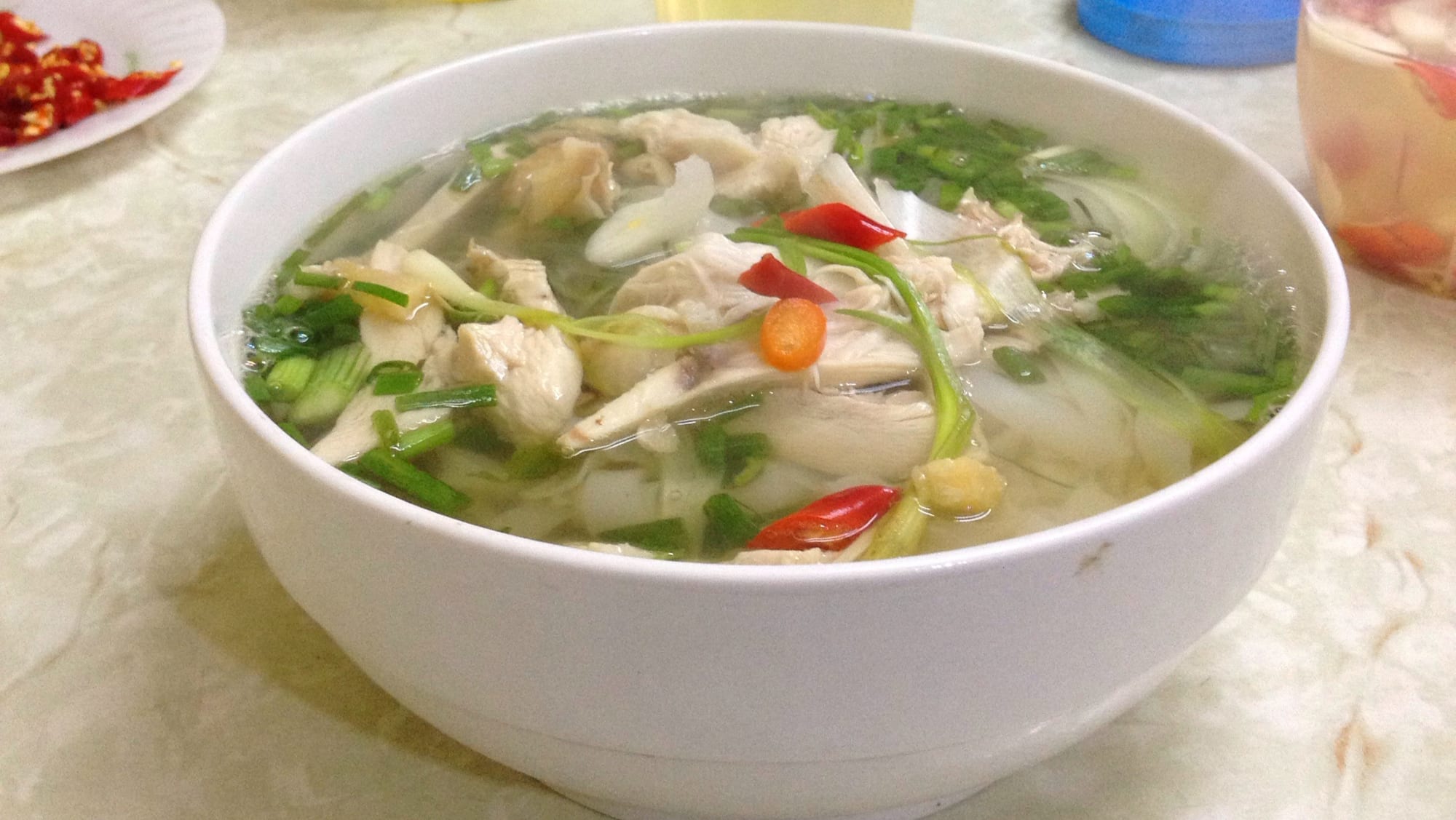
Pho, a clear broth simmered for hours with beef or chicken bones and warming spices like star anise and cinnamon, served over rice noodles with fresh herbs, lime and chilli added at the table, is Vietnam's national dish. Documented as developing in northern Vietnam, likely around Hanoi, in the early 20th century, pho reflects a genuine blend of Vietnamese ingredients and French colonial-era influence, with the broth's beef base itself possibly connected to French cattle-raising introduced during the colonial period.
Rice, fish sauce and a genuinely fresh pantry
Rice, in noodle and grain form, and fish sauce, used as a base seasoning across countless dishes, anchor much of Vietnamese cooking, alongside fresh herbs like mint, coriander and Thai basil that appear in nearly every meal. Lime, chilli and a wide range of fresh vegetables round out a pantry built on balance and freshness rather than heavy, slow-cooked richness.
History behind the bowl
Pho's development in early-20th-century northern Vietnam reflects a genuine cultural convergence, French colonial cattle farming introducing more widespread beef availability, meeting Vietnamese rice-noodle and herb traditions already established in the region. The dish spread south after Vietnam's 1954 partition, as northern migrants carried their own pho traditions into Saigon, where a sweeter, more herb-heavy southern style developed alongside the original northern version.
Dishes to know
Five more to recognise across Vietnam:
- Banh mi — a baguette sandwich filled with meat, pate and pickled
vegetables, reflecting genuine French colonial bread influence.
- Goi cuon — fresh, unfried spring rolls filled with herbs, vermicelli
and shrimp or pork.
- Bun cha — grilled pork served with rice vermicelli and a dipping
sauce, a Hanoi specialty.
- Banh xeo — a crispy rice-flour pancake filled with pork, shrimp and
bean sprouts.
- Ca phe sua da — Vietnamese iced coffee with condensed milk, a
genuine daily ritual.
Drinks
Ca phe sua da, strong drip coffee mixed with sweetened condensed milk over ice, is a genuine daily ritual across Vietnam, reflecting the country's status as one of the world's largest coffee producers. Fresh sugarcane juice and tea are also common everyday choices.
Eating as a traveller
Vegetarians will find rice, tofu and vegetable-based dishes manageable, though fish sauce is a common ingredient even in seemingly vegetable dishes. Tap water is not reliably safe to drink; bottled water is the standard default. Trying pho for breakfast at a street stall, the way many Vietnamese genuinely start their day, is an authentic way to experience the dish.
What to take from the table
Pho, born from a genuine blend of Vietnamese and French influence in early-20th-century Hanoi, is the dish that most fully carries Vietnam's food identity: fresh, balanced, and eaten at any hour of the day.