History · Vietnam
Vietnam: A Thousand Years of Resistance
A long, narrow country that spent a millennium under Chinese rule, expanded south over the Cham and Khmer, was colonised by France, and then fought the French, the Americans and China in turn to unify itself under a single Communist state
By Worldlore Editorial · 19 September 2026
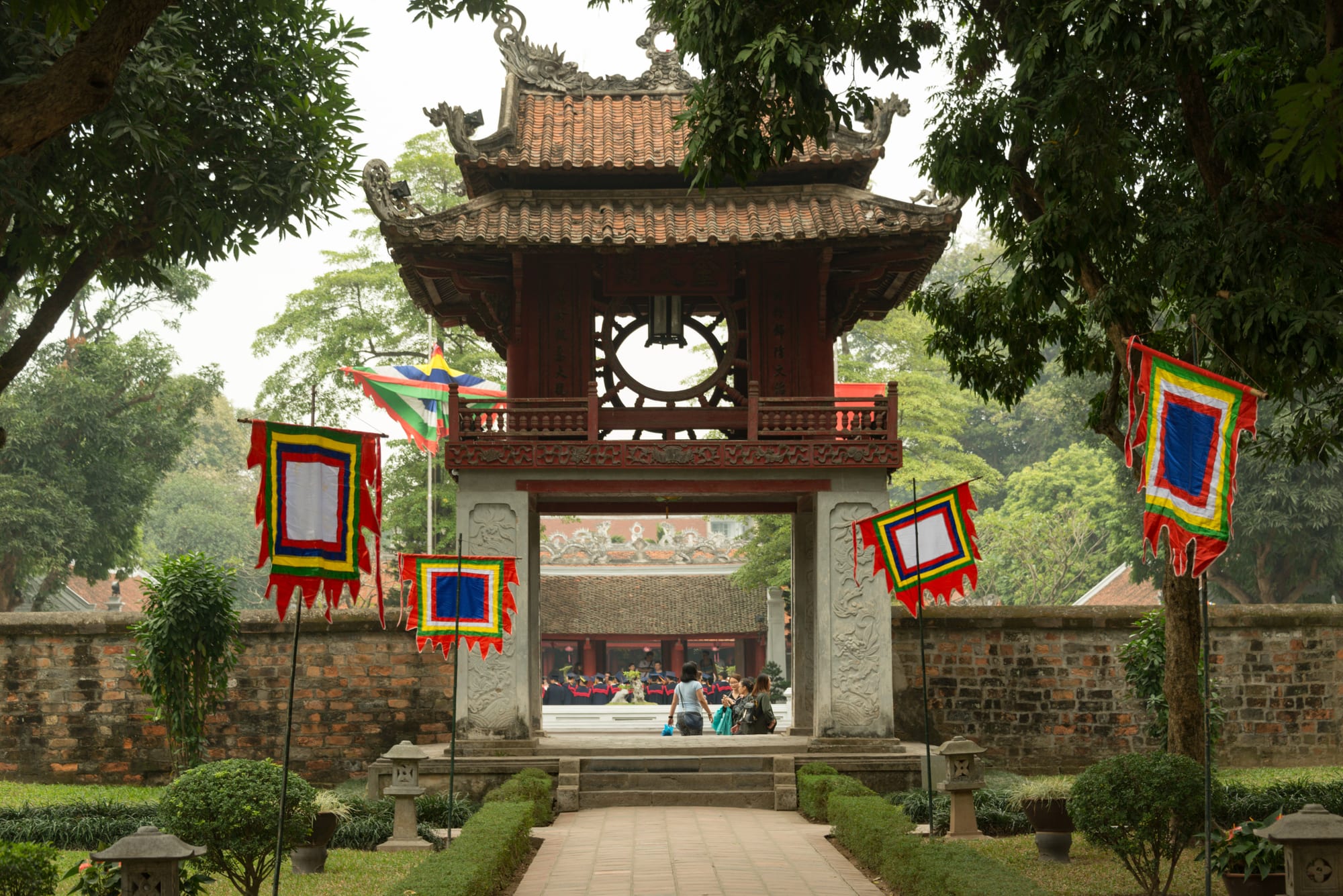
A country shaped by its neighbours and its length
Vietnam is a long, narrow country of about 100 million people, curving 1,650 kilometres down the eastern edge of mainland Southeast Asia from the Red River delta to the Mekong. Its history has two great themes: the struggle to resist domination by China, its huge northern neighbour, which ruled the north directly for a thousand years and shaped its writing, bureaucracy and Confucianism; and the "march to the south", the centuries-long expansion of the Vietnamese state down the coast at the expense of the Cham and Khmer. In the 20th century both themes converged in the wars that unified the country under Communist rule.
A short history
- c. 500 BCE
Dong Son
A sophisticated Bronze Age culture in the Red River valley.
- 111 BCE–938 CE
Chinese rule
A millennium of direct domination, with repeated revolts.
- 938
Independence
Ngo Quyen defeats a Chinese fleet at Bach Dang; Vietnamese dynasties follow.
- 1471–1757
The southward march
Vietnam absorbs the Cham kingdom and the Mekong delta.
- 1802
The Nguyen dynasty
Gia Long unifies the country; the capital is Hue.
- 1858–1887
French conquest
France takes Vietnam piece by piece into French Indochina.
- 1945
The August Revolution
Ho Chi Minh declares independence as the French return.
- 1946–1954
First Indochina War
Ends with the French defeat at Dien Bien Phu; the country is split.
- 1955–1975
The Vietnam War
The US backs the South; the North and the Viet Cong win.
- 1986
Doi Moi
Market reforms transform the economy while the Party keeps power.
A thousand years of China, then independence
The Dong Son culture of the Red River valley, famous for its bronze drums, was absorbed by the expanding Han empire in 111 BCE, beginning a thousand years of Chinese rule. The period left a deep imprint — Chinese script, Mahayana Buddhism, Confucian administration and the examination system — but also a tradition of revolt, from the Trung sisters in 40 CE onward. In 938 Ngo Quyen destroyed a Chinese invasion fleet by planting iron-tipped stakes in the Bach Dang river, and Vietnam regained independence, which successive dynasties defended against further Mongol and Chinese invasions while adopting Chinese governmental forms.
The march to the south
From its northern base, the Vietnamese state pushed steadily down the coast. The Hindu-Buddhist kingdom of Champa, which had ruled central Vietnam for over a millennium, was crushed in 1471 and progressively absorbed; by the 17th and 18th centuries Vietnamese settlers had taken the Mekong delta from a declining Khmer empire. This "Nam tien" doubled the country's length and gave it its distinctive shape. The Nguyen lords ruled the south and the Trinh lords the north for two centuries until the Tay Son peasant rebellion (1771–1802) upended both, and Nguyen Anh, with French mercenary help, reunified the country in 1802 as Emperor Gia Long, with a new capital at Hue.
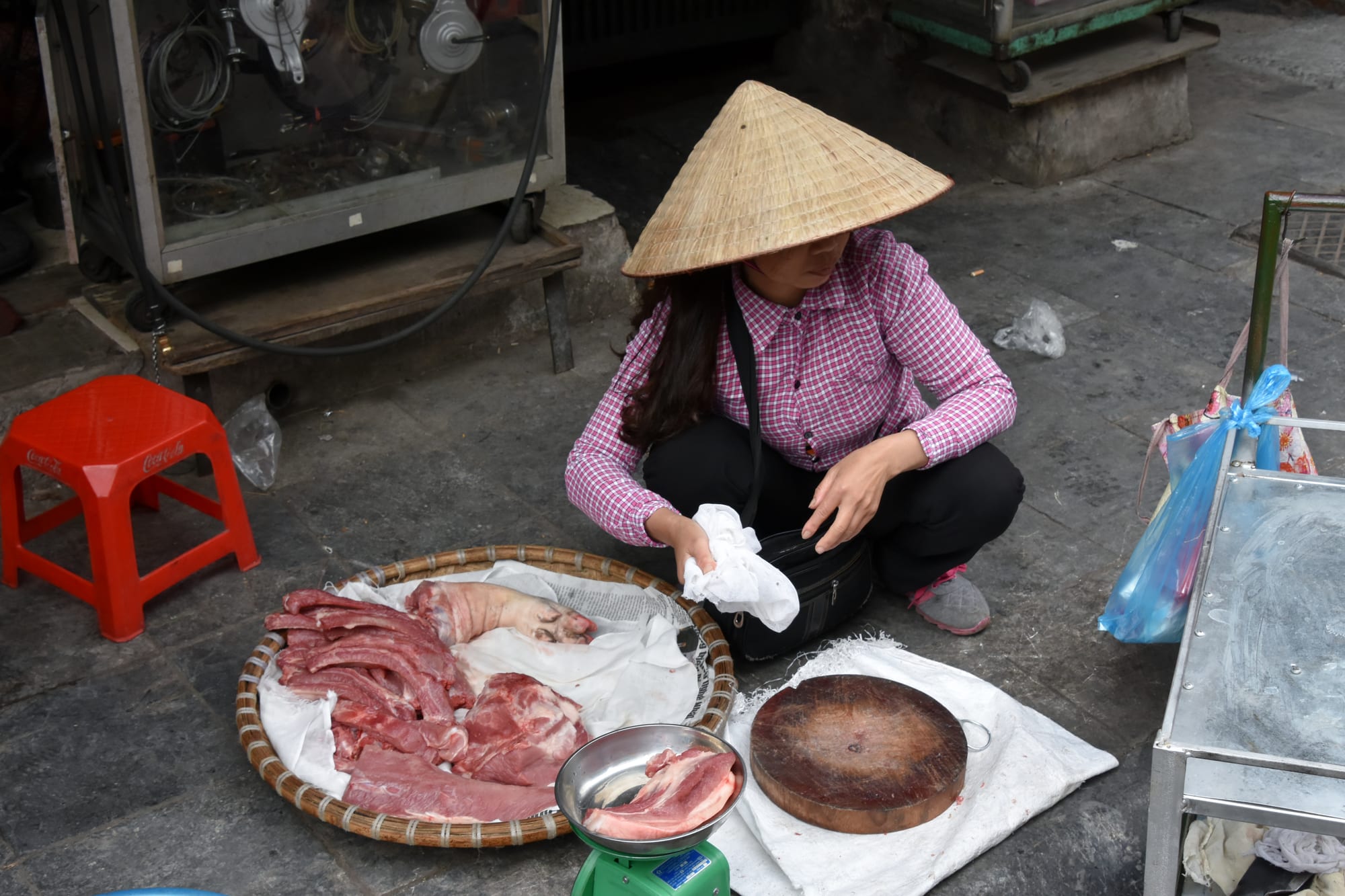
French Indochina
France, using the persecution of Catholic missionaries as a pretext, attacked in 1858 and over the next three decades took the whole country, organising it into three units — the colony of Cochinchina in the south and the protectorates of Annam and Tonkin — within a wider French Indochina that also included Cambodia and Laos. Colonial rule built railways, roads, rubber and coffee plantations and the city of Saigon, but on the backs of heavy taxation, land concentration and often brutal plantation and mine labour. Nationalist and communist movements grew in the 1920s and 1930s and were repeatedly suppressed. During the Second World War, Japan occupied Indochina while leaving the Vichy French administration in place; a famine in 1944–45, caused by wartime disruption and requisitioning, killed perhaps a million or more people in the north.
The wars of independence and reunification
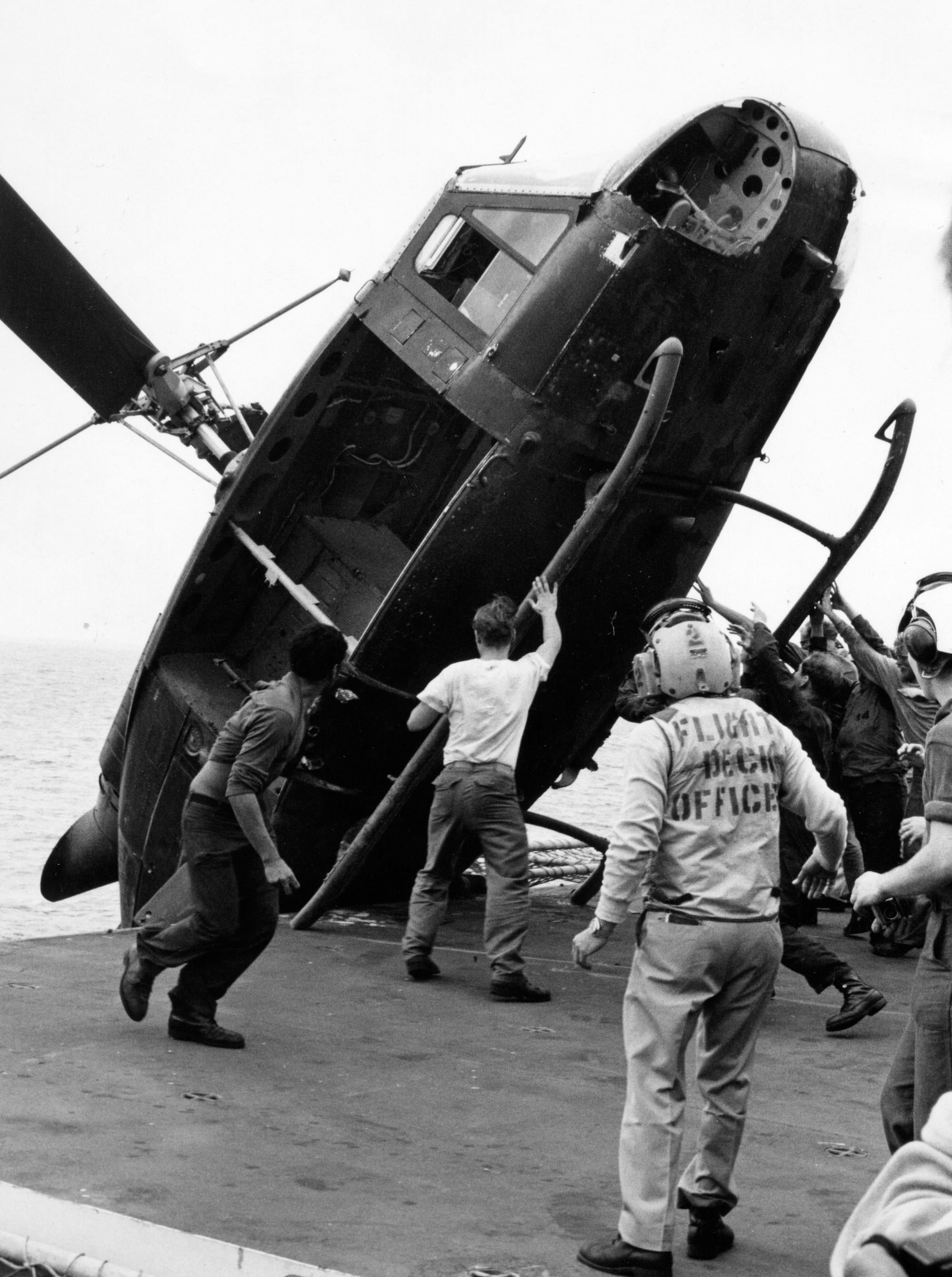
As Japan surrendered in August 1945, Ho Chi Minh's Viet Minh seized power and declared the Democratic Republic of Vietnam. France returned to reclaim its colony, and the First Indochina War (1946–54) ended with the Viet Minh's victory at Dien Bien Phu. The 1954 Geneva Accords split Vietnam at the 17th parallel, pending elections that were never held: a communist North under Ho Chi Minh, and an anti-communist South backed by the United States. Insurgency in the South (the Viet Cong), Northern support for it, and the US commitment escalated into full-scale war from the mid-1960s, with more than half a million American troops at the peak, vast US bombing, and the use of defoliants such as Agent Orange. The war killed an estimated two to three million Vietnamese and about 58,000 Americans. US forces withdrew after the 1973 Paris accords, and in April 1975 Northern forces captured Saigon, reunifying the country under Communist rule in 1976.
Doi Moi and modern Vietnam
The years after reunification were grim: re-education camps, the flight of the "boat people", a collectivised economy in crisis, a war with the Khmer Rouge in Cambodia (which Vietnam invaded in 1978 and occupied for a decade), and a brief but bloody border war with China in 1979. In 1986, facing economic collapse, the Communist Party launched Doi Moi ("renovation"): decollectivising agriculture, allowing private enterprise, opening to foreign investment and trade. The results were dramatic — one of the fastest sustained growth records anywhere, mass movement out of poverty, and integration into the global economy as a manufacturing hub. Vietnam normalised relations with the United States in 1995 and joined the WTO in 2007. Politically it remains a one-party state with tight controls on dissent, the press and religion, navigating carefully between economic dependence on China and tensions with it over the South China Sea, while deepening ties with the US and others.
What Vietnam carries
Vietnam's identity was forged in resistance — to a thousand years of Chinese rule, then to France, then to the United States — and its national narrative places that struggle at the centre. The southward expansion that made the modern country also made it more diverse than the story allows, absorbing the Cham and the Mekong delta. Reunification in 1975 achieved the goal the wars were fought for; Doi Moi, eleven years later, was the admission that winning the war had not solved how to run the country.