Daily Life · Venezuela
Venezuela: A Day Improvised Around Scarcity
Households held together by dollars sent from abroad, a working day that runs on side hustles as much as salaries, and a country where getting through an ordinary day now takes constant, quiet improvisation
By Worldlore Editorial · 30 September 2026
An ordinary day in Venezuela today is built around getting by rather than around a fixed routine. A formal salary, usually worth little in dollar terms, rarely covers a household on its own, so most adults combine it with informal work, a side hustle, or money sent by a relative abroad. Power cuts and water rationing can reshape a day at short notice, queues are a normal part of running errands, and a great many households now stay in touch daily, by phone, with someone who has left the country. None of that has stopped daily life from continuing, adapted rather than halted.
Family and home life
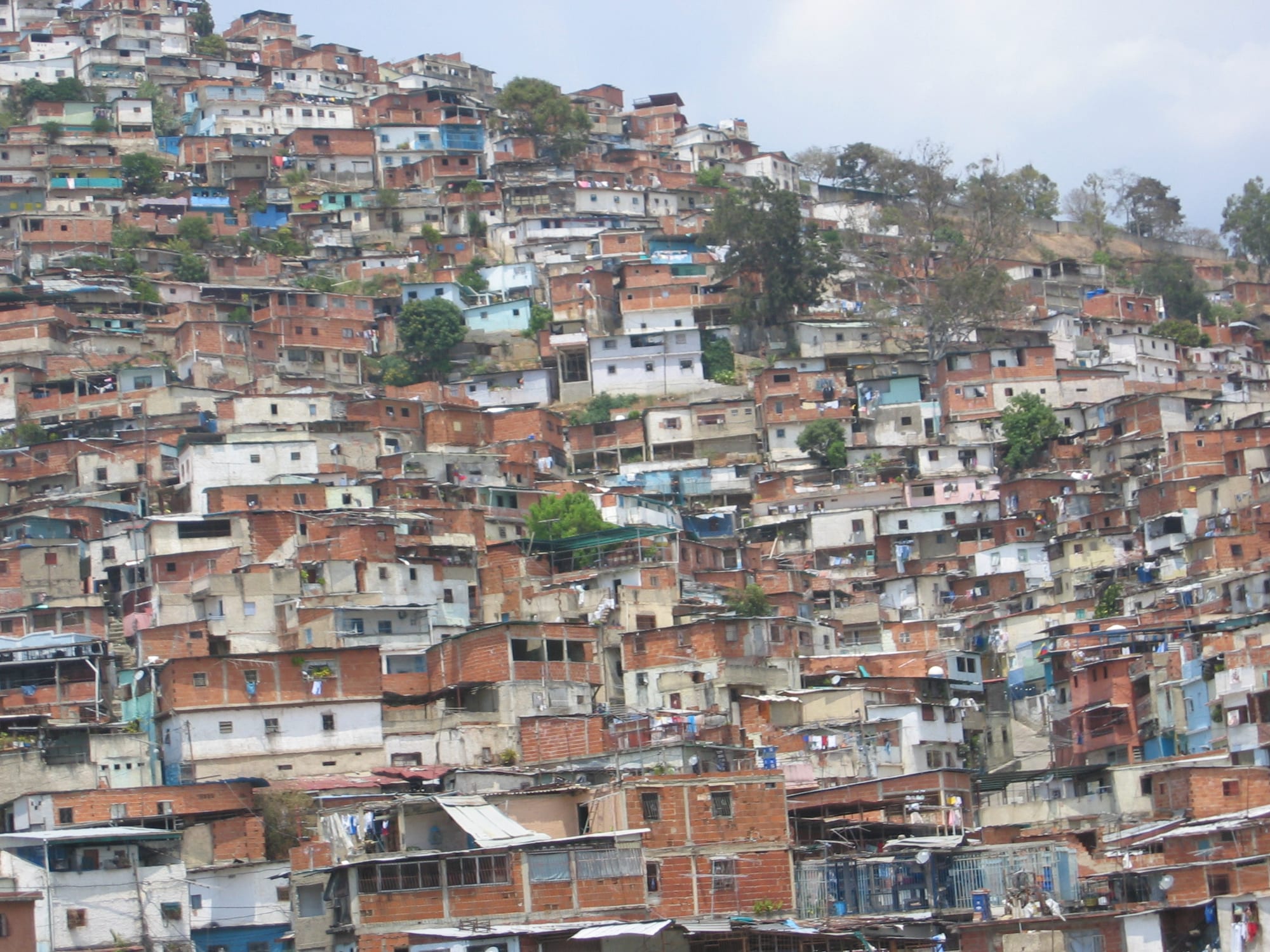
Many Venezuelan households now live with extended family or in multigenerational arrangements, a pattern that has deepened as emigration has pulled working-age parents abroad while children stay behind. Grandmothers in particular have taken on a larger share of daily child-rearing, cooking and household management, a role already culturally central but now often the difference between a household functioning or not. Most Venezuelans live in cities, and a very large share, especially in Caracas, live in the dense, self-built hillside neighbourhoods known as barrios, where several related households often live within a few doors of each other and extended family remains the everyday safety net rather than the state.
Work, school and the rhythm of the day
The legal base minimum wage has been frozen since 2022 and is now worth less than a dollar a month; government bonuses make up most of the official income, and even with them pay rarely stretches far, so most households depend on income the official wage does not capture: informal trade, tips, skilled side work, or remittances from the diaspora, now estimated at nearly eight million people. A large share of the workforce works informally, from street vendors and unlicensed taxi drivers to tradespeople paid directly in dollars. A standard working week is nominally around 40 hours, but for many the working day does not really end, since a second or third income stream has become normal rather than exceptional. Schools follow a conventional Monday-to-Friday calendar, though teacher shortages, power cuts and, for some families, a missing parent abroad have made school attendance far less predictable than it once was.
Community life and public spaces
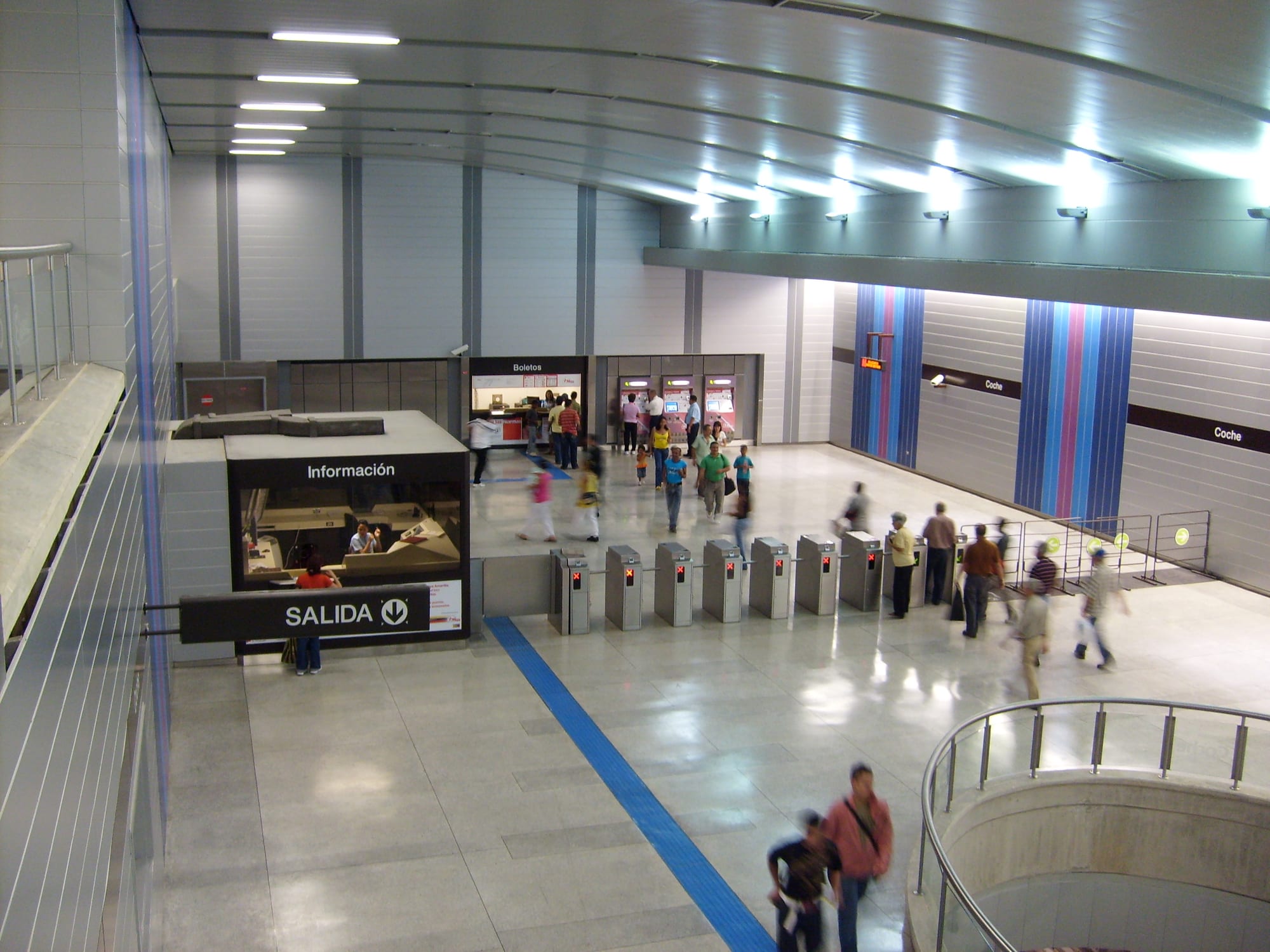
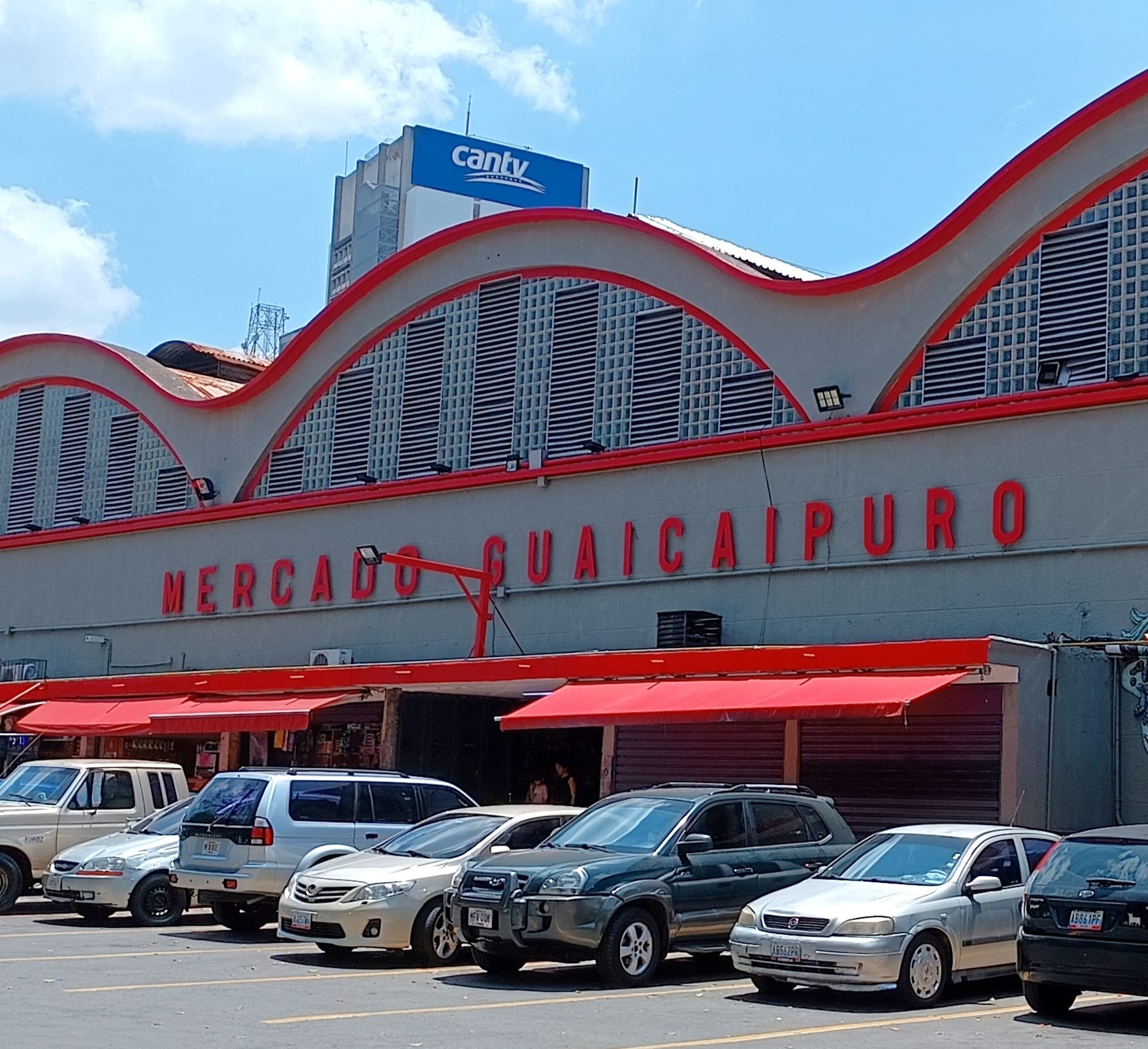
Public transport carries the greatest share of daily movement: Caracas's metro system, along with buses and shared "por puesto" minibuses, has long carried much of the daily commute, cheaply but under heavy strain from ageing carriages, irregular maintenance and overcrowding. Streets and metro concourses double as informal marketplaces, with vendors selling sweets, phone accessories, coffee and small goods to a captive daily audience. Municipal markets remain important for household shopping where they still function, though queuing itself, whether for a market stall, a bank, cooking gas, or fuel, has become one of the most universal shared experiences of daily life nationwide.
Free time and weekends
Free time still centres on family, and a shared meal at a relative's house remains the default way to spend a Sunday, even when the food on the table is more improvised than it once was. Baseball, the country's genuine national sport, is followed closely, and a televised or radio-broadcast match is a routine weekend gathering point at home or in a bar. Where money and fuel allow, a weekend trip to the coast or a family outing remains a valued escape, though for many households the weekend increasingly means running the errands that weekday power cuts or work commitments crowded out.
A visitor's ordinary day
Venezuela runs on US dollars in cash for almost all everyday spending; the bolívar has been through repeated redenominations and lost most of its value, and foreign cards and ATMs are effectively unusable for visitors. Fuel, power and water shortages can disrupt a day's plans without warning, so it is worth confirming arrangements the same day rather than well in advance. Life has also been upended by two events in 2026: the United States military action of 3 January, in which President Nicolás Maduro was captured and Vice President Delcy Rodríguez became acting president, and the earthquakes of 24 June, which killed at least 6,500 people according to government figures and heavily damaged Caracas and the main airport at Maiquetía. Most governments advise against all or all-but-essential travel to Venezuela, and independent travel is not advisable; those who do travel typically move between fixed points with an established operator rather than making informal local arrangements.
What to take away
An ordinary day in Venezuela today is less a fixed routine than a daily act of improvisation, held up by extended family, informal work and the dollars sent home by relatives abroad.