History · Vanuatu
Vanuatu: The Condominium That Became a Nation
An 80-island Melanesian archipelago with more than a hundred languages — depopulated by labour traders, then jointly and chaotically ruled by Britain and France for 74 years, and independent since 1980 with its custom traditions unusually intact
By Worldlore Editorial · 10 September 2026
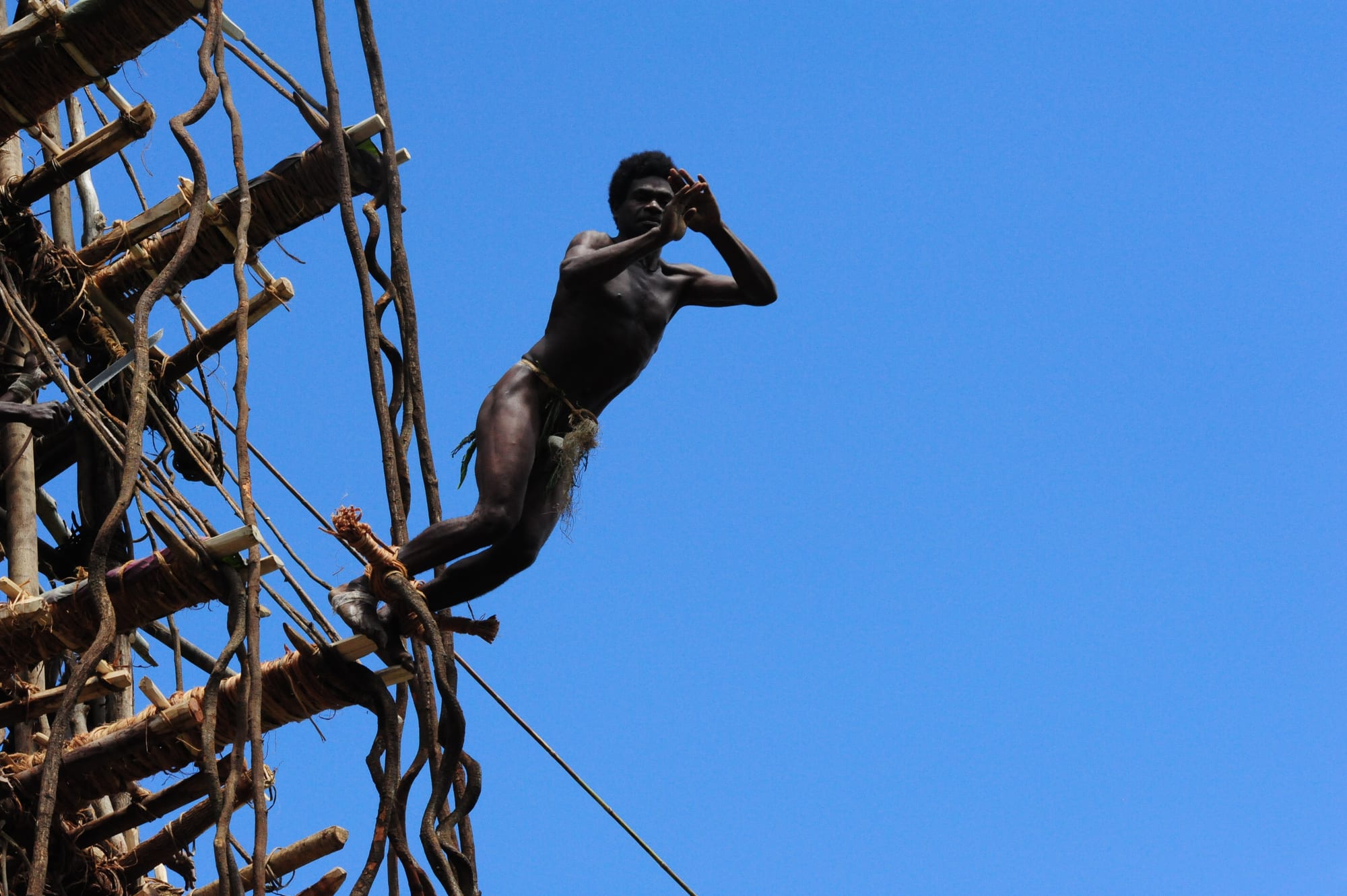
A country of a hundred languages
Vanuatu is a Y-shaped chain of about 80 islands in the south-western Pacific, between the Solomon Islands and New Caledonia, with roughly 330,000 people and more than 130 indigenous languages — the highest linguistic density per head of any country on Earth. Its people are Melanesian, mostly rural, and organised around kastom: customary law, chiefly authority, and land held collectively by clans. Vanuatu is unusual for having preserved so much of that, in part because its colonial period was so peculiar — for 74 years it was governed jointly, and badly, by Britain and France.
A short history
- c. 1300 BCE
Lapita settlement
Ancestors of ni-Vanuatu settle the islands.
- 1606
Quirós
A Spanish expedition names Espíritu Santo, believing it the great southern land.
- 1774
Cook
James Cook charts the group and names it the New Hebrides.
- 1860s–1900s
Blackbirding
Tens of thousands are taken to work plantations in Queensland and Fiji.
- 1906
The Condominium
Britain and France agree to rule the New Hebrides jointly.
- 1942–1945
The American base
Espíritu Santo becomes a huge Allied staging point.
- 1970s
The independence movement
Land grievances and the Nagriamel and Vanua'aku parties.
- 1980
Independence
The New Hebrides becomes Vanuatu; a rebellion on Santo is suppressed.
Kastom and the labour trade
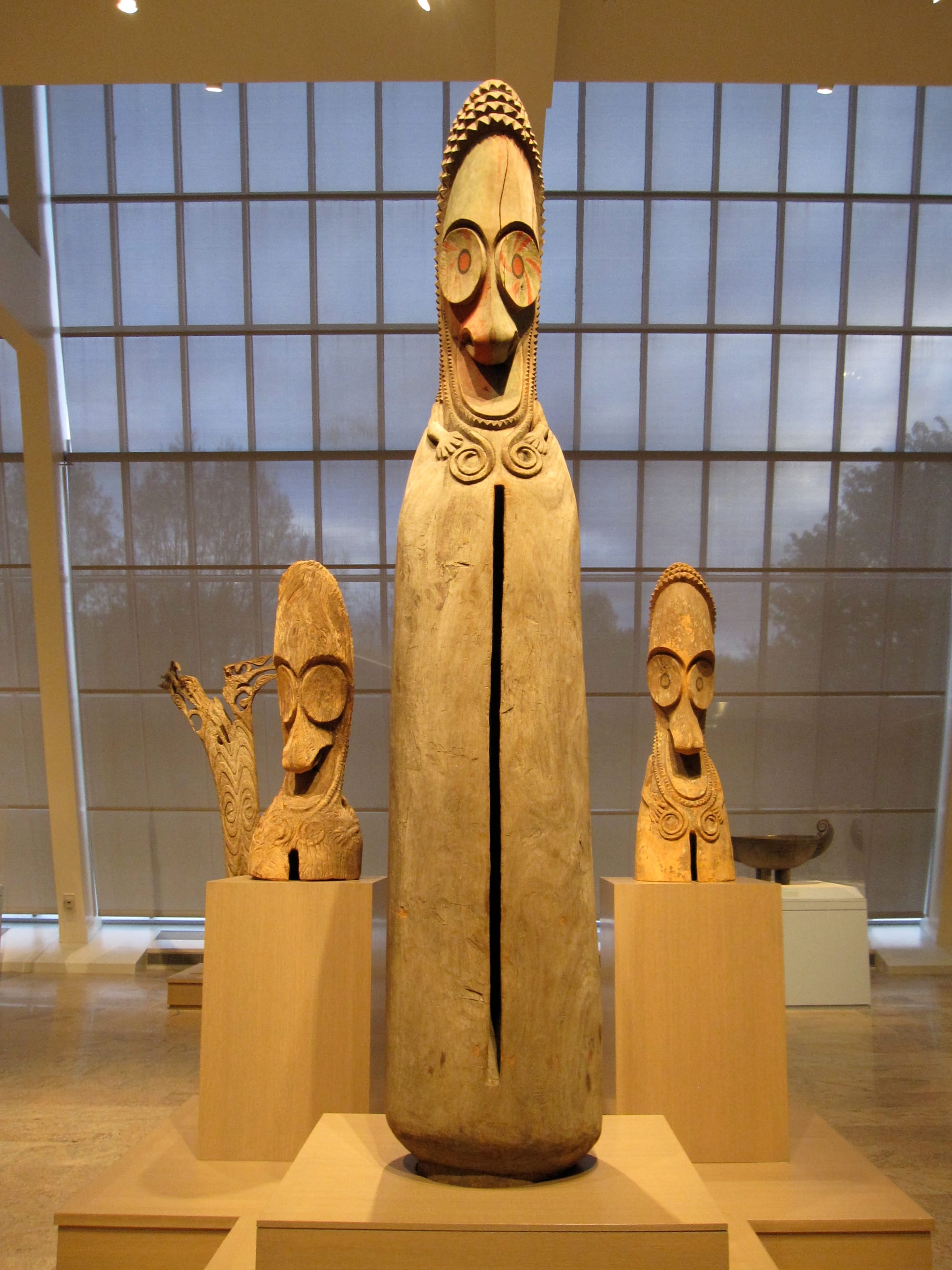
The islands were settled around 3,000 years ago by Lapita voyagers, and over millennia the difficult terrain produced hundreds of small, distinct societies with their own languages, art (the elaborate grade-taking rituals, slit drums and carvings) and the naghol land dive. Europeans made little impact until the mid-19th century, when traders stripped the islands of sandalwood and then turned to people: "blackbirders" recruited — often by kidnapping or deception — tens of thousands of islanders to work sugar and cotton plantations in Queensland, Fiji and New Caledonia. Combined with introduced disease, the labour trade and the arrival of missionaries (several of whom were killed) cut the population catastrophically, perhaps by 90 per cent, over the century.
The Condominium
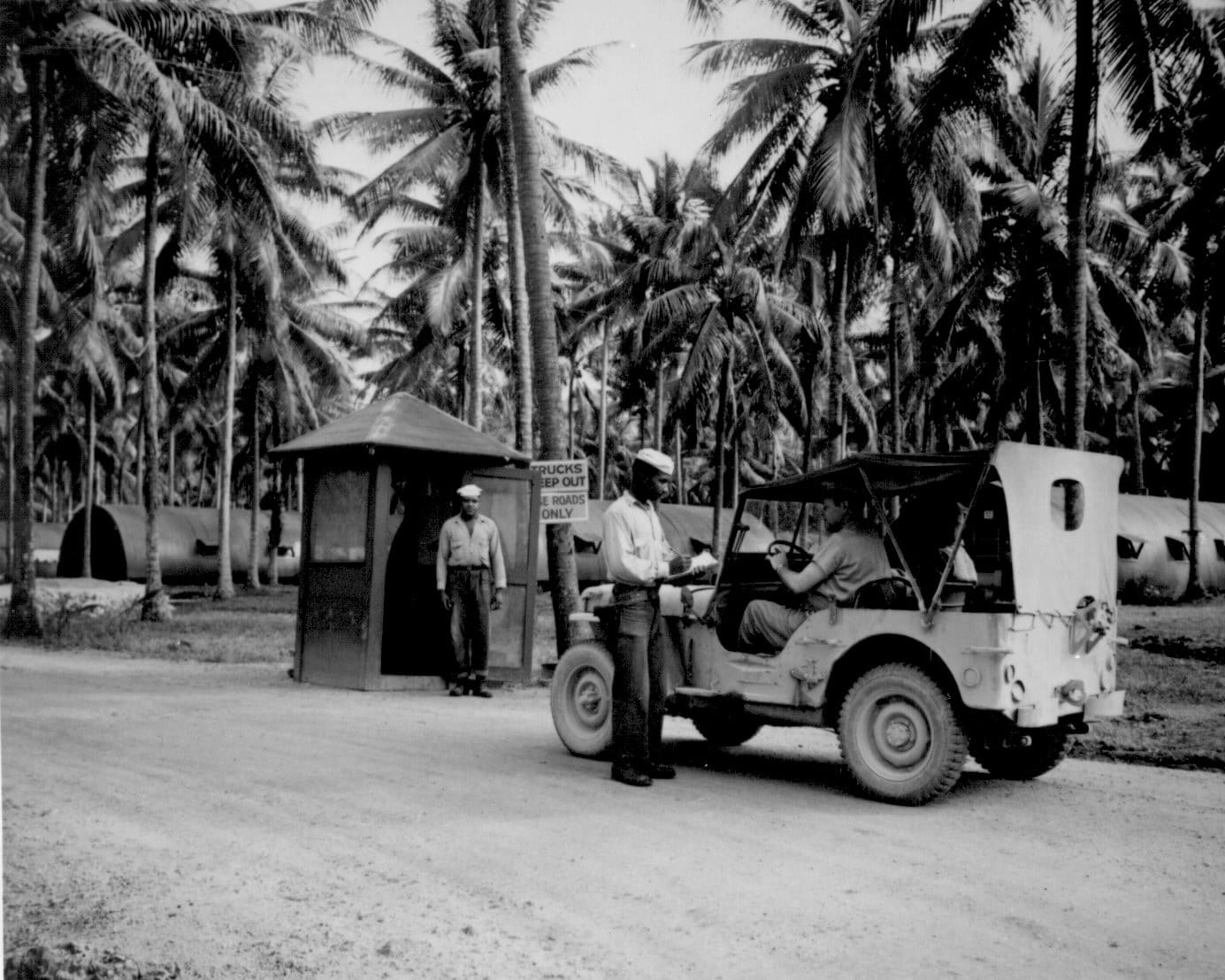
British and French settlers, planters and missionaries all established themselves in the islands, and neither government would let the other take sole control. Their solution, formalised in 1906, was the Anglo-French Condominium of the New Hebrides — a genuinely joint administration with two of almost everything: two resident commissioners, two police forces, two currencies, two education and health systems, two legal codes (with a joint court presided over by a Spanish judge), and no nationality at all for the ni-Vanuatu themselves, who were governed by neither system's citizenship. Widely mocked as the "Pandemonium", it was inefficient, neglectful and slow to develop schools or infrastructure. During the Second World War the United States built a vast base on Espíritu Santo, employing thousands of islanders at unheard-of wages and exposing them to American wealth and racial attitudes — an experience that fed post-war movements for change.
The road to independence
Pressure for self-rule grew in the 1970s, driven above all by land: much of the best land had been alienated to European planters, and ni-Vanuatu wanted it returned. The Anglophone, church-linked New Hebrides National (later Vanua'aku) Party, led by the Anglican priest Walter Lini, pushed hardest for independence; a Francophone bloc and Jimmy Stevens's Nagriamel movement on Santo, backed by French settlers and American libertarian interests, resisted and favoured a looser, more federal or delayed arrangement. As independence approached, Stevens declared Santo independent as the "State of Vemerana". Vanuatu became independent on 30 July 1980, and Lini's government, with troops from Papua New Guinea, suppressed the Santo rebellion within weeks.
Vanuatu now
Independent Vanuatu is a parliamentary republic that has kept its democracy but struggled with chronic government instability — frequent votes of no confidence and short-lived coalitions. The economy relies on subsistence farming, tourism (cruise ships, diving), an offshore financial centre, the sale of passports through a citizenship-by-investment scheme, and aid; land reverted to customary ownership at independence, though leasing disputes continue. Vanuatu is severely exposed to disasters — Cyclone Pam devastated it in 2015, Cyclone Harold in 2020 — and it has become a leading voice in global climate diplomacy, spearheading the 2023 UN resolution that led the International Court of Justice to issue an advisory opinion on states' climate obligations.
What Vanuatu carries
Vanuatu's colonial experience — a joint Anglo-French condominium that developed almost nothing and gave its people no citizenship — was strange enough that the islands emerged in 1980 with their languages, chiefs and customary land more intact than most of the colonised Pacific. That inheritance of kastom, and of vulnerability to a warming ocean, is what defines the country now: a small, diverse, disaster -prone democracy punching above its weight in the world's climate arguments.