Food · Vanuatu
Vanuatu: Food and the National Dish
Grated root vegetables baked with coconut milk in an earth oven, the everyday centrepiece of a scattered Melanesian archipelago
By Worldlore Editorial · 16 September 2026
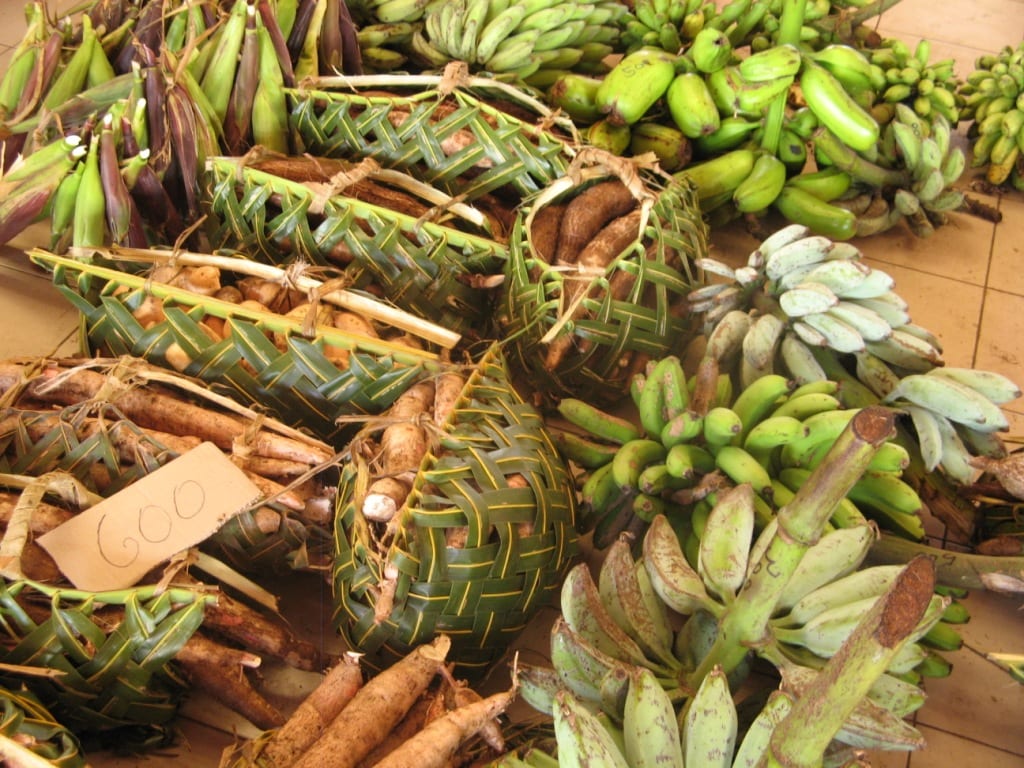
A cuisine grown across more than 80 scattered islands
Vanuatu, an archipelago of more than 80 islands in the South Pacific, builds its food identity around root vegetables and coconut, staples suited to the country's volcanic soil and grown across island communities that each maintain their own local variations on the same national dish.
The national dish: laplap
Laplap, grated root vegetables, most often yam, taro or manioc, mixed with coconut milk and sometimes meat or greens, wrapped in banana or other large leaves and baked in an underground earth oven, is Vanuatu's national dish. Genuinely central to celebrations, feasts and everyday cooking alike, laplap varies by island and household in exactly which root vegetable and filling is used, though the leaf-wrapped, earth-oven cooking method remains constant.
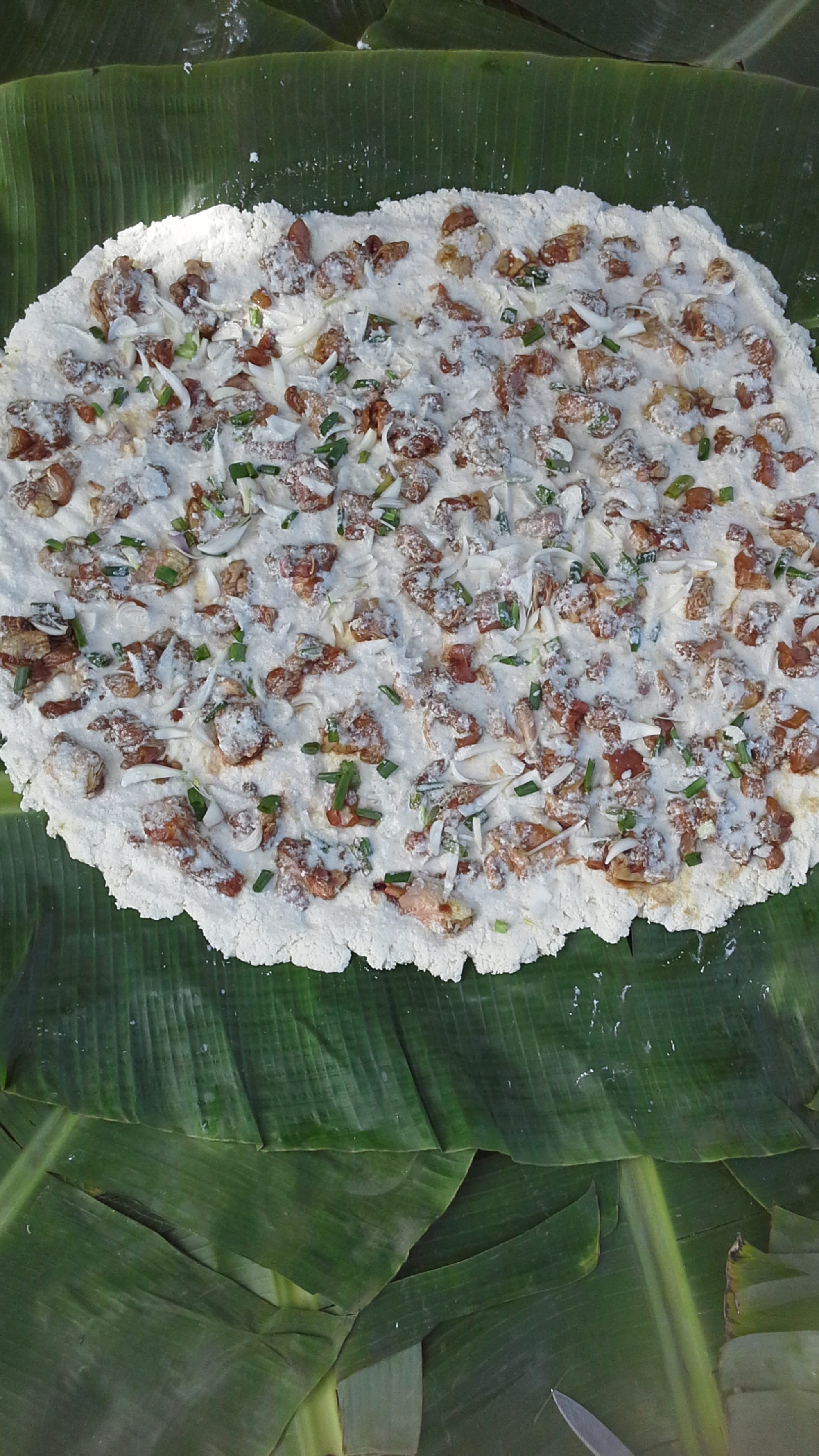
Root vegetables, coconut and a genuinely volcanic pantry
Yam, taro and manioc, all grown in Vanuatu's volcanic soil, and coconut, used in milk and grated form, anchor most everyday cooking. Fresh fish and pork, reserved more for special occasions, and a wide range of tropical fruit round out a pantry shaped by the country's island geography and traditional earth-oven cooking method.
History behind the earth oven
The earth oven, using heated volcanic stones to slow-cook food wrapped in leaves, predates outside contact with Vanuatu and remains central to ni-Vanuatu culture, particularly for feasts and ceremonial occasions marking important community events. Laplap's continued centrality reflects a food tradition that has remained genuinely unbroken despite European contact, missionary influence and, more recently, growing tourism across the islands.
Dishes to know
Four more to recognise across Vanuatu:
- Tuluk — a dumpling made from grated manioc or banana, filled with
meat or vegetables and steamed.
- Coconut crab — a large land crab, a genuine local delicacy given
its size and taste.
- Nalot — a pounded, sweetened dish made from breadfruit or banana,
similar in method to Polynesian poi.
- Grilled fish — a genuine everyday staple given the surrounding
ocean.
Drinks
Kava, made from the pounded root of the kava plant and drunk during ceremonial and social gatherings, holds genuine cultural significance across Vanuatu. Coconut water, drunk straight from the fruit, is a common everyday refreshment.
Eating as a traveller
Vegetarians will find root vegetable and coconut-based dishes manageable, though meat and fish are common additions for special occasions. Tap water is generally safe to drink in Port Vila. Visiting Port Vila's central market offers a genuine look at the yam, taro and other produce behind most everyday ni-Vanuatu cooking.
What to take from the table
Laplap, wrapped in leaves and baked in an earth oven, is the dish that most directly reflects Vanuatu's food identity: grown from volcanic soil and cooked the same way across scattered island communities for generations.