Daily Life · Vanuatu
Vanuatu: A Day Set by the Shell of Kava
A nation of more than 80 islands where villages still run on gardens, church and kastom, and where the evening ends the same way almost everywhere — a quiet shell of kava at the nakamal as the light goes
By Worldlore Editorial · 30 September 2026
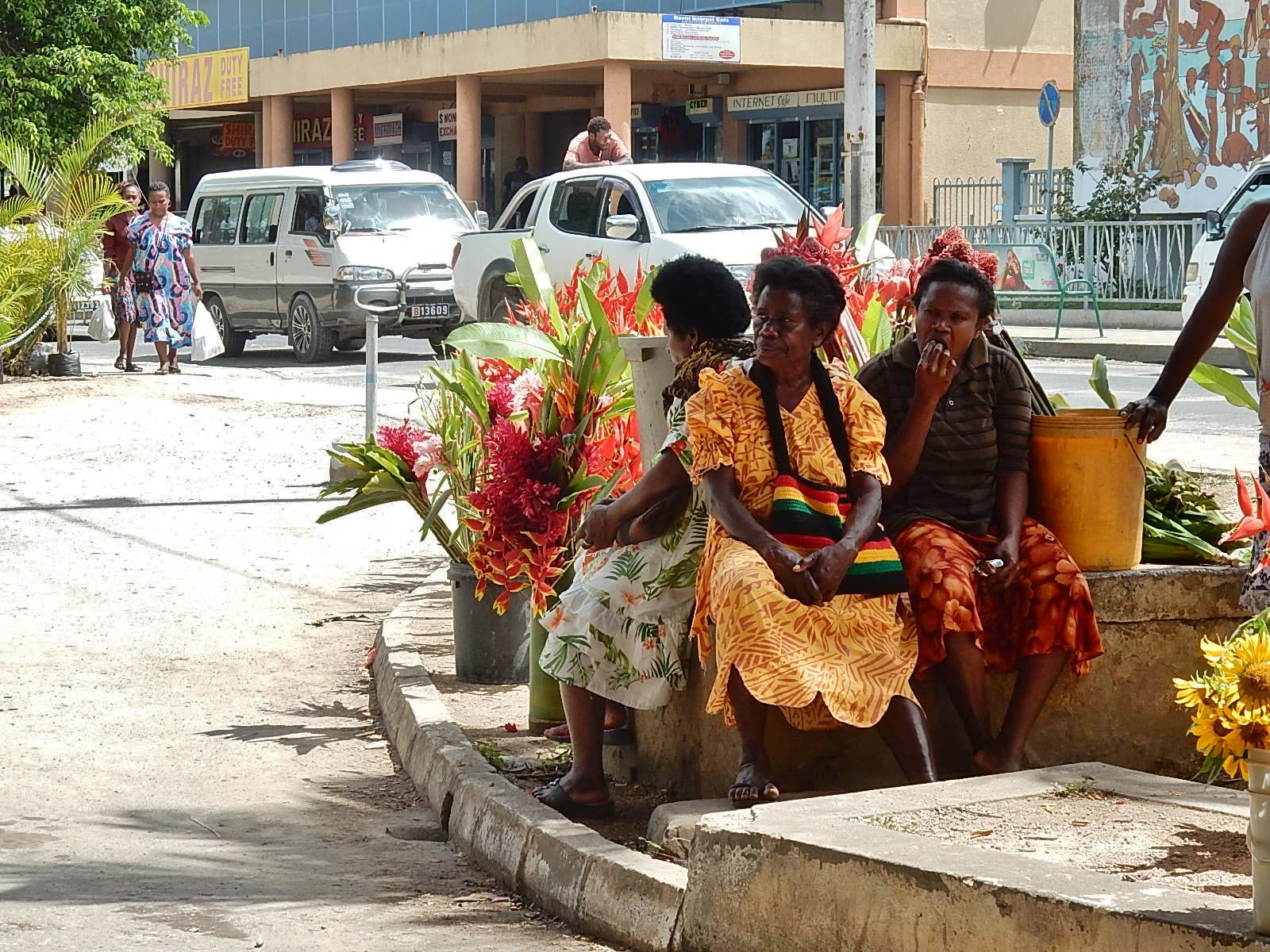
Across more than 80 islands, an ordinary day in Vanuatu still runs on the garden, the church bell and the tide far more than on the clock. In Port Vila and Luganville that rhythm blends with market stalls, minibuses and office hours; on the outer islands, where most ni-Vanuatu still live, the day is set by planting, fishing and the walk to a thatched-roof house shared with several generations. Whatever the setting, the evening tends to resolve the same way: a shell of kava passed in near-silence at the local nakamal as the sky goes dark.
Family and home life
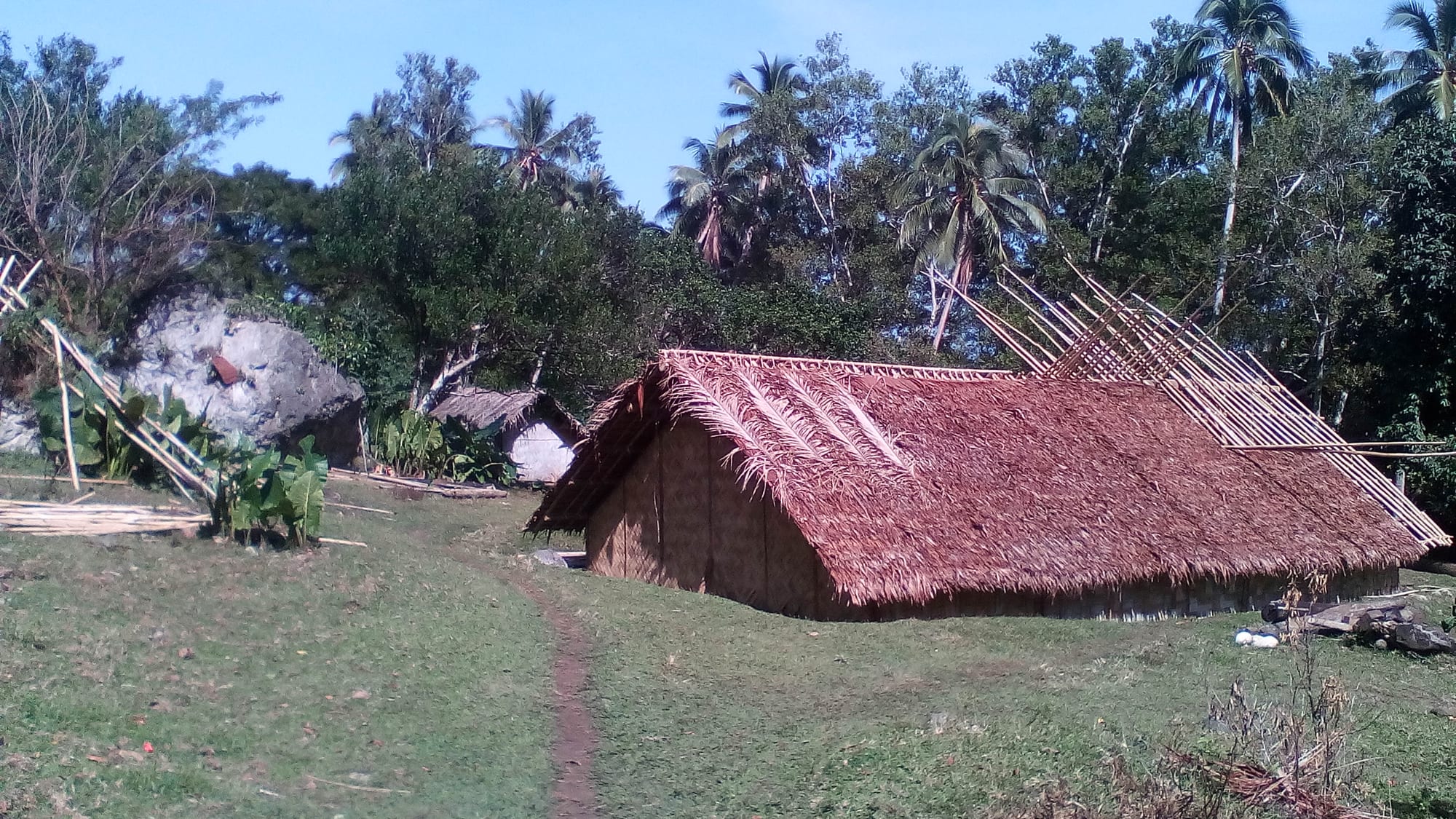
Extended family is the basic unit of ni-Vanuatu life, and land, gardens and child-rearing are shared obligations rather than individual ones. In villages, several related households commonly cluster around a shared clearing, each with its own house but drawing on the same gardens, water source and nakamal. Homes on the outer islands are still often built in the traditional style, timber-framed with woven bamboo or pandanus-leaf walls and a heavy thatched roof, though concrete and corrugated iron are now common in and around Port Vila. Grandparents, aunts and uncles routinely help raise children, and a household's standing is tied less to income than to its land, its gardens and its place within the kastom system of rank and obligation.
Work, school and the rhythm of the day
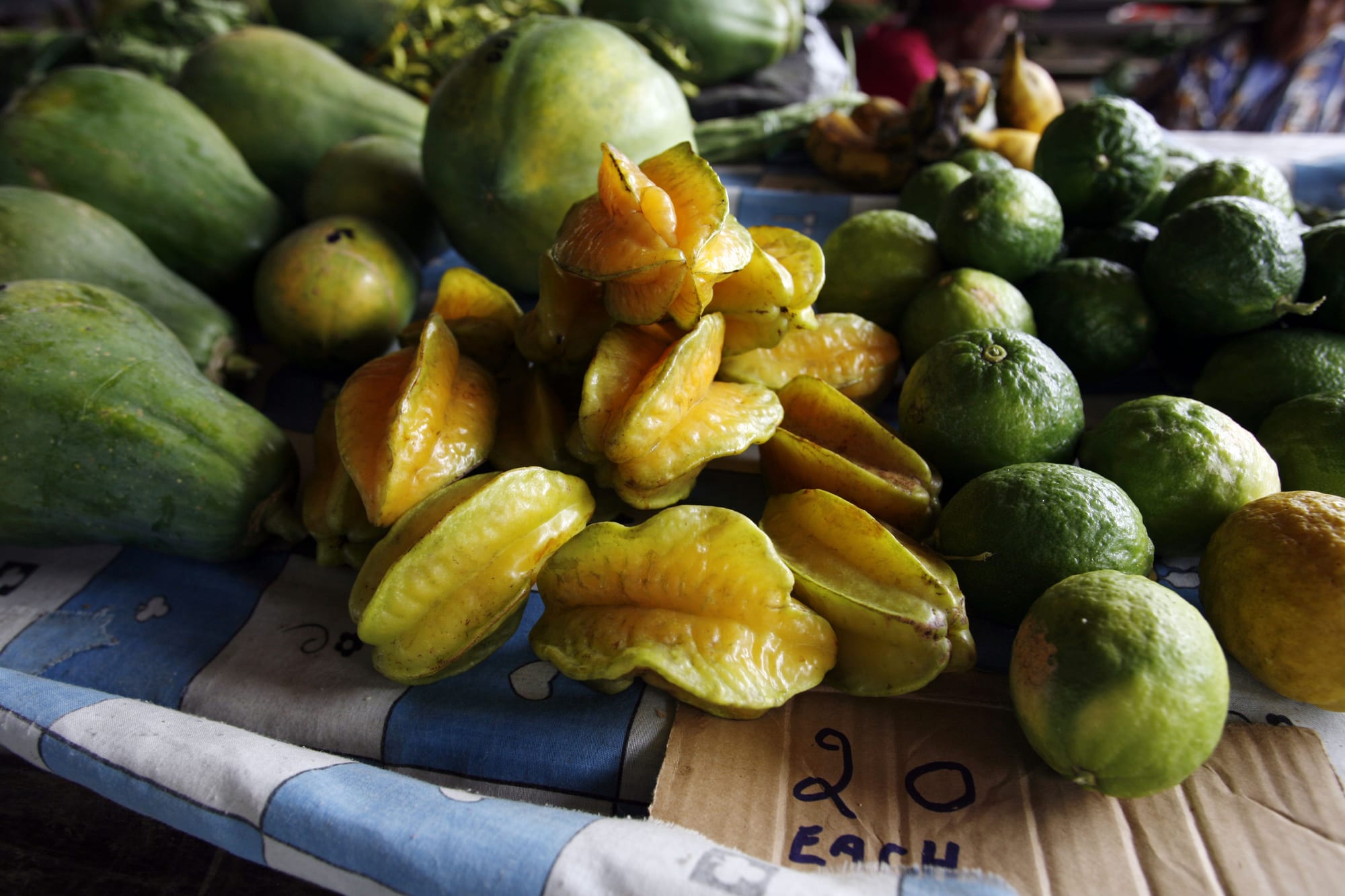
Most ni-Vanuatu households still live substantially by subsistence gardening, growing yam, taro, manioc and banana, raising pigs and chickens, and fishing, with cash coming from small crops of copra, kava, cocoa or coffee, or from seasonal farm work in Australia and New Zealand. In Port Vila and Luganville a smaller number work standard office or shop hours in tourism, government and trade. Most children attend primary school, taught in either English or French, a legacy of the joint British-French administration that ruled the islands until 1980, but far fewer continue into secondary education, partly because many secondary and technical schools are boarding institutions that charge fees and require a family to send a child away from the village. The working and school week generally runs Monday to Friday, with Saturday morning often given over to market and chores.
Community life and public spaces
The market and the nakamal are the two places where an ordinary day actually becomes public. Port Vila's central market, run largely by women in the colourful "island dresses" introduced by nineteenth-century missionaries, is the country's best-known gathering point, selling garden produce, fish, flowers, woven goods and prepared food; its old market hall was so badly damaged in the December 2024 earthquake that it was later demolished, and vendors have traded from other sites since. On the outer islands, smaller village markets and the weekly boat or plane delivery serve the same function on a much smaller scale. The nakamal — traditionally a forest clearing or purpose-built house reserved chiefly for men — remains the other constant: found in some form in almost every community, and, in its modern urban form as a simple kava bar, now a fixture of Port Vila and Luganville too.
Free time and weekends
Christianity, embraced by the great majority of ni-Vanuatu, shapes the weekly rhythm as much as kastom does: Sunday is set aside for church services, often marked by strong unaccompanied singing, followed by a family meal and a quiet afternoon. Saturdays tend to be given over to the market, sports and visiting relatives. Where a chief or a family hosts one, a kastom ceremony — marking a grade-taking, a wedding or a circumcision — can draw an entire village or district and take precedence over the ordinary weekend. In the evenings, nationwide, the closest thing to a daily ritual is the shell of kava at the nakamal, drunk quietly at dusk rather than as a rowdy social occasion.
A visitor's ordinary day
Port Vila and Luganville run on a mix of vatu cash and card payments in hotels and larger shops, but elsewhere it is cash only, so carrying enough vatu for an island trip matters. Shops and the market open by mid-morning and wind down by late afternoon outside the capital. Getting around Efate means shared minibuses and taxis that run along informal routes rather than fixed timetables; on the outer islands, transport is by boat, small aircraft or 4x4 track, and schedules shift often, so it pays to build in slack. Electricity and phone signal are reliable in the towns and patchy or absent on remoter islands.
What to take away
An ordinary day in Vanuatu is still organised less around a job or a timetable than around the garden, the village and the kastom obligations that connect them — with the shell of kava at dusk the one thing that seems to hold true almost everywhere.