Food · Uzbekistan
Uzbekistan: Food and the National Dish
Spiced rice with meat and carrots, cooked in enormous batches for weddings along the old Silk Road
By Worldlore Editorial · 16 September 2026
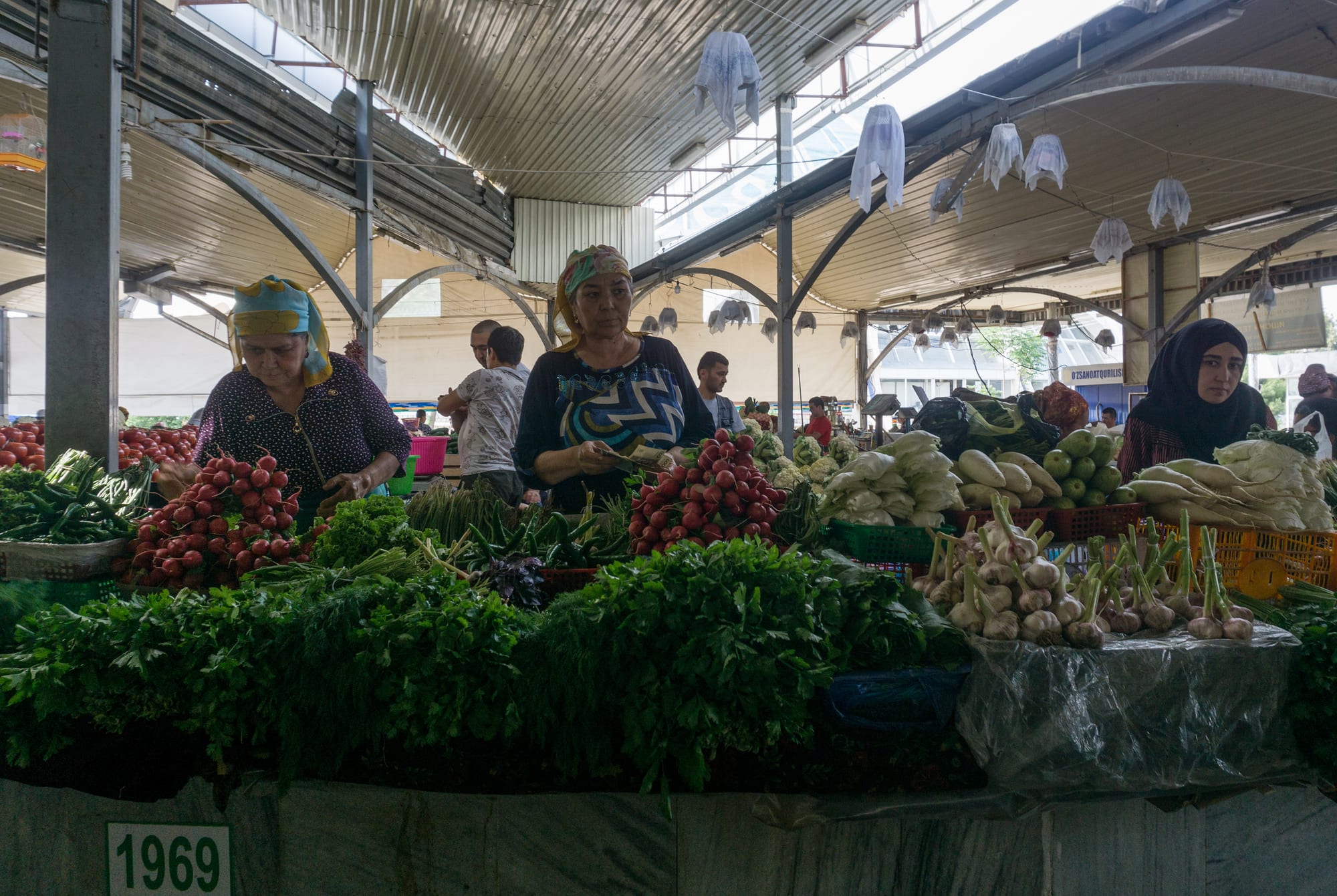
A cuisine shaped by centuries on the Silk Road
Uzbekistan's position along the historic Silk Road brought spices, cooking techniques and trade goods from across Asia into its cities for centuries, and that legacy shows directly in a cuisine built around rice, dried fruit and a national dish cooked in some of the largest batches found anywhere in the world.
The national dish: plov
Plov (osh), rice cooked with meat, usually lamb or beef, carrots and onion, all simmered together in one large pot until the rice absorbs the meat's fat, is Uzbekistan's national dish. Genuinely cooked in enormous quantities for weddings and celebrations, often in giant pots serving hundreds of guests, plov varies by region, with Samarkand and Tashkent styles among the most well-known and distinct.
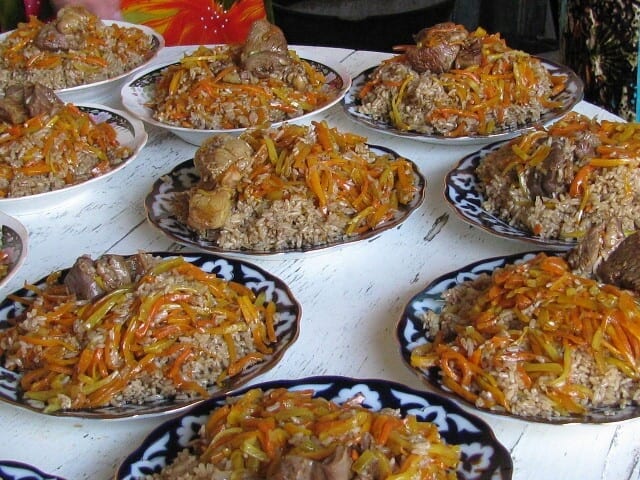
Rice, dried fruit and a genuinely Silk Road pantry
Rice, carrots and dried fruit, particularly raisins and apricots, anchor much of Uzbek cooking, alongside lamb, cumin and coriander that reflect centuries of trade connections along the Silk Road. Bread, baked in a tandoor-style oven and treated with genuine cultural respect, and green tea round out a pantry shaped as much by historic trade as by the country's own farming.
History behind the giant pot
Uzbekistan's Silk Road cities, Samarkand, Bukhara and Khiva among them, were major trading hubs connecting China, Persia and Europe for centuries, and that trade brought rice, spices and cooking techniques that layered onto local farming traditions to produce plov's modern form. The dish's role at weddings, cooked in enormous shared pots specifically to feed large gatherings, reflects a genuine communal food tradition central to Uzbek social life.
Dishes to know
Five more to recognise across Uzbekistan:
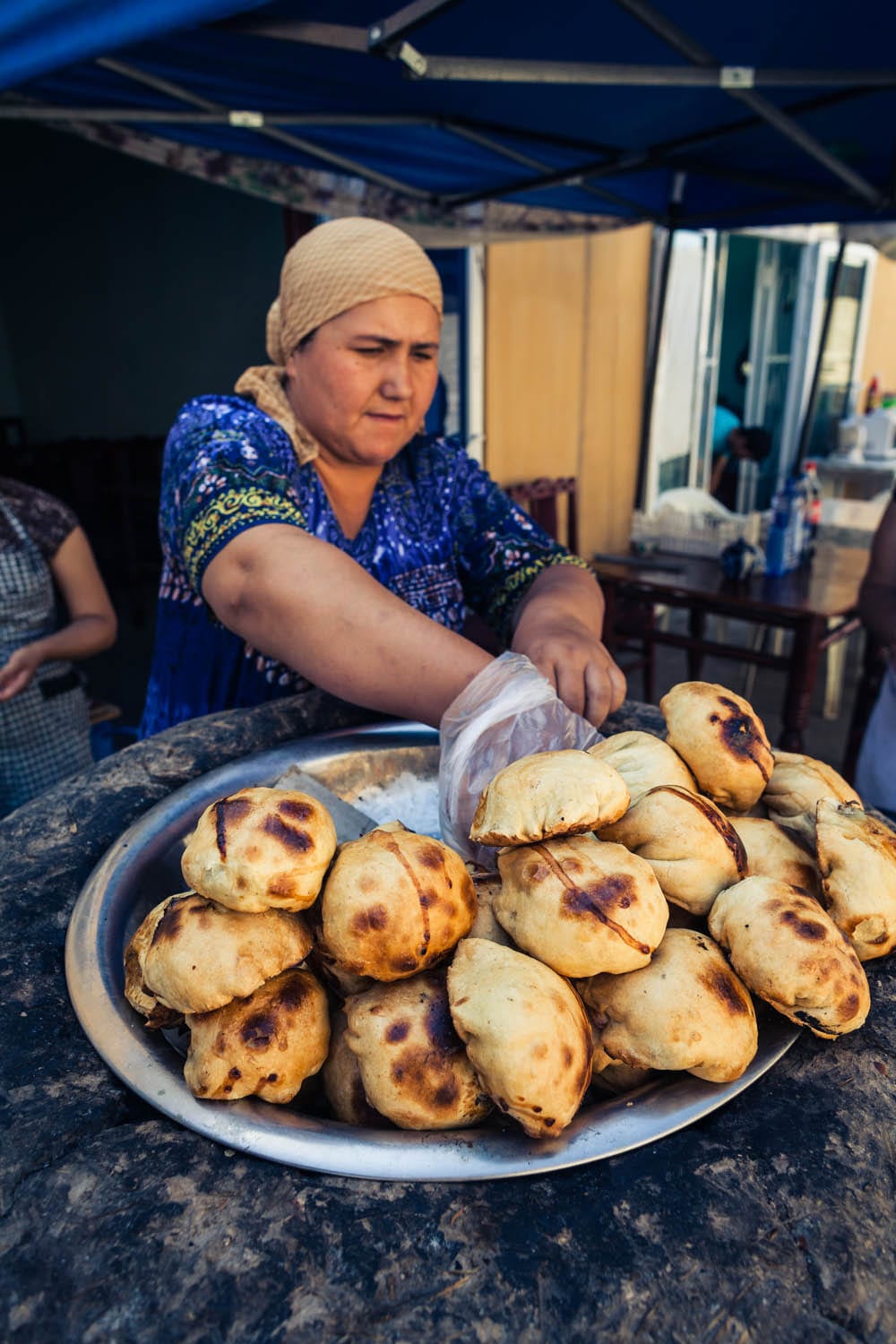
- Somsa — a baked pastry filled with meat, onion and spices, cooked
in a tandoor oven.
- Lagman — hand-pulled noodles served with a meat and vegetable
sauce, reflecting Silk Road trade influence.
- Shashlik — grilled meat skewers, a popular street-food and
restaurant dish.
- Non — traditional round bread, baked in a tandoor and treated with
genuine cultural respect.
- Manti — steamed dumplings filled with meat, often served with
yoghurt.
Drinks
Green tea, drunk throughout the day and offered as a genuine hospitality gesture, is central to Uzbek daily life. Kompot, a drink made from stewed fruit, and fresh fruit juices are also commonly enjoyed.
Eating as a traveller
Vegetarians will find bread, dried fruit and vegetable-based dishes manageable, though meat is central to plov and much of celebratory cooking. Tap water is not reliably safe outside major hotels; bottled water is the safer default. Trying plov at a local market or restaurant, especially around midday when it's traditionally freshest, is a genuine way to taste Uzbekistan's national dish.
What to take from the table
Plov, cooked in giant shared pots for weddings and celebrations, captures Uzbekistan's food story well: a Silk Road cuisine built around trade, hospitality and genuinely communal cooking.