Attractions & Natural Wonders · Uzbekistan
Uzbekistan: Six Attractions and Natural Wonders
Three colossal turquoise-tiled madrasas facing each other across a single square, a leaning minaret that has stood for eight centuries, and a metro system decorated like an underground palace
By Worldlore Editorial · 9 September 2026
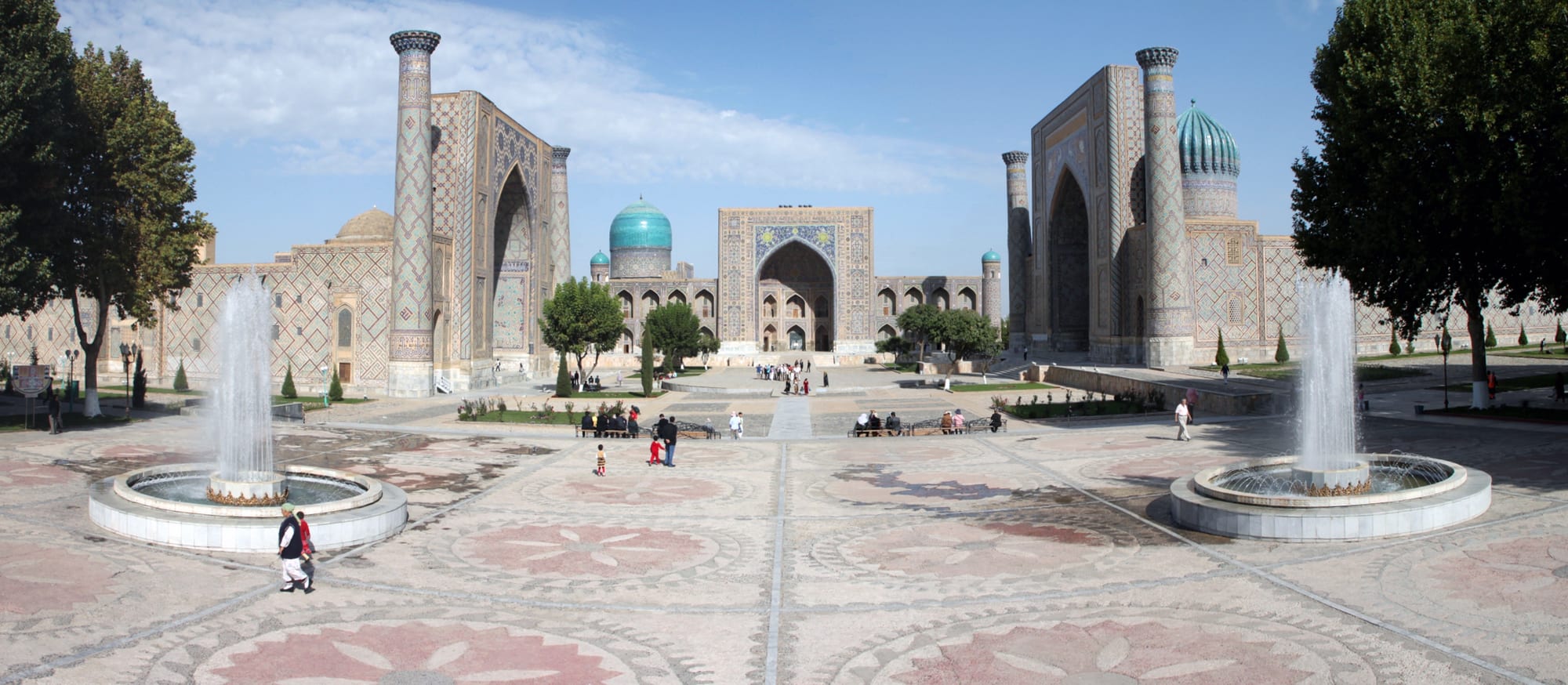
The heart of the ancient Silk Road
Uzbekistan holds some of the most spectacular surviving architecture from the Silk Road era, its ancient cities of Samarkand, Bukhara, and Khiva having served for centuries as crucial trading and cultural hubs linking China, Persia, and Europe. Turquoise-tiled domes, monumental madrasas, and entire walled old cities remain remarkably intact, offering one of the richest concentrations of Islamic architecture found anywhere in Central Asia.
The six below run from Samarkand to Bukhara, Khiva, and the modern capital, Tashkent. Spring and autumn generally offer the most comfortable weather for sightseeing.
1. The Registan, Samarkand
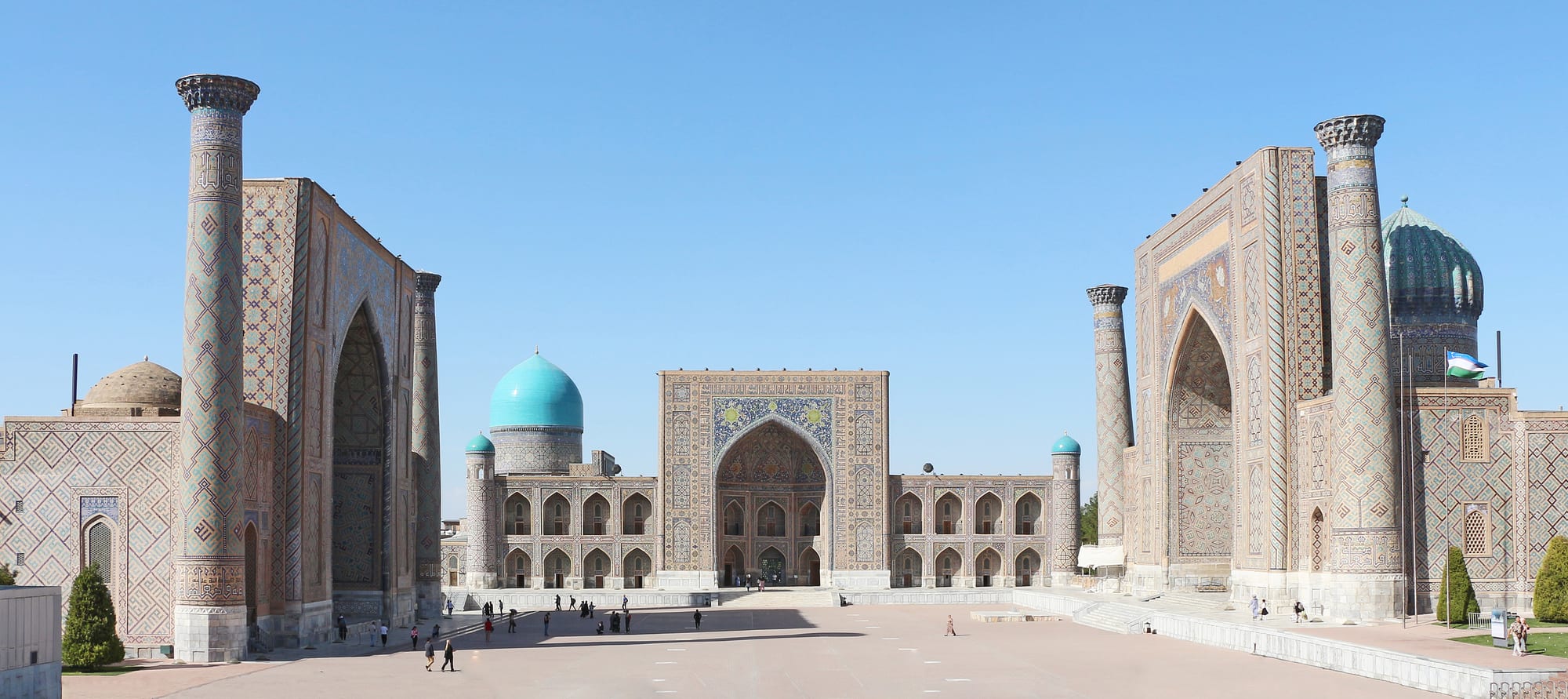
The Registan, the historic heart of Samarkand, is formed by three monumental madrasas built between the 15th and 17th centuries, their facades covered in intricate turquoise and blue tilework depicting geometric and calligraphic patterns. Once a bustling public square and marketplace along the Silk Road, it remains one of the most spectacular examples of Islamic architecture anywhere in the world.
2. Bukhara and the Kalyan Minaret
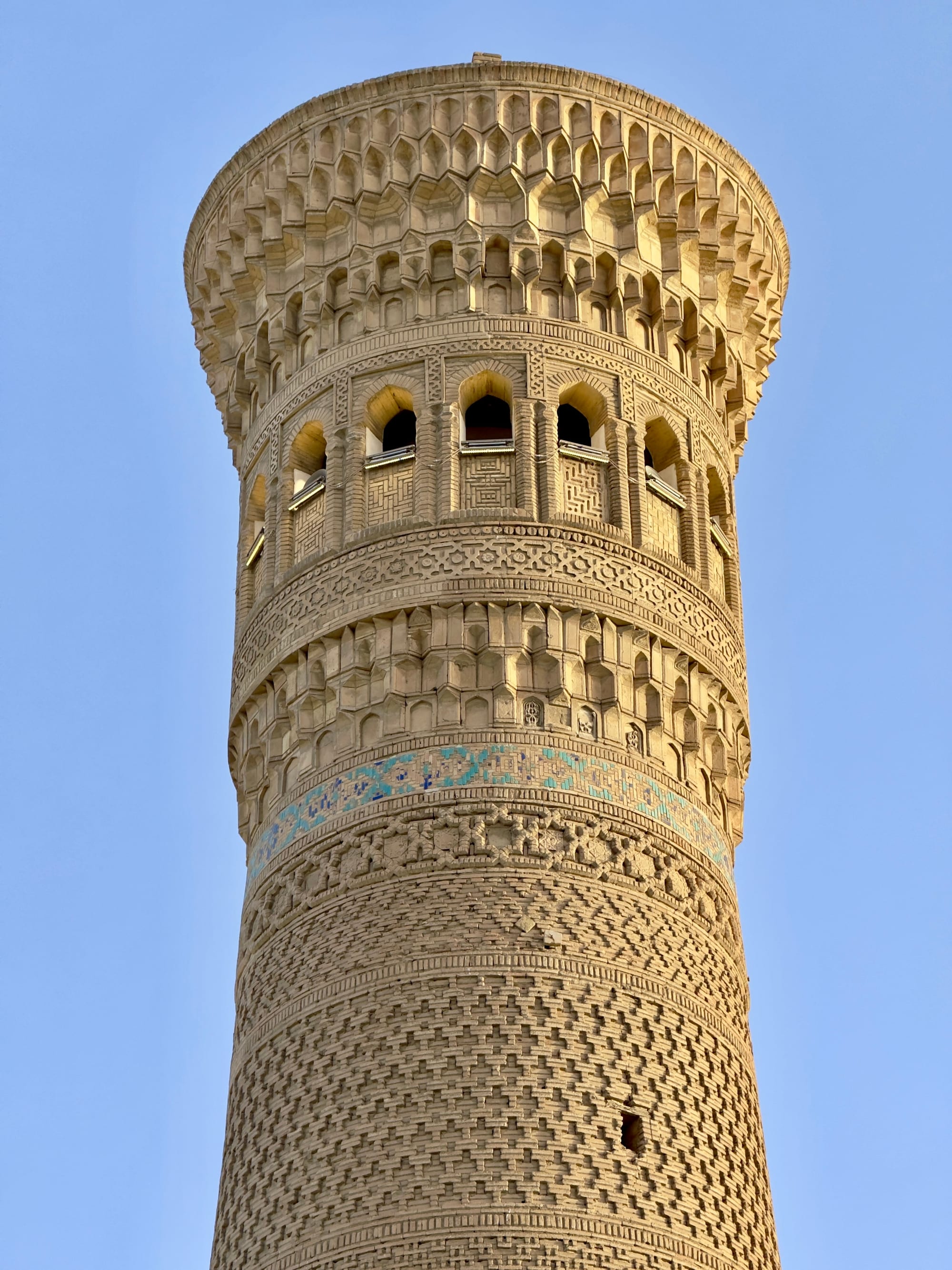
Bukhara, a UNESCO World Heritage Site, preserves one of the best-maintained historic Islamic city centres in Central Asia, anchored by the Kalyan Minaret, built in 1127 and reportedly the tallest structure in Central Asia for centuries — legend holds Genghis Khan was so impressed by it that he spared it from destruction when his forces razed much of the rest of the city.
3. Khiva
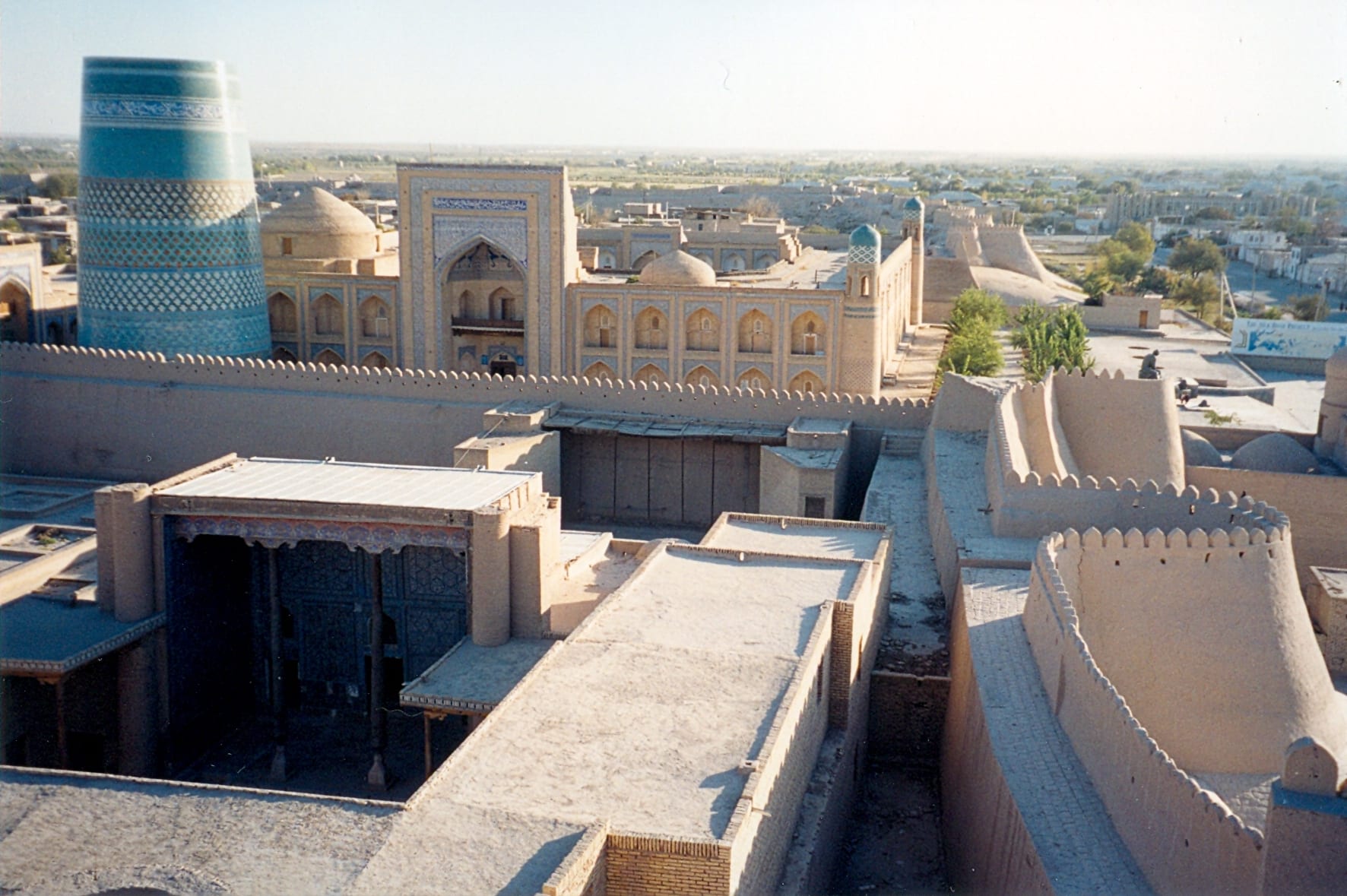
Khiva's walled inner city, Itchan Kala, is one of the most completely preserved examples of a Central Asian Islamic city, its mud-brick fortification walls, mosques, and minarets essentially functioning today as a living open-air museum. A UNESCO World Heritage Site, it offers one of the most immersive historical experiences in the region, largely free of modern development within its walls.
4. Shah-i-Zinda
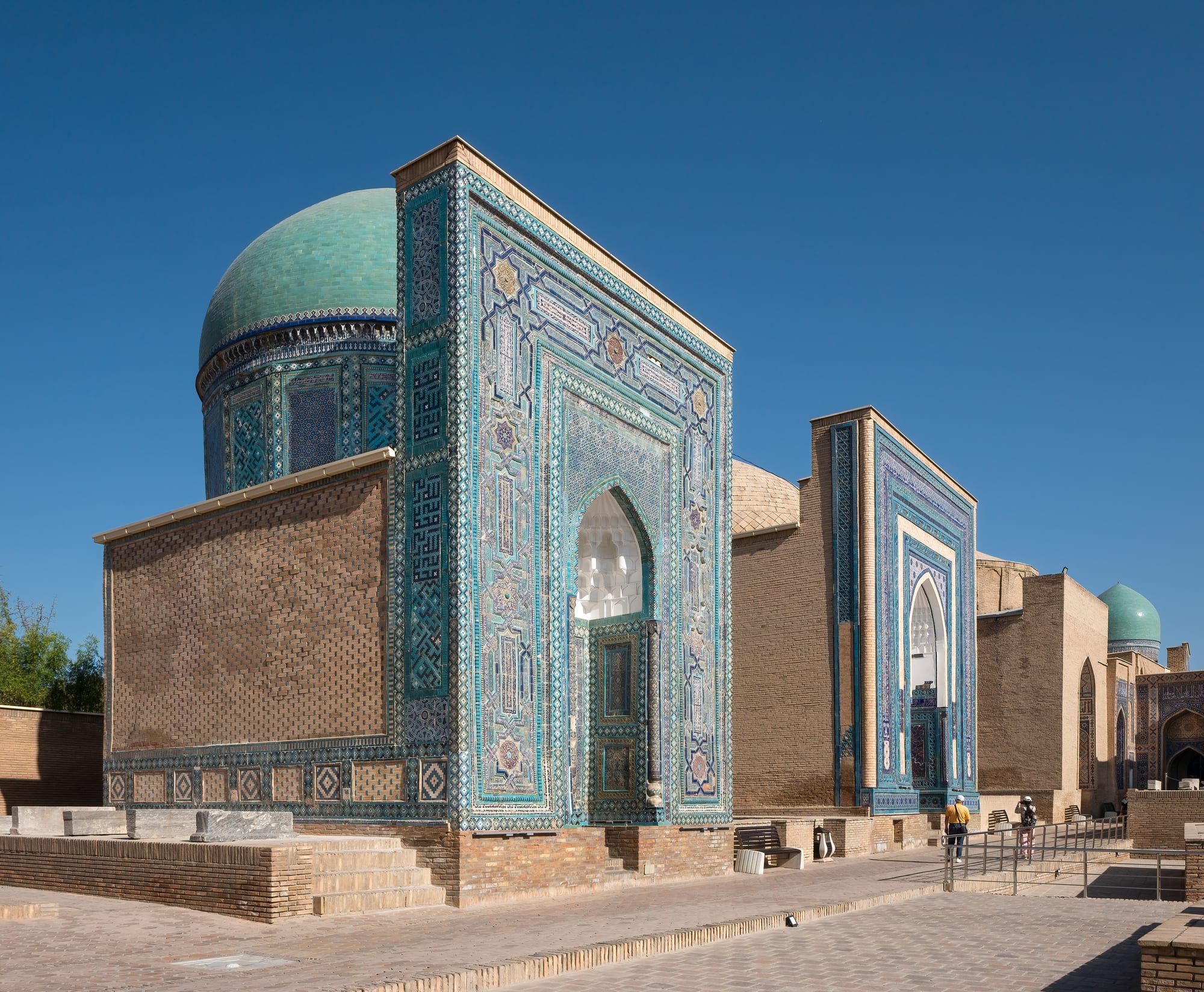
Shah-i-Zinda, a narrow street of mausoleums in Samarkand built up over several centuries, holds some of the finest surviving tilework in Central Asia, each tomb more elaborately decorated than the last. Traditionally associated with a cousin of the Prophet Muhammad said to be buried at the site, it remains an active place of pilgrimage as well as one of the country's most visually striking historical sites.
5. The Tashkent Metro
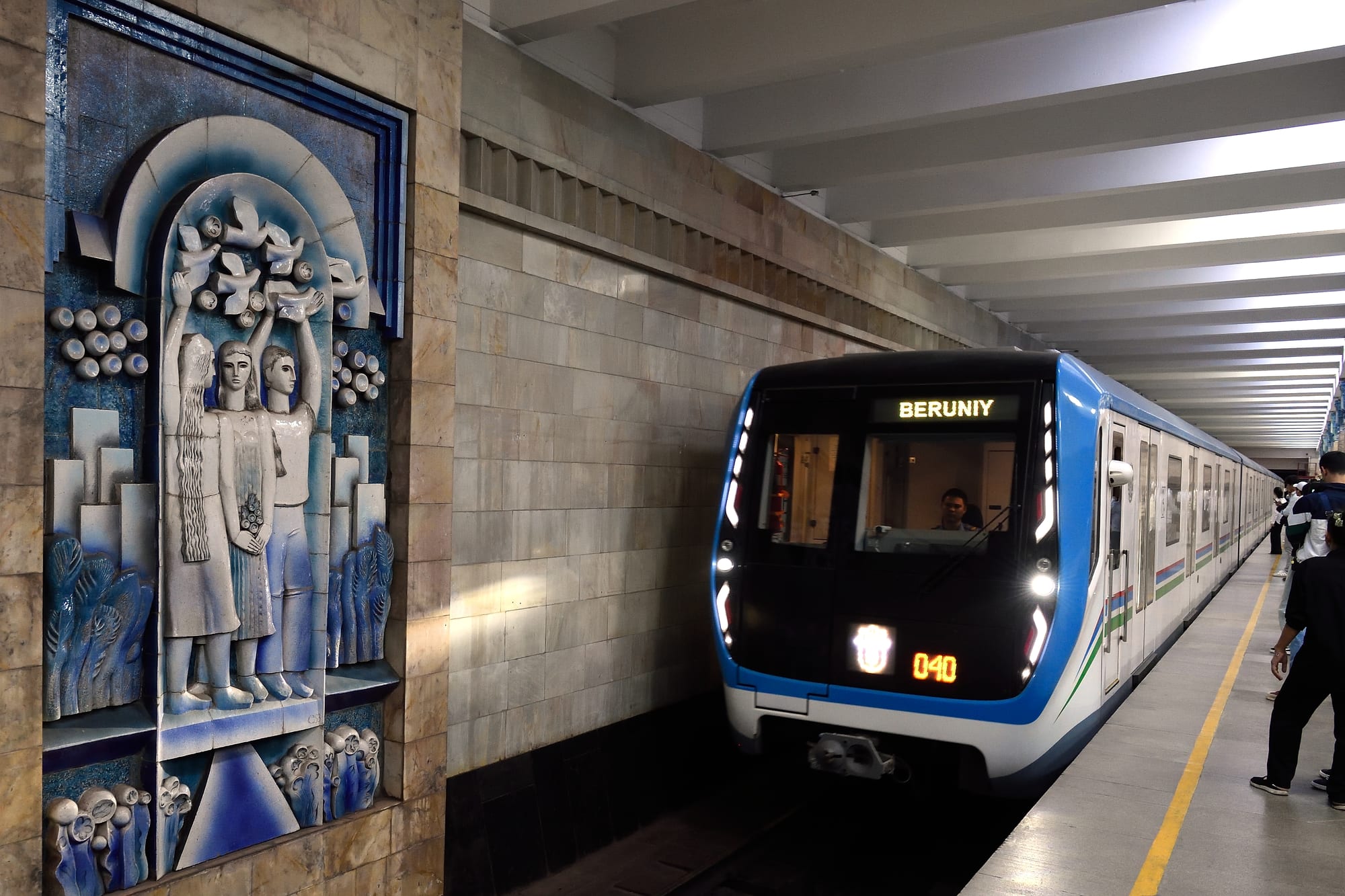
The Tashkent Metro, the first underground rail system in Central Asia, was built by Soviet engineers with the same lavish decorative ambitions as Moscow's famous metro, its stations decorated with chandeliers, marble, and motifs drawing on traditional Uzbek design. Long restricted from photography for security reasons, the system has become an increasingly popular attraction in its own right since restrictions eased.
6. Samarkand at night
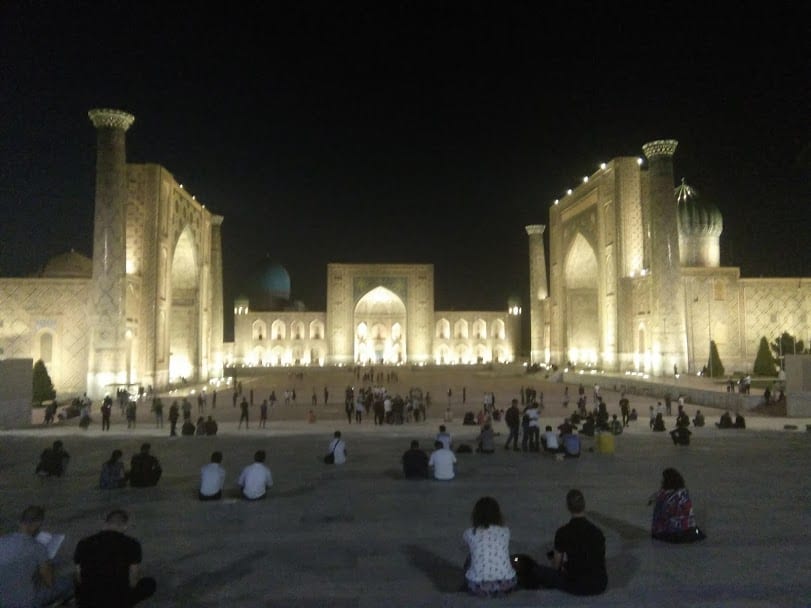
Samarkand's monuments, including the Registan, are lit dramatically after dark, giving a markedly different atmosphere from the daytime crowds and adding an additional, popular reason to spend an evening in the city rather than treating it as a single day trip.
Uzbekistan suits a week to ten days combining Tashkent, Samarkand, Bukhara, and Khiva, with the country's modernised rail network (including a high-speed line between Tashkent and Samarkand) making travel between the main cities straightforward.