History · United States
United States: The Republic That Spread Across a Continent
Thirteen rebel colonies that became a federal republic, expanded across a continent already inhabited, split apart over slavery and reunited by war, and rose in the 20th century to be the world's dominant economic and military power
By Worldlore Editorial · 10 September 2026
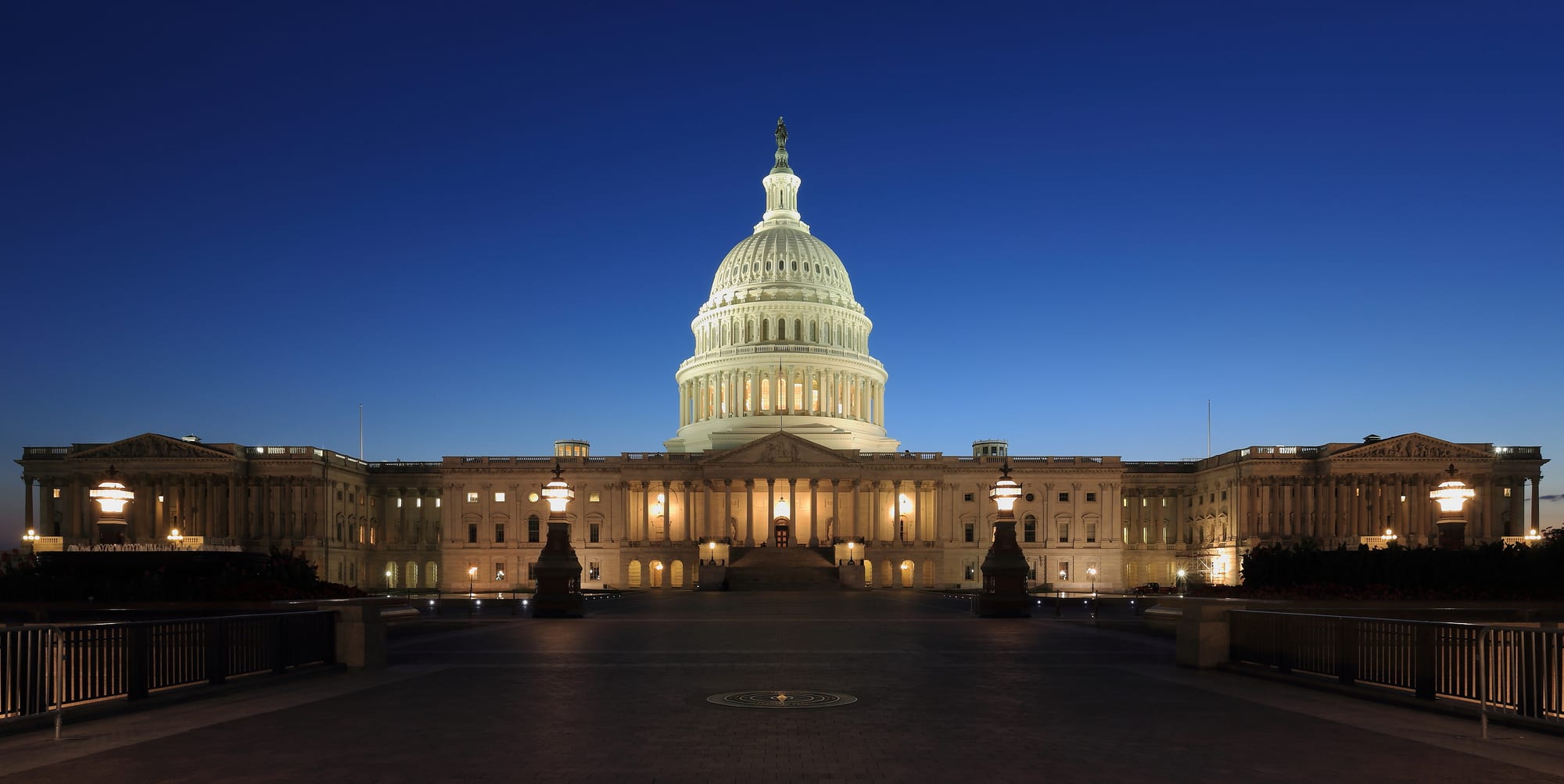
A continental federation
The United States is a federal republic of 50 states and about 335 million people, spanning a continent and reaching into the Pacific and the Arctic. It has the world's largest economy, its most powerful military, and a culture exported globally. It was founded on a written constitution and a set of stated ideals — liberty, equality, government by consent — that it has never fully lived up to, and much of its history is the working out of the gap between those ideals and the realities of slavery, conquest and exclusion.
A short history
- pre-1492
Indigenous America
Hundreds of nations and confederacies across the continent.
- 1607–1733
The thirteen colonies
English settlement from Virginia to Georgia.
- 1775–1783
The Revolution
The colonies win independence from Britain.
- 1787
The Constitution
A federal framework, with slavery embedded in it.
- 1803–1853
Continental expansion
The Louisiana Purchase, Texas, the Mexican War, Oregon.
- 1861–1865
The Civil War
Secession over slavery; Union victory; abolition.
- c. 1870–1914
Industrialisation and immigration
Rapid growth; tens of millions arrive.
- 1917 & 1941
The world wars
The US enters late and emerges dominant.
- 1947–1991
The Cold War
Superpower rivalry with the Soviet Union.
- 1954–1968
The civil rights movement
The dismantling of legal segregation.
Colonies and revolution
The land was home to a vast diversity of Indigenous peoples — farming confederacies, hunter-gatherer bands, city-builders — whose populations were devastated by European diseases after 1492. English colonies were established along the Atlantic seaboard from 1607, developing distinct societies: New England towns built around Puritan congregations, and southern colonies built around tobacco and rice plantations worked by enslaved Africans. After Britain tried to tax the colonies to pay for imperial defence, resistance escalated into revolution; the Declaration of Independence of 1776 asserted that "all men are created equal," and with French help the colonies won the war by 1783. The 1787 Constitution created a stronger federal government with checks and balances — and counted enslaved people as three-fifths of a person for representation while protecting the slave trade for 20 years.
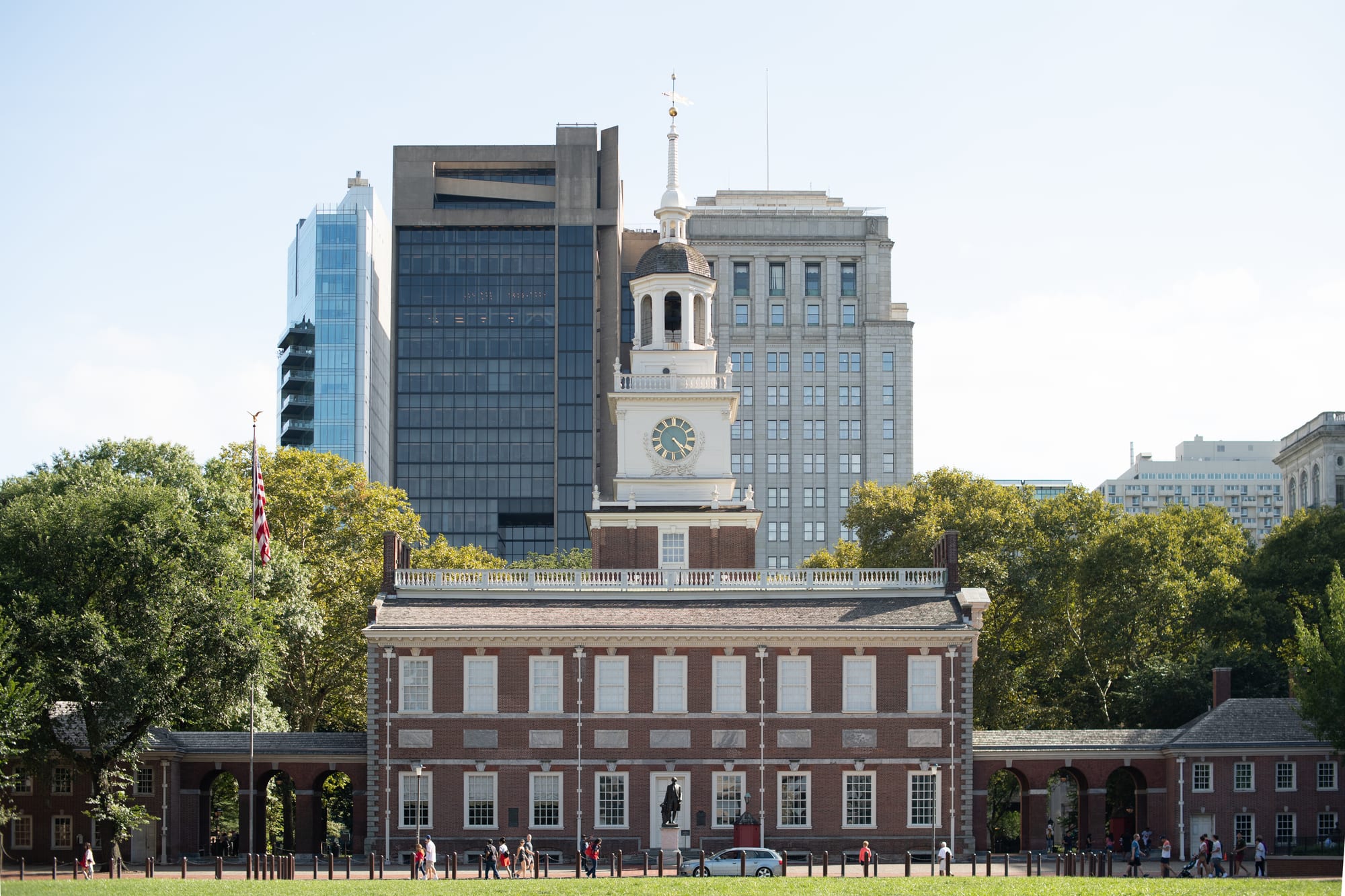
Expansion and removal
Through the 19th century the United States expanded across the continent: the 1803 Louisiana Purchase from France doubled its size, Florida was acquired from Spain, Texas was annexed in 1845, the 1846–48 war with Mexico took the Southwest and California, and the Oregon territory was split with Britain. This expansion came at the direct expense of Native nations, who were pushed west, confined to reservations, and subjected to removals such as the Cherokee "Trail of Tears" of 1838 and, later, a series of wars on the Plains. The idea of "Manifest Destiny" framed the process as providential.
Slavery and the Civil War
Expansion forced the question of whether new states would permit slavery, and each compromise held for less time than the last. The 1860 election of Abraham Lincoln, opposed to slavery's spread, prompted eleven southern states to secede and form the Confederacy. The Civil War of 1861–65 was the deadliest in American history — around 750,000 dead — and ended in Union victory, the abolition of slavery by the Thirteenth Amendment, and constitutional guarantees of citizenship and voting rights for Black Americans. Those guarantees were then hollowed out: after Reconstruction ended in 1877, southern states imposed racial segregation and disenfranchisement ("Jim Crow") that lasted almost a century.
Industry, immigration, and world power
Between the Civil War and 1914 the US became the world's largest industrial economy, built by railroads, steel, oil and finance, and by tens of millions of immigrants, mostly from Europe. Great fortunes and grinding urban poverty coexisted, and a Progressive movement pushed reforms in the early 20th century. The US entered the First World War in 1917 and tipped its outcome, then retreated into isolation. The 1929 crash brought the Great Depression, met by Franklin Roosevelt's New Deal. Entry into the Second World War after Pearl Harbor in 1941 made the US the arsenal of the Allied victory; it ended the war as the only major power with its economy intact, and the only one with the atomic bomb.
The Cold War and after
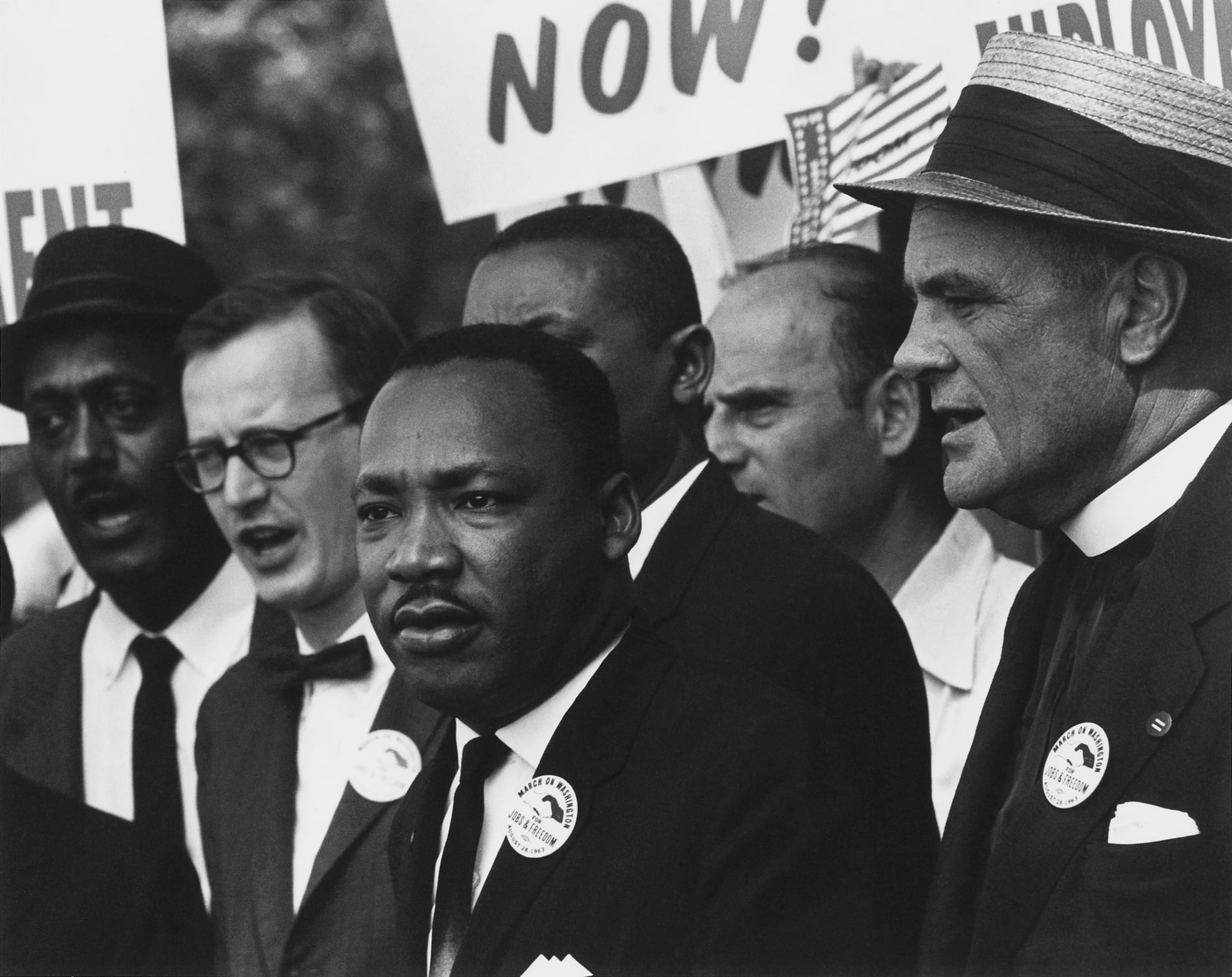
For four decades the US led the Western bloc against the Soviet Union: NATO, the Marshall Plan, the nuclear arms race, the space race, and hot wars in Korea and Vietnam. At home, the civil rights movement dismantled legal segregation in the 1950s and 1960s; the era also brought the Great Society welfare and rights expansions, and, from the 1970s, a conservative turn. The Soviet collapse in 1991 left the US as the sole superpower. The 2001 terrorist attacks led to wars in Afghanistan and Iraq; the 2008 financial crisis originated in American mortgage markets. Politics has grown sharply polarised, culminating in disputes over the 2020 election and the 6 January 2021 attack on the Capitol.
What the United States carries
The United States was founded on universal principles and on their contradiction: a republic of liberty built on slavery and on land taken from Native nations. Its history is in large part the struggle to close that gap — the Civil War, the Reconstruction amendments, the civil rights movement, and the arguments that continue. Abroad, its 20th-century rise to primacy shaped the global order that still largely stands; whether it will keep shaping it is the open question of the present.