Daily Life · United States
United States: A Country Built Around the Car
Suburban households spread across a continent, a working culture with no legal right to a single day of paid holiday, and a daily rhythm that varies enormously by region even as the school bus and the supermarket run remain close to universal
By Worldlore Editorial · 30 September 2026
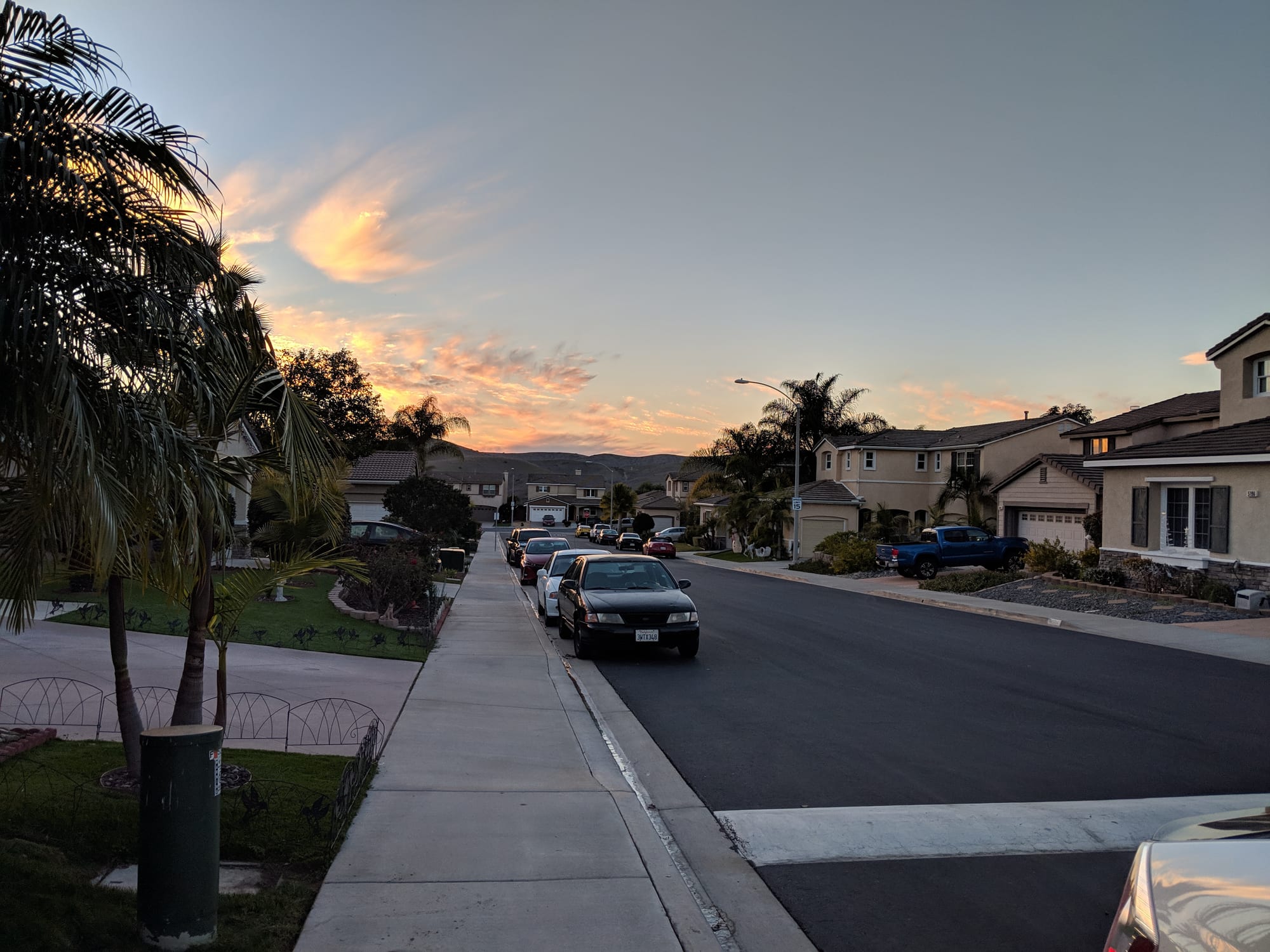
An ordinary day in the United States depends heavily on where in the country it is being lived: New England, the South, the Midwest, Texas, the Southwest, the Pacific coast and the big cities each carry their own pace, climate and culture, and state law itself changes what is normal from one side of a border to the other. What holds nationwide is that most Americans, roughly four in five, live in officially urbanised areas, and a large share of those describe their own neighbourhood as suburban rather than urban. Life for the large majority is organised around driving: to work, to school pickup, to the supermarket, to a big-box store, because only a handful of cities have public transport good enough to make a car genuinely optional.
Family and home life
The average US household has been shrinking for decades and stands at about two and a half people, though family size still varies by region, religion and income, and grandparents and adult children living together, or adult children returning home after college, has become more common as housing costs have risen. Single-family detached houses with their own yard remain the dominant housing type outside the largest cities, typically financed with a mortgage over 15 to 30 years, while apartment and condominium living is concentrated in and around the big metropolitan cores. Homeownership is widely treated as a marker of financial stability and a central life goal, and the neighbourhood a family can afford to live in usually determines which public school their children attend, since school funding in many states depends heavily on local property taxes.
Work, school and the rhythm of the day
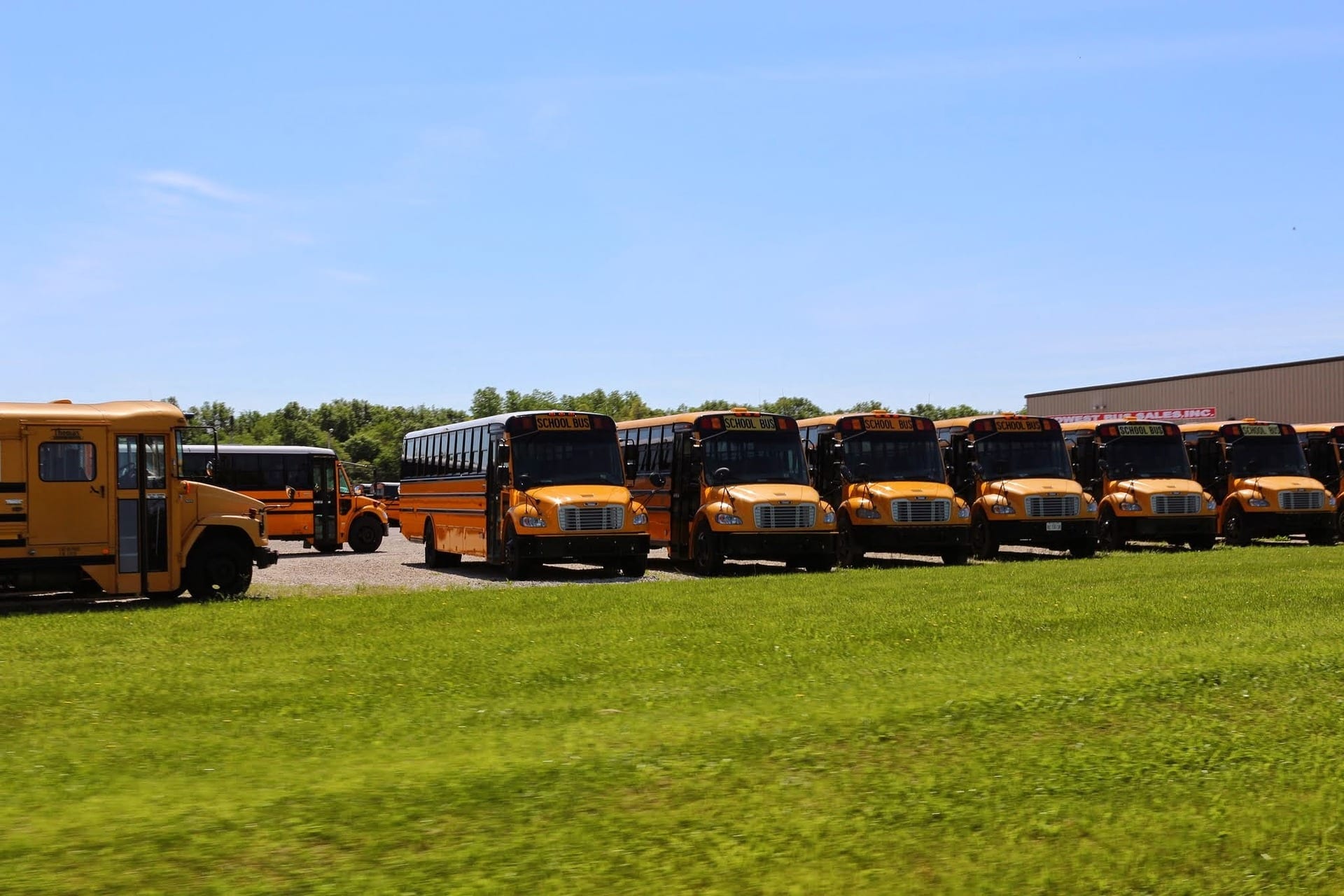
The United States is one of very few wealthy democracies that guarantee no minimum amount of paid vacation by law: employers decide for themselves, around two weeks a year after a year on the job is common in the private sector, and a sizeable minority of workers, disproportionately in lower-paid jobs, receive no paid vacation at all. A standard full-time week is considered 40 hours, though salaried professional jobs frequently run longer in practice, and two-income households are common. The school year generally runs from late August or early September to May or June, with the exact calendar, funding model and curriculum set locally by about 13,000 separate school districts rather than nationally, a genuinely decentralised system compared with most countries. Getting to school is itself a distinct national institution: about 26 million children ride a yellow school bus each day, more than half of all school pupils.
Community life and public spaces
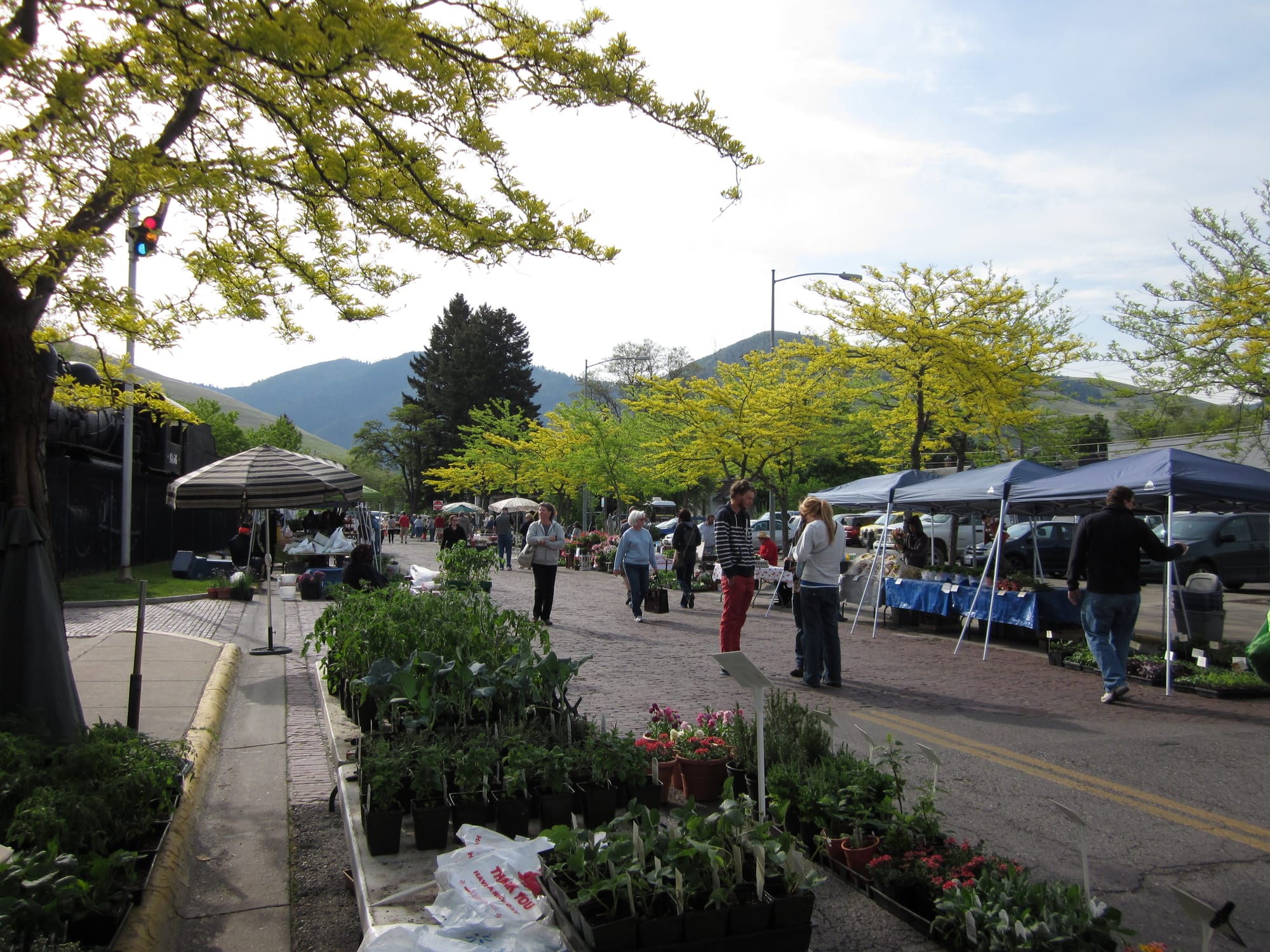
Because so much daily life happens by car, the supermarket, the shopping centre or strip mall, and the big-box store function as the most-visited shared public spaces in many communities, especially outside older city centres built before cars were common. Farmers markets, held weekly in town squares or closed-off streets in warmer months, have grown steadily in popularity over recent decades and now number in the thousands nationwide, drawing a genuine cross-section of a town rather than only tourists. Public libraries remain one of the few truly free, non-commercial gathering spaces in most towns, and churches, though attendance has declined significantly over the past generation, still anchor community life and mutual aid in many communities, particularly across the South and rural Midwest. In cities with strong transit, above all New York, subways and buses carry the same structural role that the car plays everywhere else.
Free time and weekends
Youth sports absorb an enormous share of family weekend time nationwide, organised leagues in soccer, baseball, football, basketball and other sports fill Saturday mornings for millions of children, with parents driving between practices and games as a matter of routine. High school football carries particular weight in much of the country, especially the South and parts of the Midwest and Texas, where a Friday night game can draw a meaningful share of an entire small town. Sunday afternoons in autumn and winter are widely organised around the National Football League, watched at home or in bars in a genuinely nationwide ritual, and a large number of households belong to a house of worship that structures part of the weekend around a Sunday, or for some communities Friday or Saturday, service. Malls, movie theatres and, increasingly, streaming at home fill out the rest of a typical weekend, alongside road trips that make use of the sheer size and variety of the country's landscape.
A visitor's ordinary day
Cards and mobile payment are accepted almost everywhere, and in the 45 states that levy it, sales tax is added at the register rather than included in the sticker price, so the total at checkout runs higher than the number on the shelf. A rental car is effectively necessary outside a short list of transit-friendly cities, and domestic flights, rather than trains, are the practical way to cover long distances between regions. Shops and supermarkets tend to keep long hours, often open into the evening seven days a week, considerably later than is typical in much of the world. The most consequential practical difference for a visitor is healthcare: there is no universal public health system, medical costs are very high without insurance, and comprehensive travel insurance is essential even for a short trip.
What to take away
There is no single American ordinary day so much as fifty overlapping versions of one, but nearly all of them run on the same underlying machinery: a car in the driveway, a school bus on the route, and a working culture that offers less guaranteed rest than almost anywhere else in the developed world.