Attractions & Natural Wonders · United Kingdom
United Kingdom: Ten Attractions and Natural Wonders
A prehistoric stone circle older than the pyramids, a coastline of tens of thousands of naturally hexagonal basalt columns, and a castle perched on a volcanic rock that has guarded a capital for over a thousand years
By Worldlore Editorial · 10 September 2026
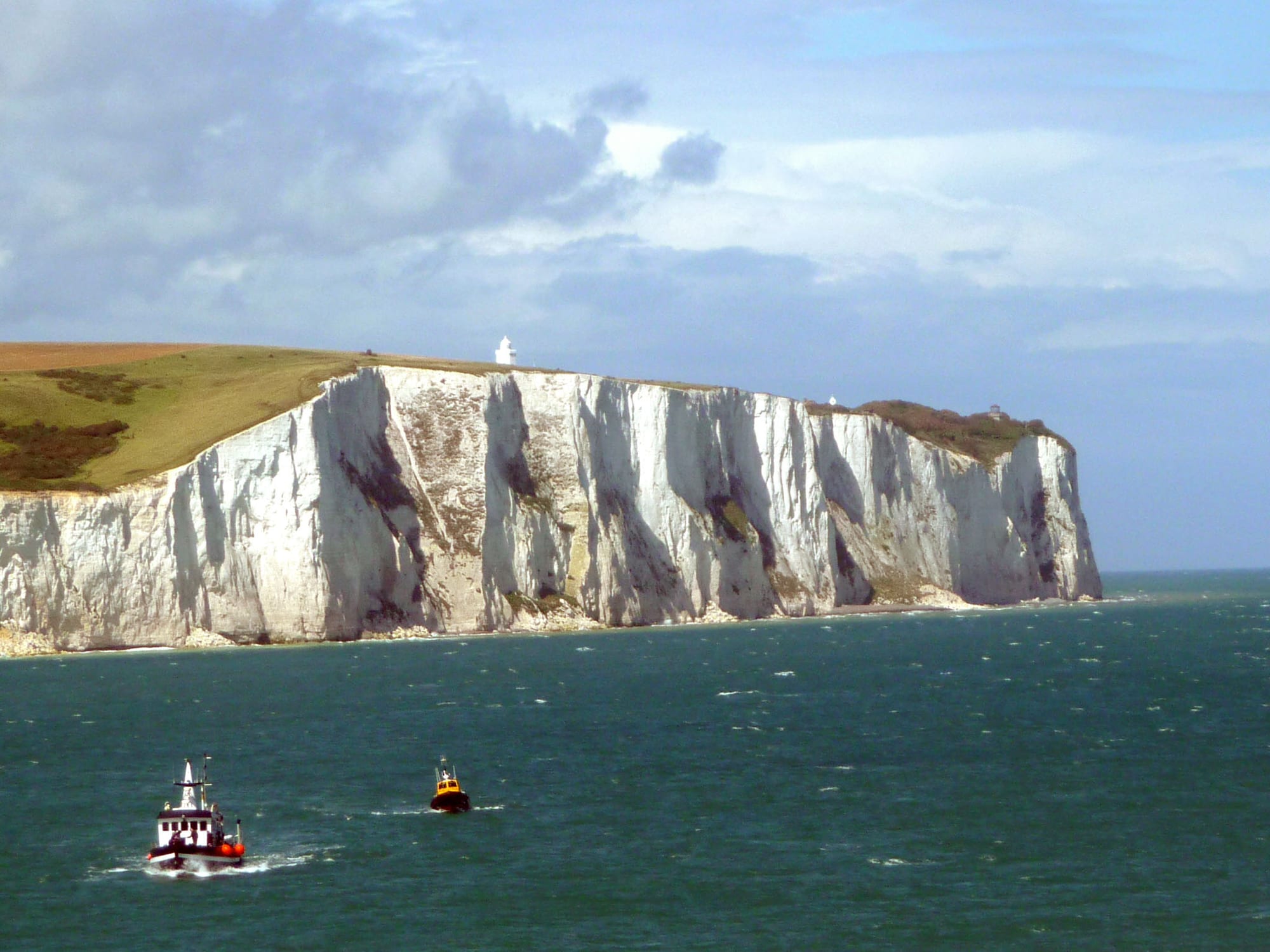
Four nations, an enormous range of history and landscape
The United Kingdom, made up of England, Scotland, Wales, and Northern Ireland, packs an extraordinary density of history and distinctive landscape into a relatively compact area — a stone circle predating the Egyptian pyramids, a capital shaped by two millennia of continuous settlement, and coastlines with geological formations found in only a handful of places worldwide. Each of its four nations retains its own distinct culture and, in Scotland and Wales, its own language traditions still spoken today.
The ten below run from southern England to London, Scotland, and Northern Ireland. The country is a year-round destination, though summer generally offers the most reliable weather.
1. Stonehenge
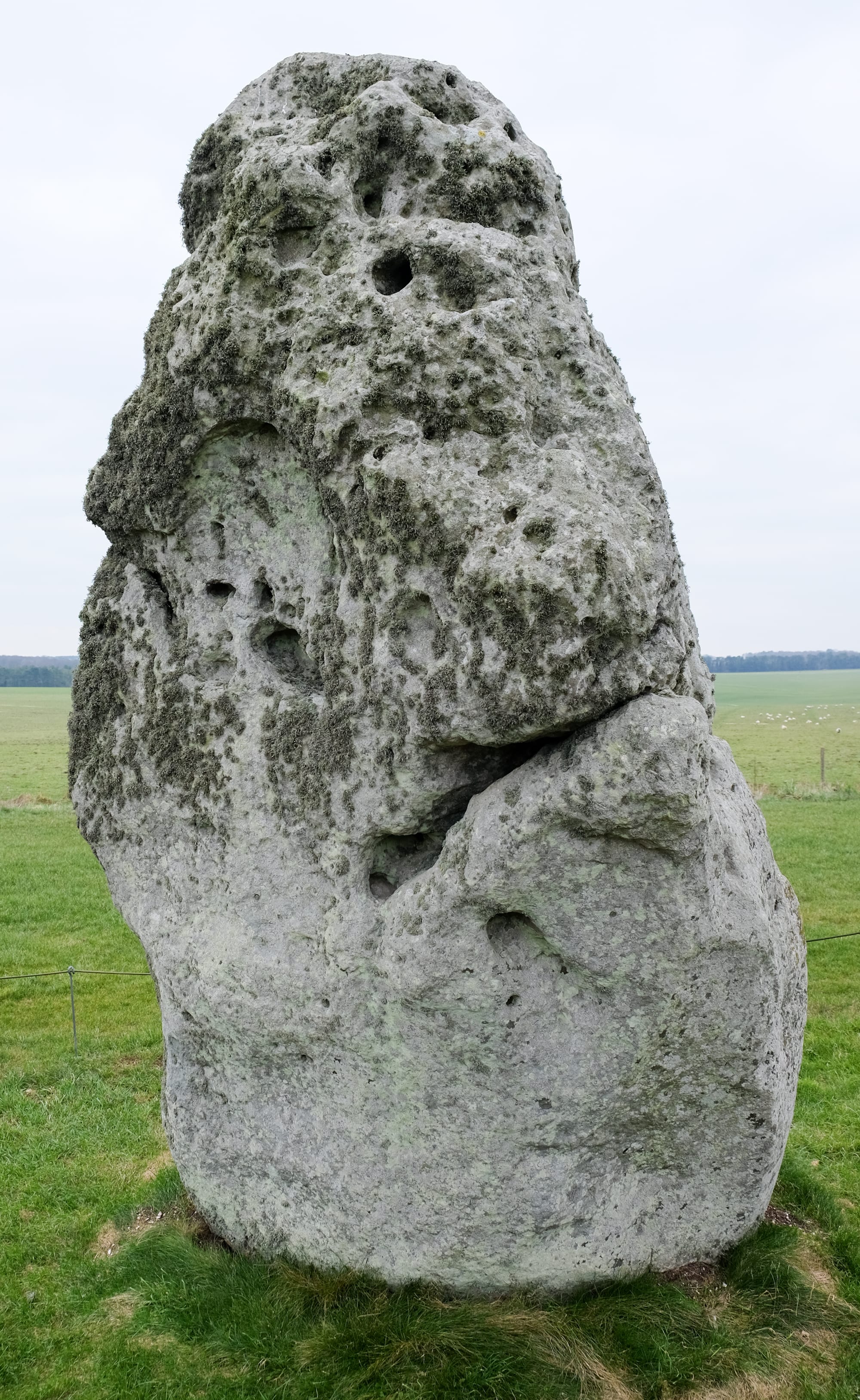
Stonehenge, erected in stages beginning around 3000 BC, remains one of the most studied and least fully understood prehistoric monuments on earth — theories about its purpose range from an astronomical calendar to a ceremonial burial site, and the exact method used to transport some of its massive stones over long distances is still debated. A UNESCO World Heritage Site, it draws especially large crowds each year for the summer and winter solstices.
2. Big Ben and the Houses of Parliament
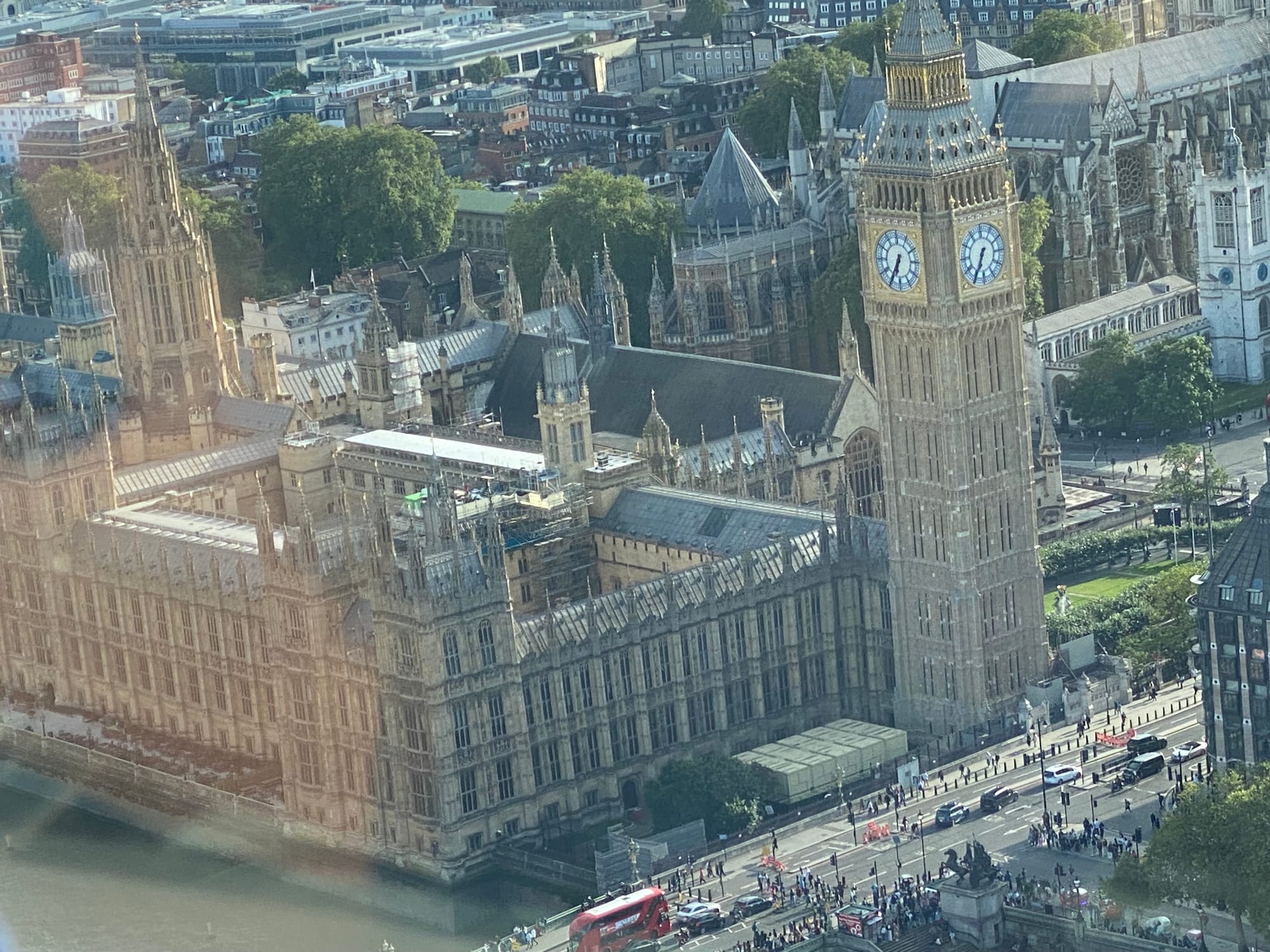
The Houses of Parliament, rebuilt in ornate Gothic Revival style after an 1834 fire destroyed most of the original medieval palace, remains the seat of the UK Parliament, with its clock tower (popularly, if technically inaccurately, called Big Ben after its largest bell) one of the most recognisable landmarks in the world.
3. Tower Bridge
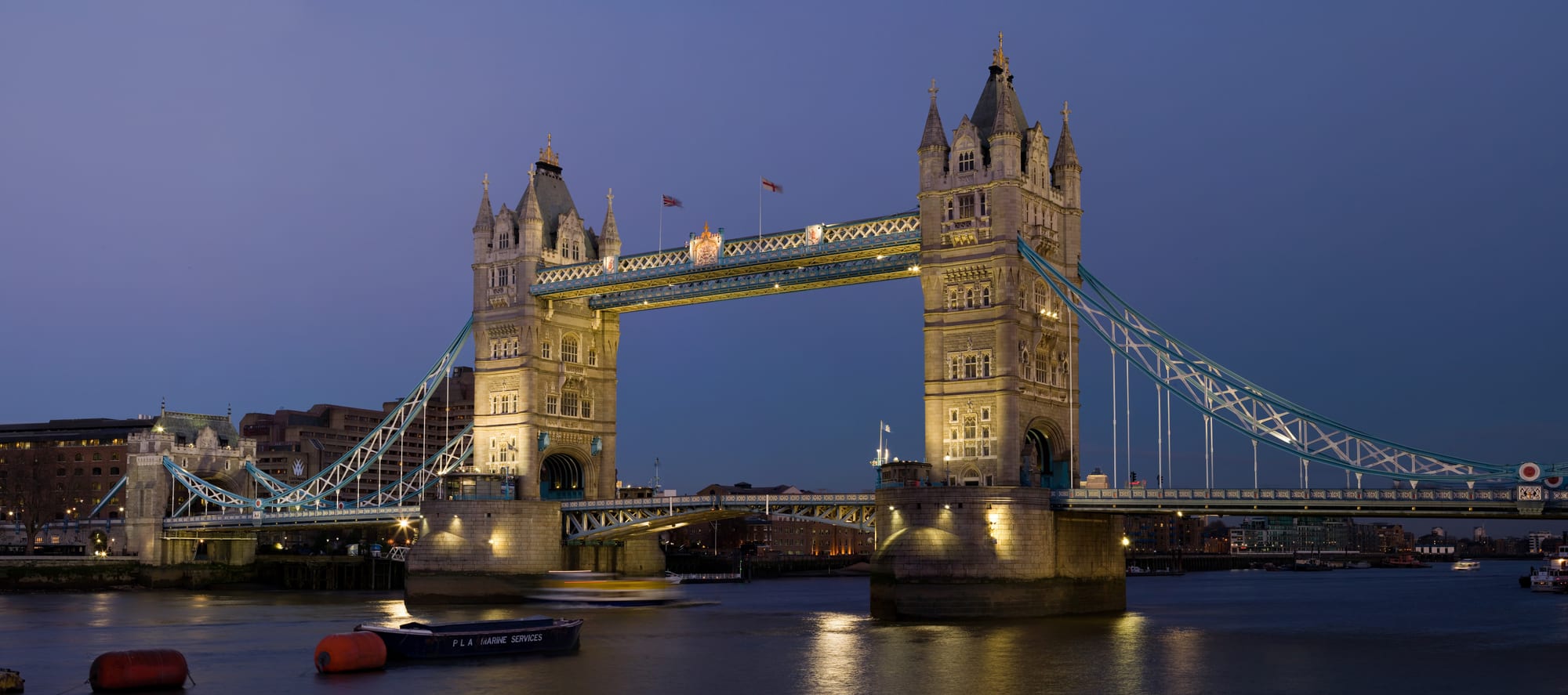
Tower Bridge, completed in 1894, remains a functioning bascule bridge whose central roadway sections still lift to allow tall ships through the Thames, a mechanism visitors can watch in action from a glass walkway high above the road. Its neo-Gothic towers, deliberately designed to complement the nearby Tower of London, have made it one of the most photographed bridges in the world.
4. Edinburgh Castle
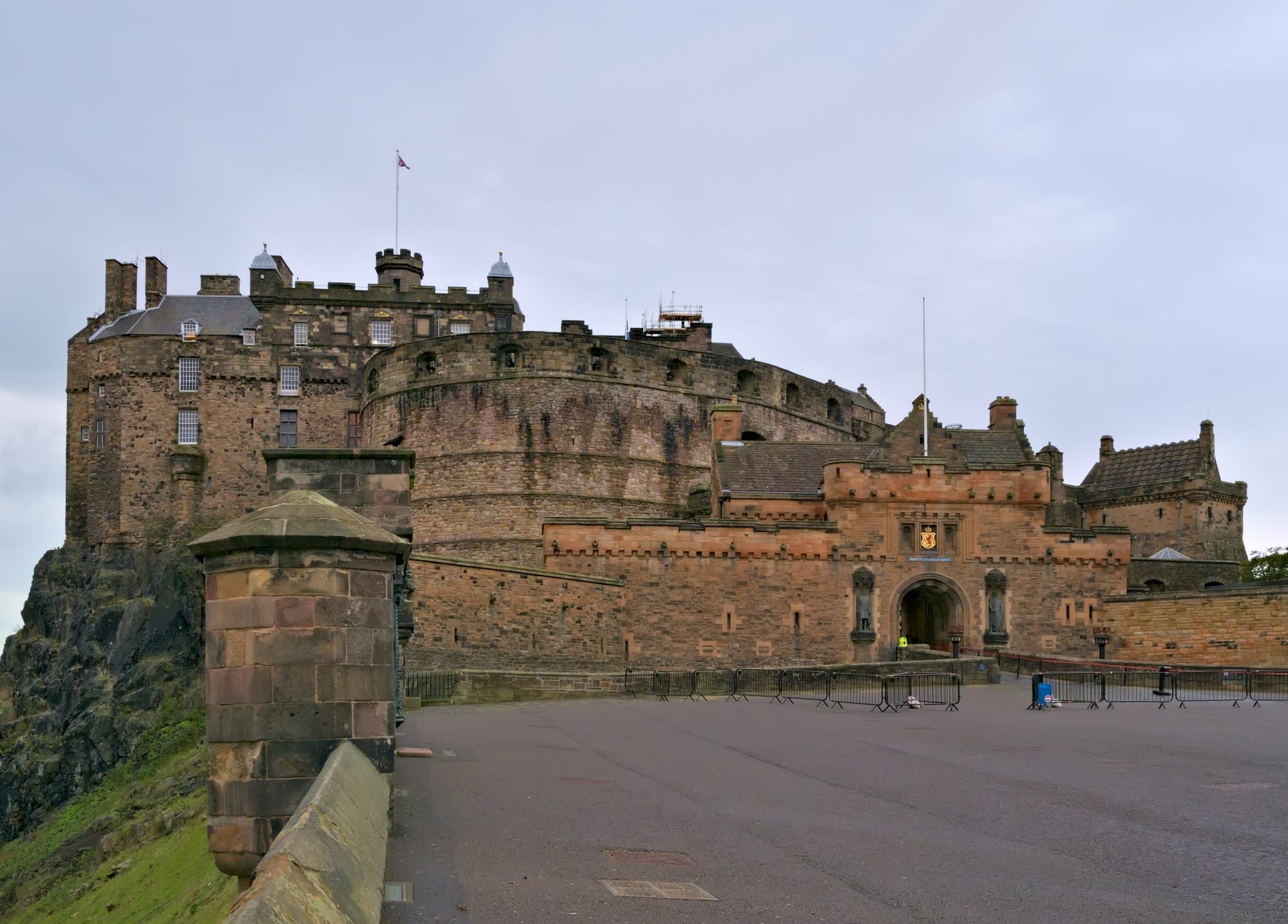
Edinburgh Castle sits atop an extinct volcanic plug that has been fortified in some form for over a thousand years, dominating the Scottish capital's skyline and hosting the annual Royal Edinburgh Military Tattoo, one of the country's most significant cultural events. Its position at the top of the Royal Mile links it directly to Edinburgh's historic old town below.
5. The Giant's Causeway
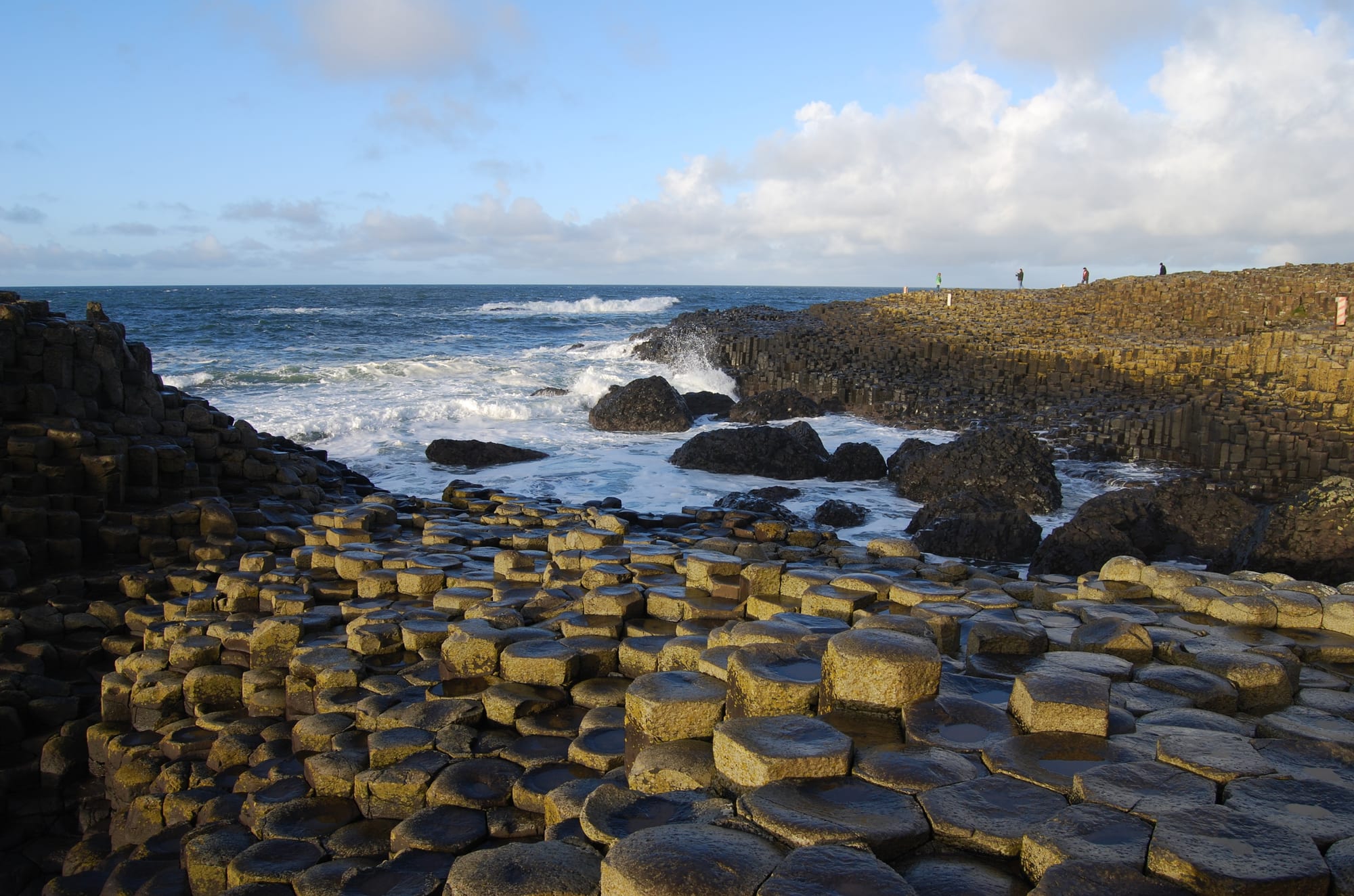
The Giant's Causeway, on Northern Ireland's Antrim coast, consists of some 40,000 interlocking hexagonal basalt columns formed by rapidly cooling lava around 60 million years ago — a geological process local legend instead attributes to the giant Finn McCool, said to have built the causeway to reach a rival giant in Scotland. A UNESCO World Heritage Site, it remains one of the most visited natural landmarks in Northern Ireland.
6. The Lake District
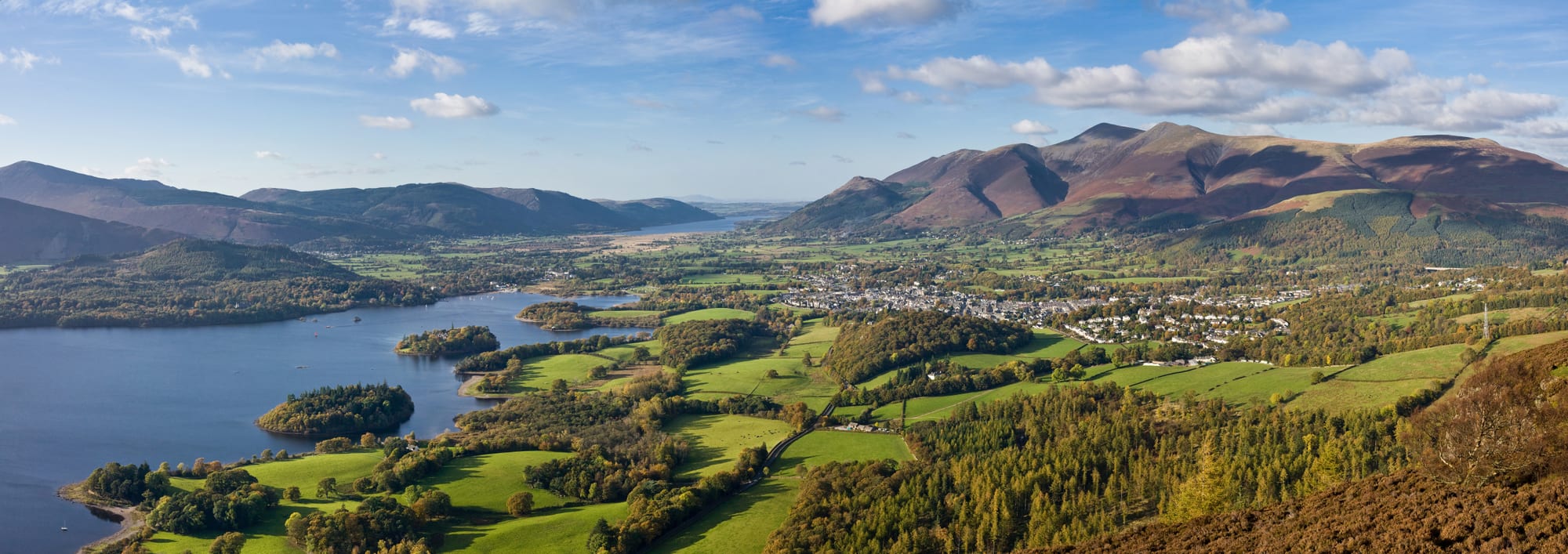
The Lake District, a UNESCO World Heritage Site in northwest England, holds England's highest mountains and largest natural lakes, its dramatic scenery having directly inspired the Romantic poets, most famously William Wordsworth, along with generations of hikers drawn to its network of well-established fell-walking routes.
7. Britain's prehistoric landscape
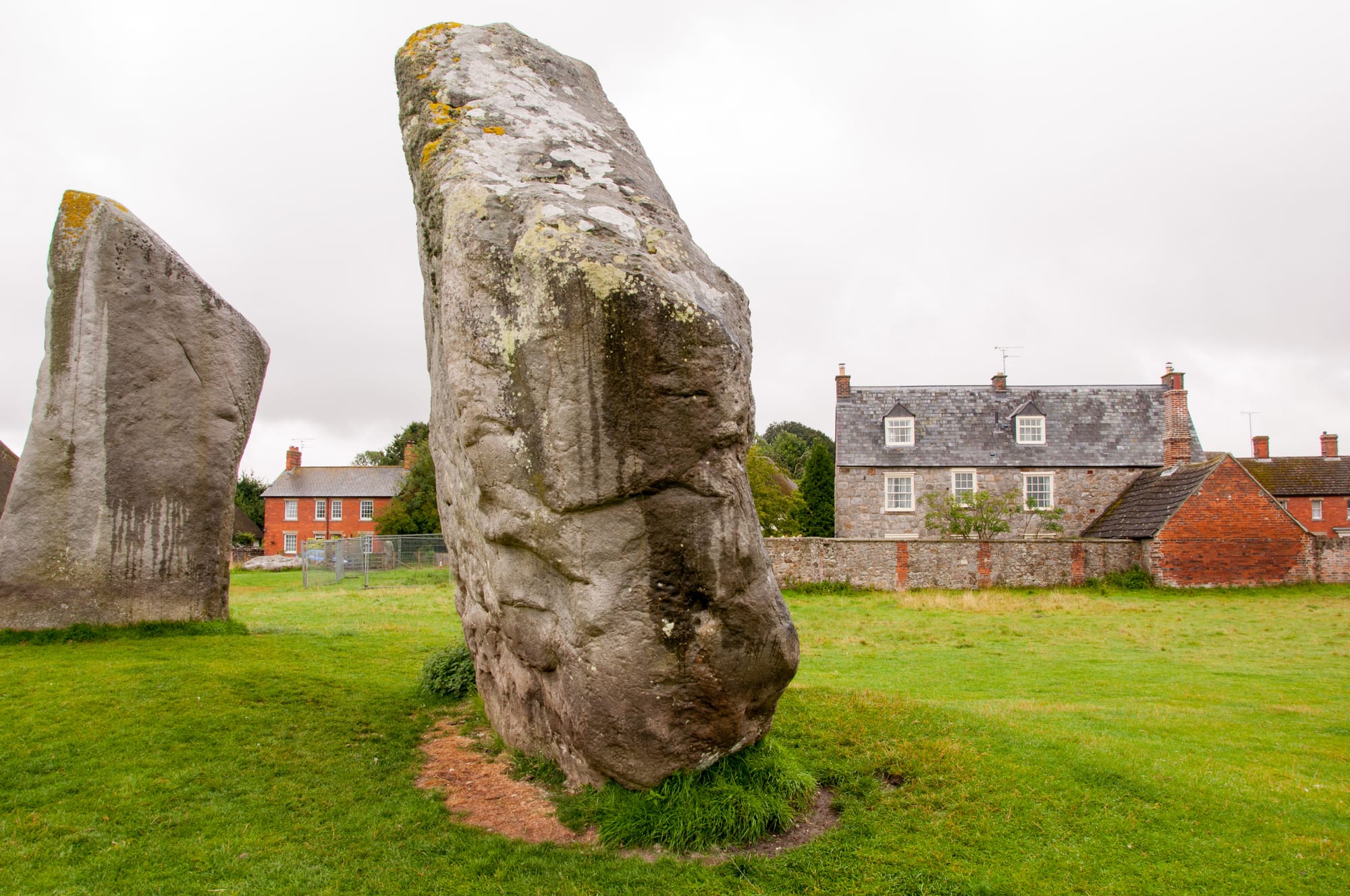
Beyond Stonehenge itself, the surrounding Wiltshire countryside holds a dense concentration of related prehistoric monuments, including the nearby stone circle at Avebury (larger, if less famous, than Stonehenge) and numerous ancient burial mounds, together forming one of the richest prehistoric landscapes anywhere in Europe.
8. Bath and the Roman Baths
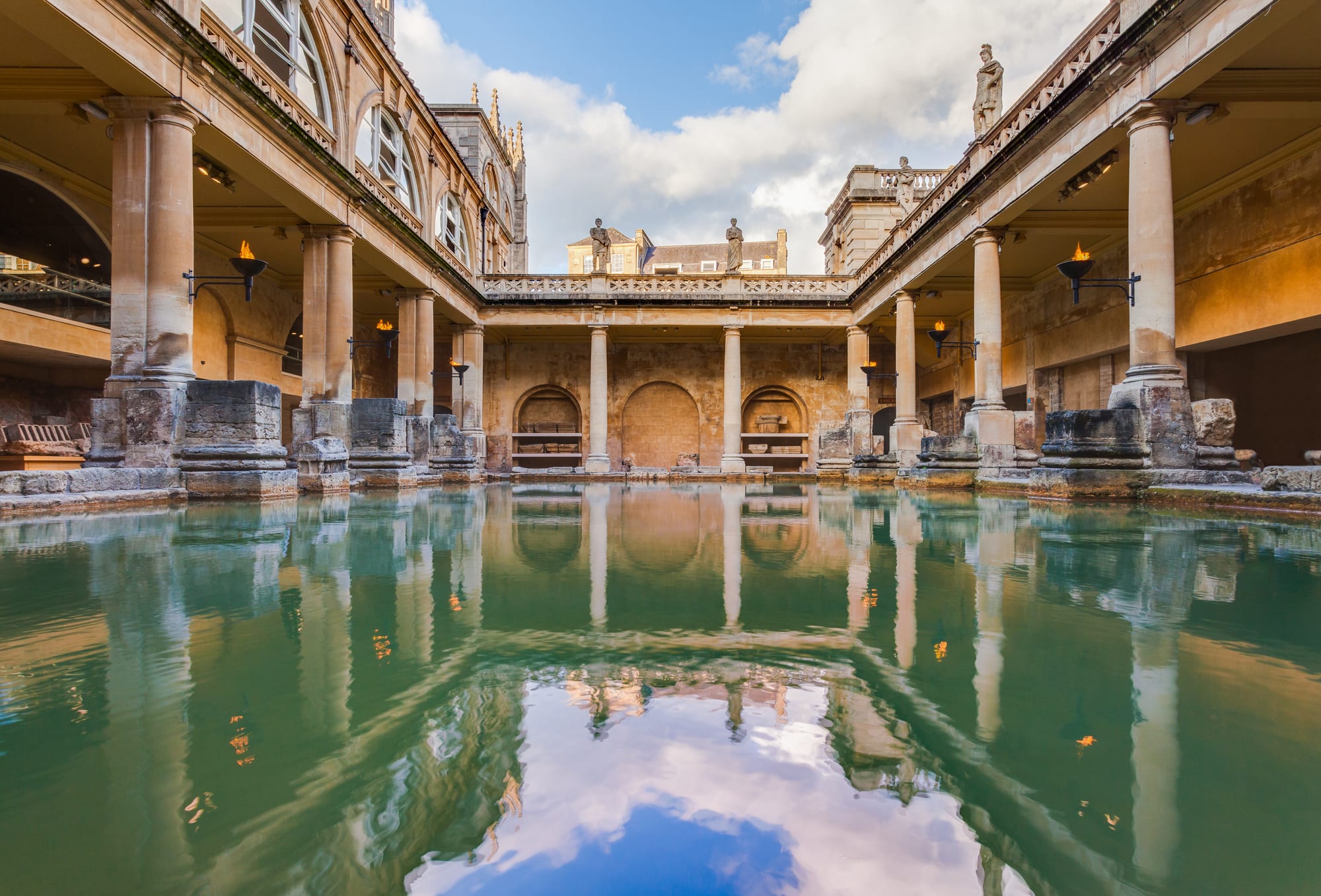
Bath, built around Britain's only natural hot spring, has drawn visitors since Roman times, when the Great Bath and its temple complex were built around the spring's steaming, mineral-rich waters — remarkably well-preserved ruins that remain the centrepiece of a still-elegant Georgian city built from the same honey-coloured stone. A UNESCO World Heritage Site, Bath's crescents and squares later made it the model of Regency-era English architecture immortalised in Jane Austen's novels.
The water itself, still visibly steaming in the Roman-era pools, can no longer be drunk from the original spring but can be sampled at a modern spa nearby.
9. Snowdonia National Park, Wales
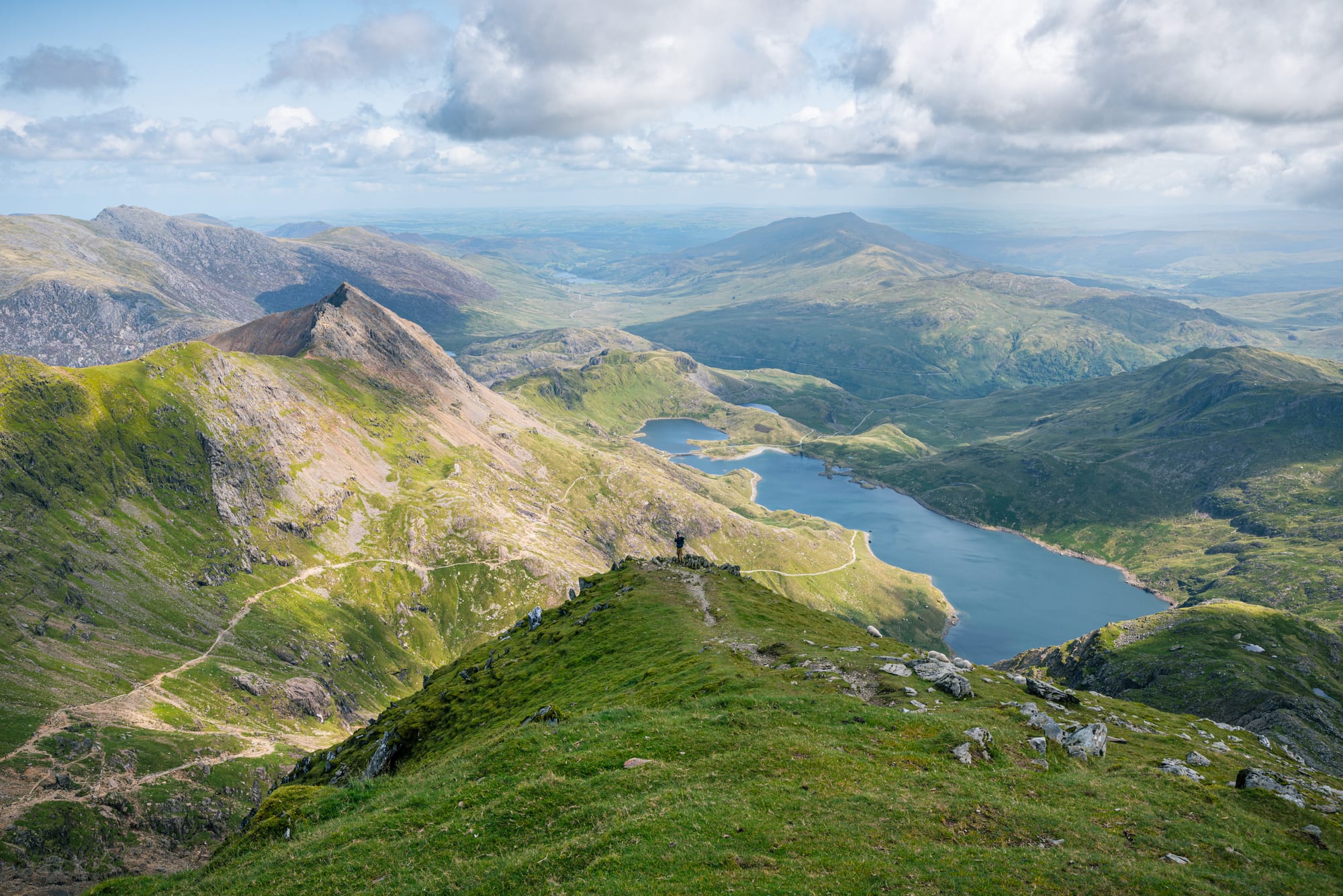
Snowdonia, covering a large stretch of North Wales, centres on Yr Wyddfa (Snowdon), Wales's highest peak at 1,085 metres, reached either by a demanding hike along several classic ridge routes or, less strenuously, by the Snowdon Mountain Railway, Britain's only rack-and-pinion railway. The wider park adds slate-quarrying heritage towns, castles, and some of the best rock climbing and hiking terrain in Britain.
Clear-day summit views can stretch to Ireland, the Isle of Man, and the Lake District, though the peak is capped in cloud more often than not.
10. Oxford
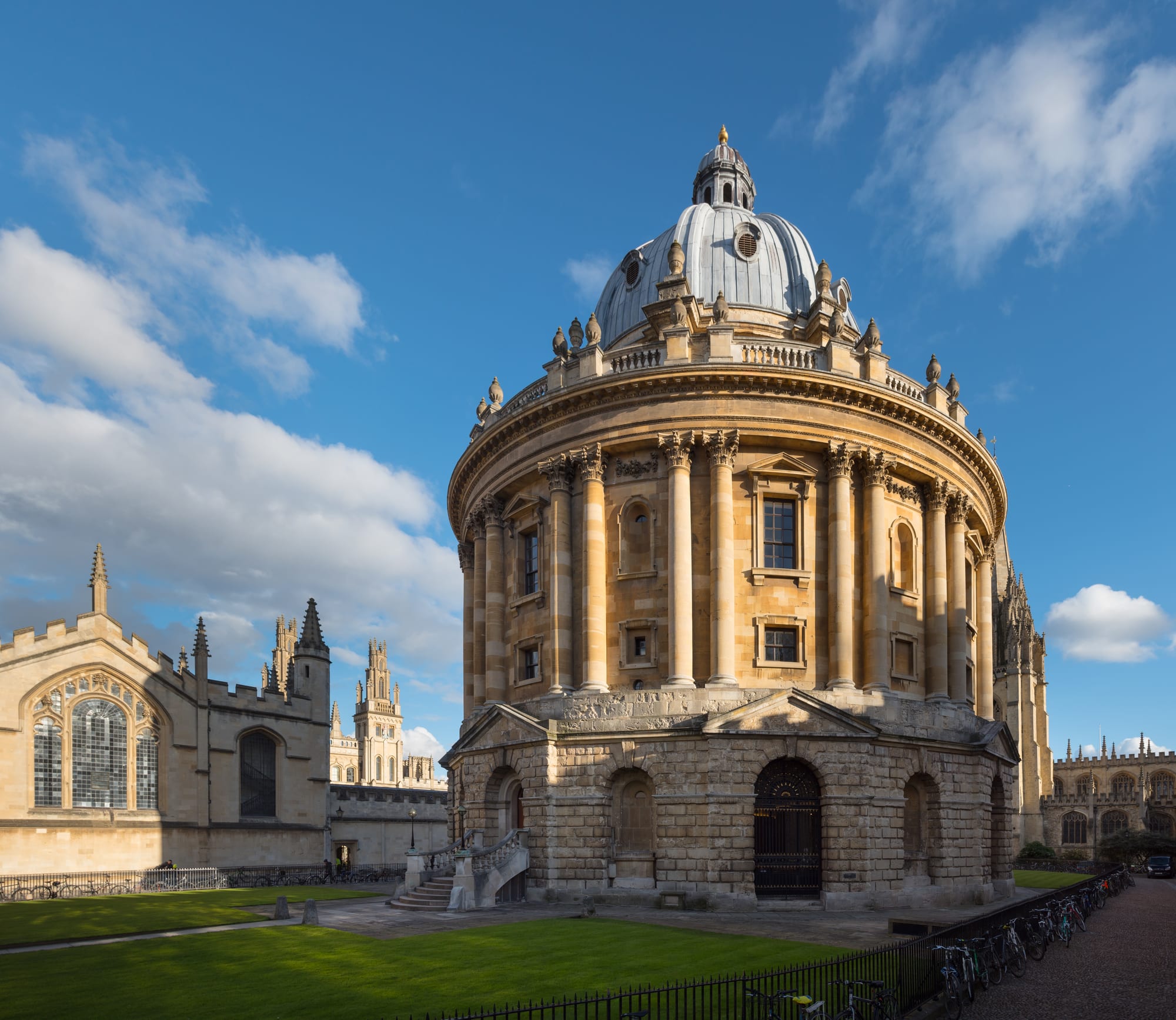
Oxford, home to the oldest university in the English-speaking world (teaching is recorded as early as 1096), packs 39 historic colleges into a compact, walkable centre of honey-coloured quads, chapels, and libraries, with the circular Radcliffe Camera and the Bodleian Library among its most photographed buildings. The city has produced 28 British prime ministers and inspired settings from Alice in Wonderland to Harry Potter's dining halls.
Many colleges allow visitors into their quads and chapels for a fee, though access varies by term and exam schedules.
The United Kingdom rewards at least two weeks for a first visit covering London, one Scottish or Northern Irish destination, and the countryside in between — though London alone easily fills the better part of a week on its own.