Daily Life · United Kingdom
United Kingdom: An Island Life, Told Four Ways
Small households in terraced streets, a working week reshaped by hybrid office days, and a country where the daily rhythm changes noticeably crossing from England into Scotland, Wales or Northern Ireland
By Worldlore Editorial · 30 September 2026
The United Kingdom is four nations sharing one state, and an ordinary day looks recognisably different depending on which of them a person wakes up in: England's devolved-but-dominant weight, Scotland's separate legal and education systems, Wales's bilingual schooling, and Northern Ireland's distinct political settlement all shape daily routines in ways that a single national description can only partly capture. What does hold broadly nationwide is a temperate, unpredictable climate that makes the weather a constant topic of conversation, a services-based economy that has most adults commuting to an office at least part of the week, and a culture that leans toward queuing in order, understatement, and a decent cup of tea to punctuate the day.
Family and home life
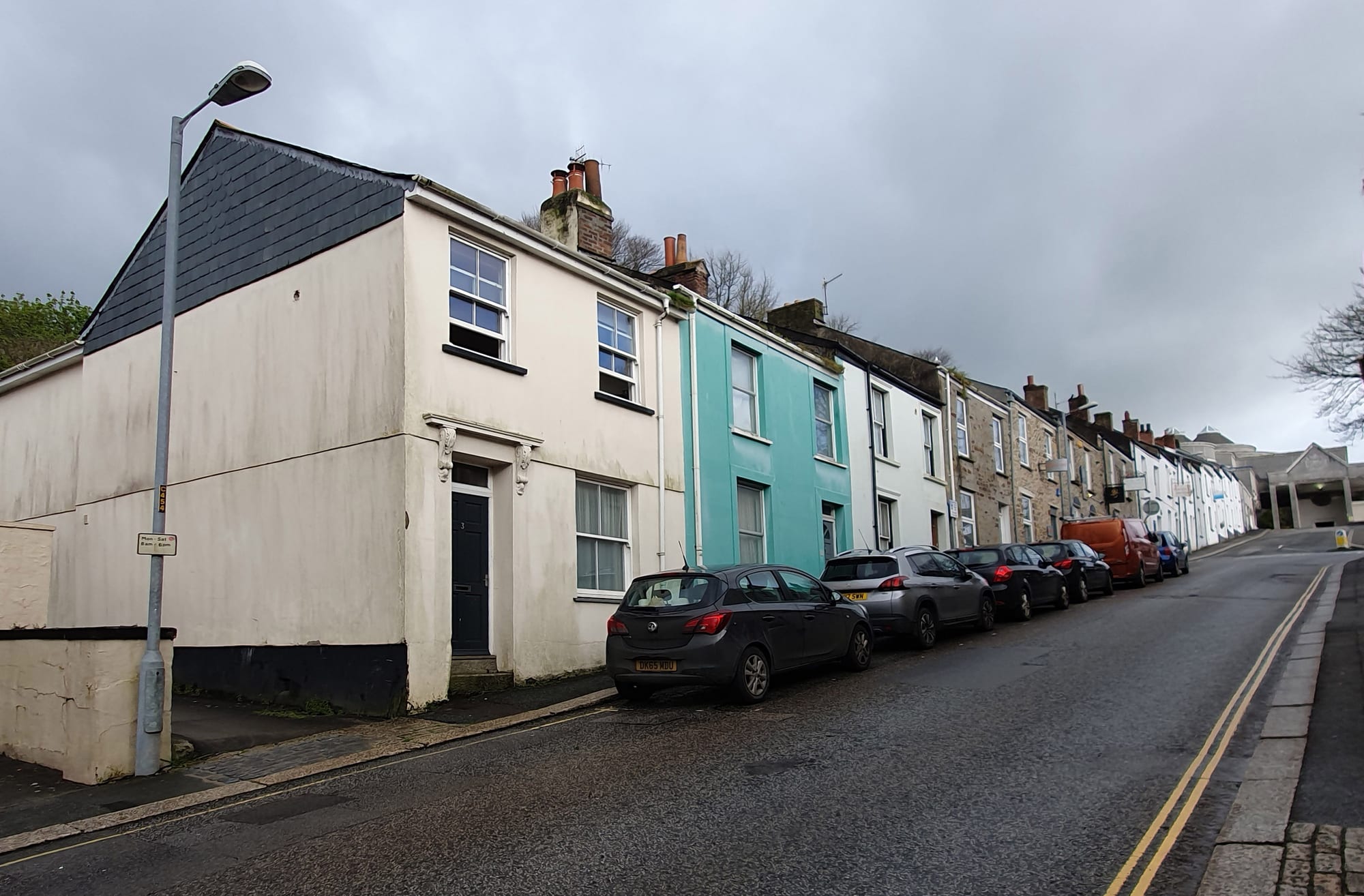
Households have grown smaller and more varied over recent decades: the average UK household held 2.35 people in 2024, and while married or cohabiting couples with or without children remain the largest single category, close to three in ten households nationwide now consist of one person living alone, a figure driven up by an ageing population and by more people living independently for longer. Terraced housing, ranks of attached brick houses built mainly during the nineteenth and early twentieth centuries, remains one of the most common housing types across England and Wales, alongside the semi-detached house, the most common of all; flats and tenements are proportionally more common in Scottish cities. Extended family living under one roof is less the norm than in many countries, though grandparents frequently provide regular childcare, and rising housing costs have pushed a growing number of young adults into staying with parents for longer or moving back in after university.
Work, school and the rhythm of the day
A full-time working week typically runs Monday to Friday, and hybrid working, splitting the week between home and an office, has become the norm for a large share of employees since the pandemic, with a few office days a week now common in professional jobs nationwide. Outside professional and office work, retail, hospitality, healthcare and manual trades keep more traditional full-time or shift hours. The school day generally runs from around 9am to 3.30pm, Monday to Friday, but education is run separately by the four nations: Scotland has its own curriculum, exams and a school leaving age that can differ in practice from England's, and Wales teaches Welsh as a compulsory subject in its schools. Term dates, exams and qualifications, and university tuition fees vary by nation, another reminder that "British" schooling is not actually one single system.
Community life and public spaces
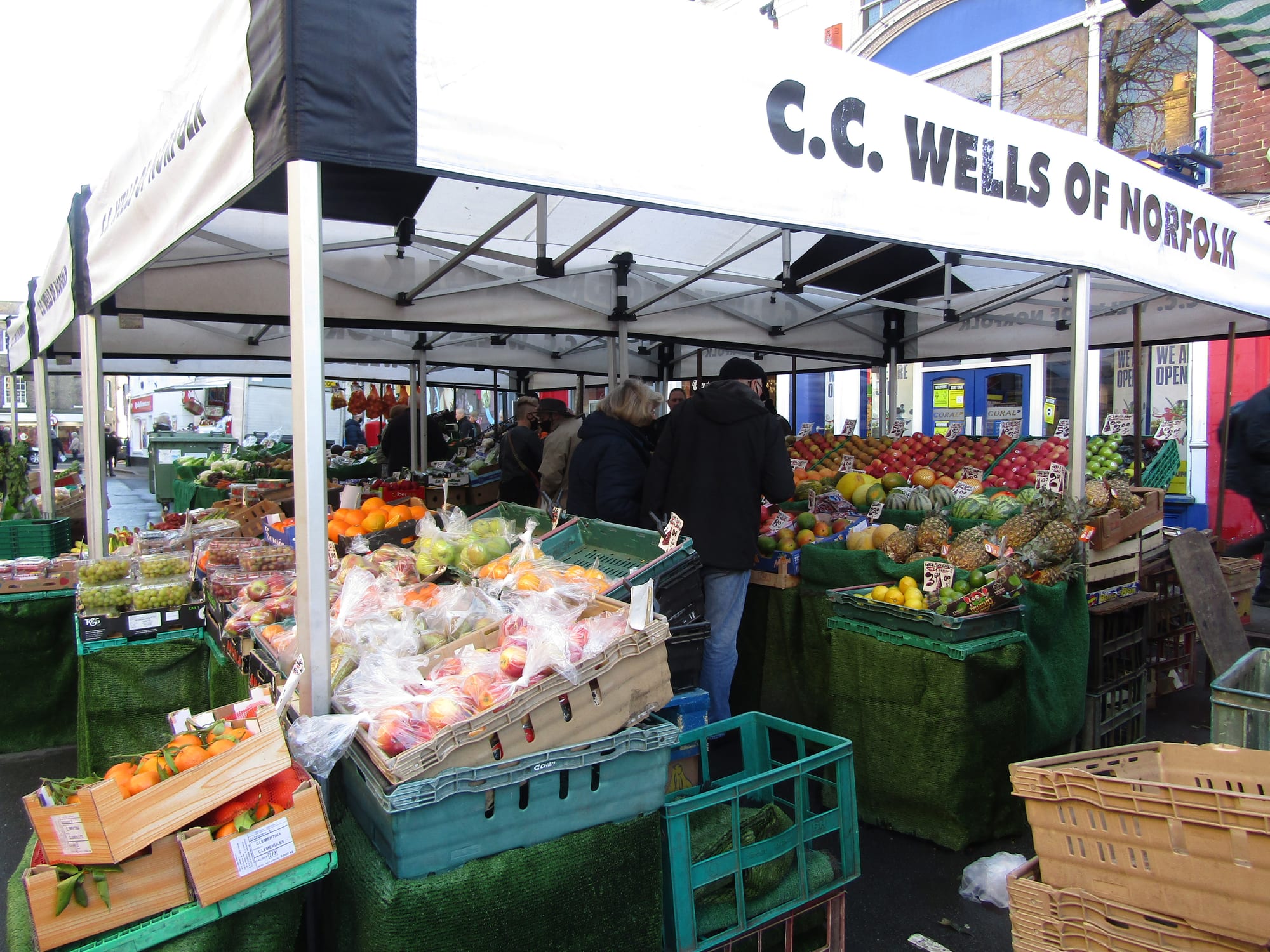
Outside the largest cities, daily errands still commonly happen on a high street, a term used nationwide for a town or neighbourhood's main shopping street, where a market or a run of independent shops, a pharmacy, a bank branch and a supermarket typically sit within walking distance of each other. Outdoor and covered markets, selling fresh produce, meat and household goods, remain a regular fixture of market towns nationwide, not just a tourist attraction. Public transport access varies sharply by geography: only a handful of British cities have a tram or underground system, and outside London most households own at least one car, with the great majority of commuting trips in rural and many urban areas made by car rather than train or bus. Community life also still runs through the pub in much of the country, a long-standing gathering point for a drink, a meal or a quiz night that functions as informal public space well beyond simply serving alcohol.
Free time and weekends
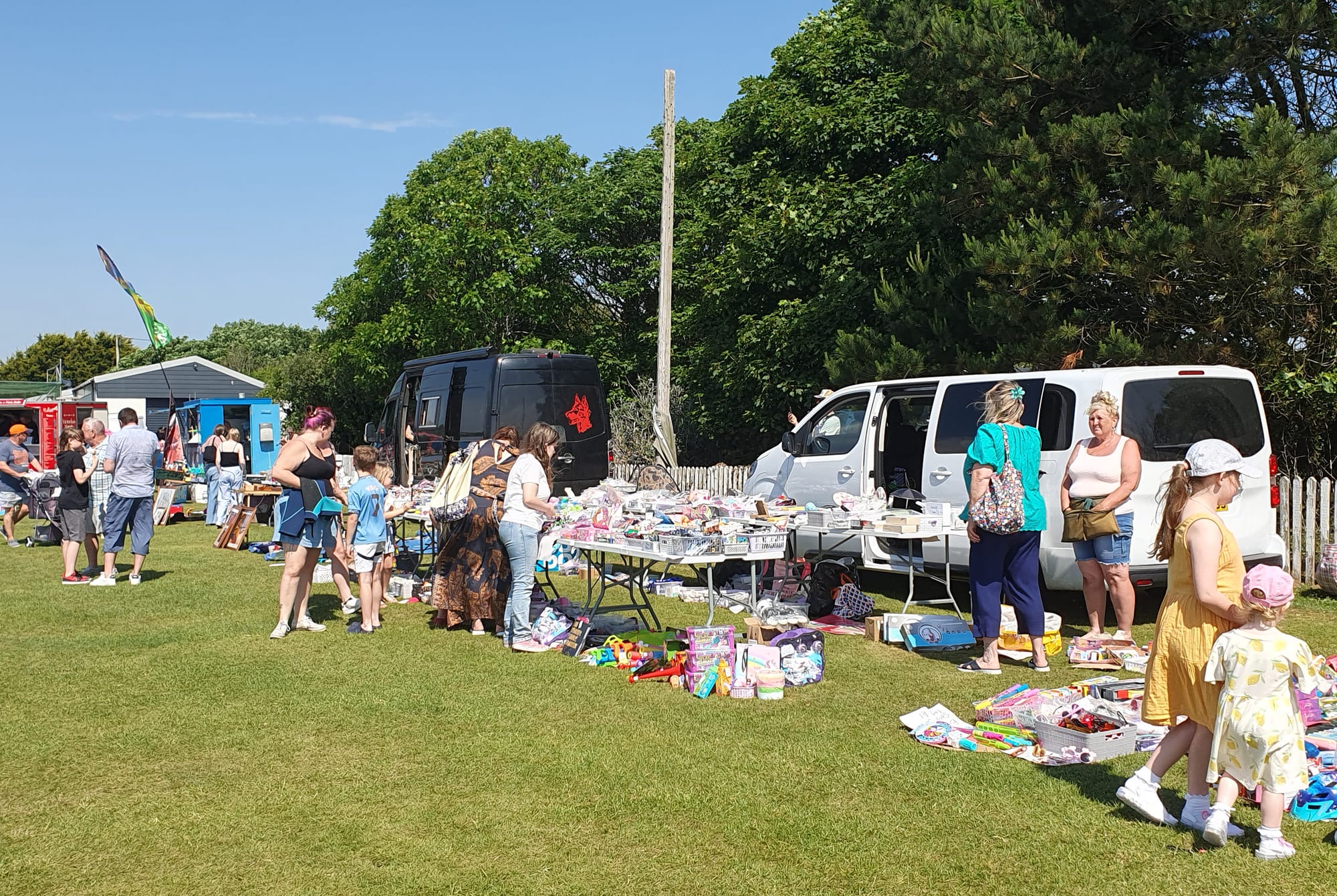
Weekend plans lean heavily on the unreliable weather: a fine Saturday nationwide tends to empty houses into parks, gardens and the countryside, while a wet one fills cinemas, shopping centres and, still, the pub. Sport is a genuine national preoccupation, though which sport dominates shifts by nation and region, football nationwide, but also rugby union strongly in Wales, and shinty and Highland games traditions persist in parts of Scotland. Gardening and home improvement absorb a striking amount of weekend time, an allotment waiting list in some towns can run to years, and a trip to a garden centre is a genuinely popular weekend outing rather than a niche one. A distinctly British institution, the car boot sale, an informal outdoor market where people sell secondhand goods from the boot of their car in a field or car park, draws steady weekend crowds nationwide, part bargain-hunting and part social occasion.
A visitor's ordinary day
Contactless card and phone payment are near-universal, including on buses and city transit systems, and cash is genuinely optional in most places now. Trains connect most towns but are considerably cheaper booked in advance than bought on the day, and coaches remain the budget option for longer journeys; outside the largest cities, a car opens up far more of the country than public transport does. Shops on a typical high street usually open around 9am and close by 5.30 or 6pm, often earlier on Sundays where trading hours are restricted by law, and pubs generally serve food at standard lunch and evening hours rather than continuously through the day. The most common practical adjustment for a visitor is simply the weather: conditions can change within a single afternoon regardless of season, and layers matter more than any specific forecast.
What to take away
There is no single "British" ordinary day so much as four overlapping versions of one, shaped by nation, region and, increasingly, by how much of the working week now happens at a kitchen table rather than a desk, all of it lived under the same changeable sky.