History · Uganda
Uganda: The Pearl and Its Troubles
A fertile land of ancient kingdoms on the Nile's headwaters — a British protectorate built around Buganda, a chaotic first decade of independence, the terror of Idi Amin, a bush-war government that has held power since 1986, and a long recovery
By Worldlore Editorial · 19 September 2026
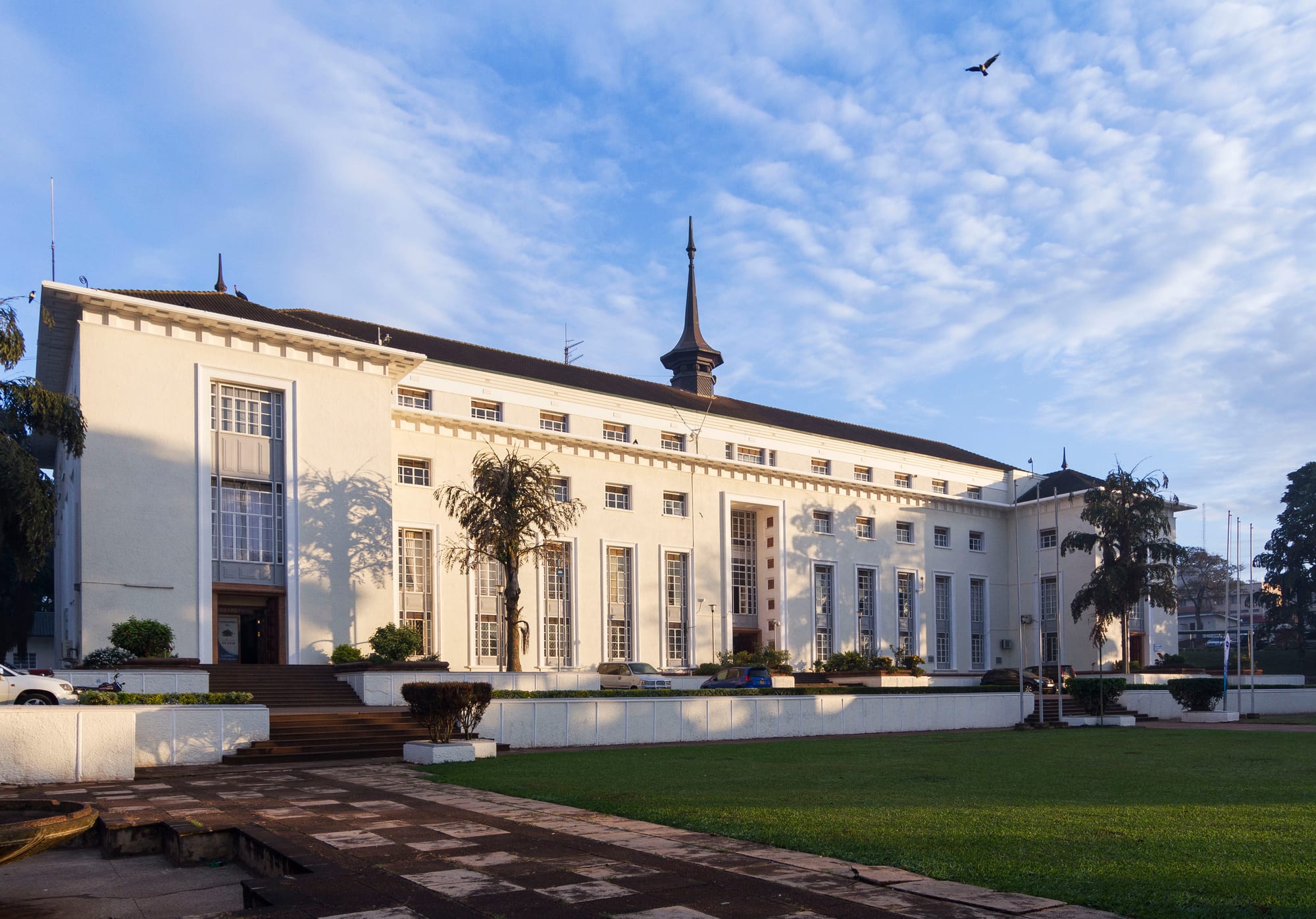
A green country with a violent modern history
Uganda is a landlocked country of about 48 million people on the Equator, wrapped around the northern shores of Lake Victoria and the sources of the White Nile. Fertile and well-watered, with a great many ethnic groups, it was called "the pearl of Africa" for its beauty and agricultural promise. Its post-independence history, though, has been unusually turbulent even by regional standards: two spells under Milton Obote, the eight-year nightmare of Idi Amin, a northern insurgency, and a single president in power since 1986.
A short history
- to 1500s
The lake kingdoms
Buganda, Bunyoro, Ankole, Toro and others form south of the Nile.
- 1894
The protectorate
Britain declares a protectorate, built around a treaty with Buganda.
- 1901
The Uganda Railway
The line from the coast reaches Lake Victoria; Indian labour and traders arrive.
- 1962
Independence
Milton Obote is prime minister; the Kabaka of Buganda is president.
- 1966
The Buganda crisis
Obote storms the Kabaka's palace and abolishes the kingdoms.
- 1971
Amin's coup
Idi Amin seizes power; up to 300,000 die under his rule.
- 1972
The Asian expulsion
Around 60,000 people of South Asian descent are expelled.
- 1979
Amin falls
A Tanzanian invasion, with exiles, ends his regime.
- 1980–1985
The second Obote government
Civil war in the "Luwero Triangle" kills hundreds of thousands.
- 1986
Museveni
The National Resistance Army takes Kampala; Yoweri Museveni becomes president.
The kingdoms and the protectorate
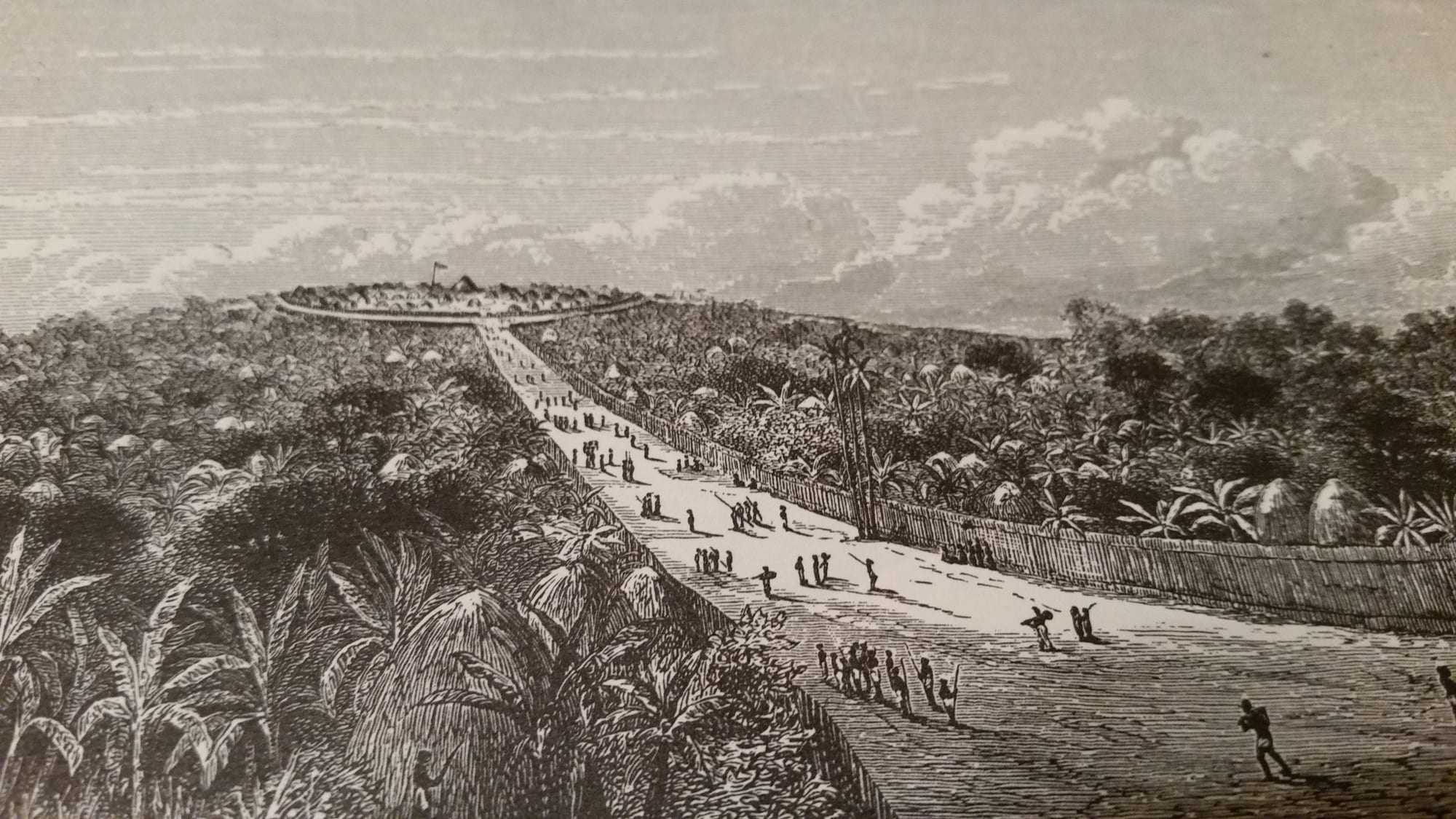
South of the Nile, Bantu-speaking societies built centralised kingdoms — Bunyoro, dominant in earlier centuries, and Buganda, which overtook it, with a powerful king (the Kabaka), a hierarchy of chiefs, and a strong army and navy on Lake Victoria. The north and east were home to Nilotic and other peoples with less centralised political forms — a distinction the colonial period would sharpen. Arab traders and then British explorers (Speke reached the Nile's outlet in 1862) arrived from the 1840s, followed by rival Protestant and Catholic missionaries whose converts fought a small religious civil war. Britain declared a protectorate in 1894 and, in the 1900 Buganda Agreement, ruled indirectly through the Kabaka and his chiefs, granting them land and a privileged status that other regions resented.
The railway and the Indian community
The Uganda Railway, built from Mombasa between 1896 and 1901 largely by indentured labourers from British India, opened the region to commercial agriculture — cotton, and later coffee, grown by African smallholders — and to a settled community of South Asian traders, artisans and clerks who came to dominate commerce and the professions. This "Asian" middle class, numbering tens of thousands by independence, became a target of African economic nationalism and, ultimately, of Amin's expulsion order.
Independence and its collapse
Uganda became independent on 9 October 1962 in an awkward federal arrangement: Milton Obote, from the north, as prime minister, and the Kabaka of Buganda, Mutesa II, as ceremonial president. The alliance fell apart within four years. In 1966 Obote suspended the constitution, sent the army — commanded by Idi Amin — to storm the Kabaka's palace (Mutesa fled into exile and died there), abolished all the kingdoms, and made himself executive president. In January 1971, while Obote was abroad, Amin took power in a coup.
The Amin years
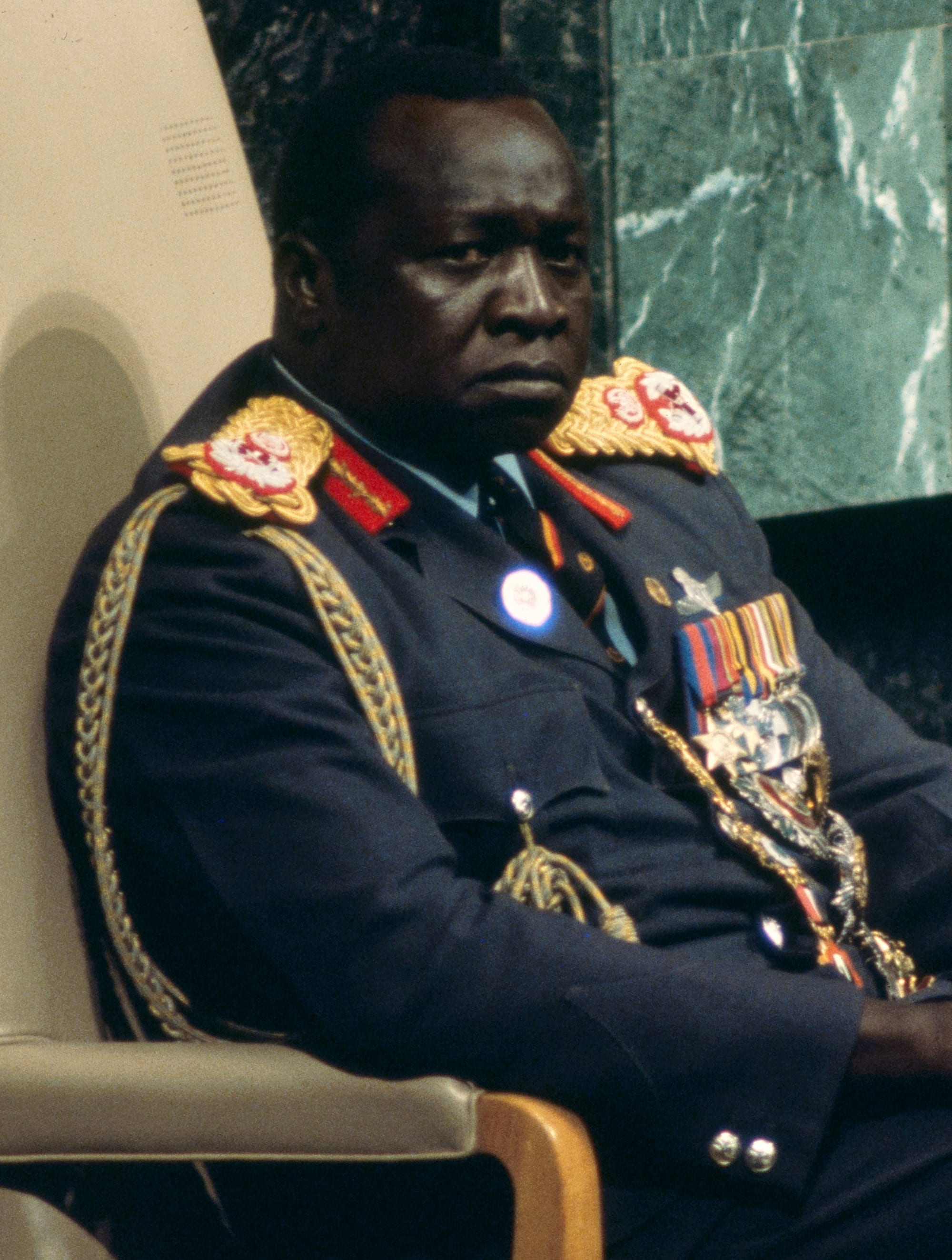
Amin's rule was capricious and murderous. He targeted the Acholi and Langi ethnic groups in the army, the judiciary, the churches and the intelligentsia; bodies were dumped in the Nile in such numbers that they clogged a hydroelectric dam. In 1972 he ordered the roughly 60,000 people of South Asian descent to leave within 90 days, seizing their businesses and handing them to cronies who mostly ran them into the ground. Isolated internationally, he cultivated ties with Libya and the Soviet bloc, and staged the 1976 hijacking drama at Entebbe, where Israeli commandos rescued airline hostages. In 1978 he invaded Tanzania; Tanzania counter-attacked, and with Ugandan exile forces took Kampala in April 1979.
Museveni's Uganda
Amin's fall was followed by short-lived governments and then, after a disputed 1980 election, a second Obote presidency and a five-year guerrilla war. Yoweri Museveni's National Resistance Army fought from the bush of the Luwero Triangle, where the army's counter-insurgency killed an estimated 100,000–500,000 civilians. The NRA captured Kampala in January 1986, and Museveni has been president ever since. His early years brought real achievements: relative peace and security in most of the country, one of Africa's most successful early responses to HIV/AIDS, economic liberalisation and steady growth, the invitation of the Asian community to return and reclaim property, and the restoration of the traditional kingdoms in a purely cultural role in 1993. But the north endured nearly two decades of atrocities by the Lord's Resistance Army, a cult-like insurgency that abducted tens of thousands of children. And Museveni's grip has tightened: the removal of presidential term limits (2005) and then the age limit (2017), the harassment and detention of opposition figures such as Bobi Wine, and elections marked by violence and irregularities.
What Uganda carries
Uganda's colonial state was built on Buganda, and the tension between that powerful southern kingdom and the rest of the country — especially the marginalised north that supplied much of the army — runs through the whole of its independent history, from the 1966 palace attack to Amin to the northern wars. Museveni brought stability and growth after two decades of catastrophe, which is the basis of his legitimacy; the unresolved question, nearly 40 years on, is whether the system he built can ever produce a peaceful change of leader.