Attractions & Natural Wonders · Uganda
Uganda: Six Attractions and Natural Wonders
A rainforest tracking route to some of the last mountain gorillas on earth, the exact spot Victorian explorers identified as the source of the Nile, and a waterfall that forces the entire river through a gap barely six metres wide
By Worldlore Editorial · 9 September 2026
The "Pearl of Africa"
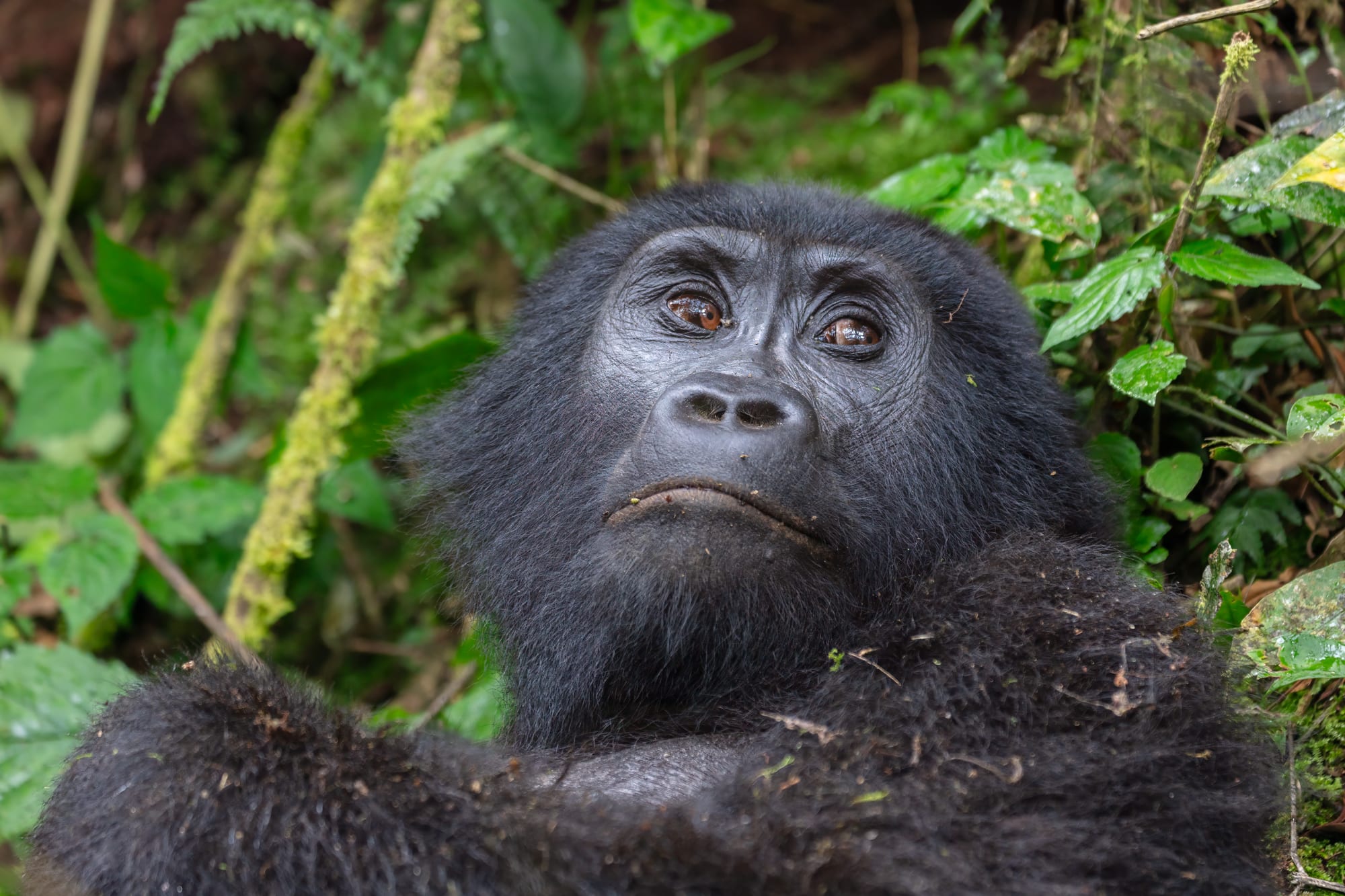
Uganda, nicknamed the "Pearl of Africa" by Winston Churchill after his 1907 visit, combines some of the continent's most significant remaining mountain gorilla habitat with the source of the world's longest river and a dramatic stretch of the Rwenzori mountain range straddling the equator. Its position at the meeting point of East African savanna and Central African rainforest gives it an unusually wide range of landscape and wildlife within a relatively compact country.
The six below run from the southwestern gorilla parks to Jinja, Murchison Falls, and the capital, Kampala. The dry seasons (roughly June–August and December–February) are generally the best times for gorilla trekking and wildlife viewing.
1. Bwindi Impenetrable Forest
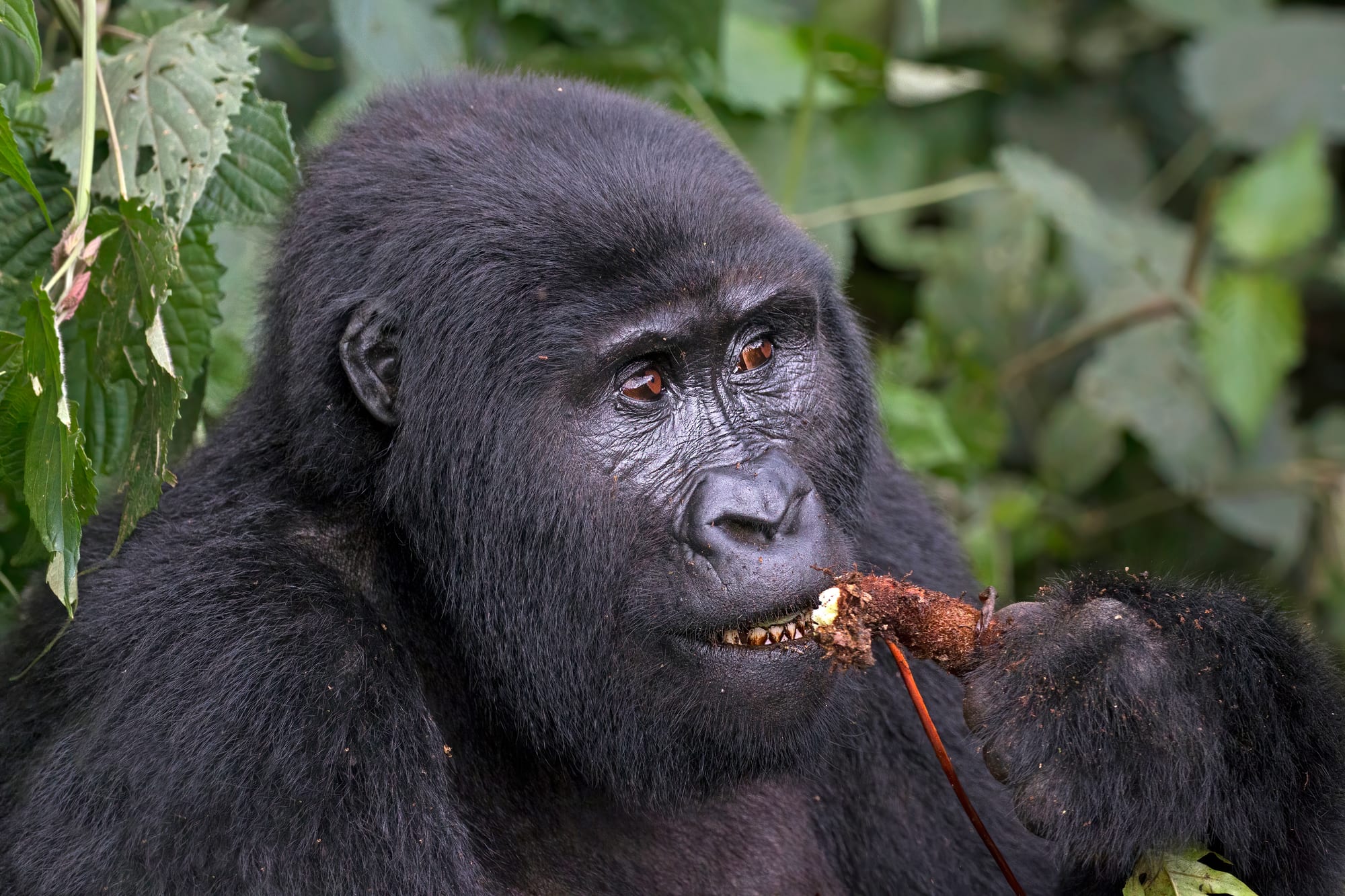
Bwindi Impenetrable National Park, a UNESCO World Heritage Site, holds nearly half of the world's remaining mountain gorilla population within its dense, ancient rainforest. Permit-controlled gorilla trekking here, involving a demanding but rewarding hike through thick vegetation to locate a habituated gorilla family, remains one of the most sought-after wildlife experiences in Africa, generally requiring booking well in advance given strict daily visitor limits.
2. The Source of the Nile
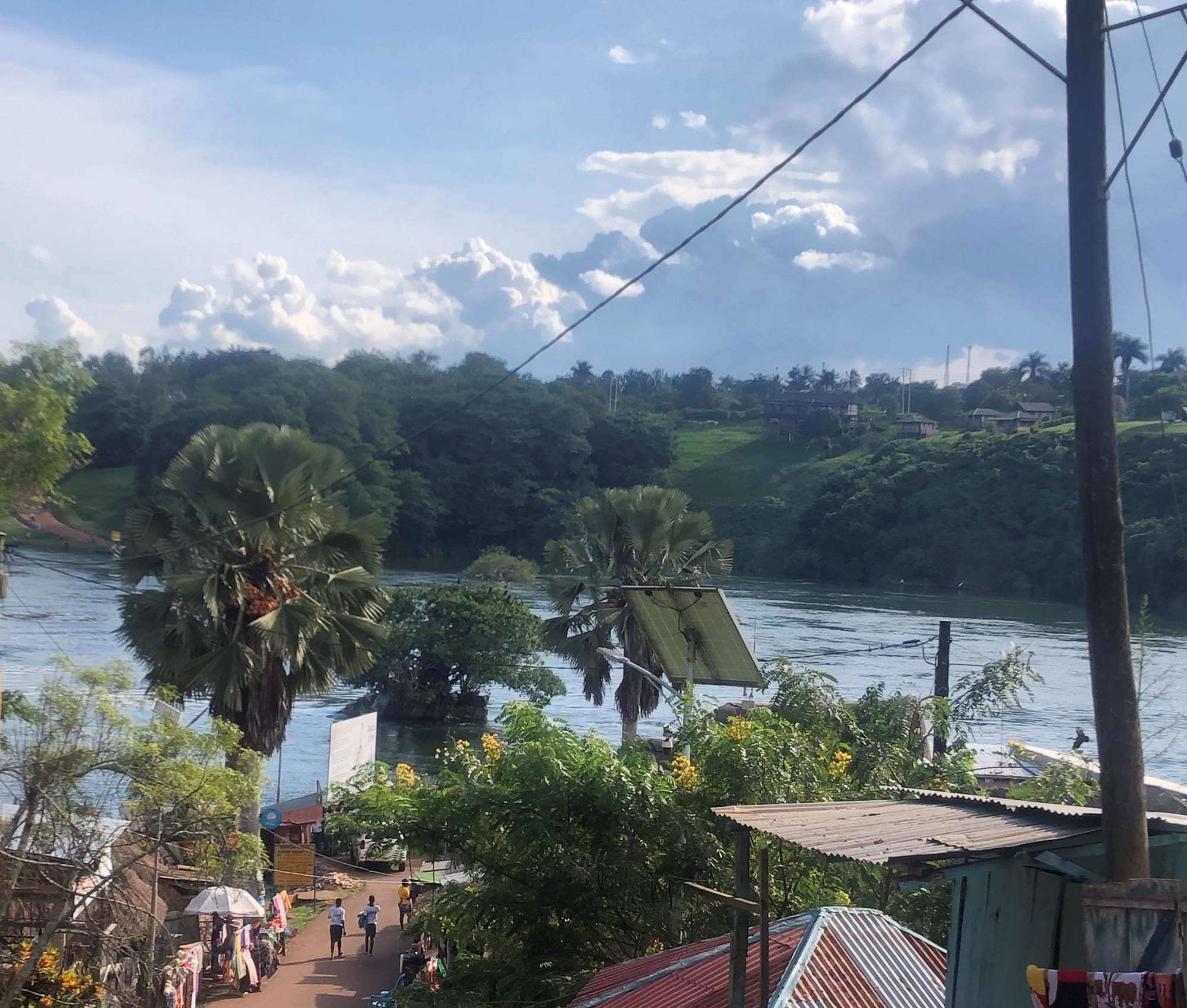
Jinja, on the shore of Lake Victoria, is where British explorer John Hanning Speke identified in 1862 what he believed to be the source of the White Nile — a claim that remains broadly accepted, though the river's full hydrological origins are more complex. The site marks the starting point of the world's longest river's roughly 6,650-kilometre journey north to the Mediterranean, and the surrounding town has become a hub for white-water rafting on the Nile's rapids.
3. Murchison Falls
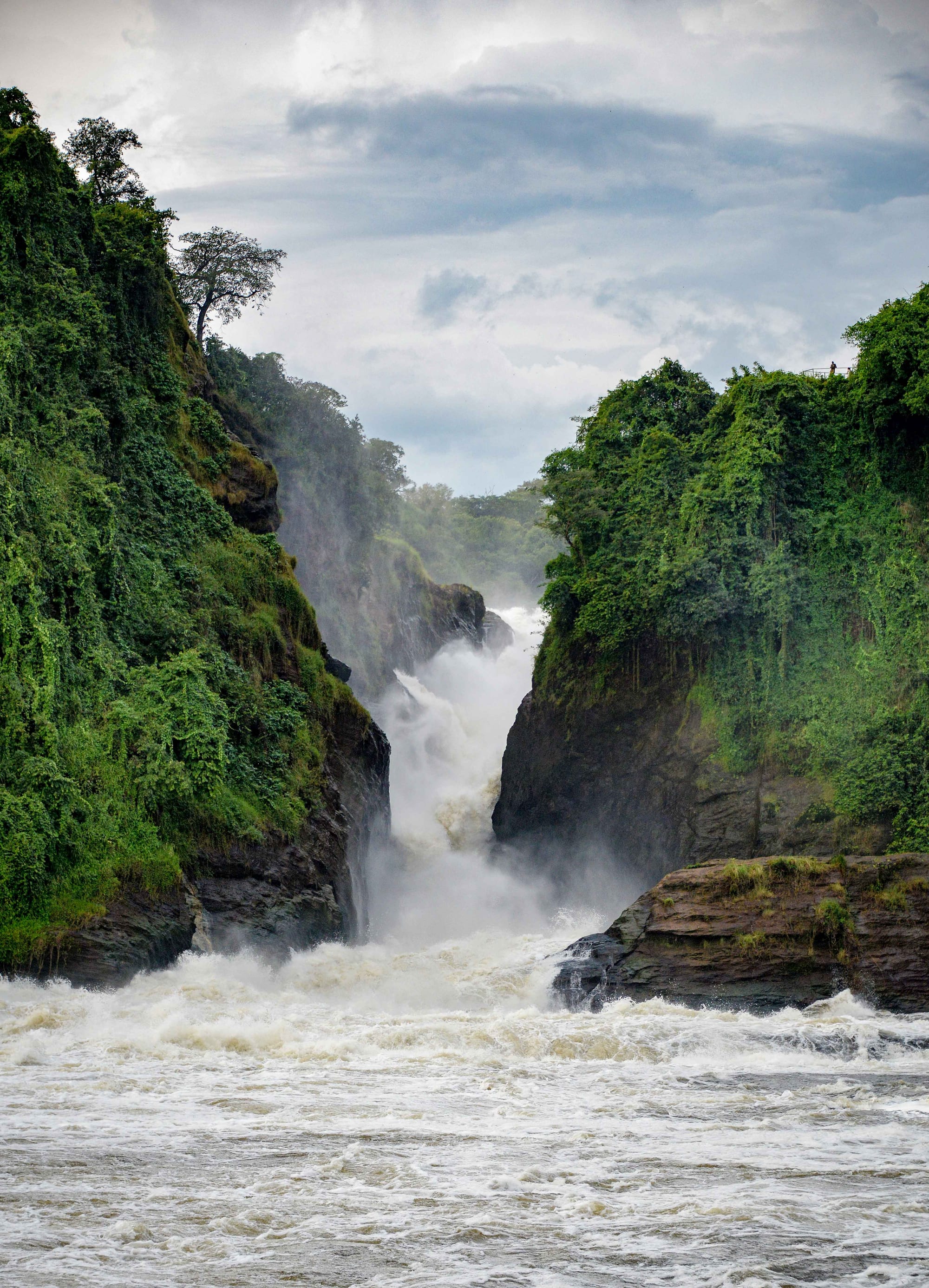
Murchison Falls forces the entire volume of the Nile through a gap in the rock only around six metres wide before plunging some 43 metres, creating one of the most powerful concentrated waterfalls anywhere on the river's long course. The surrounding national park also holds substantial populations of elephants, giraffes, and Nile crocodiles, viewable on game drives and boat safaris beneath the falls.
4. The Rwenzori Mountains
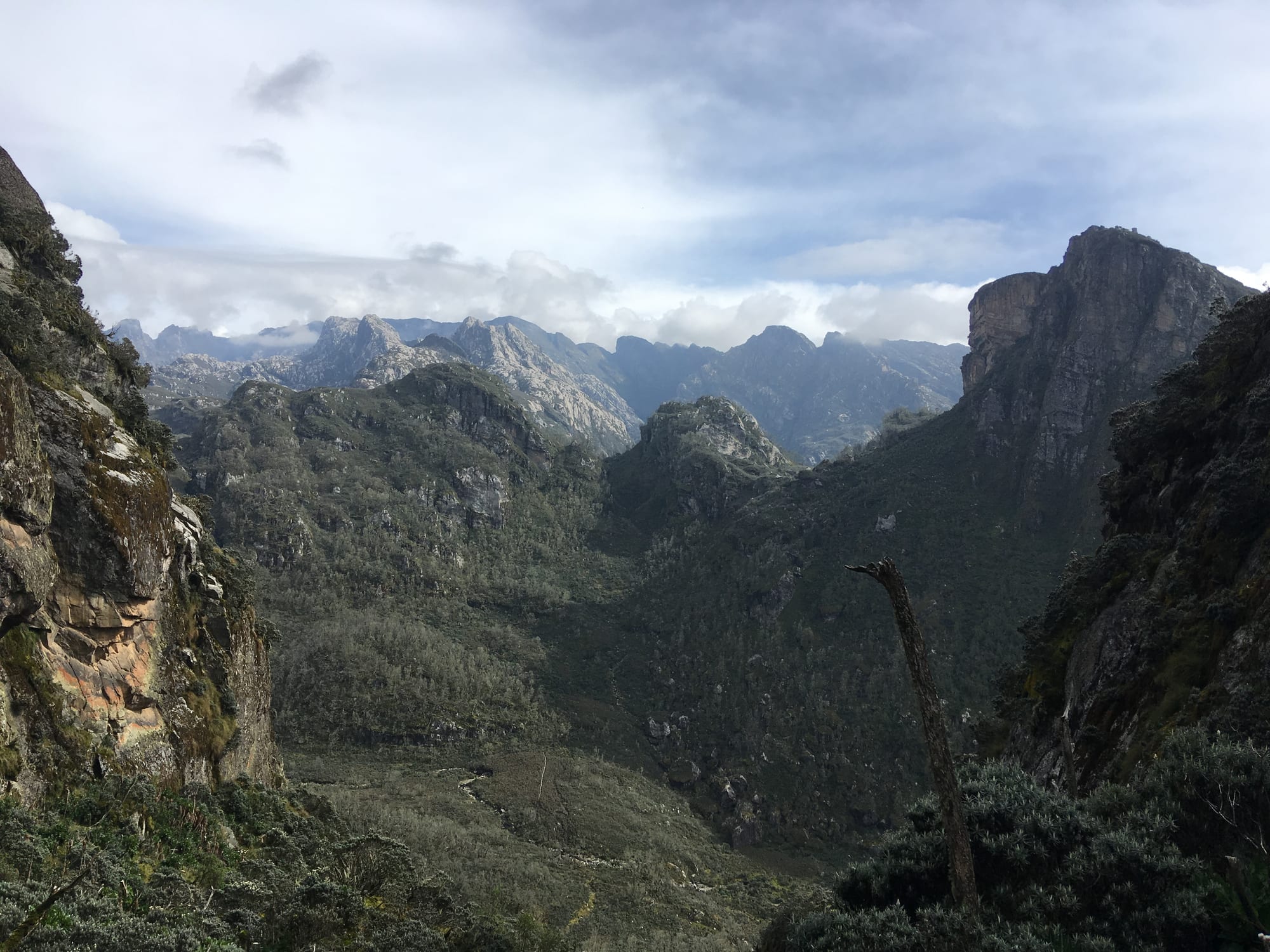
The Rwenzori Mountains, straddling the border with the Democratic Republic of the Congo, are among the few equatorial mountain ranges anywhere in the world to hold permanent glaciers and snow, earning them the ancient nickname "Mountains of the Moon." A UNESCO World Heritage Site, the range offers serious multi-day trekking through several distinct vegetation zones, culminating in some of Africa's highest and least-visited peaks.
5. Kampala and the Kasubi Tombs
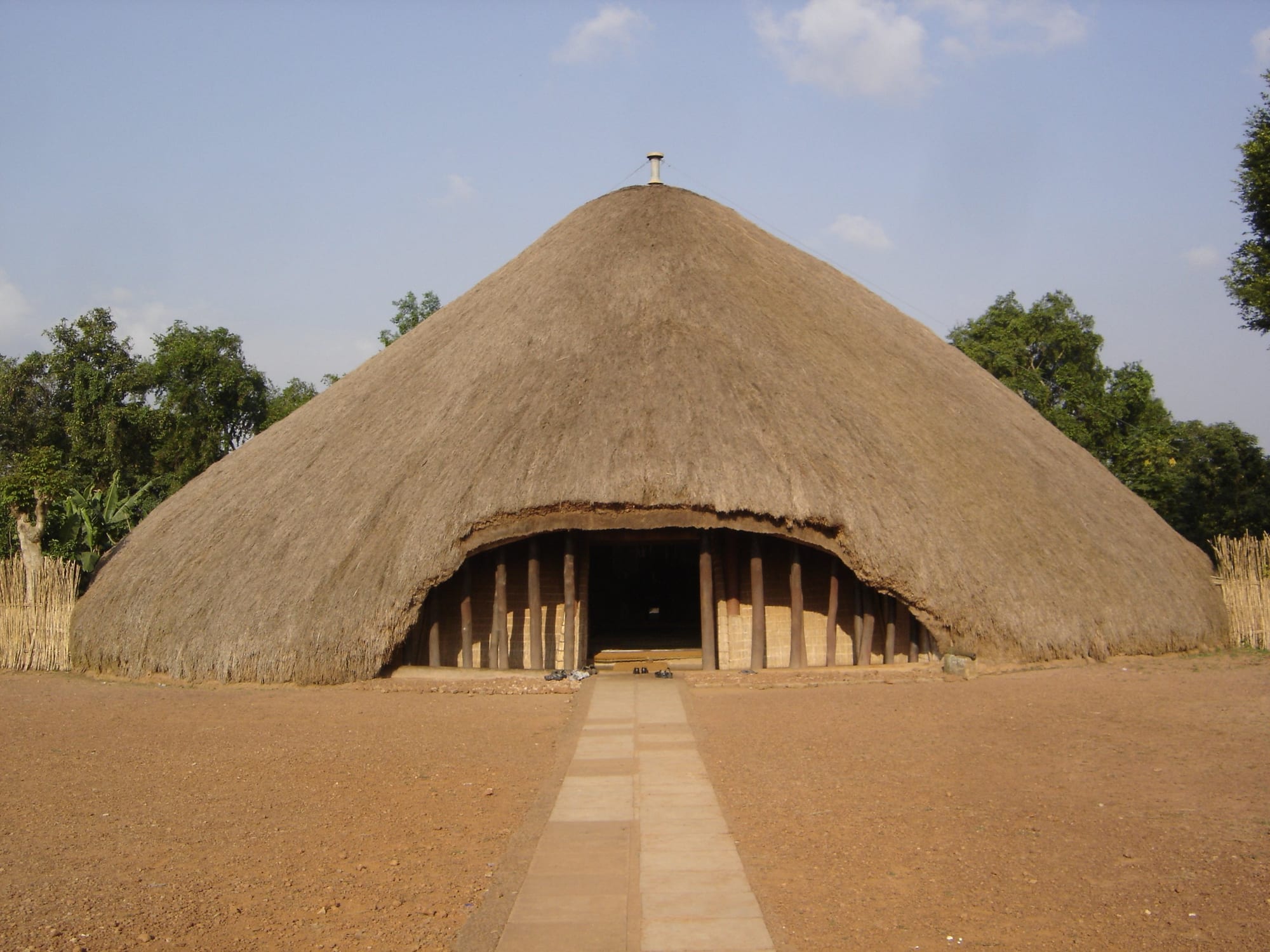
Kampala, Uganda's capital, holds the Kasubi Tombs, the traditional burial site of the kings of the Buganda kingdom (one of the traditional kingdoms that still exists within modern Uganda's political structure), housed within a large domed thatched building considered a masterpiece of traditional Ganda architecture. A 2010 fire destroyed much of the original structure, and restoration using traditional building techniques has continued in the years since.
6. Uganda's varied wilderness
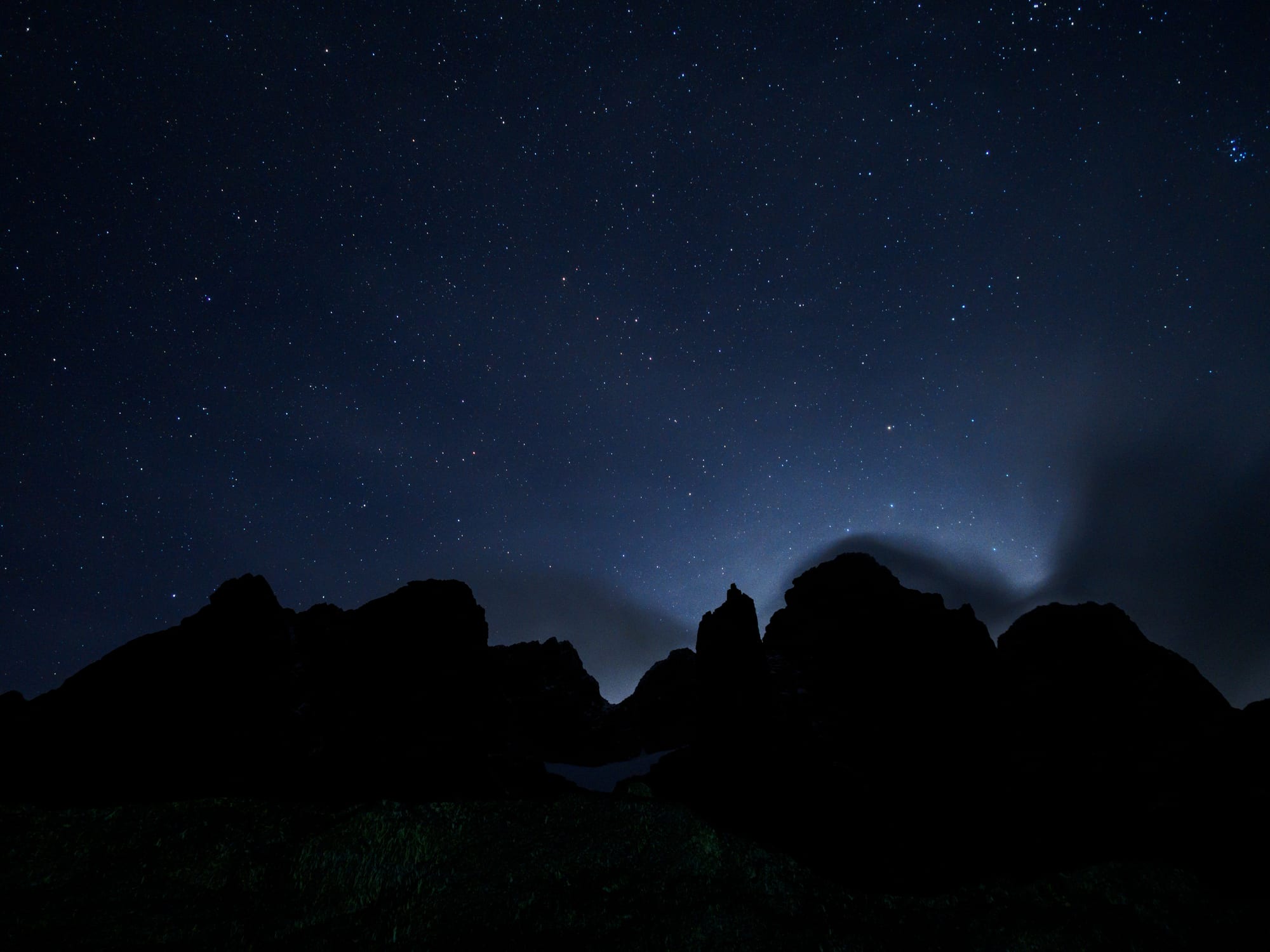
Beyond its headline sights, Uganda holds a remarkably varied set of national parks within a relatively compact country — savanna, wetland, and rainforest habitats supporting chimpanzees, tree-climbing lions, and some of the highest bird diversity recorded anywhere in Africa, making it a favoured destination for serious birdwatchers as well as primate trekkers.
Uganda rewards a trip of ten days to two weeks: gorilla trekking in the southwest, combined with Murchison Falls and Jinja, gives a well-rounded introduction to the country's range of wildlife and landscape.