Daily Life · Turks and Caicos Islands
Turks and Caicos Islands: A Life Built Around the Car and the Coast
A small resident population outnumbered by tourists and migrant workers, a territory with no income tax but famously high grocery bills, and a spread-out landscape where getting anywhere at all means getting in a car
By Worldlore Editorial · 30 September 2026
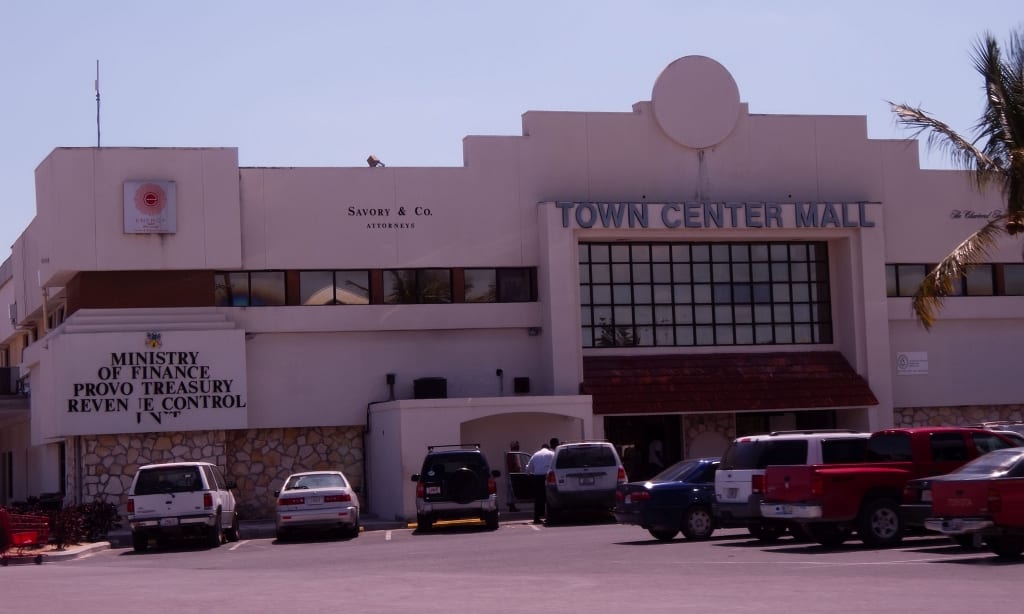
Life in the Turks and Caicos Islands is shaped by scale as much as anything else: a resident population of only around 48,000 people by a 2022 official estimate, spread thinly across low limestone islands, outnumbered many times over each year by visiting tourists and heavily dependent on a migrant workforce to keep the tourism economy running. There is no city in the usual sense, no train or bus network to speak of, and no walkable town centre outside a few small settlements, so an ordinary day here is built, more than in many Caribbean places, around the car.
Family and home life
Turks and Caicos "Belongers", residents with roots in the territory, share their islands with a large migrant population, since migrant workers from Haiti and, to a lesser extent, the Dominican Republic and the Philippines, now make up a large share of the workforce and of everyday island life, particularly on Providenciales. Households are increasingly concentrated on Providenciales, where most of the territory's population lives, while the smaller "family islands", North, Middle and South Caicos, and Salt Cay, have far fewer people (Middle Caicos had an estimated 118 residents in 2022), and younger residents often move to Provo for work. Housing on Providenciales ranges sharply from luxury villas near the resort strip to modest homes in working residential areas further inland, a contrast that is one of the most visible features of everyday island life.
Work, school and the rhythm of the day
Tourism is the largest part of the economy, running resorts, villas, restaurants and dive operations along and near Grace Bay, supplemented by a smaller offshore financial services sector based mainly on Providenciales. There is no income tax anywhere in the territory, one of its defining economic facts, but the government instead relies on import duties and tourism-related taxes, and the near-total reliance on imported goods, food included, keeps everyday costs high. Office jobs keep regular daytime hours, while tourism-sector jobs, hospitality especially, routinely require evening, weekend and shift work built around visitor demand rather than a fixed office schedule.
Community life and public spaces
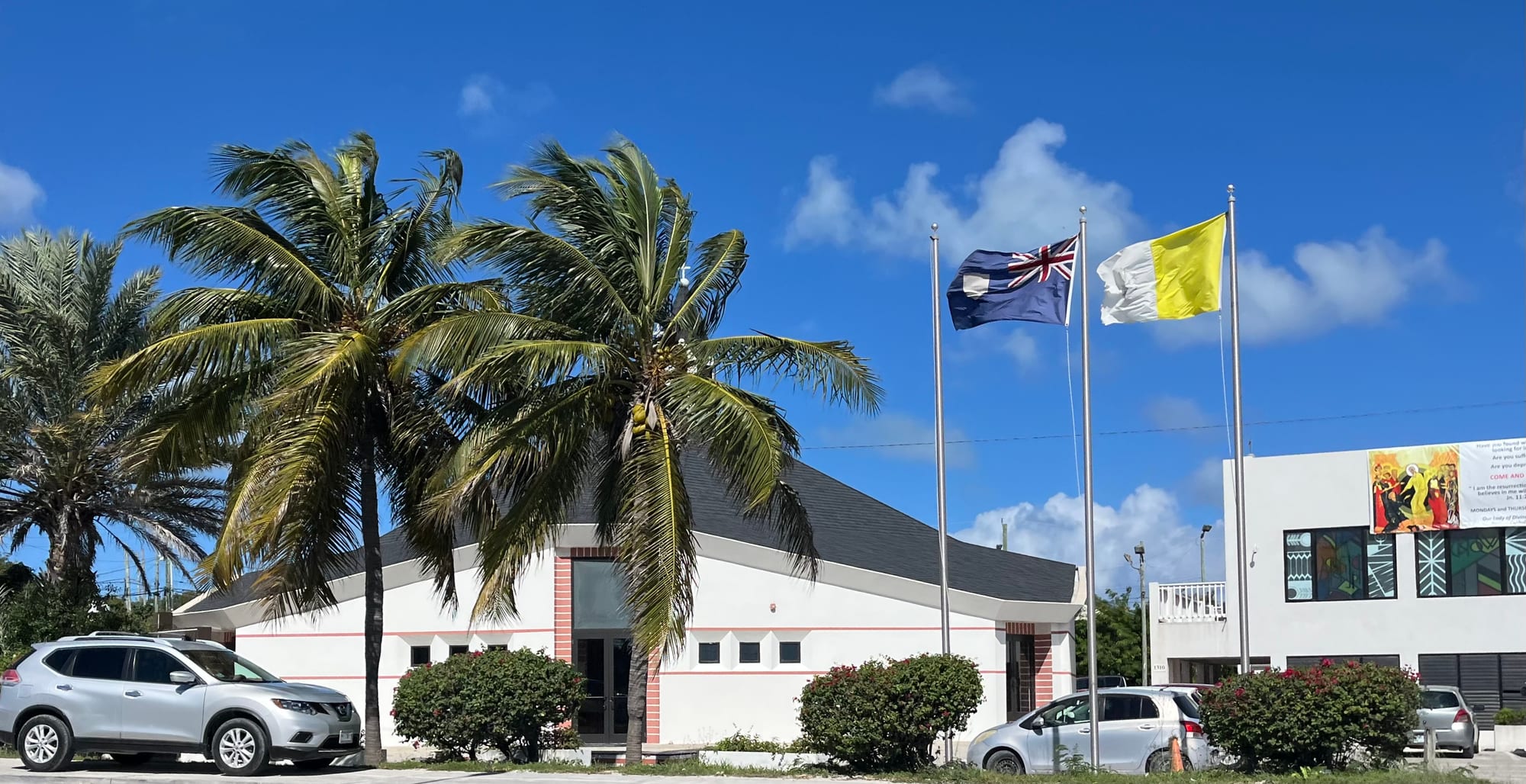
Church remains a genuine weekly fixture for much of the population, in a society that stays conservative and largely Christian even as the resident mix has diversified. Cockburn Town on Grand Turk, the tiny historic capital, and the settlements of Providenciales function as the closest thing to a traditional town centre, with government offices, a handful of shops and a mall serving day-to-day errands rather than tourism. Beyond the resort strip, everyday commerce happens in small supermarkets, hardware stores and roadside food stalls rather than any single market square, and getting between them, or between islands, depends on a car, a domestic flight, or the ferries that connect Providenciales with North Caicos.
Free time and weekends
Weekends and time off tend to centre on the water, whether that means a beach visit, fishing, or simply gathering with family, since the sea is never more than a short drive away on any of the islands. Boxing Day brings the territory's best-known public celebration, the Maskanoo street parade, with costumed bands, drums and dancing drawing islanders out in a way few other single events do. Model-sloop racing survives on Middle Caicos, where the Valentine's Day Cup is held each February, a link to an older boatbuilding tradition, and the annual Conch Festival on Providenciales each November combines food, music and community in a way that doubles as both a local and a visitor event.
A visitor's ordinary day
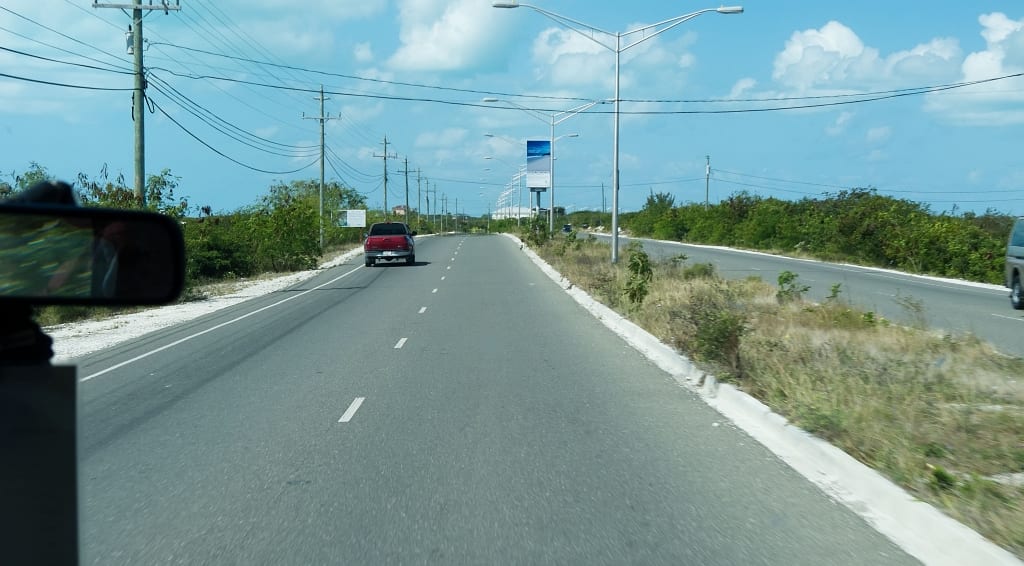
A hire car is close to essential on Providenciales, since the island is spread out, taxis are expensive, and there is no real public transport network; driving is on the left. The US dollar is the official currency, and cards are accepted almost everywhere, though small roadside conch shacks and local shops are worth carrying some cash for. An accommodation tax is added on top of quoted hotel and villa rates, worth budgeting for in advance. Shops and services on Providenciales generally keep conventional daytime hours, while the smaller family islands are far quieter, with limited shops, fuel and services, and life there runs at a noticeably slower pace than on the main tourist island.
What to take away
What actually organises an ordinary day in the Turks and Caicos Islands is less any single tradition than the basic facts of geography and economy: a small, mixed population living on scattered, low islands where nearly everything, from groceries to getting to work, depends on a boat, a plane, or a car.