Food · Tunisia
Tunisia: Food and the National Dish
Steamed semolina grains served with a spiced stew, from the country that gave couscous its name
By Worldlore Editorial · 16 September 2026
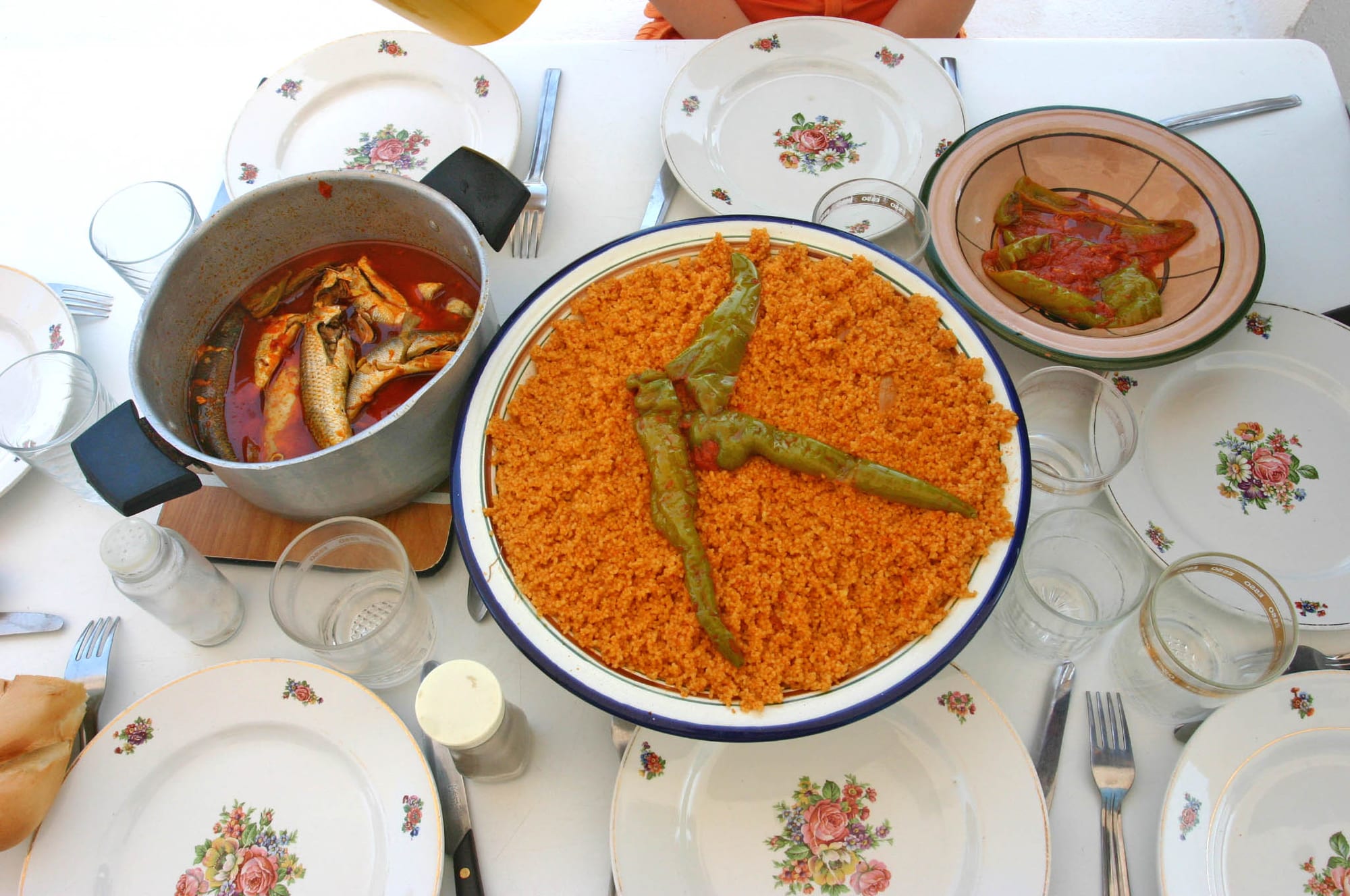
A cuisine that gave its name to a dish eaten worldwide
Tunisian food carries deep roots in Amazigh (Berber) culinary tradition, the same tradition that produced couscous, a dish now eaten across North Africa and well beyond, but genuinely rooted in Tunisia and the wider Maghreb long before it spread internationally.
The national dish: couscous
Couscous, steamed semolina grains served with a spiced stew of vegetables, meat or fish, and often finished with harissa, a fiery chilli paste, is Tunisia's national dish. UNESCO inscribed couscous knowledge and practices as Intangible Cultural Heritage in 2020, recognising the dish across Algeria, Mauritania, Morocco and Tunisia jointly, an honest reflection of couscous's shared Maghreb identity rather than a claim unique to Tunisia alone.
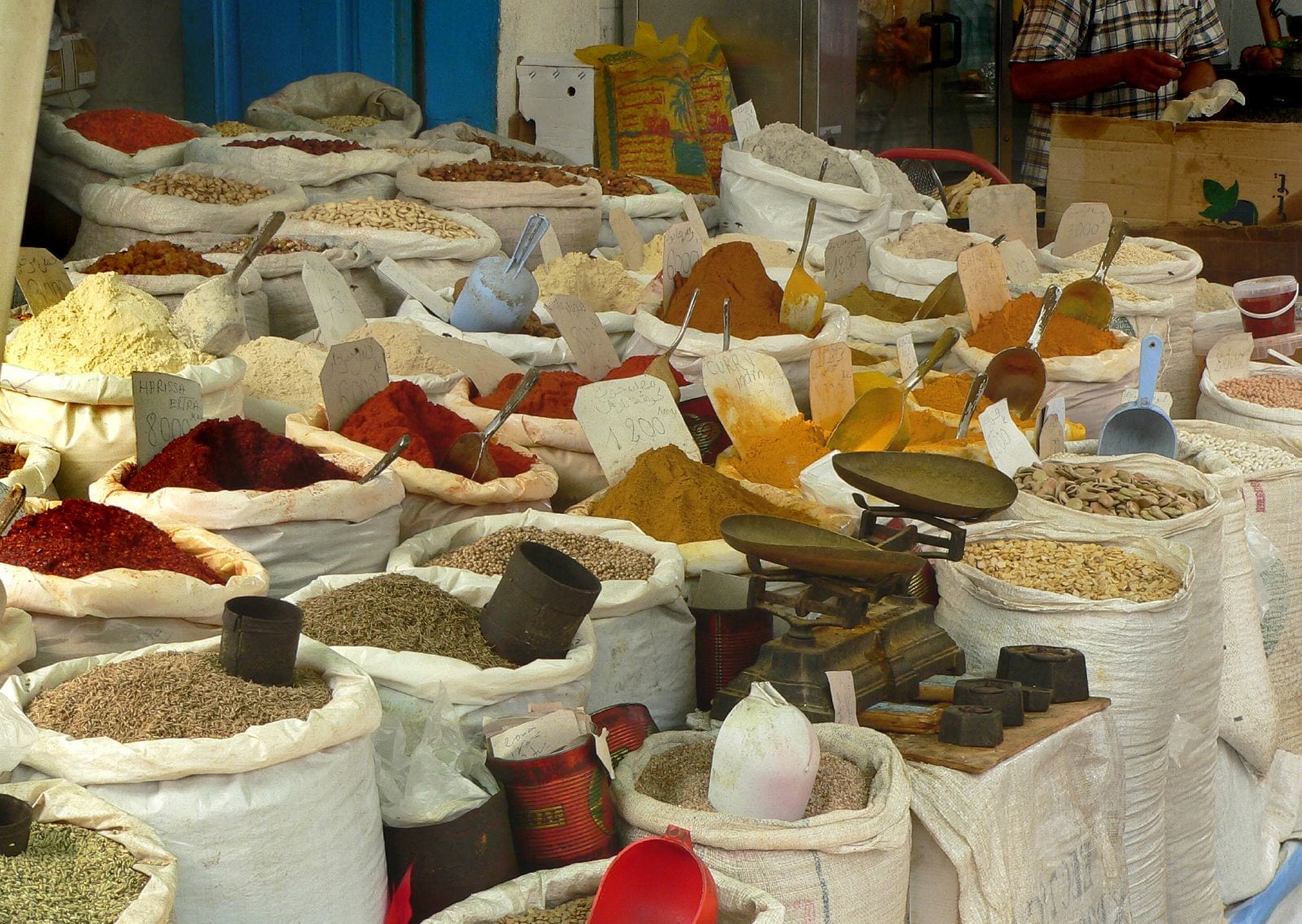
Semolina, harissa and a genuinely fiery pantry
Semolina, olive oil and harissa, a chilli paste distinctly more central to Tunisian cooking than in neighbouring Maghreb countries, anchor much of the everyday pantry. Seafood along the coast, and preserved lemon and caraway as common seasonings, round out a cuisine genuinely known across the region for being spicier than its immediate neighbours.
History behind the grain
Couscous's origins trace to Amazigh communities across the Maghreb, who developed the technique of rolling and steaming semolina long before Arab, Ottoman or French influence reached North Africa. Harissa, now central to Tunisian identity, reflects later Ottoman-era chilli pepper introduction, adapted into a paste distinctly hotter and more prominent in Tunisian cooking than in the couscous traditions of neighbouring countries.
Dishes to know
Five more to recognise across Tunisia:
- Brik — a thin pastry filled with egg, tuna or meat, folded and
fried, a genuine Tunisian specialty.
- Harissa — a fiery chilli paste, used as both a condiment and
cooking base, more central here than in neighbouring cuisines.
- Lablabi — a chickpea soup, often topped with bread, egg and harissa,
a popular breakfast dish.
- Ojja — eggs cooked in a spiced tomato sauce, often with merguez
sausage.
- Mechouia — a smoky grilled pepper and tomato salad, dressed with
olive oil.
Drinks
Mint tea, often sweetened and sometimes flavoured with pine nuts, is a genuine daily ritual across Tunisia. Coffee, taken strong, and fresh citrus juices, given the country's substantial orange and lemon harvests, are also widely enjoyed.
Eating as a traveller
Vegetarians will find couscous, lablabi and vegetable-based dishes manageable, though fish and meat feature in most traditional stews. Tap water is generally safe to drink in Tunisia's main cities. Trying harissa on the side of nearly any dish, the way Tunisians genuinely do, is a good way to gauge just how central it is to the country's food identity.
What to take from the table
Couscous, jointly recognised across the whole Maghreb, is the dish that connects Tunisia to its neighbours, while harissa's fiery, distinctly Tunisian presence on nearly every plate is what sets the country's food apart.