Daily Life · Tristan da Cunha
Tristan da Cunha: One Village, a Handful of Surnames
Around 220 people, one settlement, one supermarket and one school, where almost everyone is related and many adults hold down a government job and a farming plot at the same time
By Worldlore Editorial · 30 September 2026
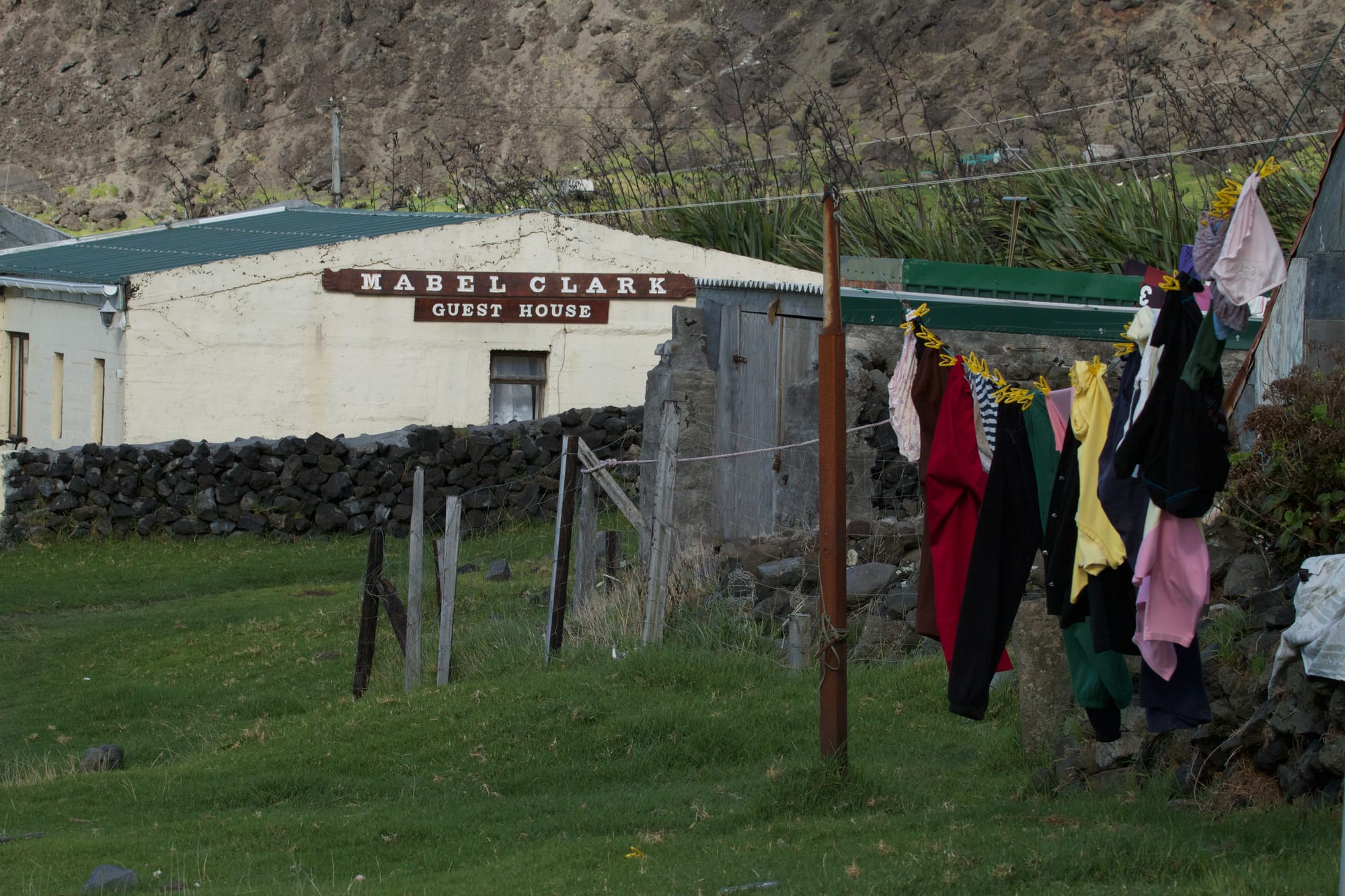
There is only one place to live on Tristan da Cunha, and everyone lives there: a little over 200 people in Edinburgh of the Seven Seas, a scatter of houses on a narrow green shelf between the sea and a volcanic peak. An ordinary day mixes two kinds of work almost every adult does at once — a paid job, usually with the island government or the fishing company, and unpaid work on the family's animals and potato plot. Everybody knows everybody, because on an island this size, after two centuries of settlement from a handful of founding families, that is close to literally true.
Family and home life
The population sits at a little over 200, nearly all of it descended from the small group of settlers, shipwreck survivors and women from Saint Helena who founded the community between 1816 and the early 1900s. The male founders shared seven surnames, Glass, Green, Hagan, Lavarello, Repetto, Rogers and Swain, and these still dominate, joined by Collins and Squibb, which arrived with English husbands after the evacuation of the early 1960s. Households are generally small and family-centred, and with the whole community this closely related, Tristan's social life runs less through separate households than through one continuous network of relatives, neighbours and old family obligations. Land itself is held in common rather than owned outright, every resident family farms, and outsiders may not buy land or settle.
Work, school and the rhythm of the day
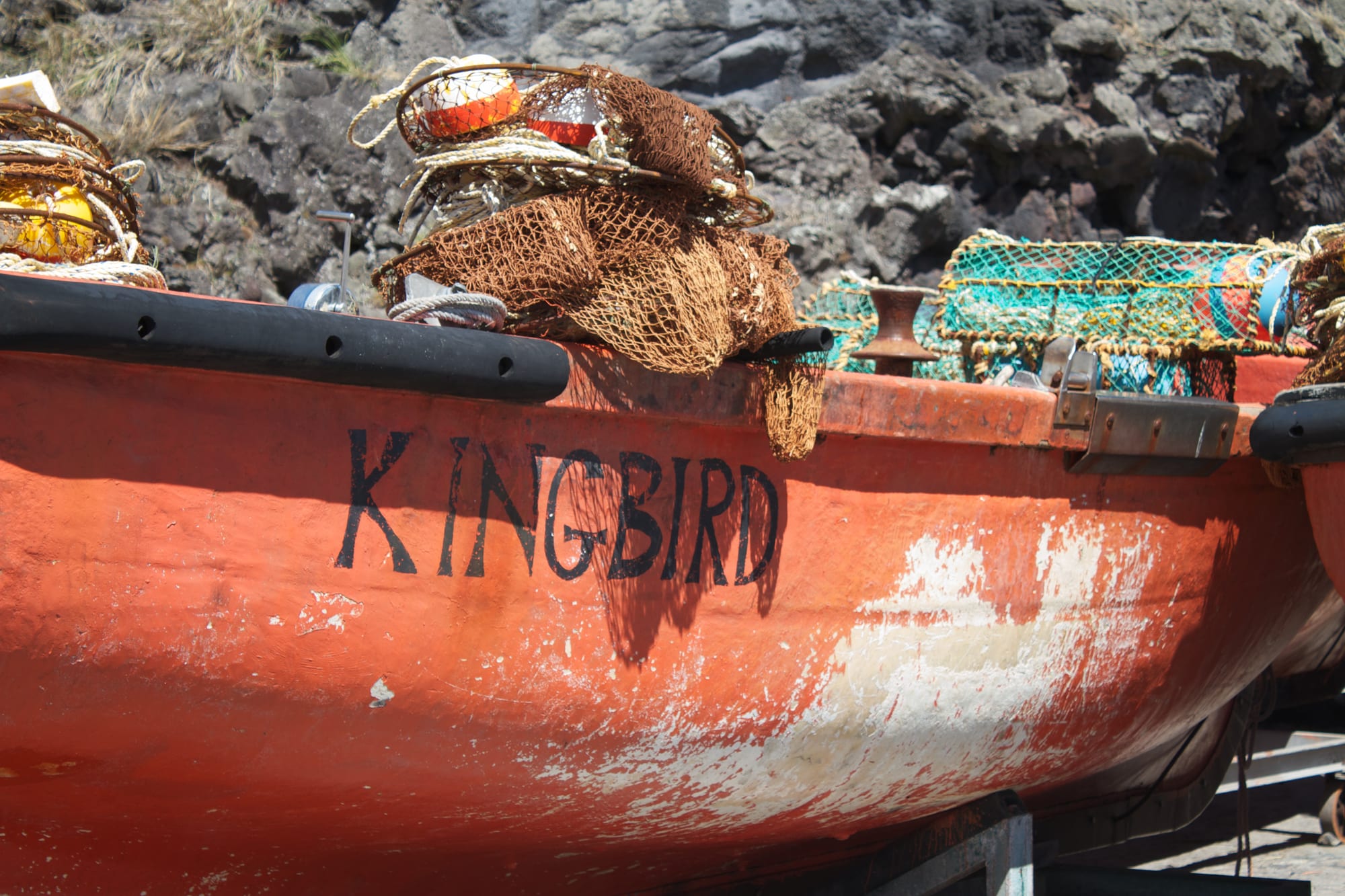
Government is one of the island's two main employers, running a workforce spread across departments that include health, education, conservation and administration, and many adults combine a salaried post like this with daily, unpaid farm work — tending sheep and cattle on the shared grazing, and working potatoes in the Potato Patches outside the settlement. The commercial crawfish fishery is the other pillar of the economy, employing islanders on the boats and in the small processing plant that freezes the catch for export; when conditions are right for fishing, a gong is sounded in the morning to announce a fishing day, and islanders from many other jobs head down to the fishery. St Mary's School teaches the island's children from age four to sixteen, after which further study means leaving for the UK or South Africa.
Community life and public spaces
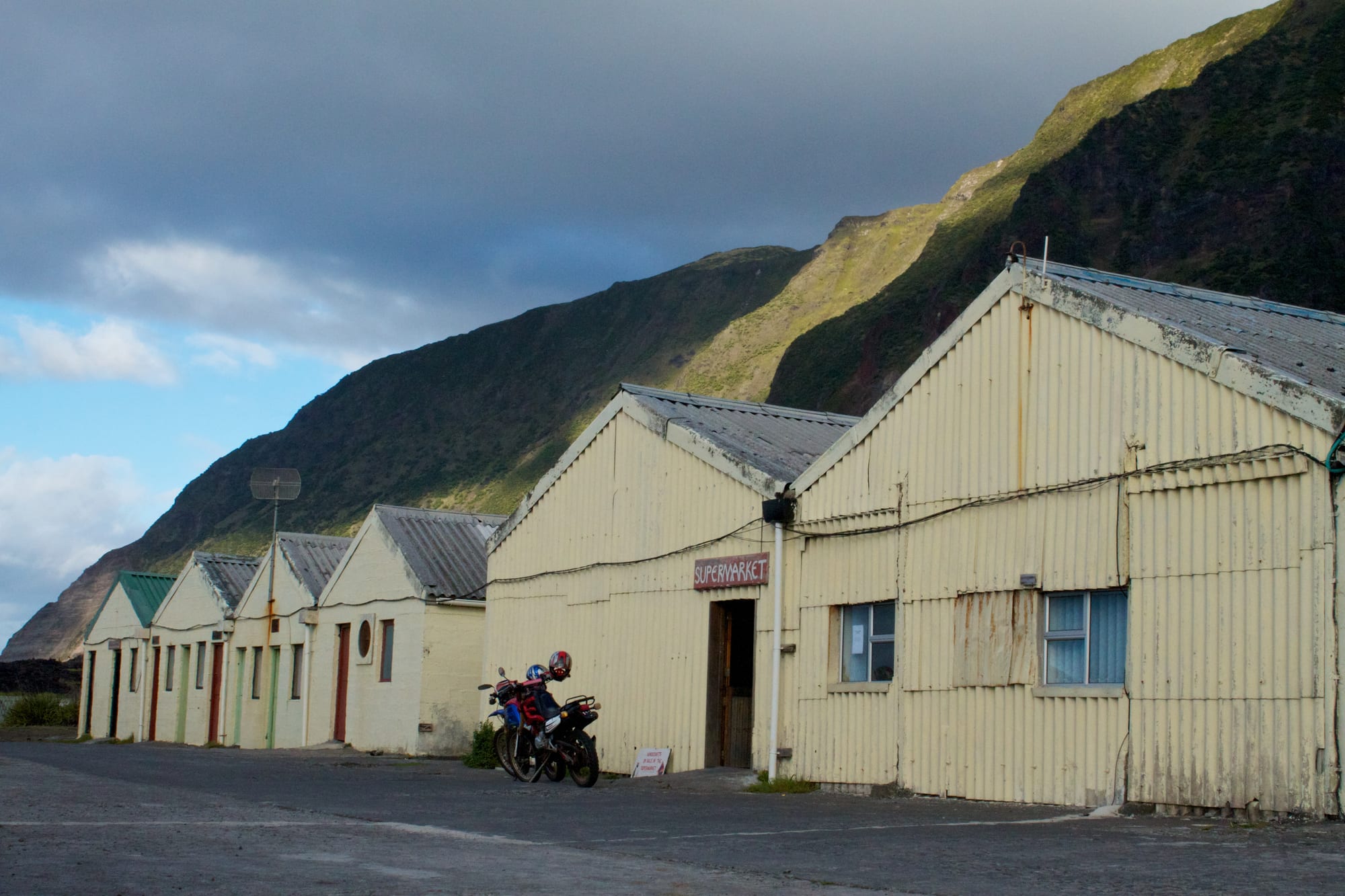
There is one shop, a small supermarket restocked whenever the supply ship gets through, one pub, the Albatross Bar, and one school, and between them they account for most of the settlement's public life outside home and church. With no traffic to speak of and everything within walking distance, the road through the settlement itself doubles as the main gathering space, and a fishing-day gong or a ship's arrival is common knowledge within minutes rather than something anyone needs to announce. Two churches, one Anglican and one Catholic, serve the whole community.
Free time and weekends
With one pub and one settlement, free time tends to mean the same short list of things repeated with the same people: a drink, conversation or a game of pool at the Albatross Bar in the Prince Philip Hall, time with family, and, weather allowing, fishing or walking for pleasure rather than for the catch or the commute. Television and, increasingly, internet access connect islanders to the outside world in the evenings. The island's shared work days — a sheep shearing, a potato harvest, "Ratting Day" — are as much social occasions as practical ones, since they bring the whole community out together rather than being any one family's job.
A visitor's ordinary day
Very few people ever see an ordinary day here in person: Tristan takes very few visitors, who arrive on the fishing and supply vessels from Cape Town after a crossing of typically six to ten days, and landing even then depends entirely on the sea being calm enough for the harbour at Calshot. There is no hotel, so visitors stay with an island family or in a small guesthouse arranged well in advance, and everything — permission to land, accommodation, the passage both ways — has to be organised months ahead, and a visit needs the approval of the Island Council. The currency is the pound sterling, and once ashore, the whole settlement is within easy walking distance.
What to take away
An ordinary day on Tristan da Cunha is small by design rather than by accident: one settlement, one shop, one school, and a population so closely related that community and family are, most of the time, close to the same thing.