Daily Life · Trinidad and Tobago
Trinidad and Tobago: Two Islands, One Long Lime
An industrial, car-dependent working week on Trinidad, a slower tourism-and-farming pace on Tobago, and a shared habit of unwinding together with no particular agenda
By Worldlore Editorial · 30 September 2026
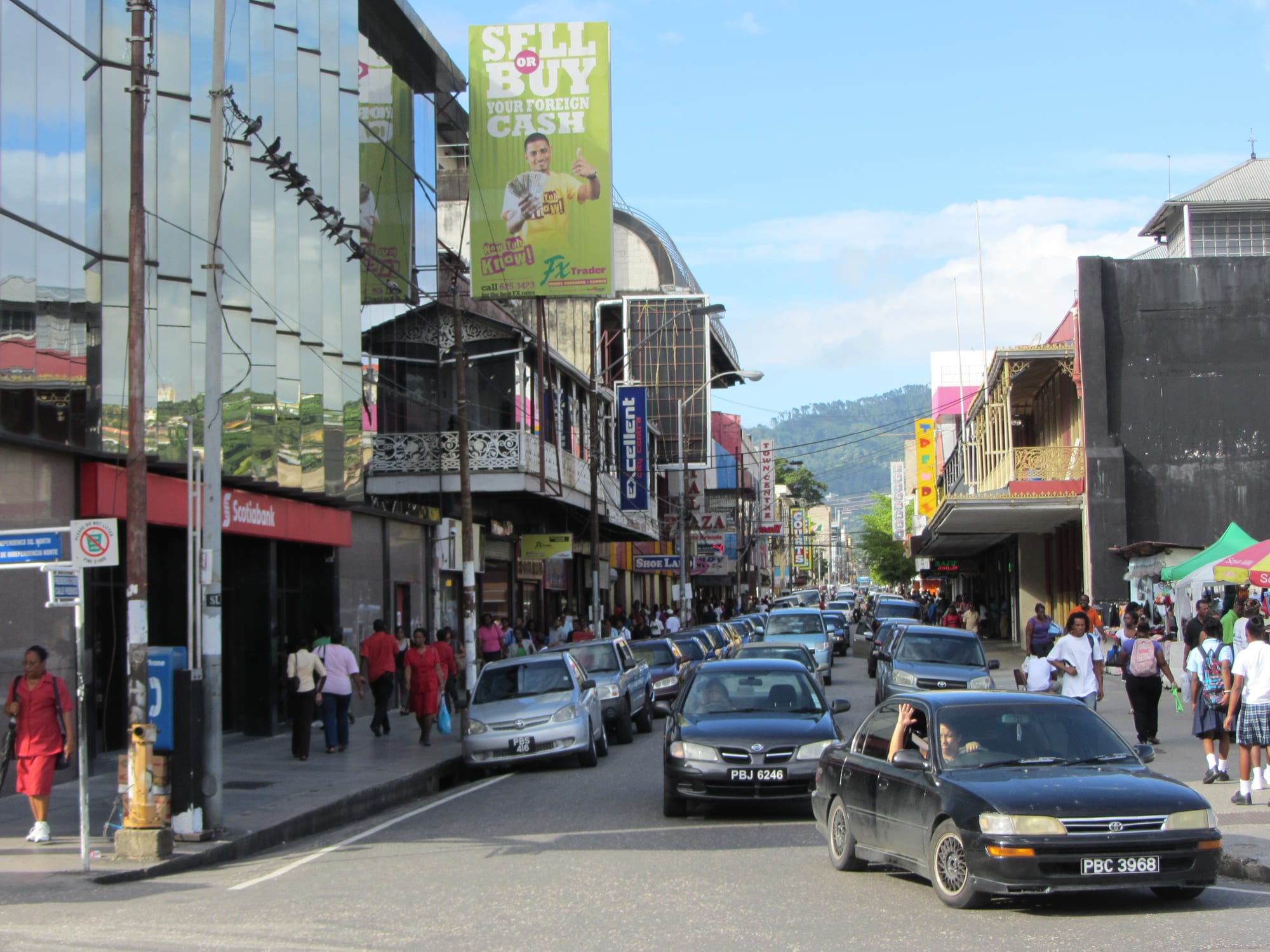
Trinidad and Tobago runs two different speeds under one flag. On Trinidad, the working day is dense and car-dependent, threading between an industrial economy of oil and gas and a street life built on quick, inexpensive food eaten standing up. On Tobago, smaller and more rural, the pace slows considerably, shaped more by fishing, farming and tourism than by traffic. What holds the two together, alongside family and faith, is a shared, low-key social habit known as liming — sitting around with friends, food and music, for no particular reason and no fixed end time.
Family and home life
Family life reflects the country's mix of heritages, above all African and Indian. Among Indo-Trinidadian households, especially in rural areas, an extended or joint family structure has traditionally been common, with related couples and their children sharing one household or family land, though a shift toward smaller, nuclear households has grown since the late twentieth century. Other families follow patterns of their own, and household arrangements vary widely across communities and generations. Across both communities, raising children is generally treated as a shared responsibility of the wider family rather than resting with parents alone, and religious festivals — Christmas, Divali, Eid — are occasions when the extended family often comes together.
Work, school and the rhythm of the day
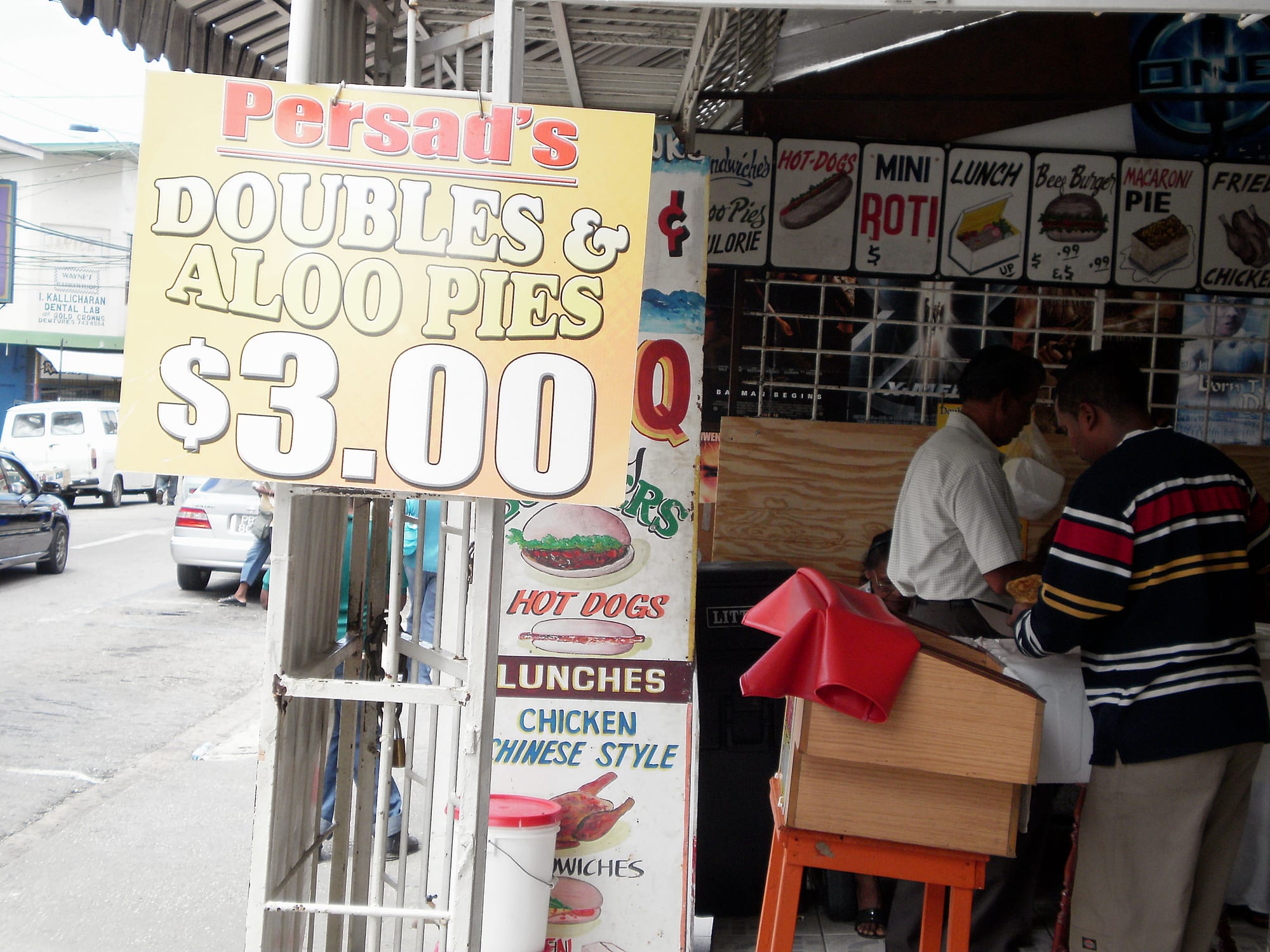
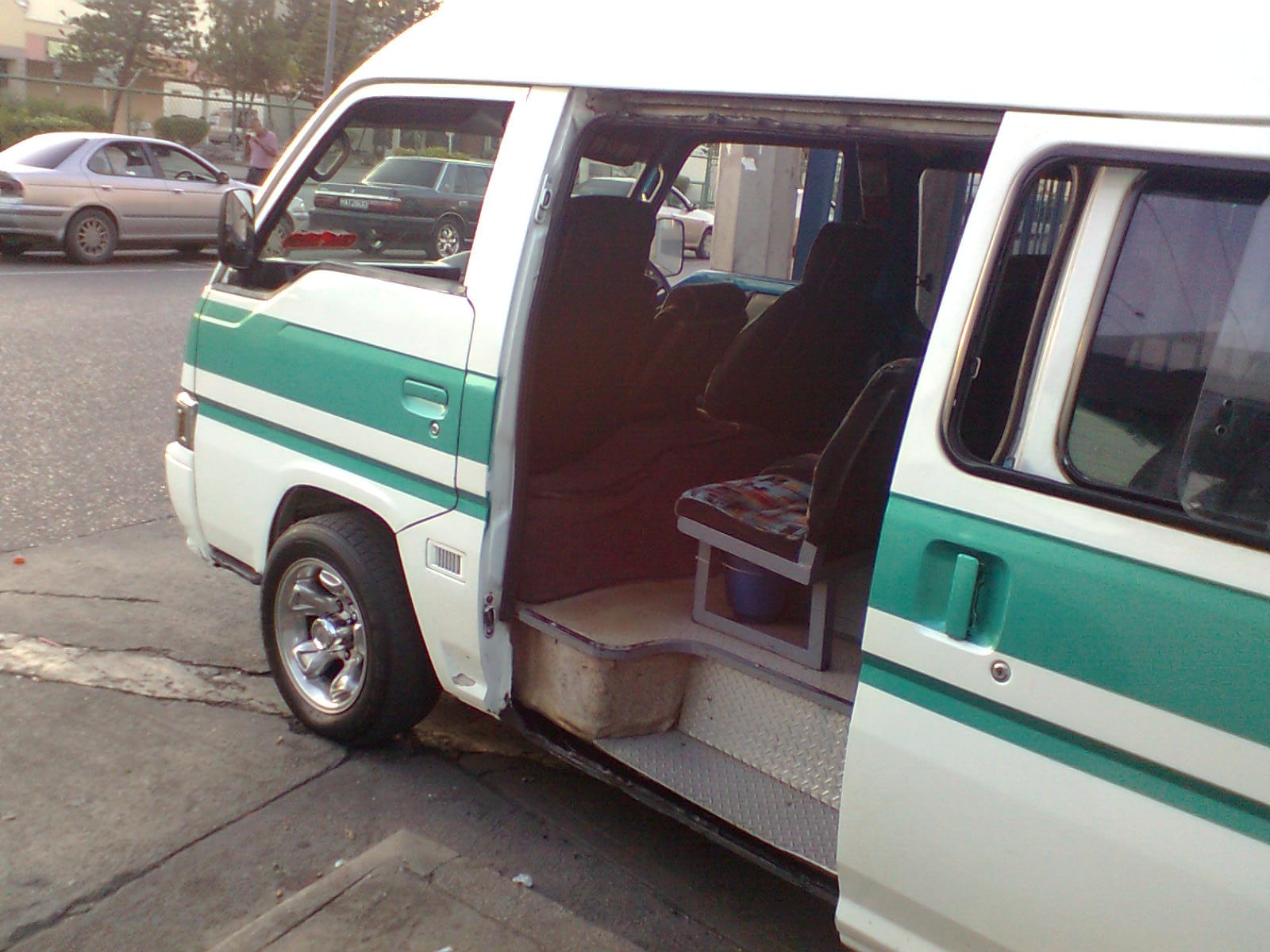
Trinidad's economy is unusually industrial for the Caribbean, built on oil, natural gas and related processing centred on the Point Lisas industrial estate, which gives the country higher incomes than most of its neighbours but also a genuinely car-dependent daily rhythm along the western corridor from Port of Spain to San Fernando. Public transport runs on buses and shared route taxis and maxi-taxis, minibuses colour-coded by the band painted on their sides to show their fixed route, which run without a timetable and are often flagged down along the way; the heaviest traffic and the fullest vehicles come during the school and office rush, roughly 7 to 9 in the morning and 4 to 6 in the evening. Tobago's economy leans far more on government spending, tourism and fishing, with a noticeably slower daily pace. Street food is part of the working day everywhere: doubles, curried chickpeas in fried flatbread, is eaten on the move for breakfast, lunch or a late-night snack, and a regular doubles vendor is often a familiar neighbourhood figure.
Community life and public spaces
City Gate in Port of Spain, the capital's main terminal for buses and maxi-taxis, is for many Trinidadians a daily waypoint rather than an occasional errand. Beyond formal transport hubs, everyday public life runs through roadside food stalls, corner shops and, depending on the neighbourhood, the church, temple or mosque that anchors it — a reflection of a genuinely plural religious landscape rather than any single dominant faith. In the months leading up to Carnival, panyards, open-air spaces where steelpan orchestras rehearse, become an additional evening gathering point in many communities, drawing neighbours to listen even outside formal Carnival season.
Free time and weekends
Liming is the default way free time gets spent — an open-ended gathering with friends, food and music that can happen on a porch, at a beach, by the roadside or in a car park, with no set start or finish. Cricket, often called the national sport, has long commanded loyalty, and football and athletics are followed closely too. Weekend trips to Trinidad's north coast beaches or Tobago's calmer bays are common where transport allows, and Sunday lunch, often a slow-cooked, extended-family affair, is a common fixture on both islands. For months before Carnival, weekend evenings increasingly revolve around panyard practice and fetes, the large outdoor parties that build toward the main event.
A visitor's ordinary day
Get around by route taxi or maxi-taxi for short hops, bearing in mind that these are shared vehicles on fixed routes rather than private hire, or use an app-based or arranged taxi, particularly after dark. A rental car is the practical way to see either island beyond its capital, since public transport thins out considerably outside peak hours and away from the main corridors. Cards are widely accepted in Port of Spain and the larger Tobago hotels, but carry Trinidad and Tobago dollars in cash for street food, route taxis and small shops. Costs and crowds rise sharply around Carnival, when accommodation should be booked many months ahead. A state of emergency over gun crime ran from December 2024 into 2025, so it is worth checking what security measures apply before travelling.
What to take away
Two islands, two different everyday paces — one industrial and car-bound, one slower and more rural — meet in the same national habit of liming: stopping, without much planning, to be together for a while.