Attractions & Natural Wonders · Trinidad and Tobago
Trinidad and Tobago: Eight Attractions and Natural Wonders
The largest natural asphalt deposit on earth, one of the biggest and most elaborate Carnival celebrations in the world, and a swamp where thousands of scarlet ibis turn the mangroves fluorescent red at sunset
By Worldlore Editorial · 10 September 2026
Twin islands, one Carnival capital
Trinidad and Tobago, a twin-island nation just off the coast of Venezuela, pairs Trinidad's industrial energy and world-famous Carnival culture with Tobago's far quieter, beach-focused pace — two islands with distinctly different characters sharing a single country. Trinidad is also home to the world's largest natural asphalt deposit and one of the most significant bird sanctuaries in the Caribbean.
The eight below are split between Trinidad and Tobago. Carnival, held each February or March before Lent, is the country's single biggest event and draws visitors from around the world specifically for it.
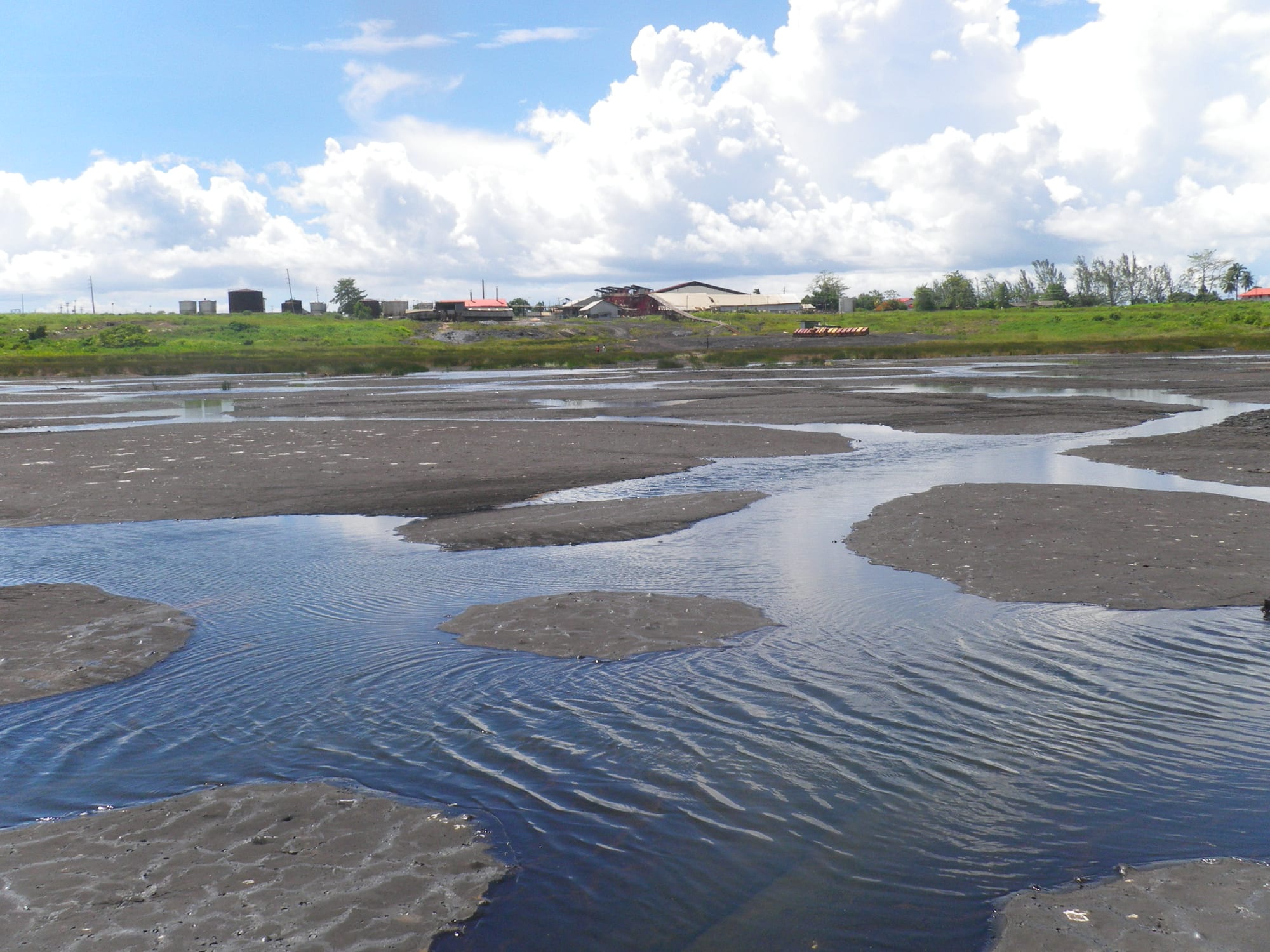
1. Pitch Lake
Pitch Lake, in southwest Trinidad, is the largest natural deposit of asphalt on earth, its dark surface still slowly bubbling and shifting as it has for thousands of years. The lake has been commercially mined for asphalt since the 19th century (reportedly used to pave streets as far away as London) and remains one of the most unusual natural landscapes in the Caribbean, walkable in places under the guidance of a local guide.
2. Trinidad Carnival
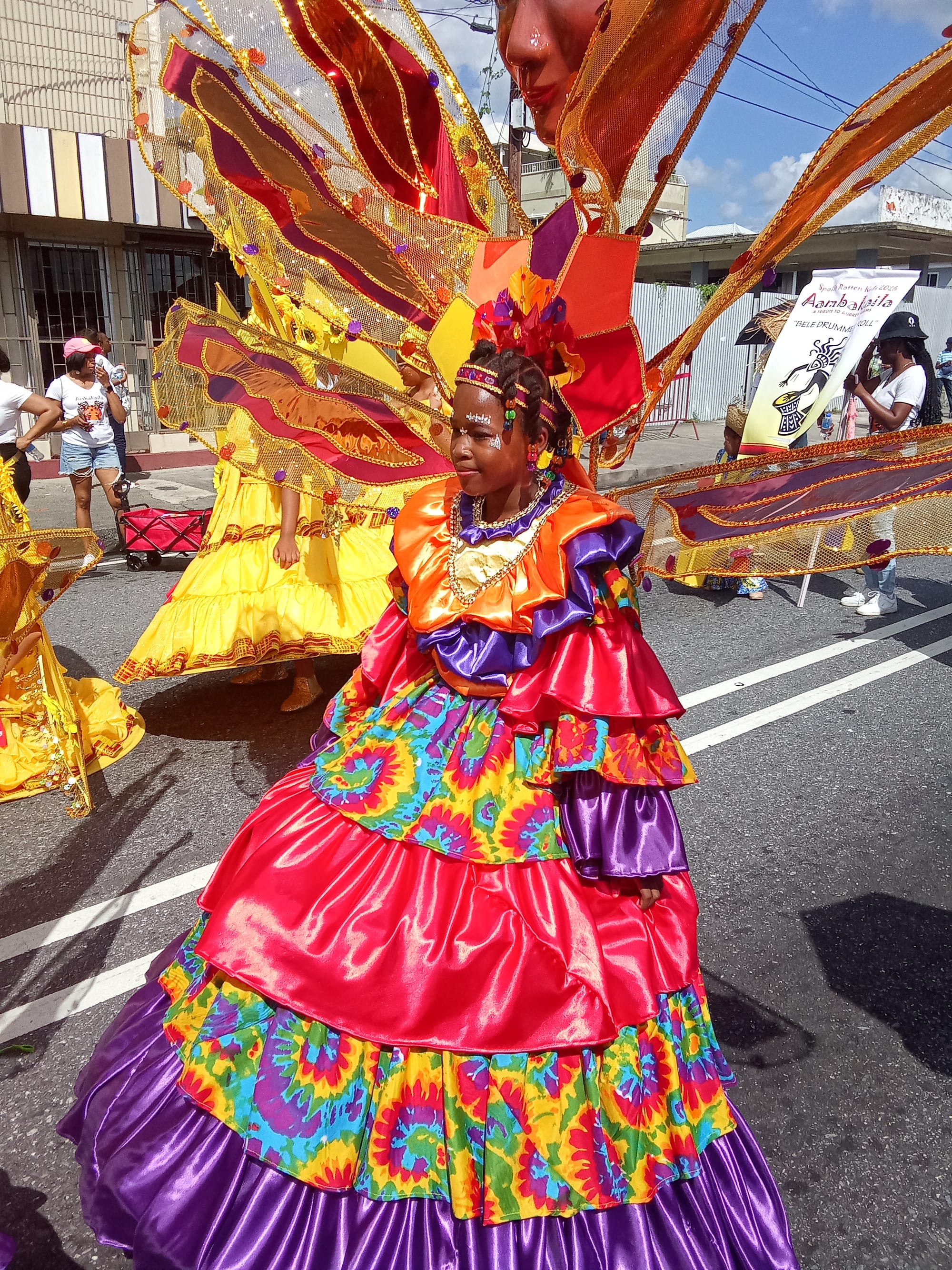
Trinidad Carnival, held each year before Lent, is among the largest and most influential Carnival celebrations in the world, its parade of elaborately feathered and bejewelled costumed bands, calypso and soca music, and steel pan orchestras (an instrument invented in Trinidad) having directly inspired Caribbean carnivals held in cities around the globe, from Notting Hill to Brooklyn.
3. Port of Spain
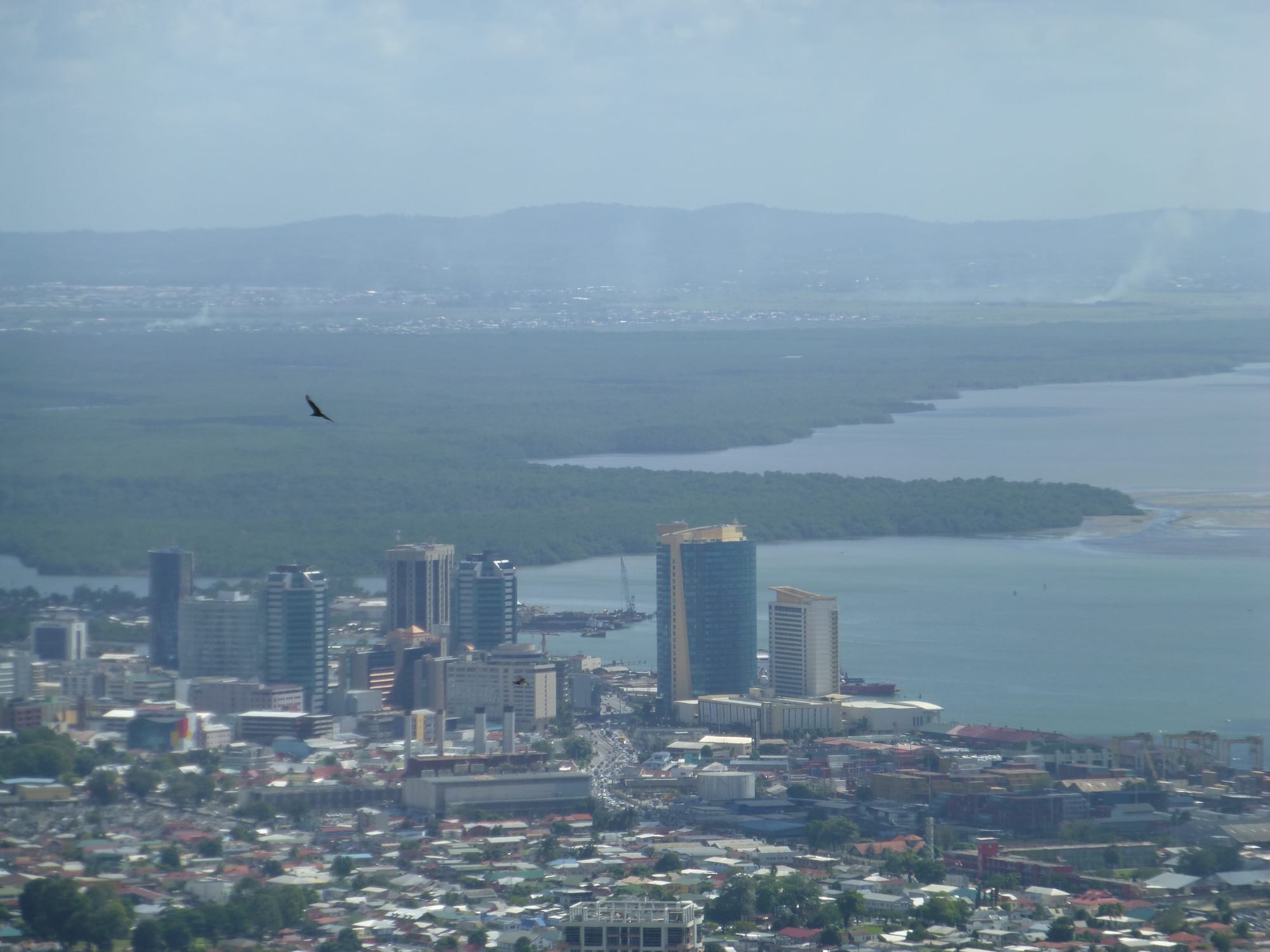
Port of Spain, Trinidad's capital, reflects the island's significant oil and gas wealth in its modern skyline, alongside colonial-era architecture and the Queen's Park Savannah, one of the largest roundabouts in the world and a central gathering point for Carnival events and everyday city life alike.
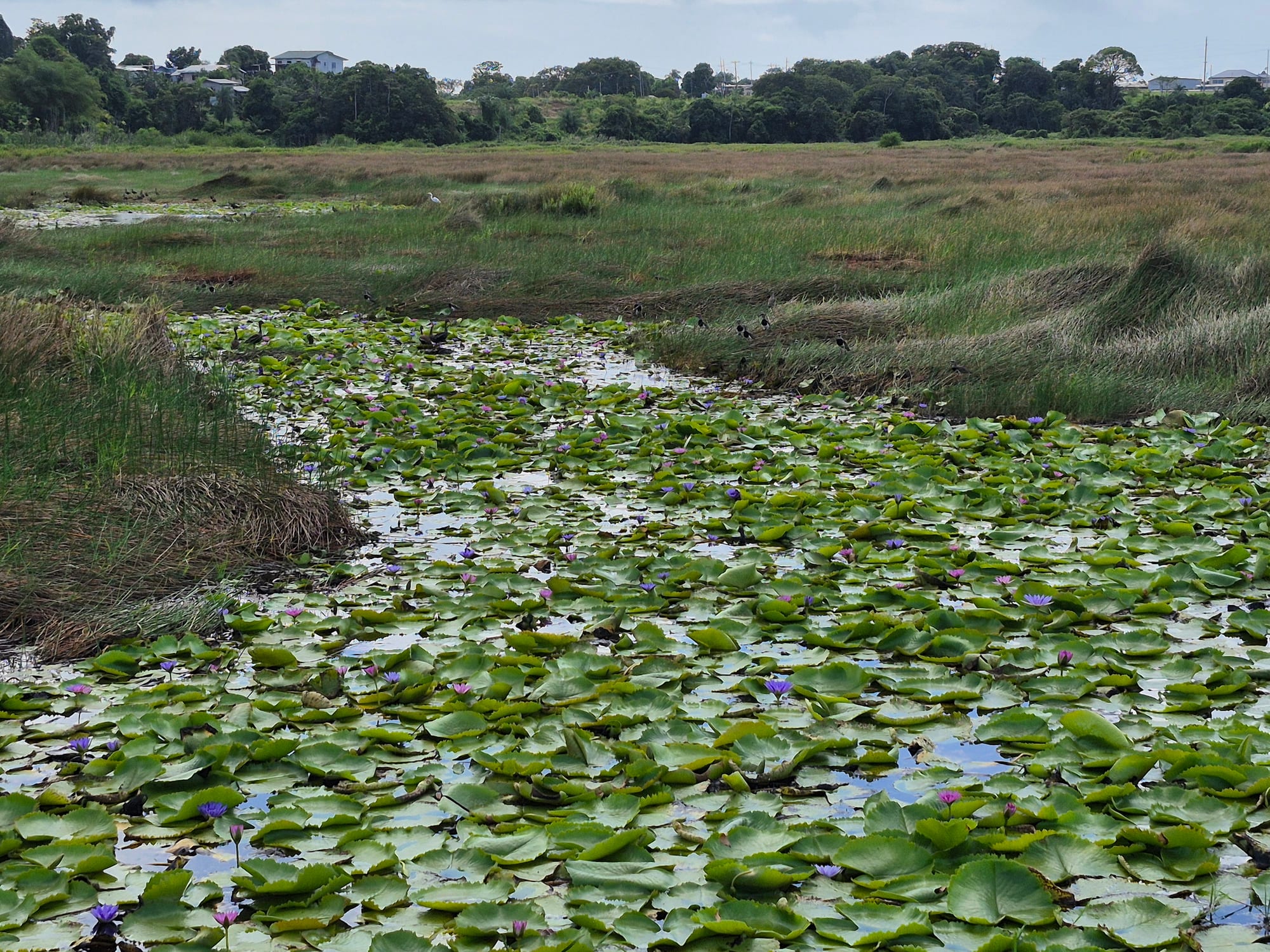
4. Caroni Swamp
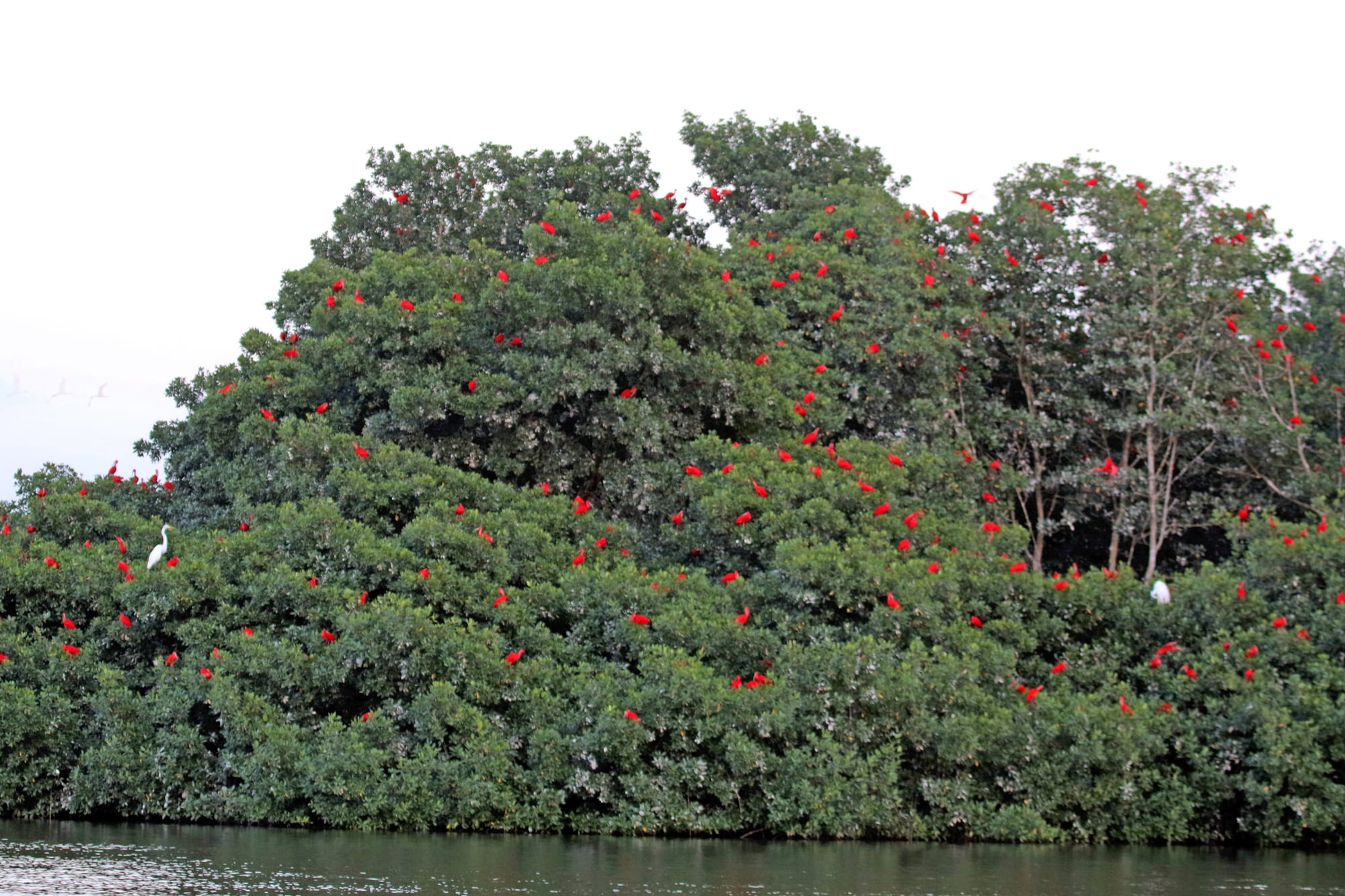
Caroni Swamp, on Trinidad's west coast, is best known for the thousands of scarlet ibis — the national bird — that return each evening to roost in its mangroves, turning entire trees a vivid, fluorescent red as the sun sets. Evening boat tours through the swamp's channels are timed specifically to catch this daily spectacle, alongside caimans and a wide range of other wetland wildlife.
5. Pigeon Point, Tobago
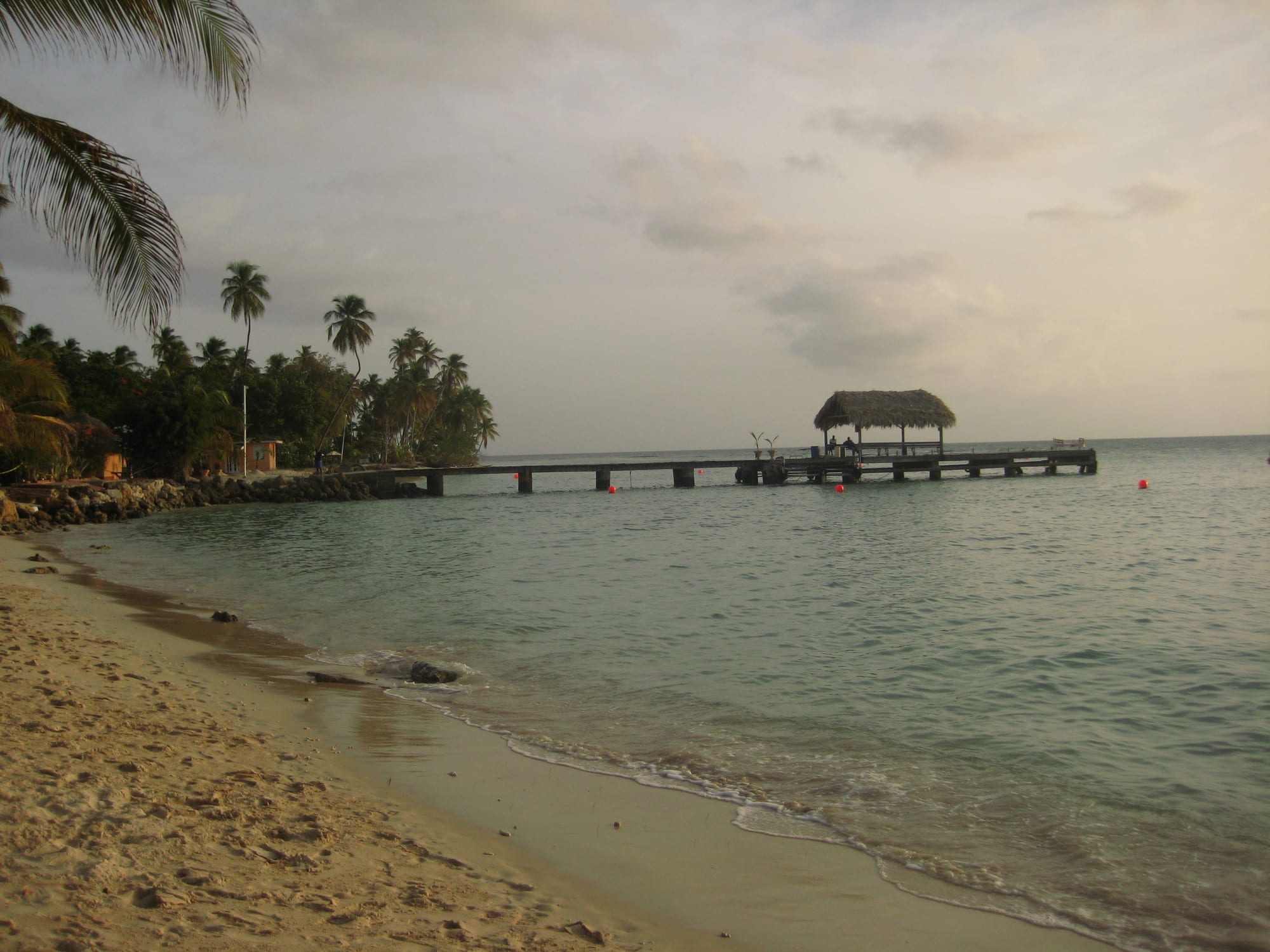
Pigeon Point, on the smaller island of Tobago, is one of the most recognisable and photographed beaches in the Caribbean, its thatched-roof jetty extending into calm, clear turquoise water. Tobago's overall pace is markedly slower and more nature-focused than Trinidad's, with strong diving and reef snorkelling to match its beaches.
6. Maracas Bay
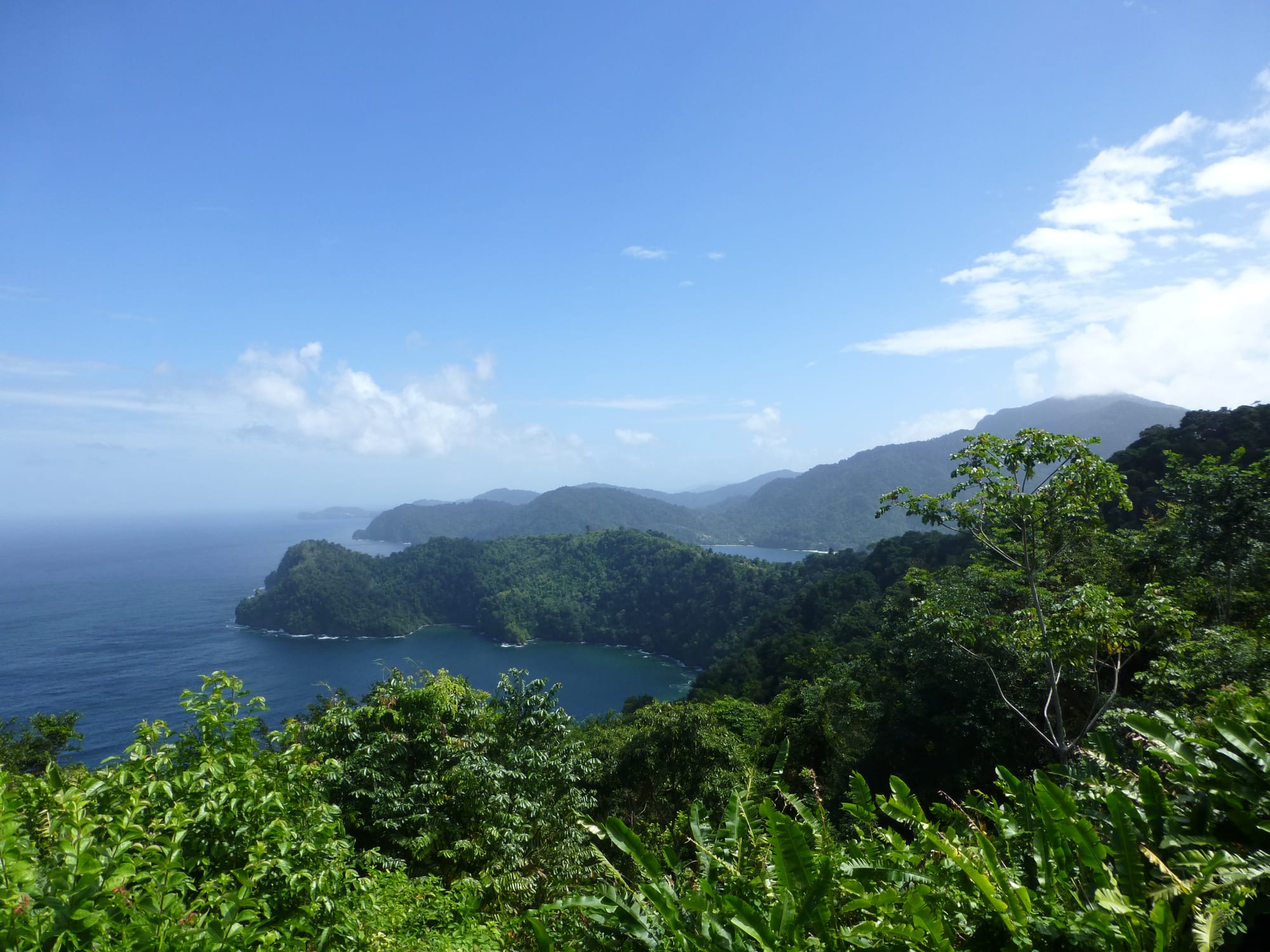
Maracas Bay, a curving stretch of sand backed by forested mountains on Trinidad's north coast, is the island's most popular beach — reached by a winding, scenic road over the Northern Range from Port of Spain, and famous as the birthplace of "bake and shark," the fried-shark sandwich sold from stalls along the beach.
Weekends bring a lively local crowd; the drive itself, with viewpoints over the coast, is part of the appeal.
7. Argyle Waterfall, Tobago
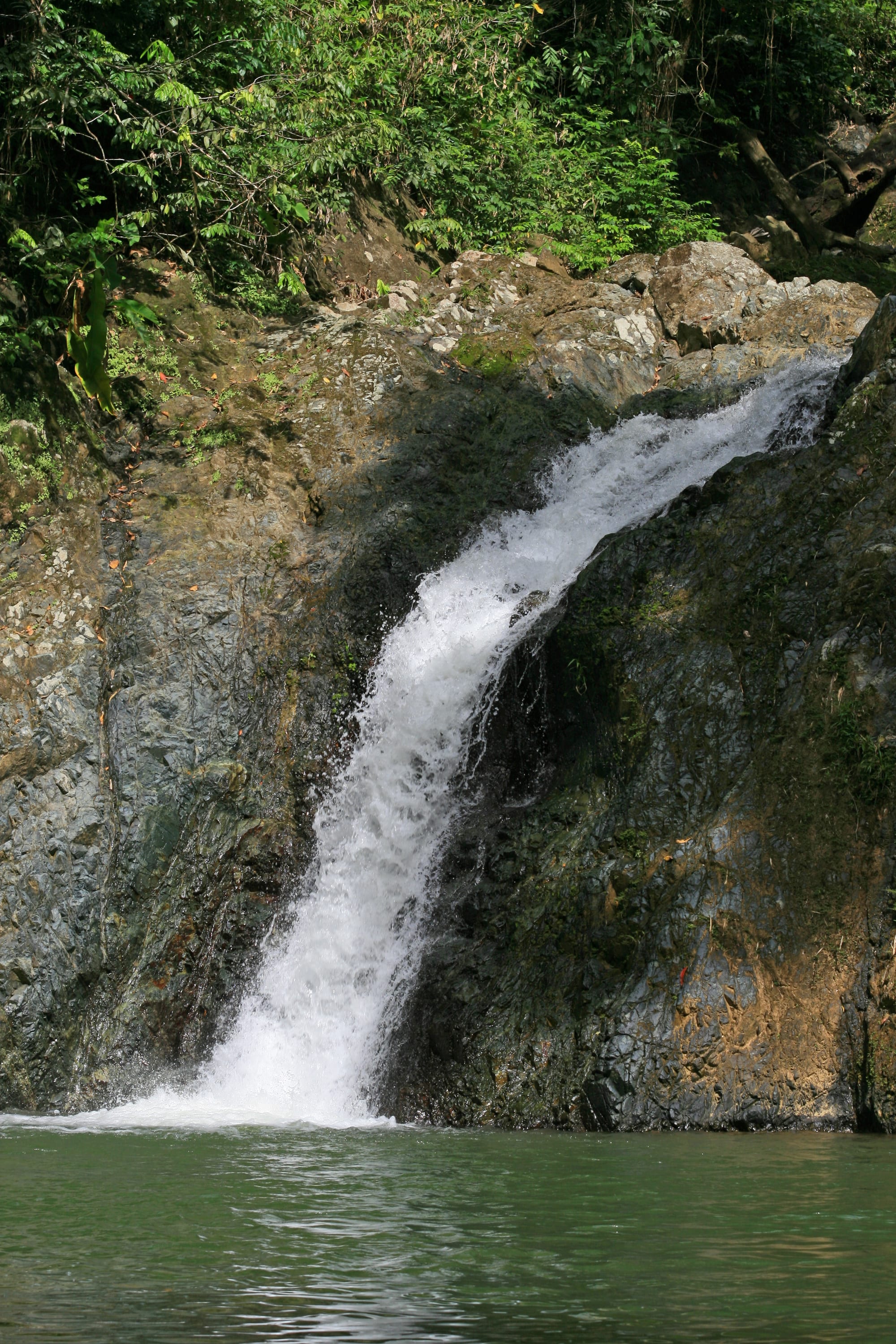
Argyle Waterfall, Tobago's tallest at around 54 metres in three tiers, sits within the Tobago Forest Reserve — the oldest legally protected rainforest in the Western Hemisphere, established in 1776. A short guided walk leads to swimmable pools at each tier, with the option to climb higher for increasingly secluded pools away from the crowds at the base.
The reserve's age and protection have kept Tobago's interior notably wild for such a small island.
8. Buccoo Reef and the Nylon Pool
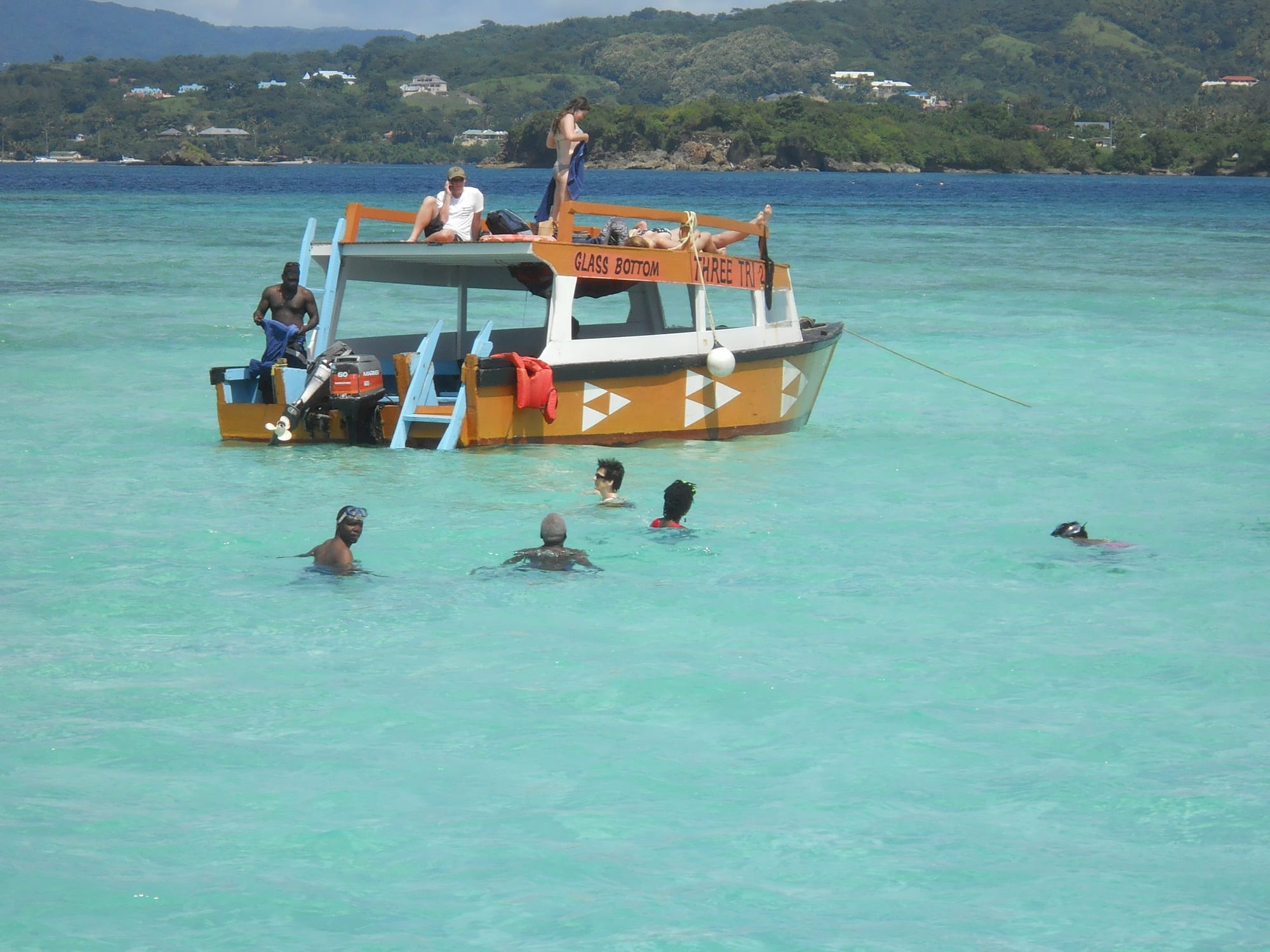
Buccoo Reef, one of the most accessible coral reefs in the Caribbean, is usually visited by glass-bottom boat, with a stop at the Nylon Pool — a shallow, waist-deep sandbar in open water named, according to local legend, by a visiting duke who compared its clarity to nylon stockings. Bathing in its fine white sand is said locally to bring good luck.
The reef and pool sit within a protected marine park, part of why the water has stayed so clear.
Trinidad and Tobago rewards a trip split between the two islands — Trinidad for Carnival, culture, and wildlife, Tobago for beaches and diving — with a short flight or ferry connecting them.