History · Tonga
Tonga: The Last Polynesian Kingdom
A seafaring empire that once dominated the western Pacific — the only island nation never formally colonised, still ruled by a king, and shifting only recently and reluctantly toward democracy
By Worldlore Editorial · 10 September 2026
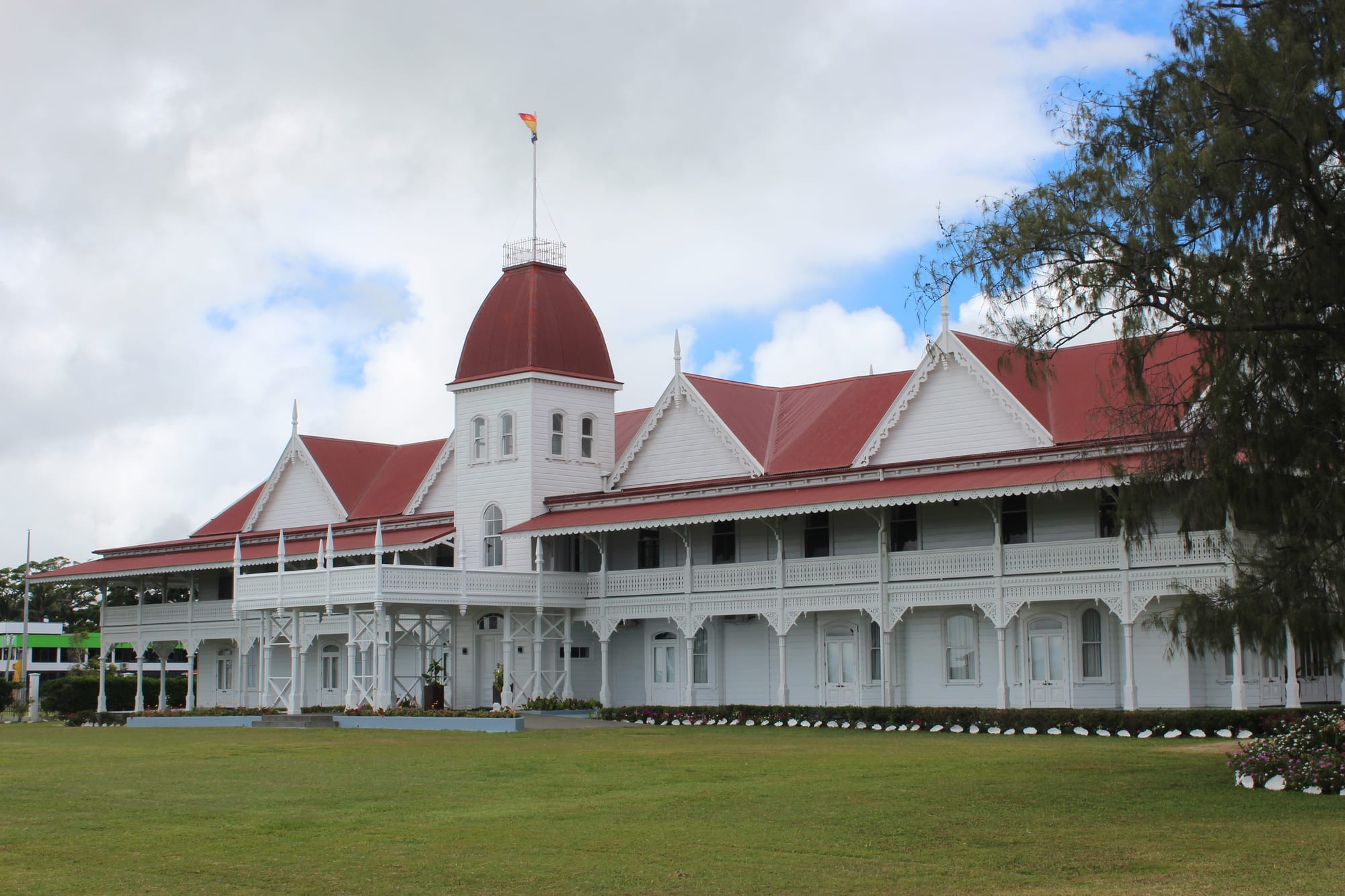
A kingdom that kept its crown
Tonga is an archipelago of about 170 islands in the western South Pacific, some 100 of them inhabited, with roughly 100,000 people. It is a constitutional monarchy — the last remaining Polynesian kingdom — and it is often described as the only Pacific island nation never colonised: it kept its own government throughout the era of empire, under a treaty of protection with Britain rather than direct rule. Its politics has been an unusually slow, king-managed transition from near-absolute monarchy toward democracy, still incomplete.
A short history
- c. 900 BCE
Settlement
Lapita voyagers settle Tongatapu and the other islands.
- c. 950–1500 CE
The Tuʻi Tonga empire
Tonga dominates a wide arc of the western Pacific.
- 1773–1777
Cook's visits
He names them the "Friendly Islands".
- 1797–1830s
Missionaries and civil war
Christianity spreads amid dynastic warfare.
- 1845–1875
Unification
Tāufaʻāhau becomes King George Tupou I and gives Tonga a constitution.
- 1900
Treaty of protection
Tonga becomes a British protected state, keeping self-government.
- 1970
Full independence
Tonga leaves the protectorate and joins the Commonwealth.
- 2006
Nukuʻalofa riots
Pro-democracy unrest burns much of the capital's centre.
- 2010
Reform
Most parliamentary seats become directly elected.
- 2022
The eruption
The Hunga Tonga volcano erupts and a tsunami hits the islands.
The Tuʻi Tonga empire
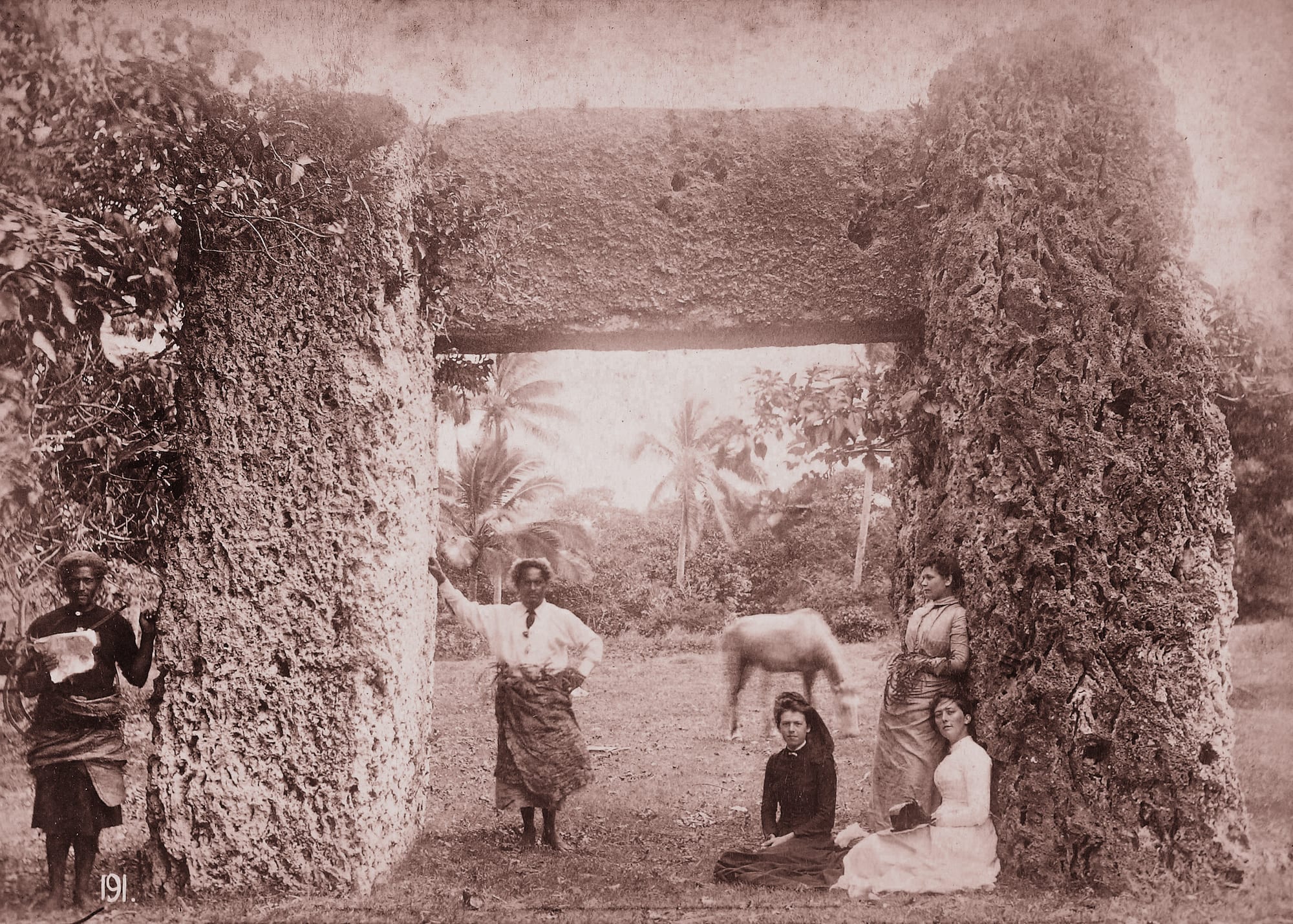
Tonga was settled around 3,000 years ago by the Lapita people, and by about 950 CE a paramount chief, the Tuʻi Tonga, had unified the islands and begun projecting power outward. At its height, between roughly 1200 and 1500, the Tuʻi Tonga's influence — through tribute, marriage alliance, colonisation and war — reached Samoa, Fiji, Niue, Wallis and Futuna, and beyond: one of the few genuine maritime empires in Pacific history, its centre the monumental royal tombs (langi) and the stone trilithon of Haʻamonga ʻa Maui on Tongatapu. Over time the sacred Tuʻi Tonga line delegated real power to junior dynasties, and by the 18th century the kingdom was fracturing.
Missionaries, war, and King George
James Cook's visits in the 1770s earned Tonga the nickname "the Friendly Islands" (though on one visit chiefs reportedly plotted to kill him). From the 1820s and 1830s Wesleyan missionaries won converts, and the islands fell into a period of civil war between Christian and traditionalist chiefs and rival dynasties. The victor was Tāufaʻāhau, a chief of the Haʻapai group, who converted, took the baptismal name George, and by 1845 had united all Tonga under his rule as King George Tupou I. In 1875 he granted a written constitution — drafted with a missionary adviser — that abolished serfdom, guaranteed land rights to every Tongan male, and established a parliament and a hereditary nobility, entrenching the monarchy while pre-empting demands for a republic.
Protectorate and independence
Wary of German and other designs on the islands, Tonga signed a Treaty of Friendship with Britain in 1900, becoming a British-protected state: Britain handled foreign affairs and stationed a consul with a veto over finances, but Tonga kept its king, government, laws and land system, and no British colonists settled. Queen Sālote Tupou III, who reigned from 1918 to 1965, was widely admired and became briefly world-famous for riding through the rain in an open carriage at the 1953 coronation of Elizabeth II. Tonga ended the protectorate and became fully independent on 4 June 1970, joining the Commonwealth.
The slow road to democracy
For decades the monarch and appointed nobles dominated a parliament in which commoners elected only a minority of seats. A pro-democracy movement grew from the 1980s, pressing for accountability over royal finances and business monopolies. In November 2006, as parliament rose without acting on reform, riots erupted in Nukuʻalofa; much of the central business district, a good deal of it owned by Chinese Tongan traders, was looted and burned, and eight people died. King George Tupou V, who acceded that year, agreed to major reforms: from the 2010 election, a majority of parliamentary seats (17 of 26) are directly elected by the people, and the prime minister is chosen by parliament rather than the king. The monarch retains significant powers but is now largely above day-to-day politics.
Tonga now
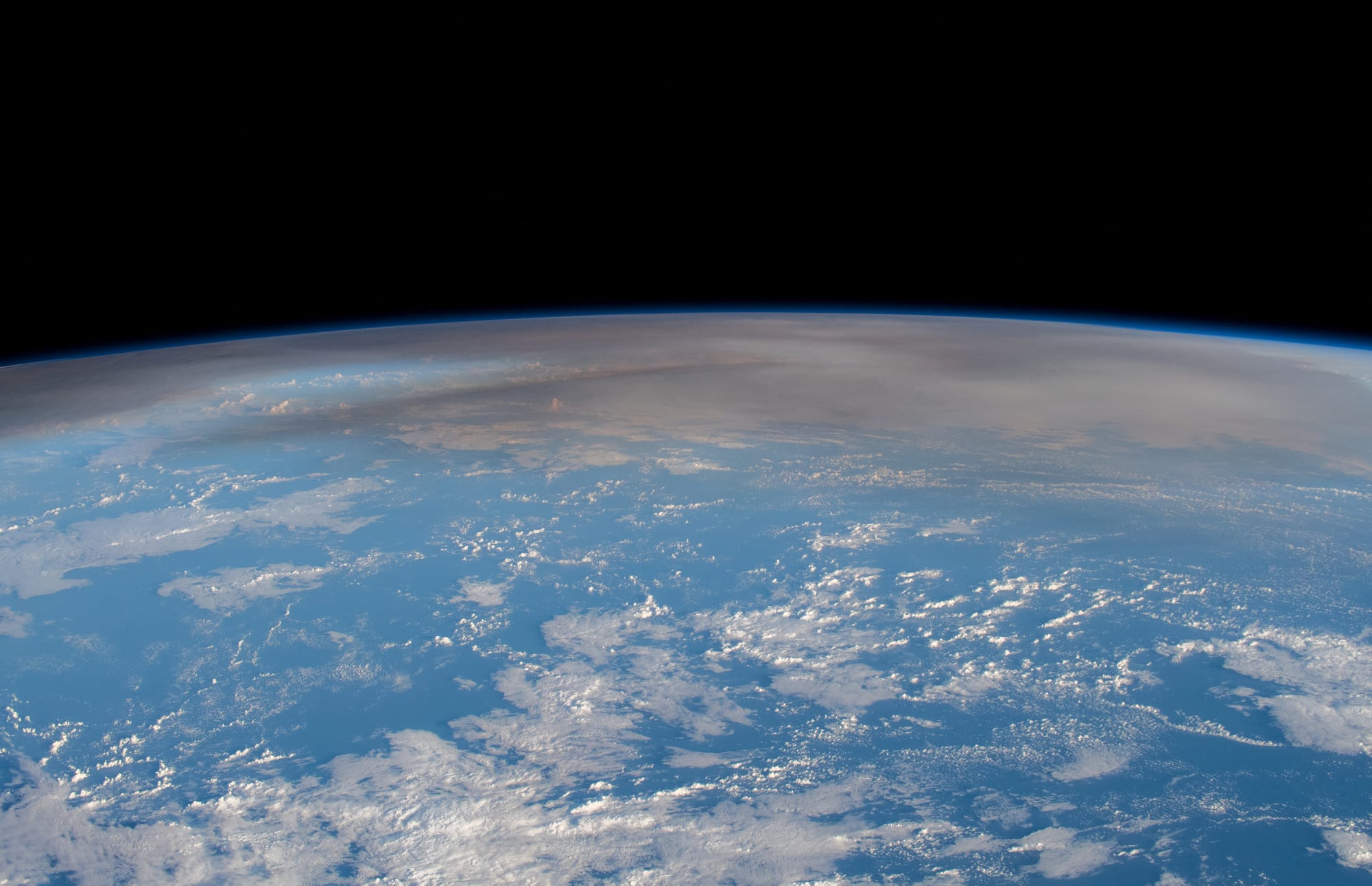
Tonga's economy relies on agriculture, fishing, tourism, and heavily on remittances from the large Tongan communities in New Zealand, Australia and the United States, which are among the highest in the world as a share of GDP. It is deeply exposed to natural disasters: cyclones regularly cause severe damage, and in January 2022 the undersea Hunga Tonga–Hunga Haʻapai volcano produced one of the largest eruptions ever recorded, sending a tsunami across the islands, blanketing them in ash and cutting the country's single undersea internet cable for weeks. Reconstruction and climate resilience dominate national policy, alongside debate over Chinese loans taken to rebuild after 2006.
What Tonga carries
Tonga is the Pacific's exception: a Polynesian state old enough to have run its own empire, and resilient enough to have kept its monarchy and its land intact through the colonial era, under a treaty rather than a governor. The 1875 constitution locked in that monarchy for well over a century; the 2010 reforms, forced by the 2006 riots, began to loosen it. Tonga is now a kingdom edging toward democracy on its own timetable, on islands increasingly at the mercy of the sea and the sky.