History · Tokelau
Tokelau: Three Atolls and a Choice
Three tiny coral atolls in the South Pacific with no airstrip and no capital — a Polynesian society devastated by 19th-century slavers, administered by New Zealand, and twice offered self-government, which it has twice narrowly declined
By Worldlore Editorial · 19 September 2026
The smallest economy in the world
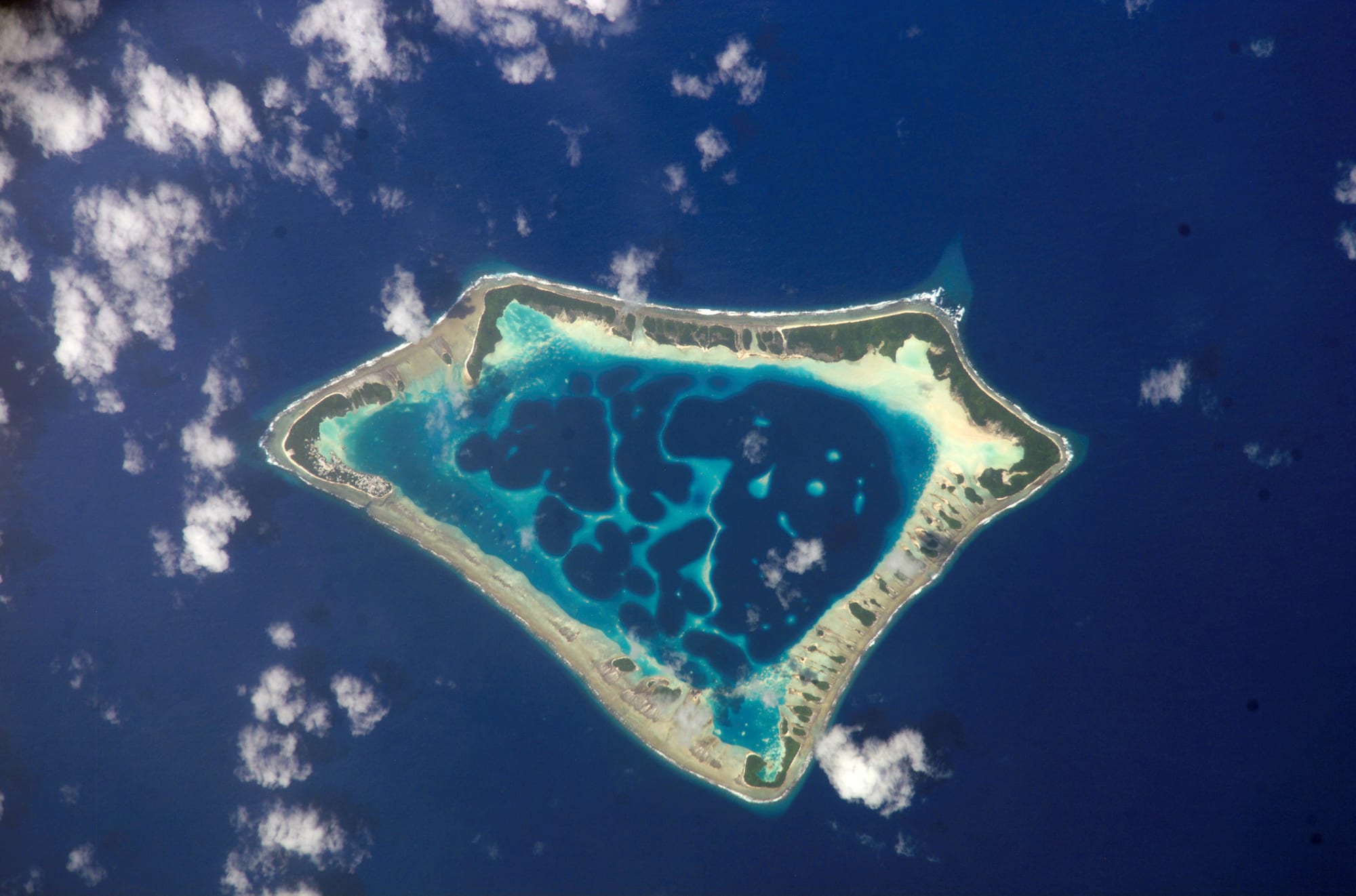
Tokelau is three coral atolls — Atafu, Nukunonu and Fakaofo — roughly midway between New Zealand and Hawaii, with about 1,500 residents and no airport: the only way in is a day-and-a-half boat trip from Samoa. It is a non-self-governing territory of New Zealand. It has, by most measures, the smallest economy of any country or territory on Earth, and it is one of the few places to run entirely on solar power. Twice in the 2000s Tokelauans were asked whether they wanted self-government in free association with New Zealand, and twice they came within a few dozen votes of saying yes — and did not.
A short history
- c. 1000 CE onward
Settlement
Polynesians settle the three atolls; each develops its own polity.
- 1765
European sighting
British ships chart the atolls over the following decades.
- 1845–1863
Missionaries and raiders
Christianity arrives; Peruvian slavers devastate the population.
- 1889
British protectorate
The atolls (then the "Union Islands") come under British protection.
- 1916
Attached to the Gilbert and Ellice Islands
Administered as part of that colony.
- 1926
New Zealand takes over administration
Transferred from the Gilbert and Ellice colony.
- 1948
New Zealand sovereignty
Tokelau formally becomes part of New Zealand.
- 2006 & 2007
Referendums
Free association narrowly fails to reach the two-thirds threshold.
Atolls and slavers
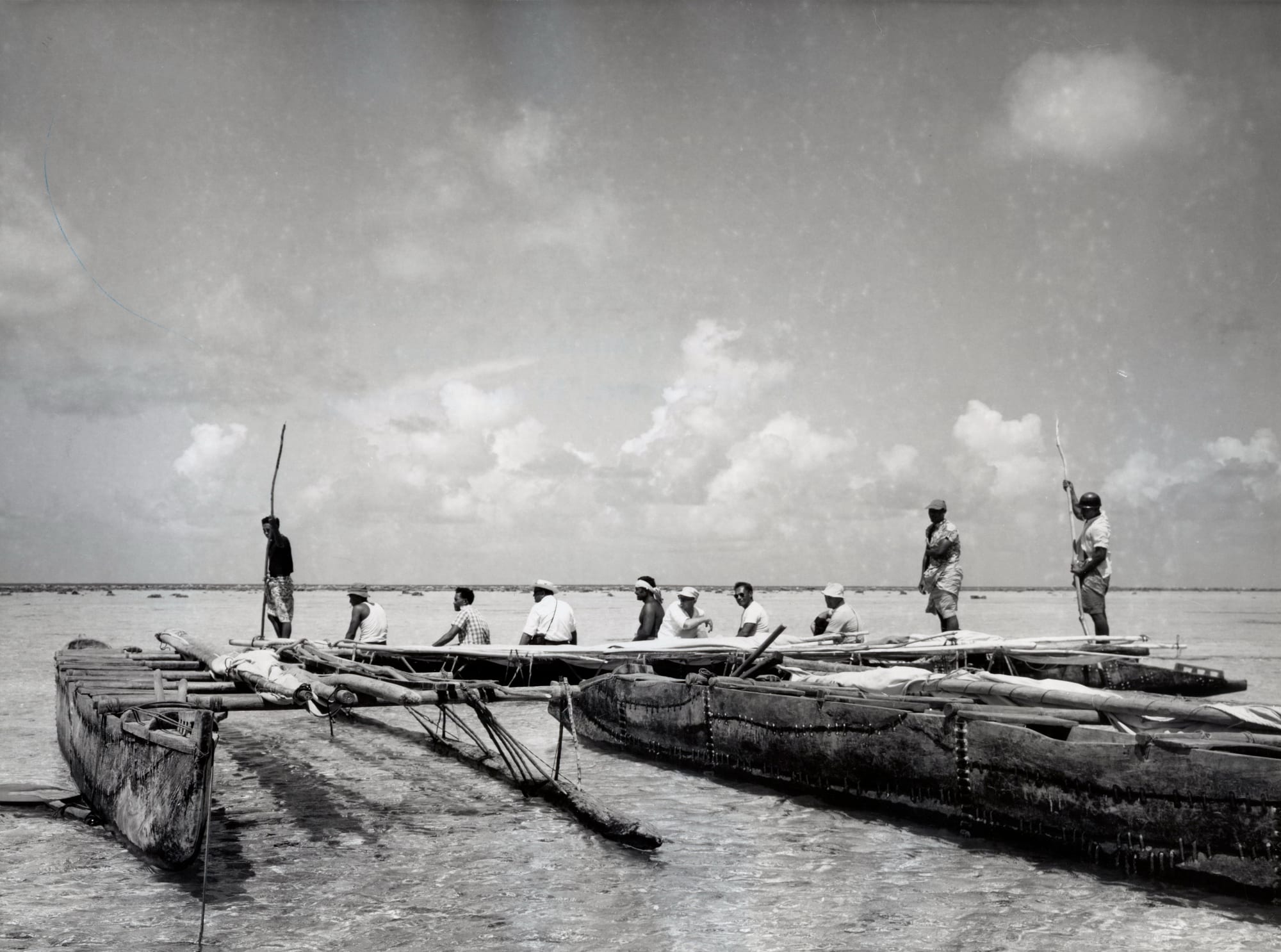
Polynesians settled the atolls around a thousand years ago, arriving from Samoa, Tuvalu and the Cook Islands, and each atoll developed as a separate community governed by a council of elders (the taupulega) — a structure that still holds almost all local authority. Life was precarious: no fresh surface water, thin sandy soil supporting little beyond coconut and pandanus and breadfruit, and frequent cyclones. In 1863 Peruvian ships engaged in "blackbirding" — labour raiding for the guano islands and plantations of South America — carried off most of the able-bodied men of Fakaofo, Nukunonu and Atafu, around 250 people, almost none of whom returned. Disease introduced at the same time compounded the loss, and the population collapsed; the atolls were partly repopulated by Samoan and other settlers, and by returning families, over the following decades.
Under Britain, then New Zealand
Britain declared a protectorate over the atolls — then called the Union Islands — in 1889 and annexed them in 1916, administering them from the Gilbert and Ellice Islands colony. In 1926 administrative responsibility passed to New Zealand, and in 1948 the New Zealand parliament formally incorporated Tokelau into New Zealand, making all Tokelauans New Zealand citizens. New Zealand governs through an administrator, but has progressively devolved power to the three atoll councils and to the General Fono, a national assembly whose members the atolls appoint. There has never been a capital: the seat of government rotates annually among the three atolls.
The referendums
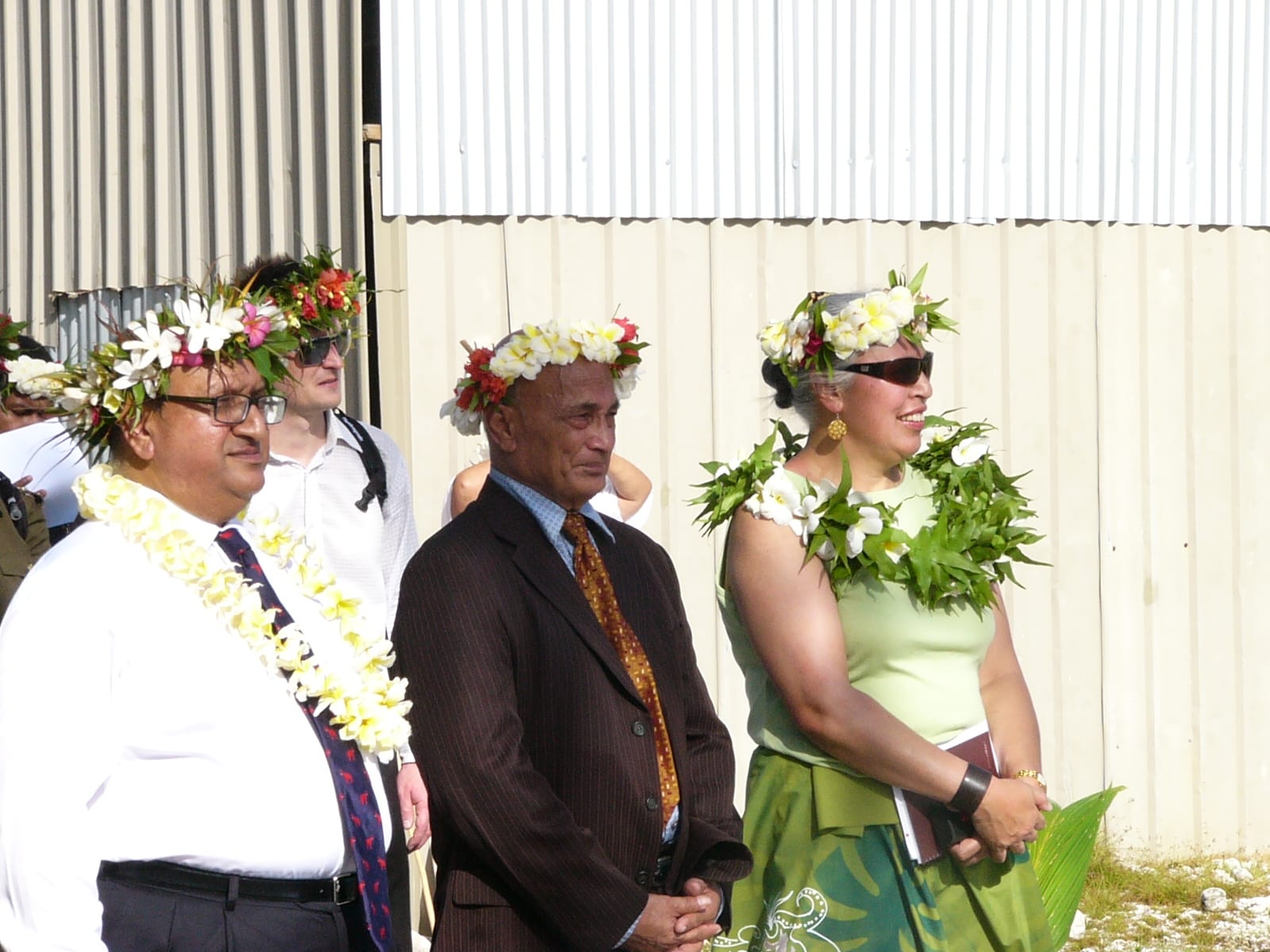
Because Tokelau is on the UN list of non-self-governing territories, New Zealand and the territory have jointly explored options for decolonisation. In February 2006 and again in October 2007, Tokelauans voted in UN-observed referendums on becoming a self-governing state in free association with New Zealand — a status like that of Niue and the Cook Islands. Both times a clear majority voted yes (60 per cent in 2006, 64.4 per cent in 2007), but both fell just short of the two-thirds supermajority the General Fono had set as the threshold; in 2007 the margin was 16 votes. Tokelau therefore remains a New Zealand territory, and interest in holding a third vote has been limited.
Tokelau now
Tokelau's economy is minute: subsistence fishing and farming, the sale of fishing licences for its large exclusive economic zone, postage stamps and the ".tk" internet domain, and — decisively — budget support and services from New Zealand, plus remittances from the much larger Tokelauan community there. In 2012 the territory switched almost entirely to solar electricity. Its existential threat is climate change: with its highest points only a few metres above the sea, Tokelau is among the places most exposed to rising oceans, storm surge and the salinisation of its groundwater.
What Tokelau carries
Tokelau's history is shaped by its size and isolation: a Polynesian society nearly wiped out by slavers in a single year, then rebuilt; administered from ever-changing distant capitals; and finally given a choice about its status that it has twice declined to take, preferring the security of remaining part of New Zealand. The atoll councils still run almost everything, much as they did before any outsider arrived, on three specks of coral that the sea is now rising to meet.