Attractions & Natural Wonders · Tokelau
Tokelau: Four Attractions and Natural Wonders
Three tiny coral atolls scattered across the Pacific, reached only by a day-long boat journey from Samoa, where village life still runs almost entirely on communal, consensus-based decision-making
By Worldlore Editorial · 9 September 2026
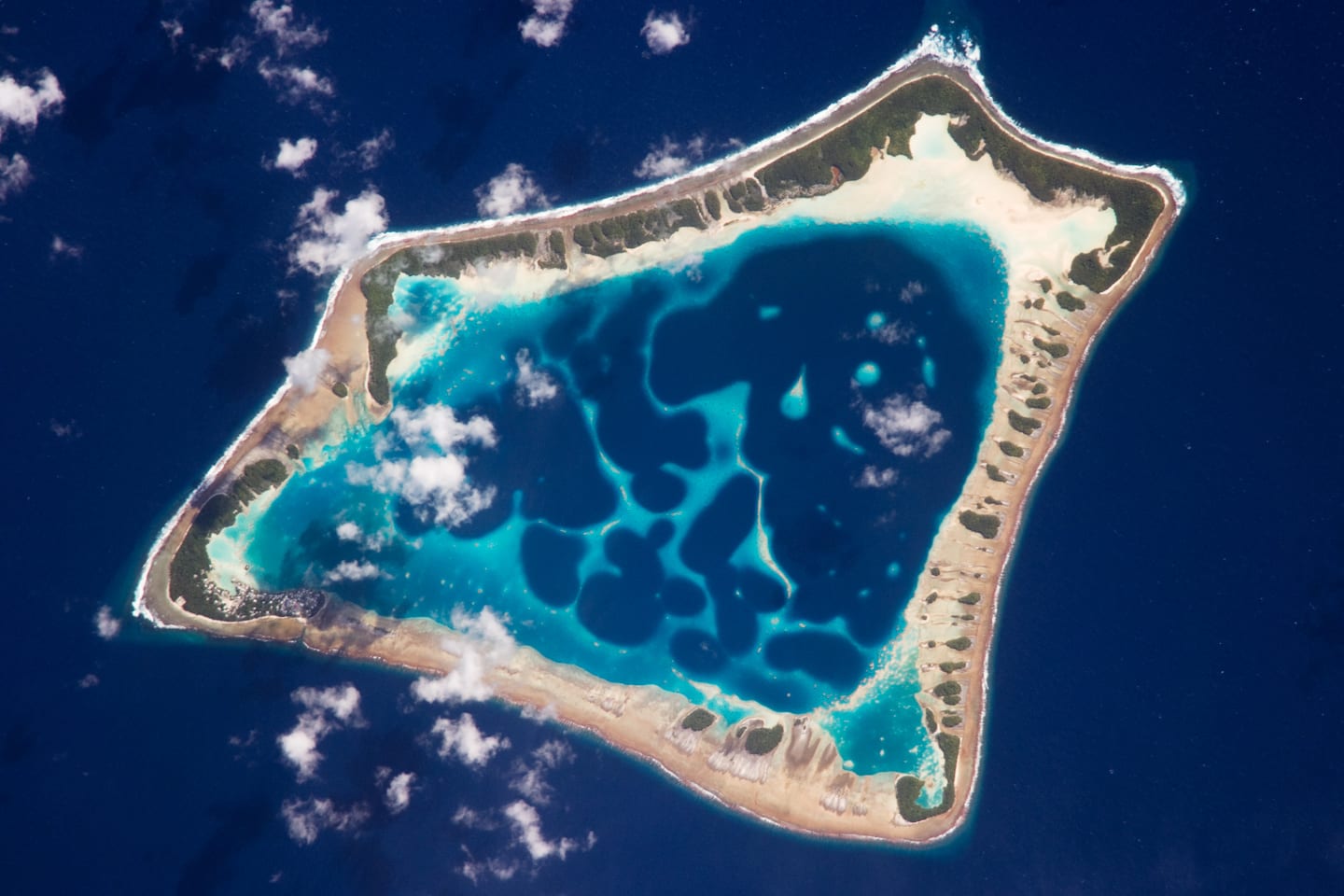
Three atolls, no airport, and one of the smallest populations on earth
Tokelau, a New Zealand territory made up of just three small coral atolls scattered across the South Pacific, is among the least-visited and most remote places administered by any country in the world — there is no airport, and the only way in is a day-long boat journey from Samoa, with sailings only a few times a month. Its roughly 1,500 residents maintain a strongly communal way of life, with decisions on each atoll still made largely through a village council (taupulega) rather than conventional municipal government.
The four atolls and villages below make up the entirety of Tokelau's inhabited land. Given the logistics involved, a visit here is a genuine expedition rather than a conventional trip.
1. Atafu
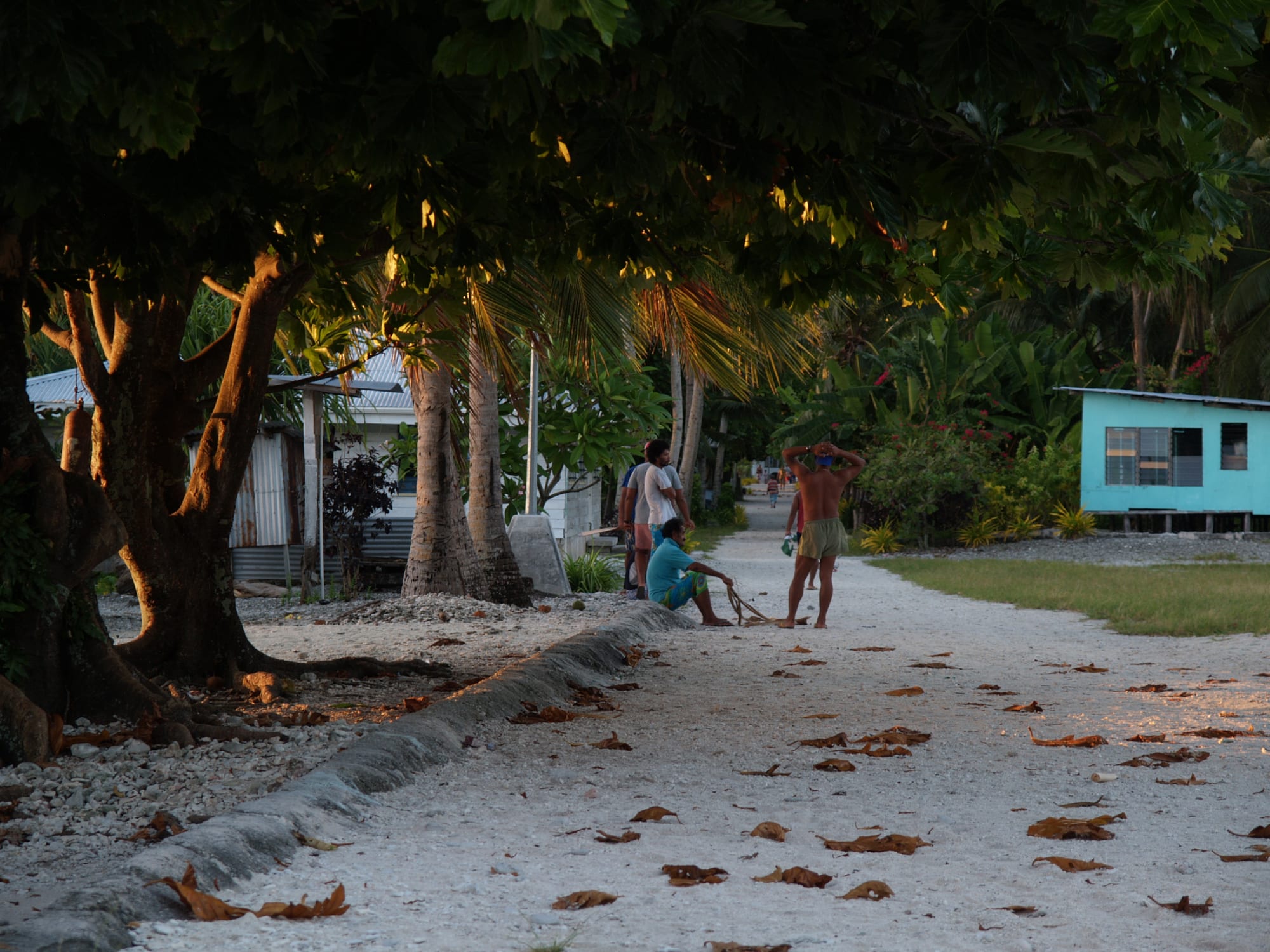
Atafu, the smallest and northernmost of Tokelau's three atolls, holds a single village built around a narrow strip of coral, its entire population descended from a small number of founding families and closely connected through custom and shared land. Life here remains organised almost entirely around fishing, coconut cultivation, and communal decision-making.
2. Nukunonu
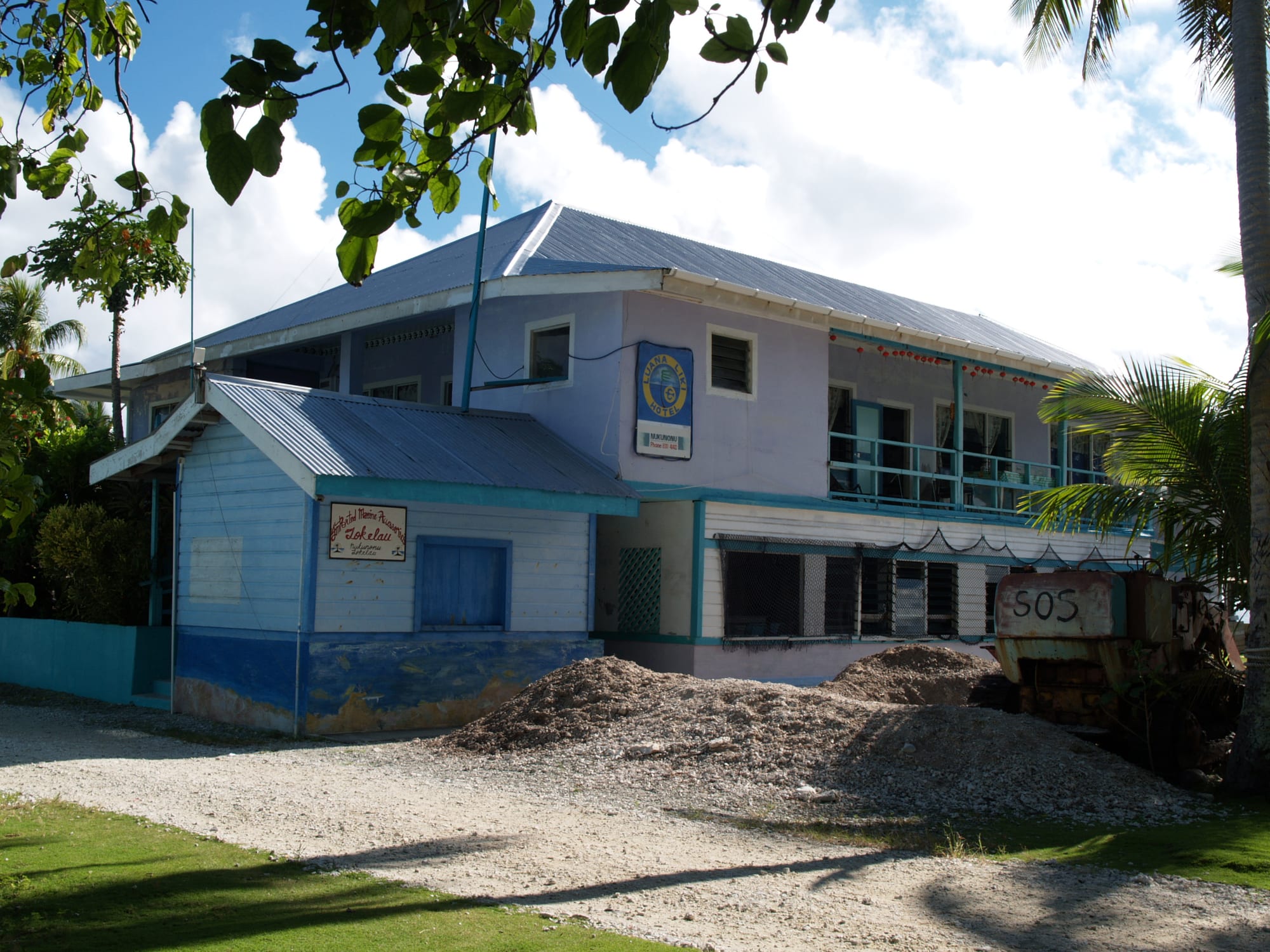
Nukunonu, the largest of the three atolls by land area though among the least populated, holds Tokelau's only guesthouse, making it the most practical (and often only) base for the handful of visitors who make the journey each year. Its lagoon, dotted with small uninhabited islets, gives some of the calmest and clearest water in the territory.
3. Fakaofo
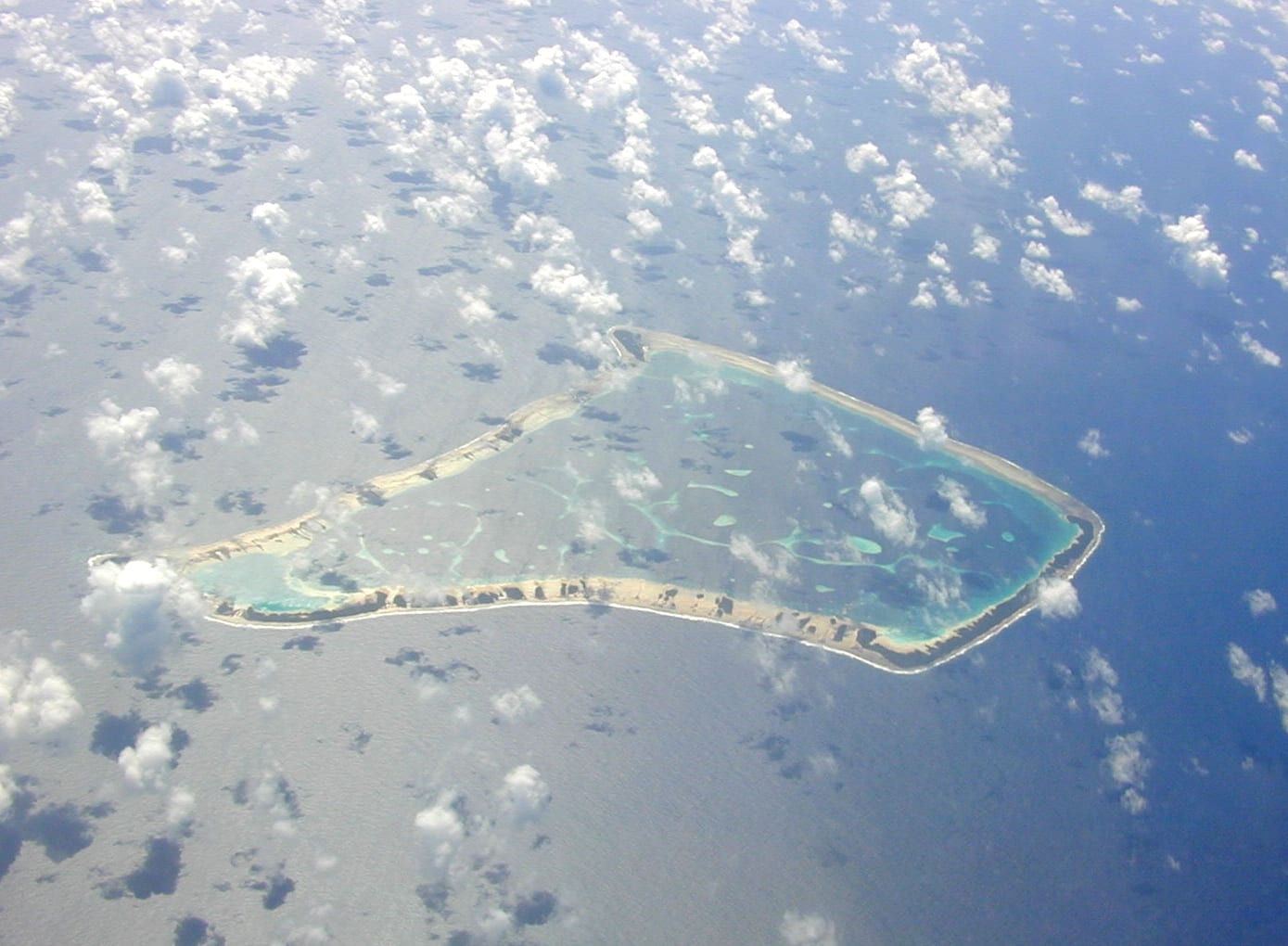
Fakaofo, traditionally regarded as the senior and founding atoll of Tokelau, holds significant cultural and historical weight within the territory's social structure, with the other two atolls originally settled by people from Fakaofo. Its lagoon and low-lying islets illustrate just how vulnerable this entire nation is to rising sea levels, a concern discussed openly by Tokelau's own leadership.
4. Village and church life
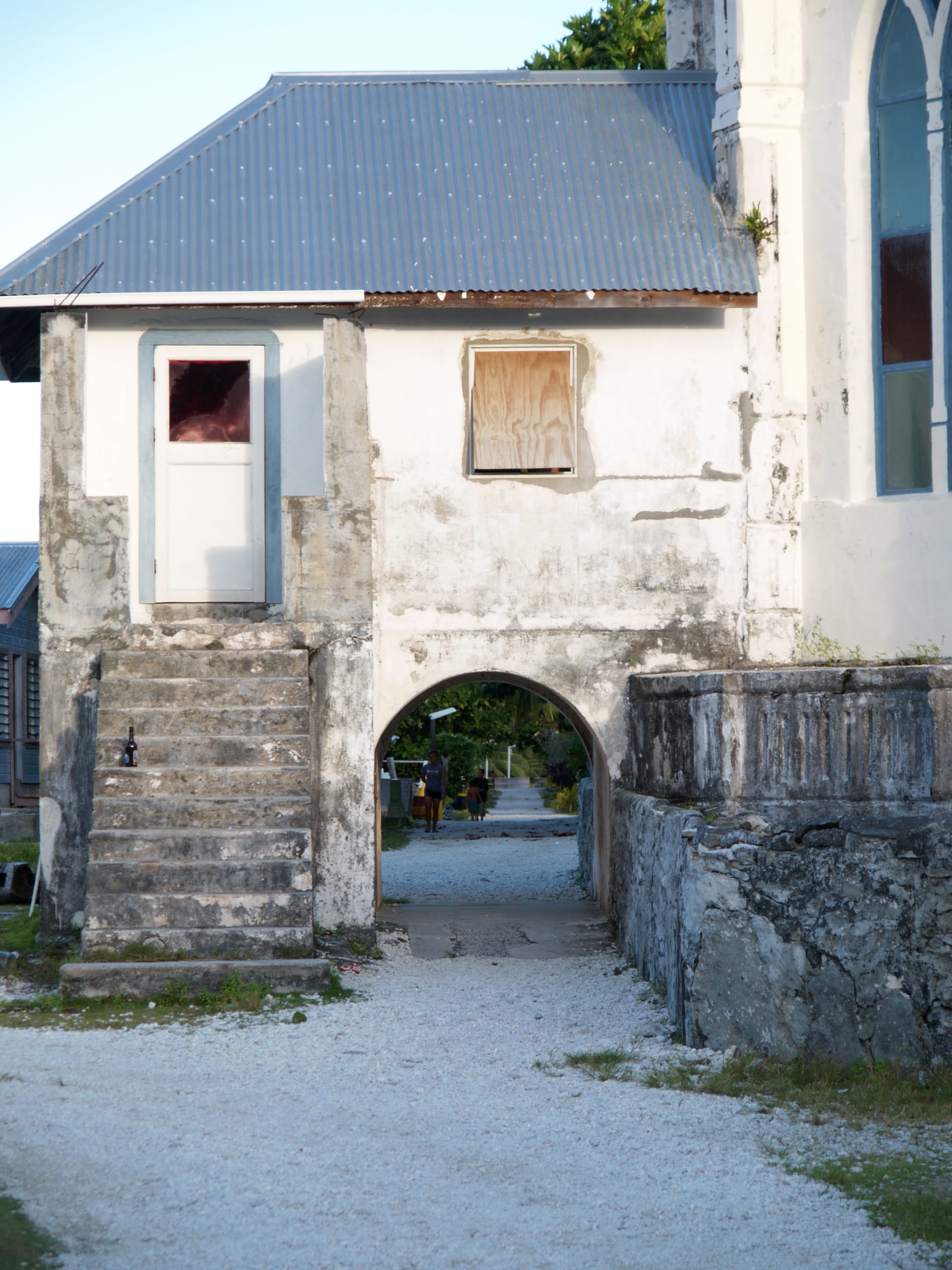
Each atoll's village life is centred as much around its church as its council house, Christianity having taken deep root here since 19th-century missionary contact while coexisting with pre-Christian communal land and governance traditions that remain unusually intact compared with many other Pacific territories.
A visit to Tokelau requires booking one of the infrequent supply-boat sailings from Apia, Samoa, well in advance, and typically means staying for the length of the boat's rotation between atolls — a genuine once-in-a-lifetime undertaking for travellers drawn to the most remote corners of the Pacific.