Food · Thailand
Thailand: Food and the National Dish
Stir-fried rice noodles balancing sweet, sour, salty and spicy in one dish, promoted into a national symbol by government decree
By Worldlore Editorial · 16 September 2026
A cuisine built to balance four flavours at once
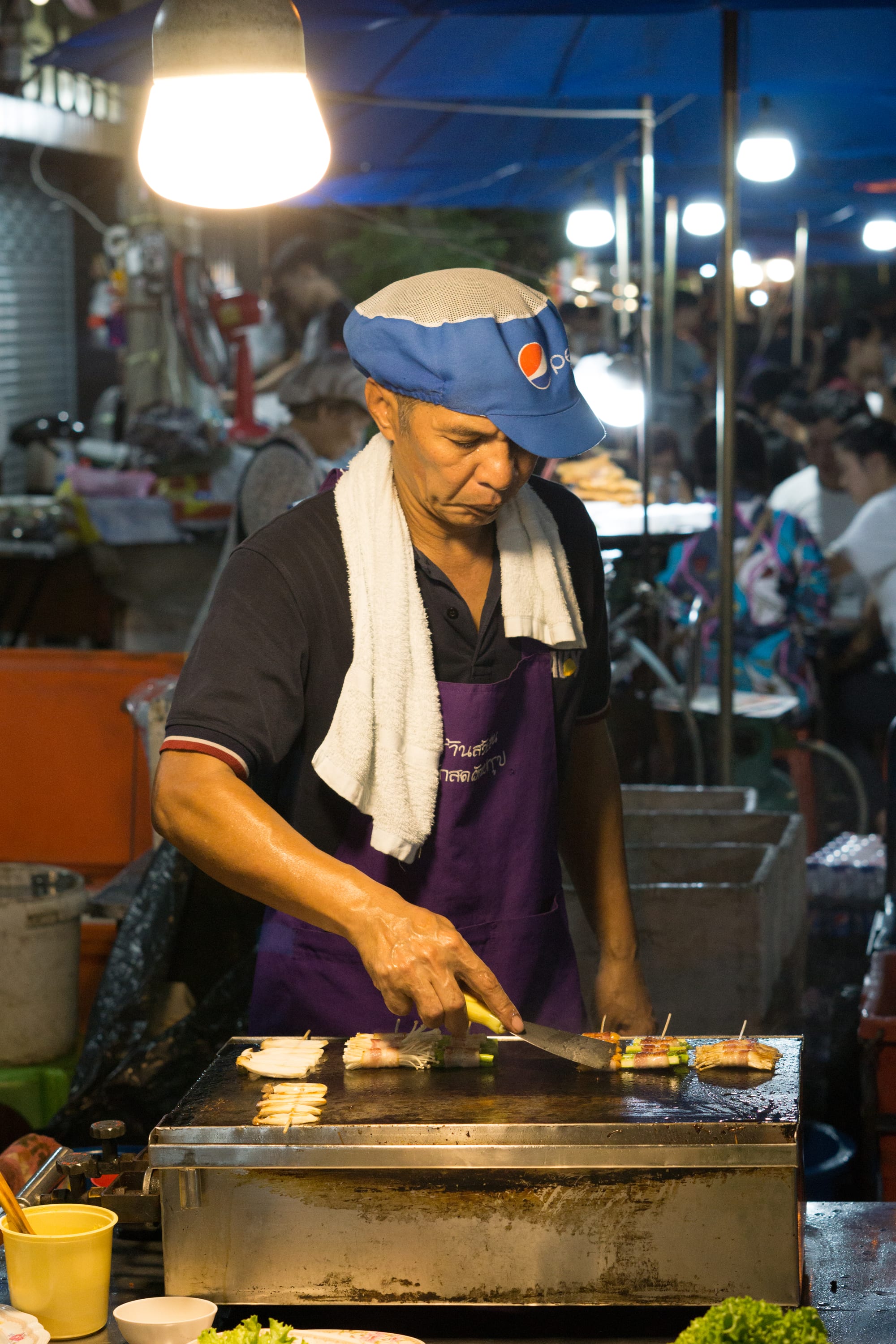
Thai food is defined less by any single ingredient than by a genuine balancing act between sweet, sour, salty and spicy flavours in nearly every dish, a principle that shapes everything from a simple stir-fry to an elaborate curry.
The national dish: pad thai
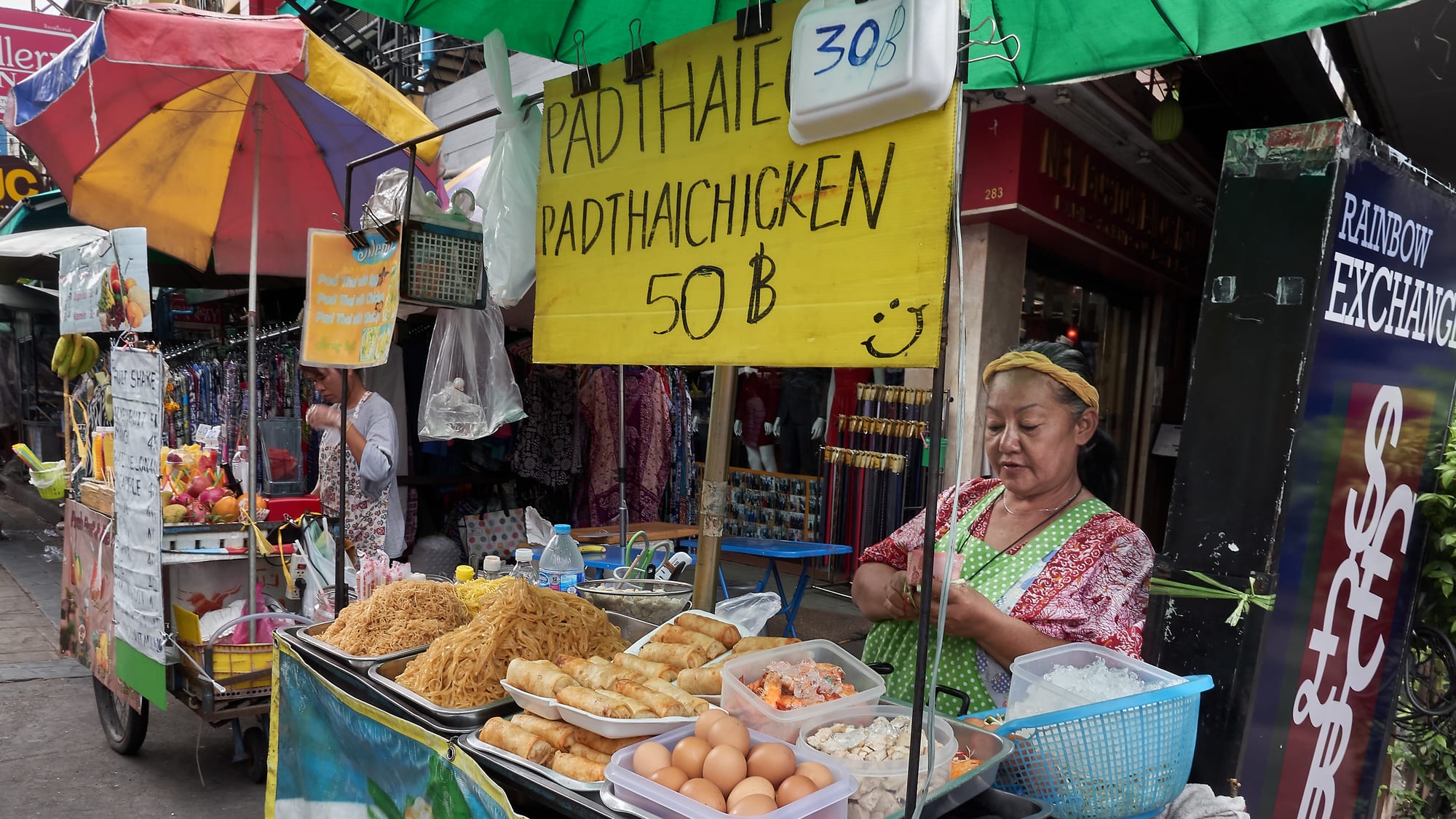
Pad thai, stir-fried rice noodles with egg, tofu or shrimp, bean sprouts, and a tamarind-based sauce, topped with crushed peanuts and lime, is Thailand's national dish. Genuinely promoted through a mid-20th-century government campaign under Prime Minister Plaek Phibunsongkhram, who encouraged the dish's spread partly to reduce national rice consumption during a shortage and to build a distinct Thai national identity, pad thai's rise to prominence was a deliberate policy rather than a purely organic development.
Rice, chilli and a genuinely balanced pantry
Rice, fish sauce and fresh chilli anchor much of Thai cooking, alongside lime, lemongrass and galangal that provide the sour and aromatic notes central to the cuisine's flavour balance. Coconut milk, used in many curries, and a wide range of fresh herbs round out a pantry built to hit sweet, sour, salty and spicy notes within a single dish rather than across separate courses.
History behind the campaign
Pad thai's promotion in the 1930s and 1940s formed part of a broader Thai nationalist campaign under Phibunsongkhram's government, which also renamed the country from Siam to Thailand and pushed various policies aimed at building a unified national identity. Encouraging a noodle dish that used less rice, during a period of rice shortages tied to global economic disruption, served a genuine practical purpose alongside the symbolic goal of promoting a dish Thailand could call distinctly its own.
Dishes to know
Five more to recognise across Thailand:
- Tom yum goong — a hot and sour shrimp soup, flavoured with
lemongrass, lime leaves and chilli.
- Green curry (gaeng keow wan) — a coconut-based curry made with
green chillies, herbs and meat or seafood.
- Som tam — a spicy green papaya salad, especially popular in
Thailand's northeast.
- Mango sticky rice — sweet sticky rice served with fresh mango and
coconut cream, a popular dessert.
- Khao soi — a curry noodle soup, particularly associated with
northern Thailand near Chiang Mai.
Drinks
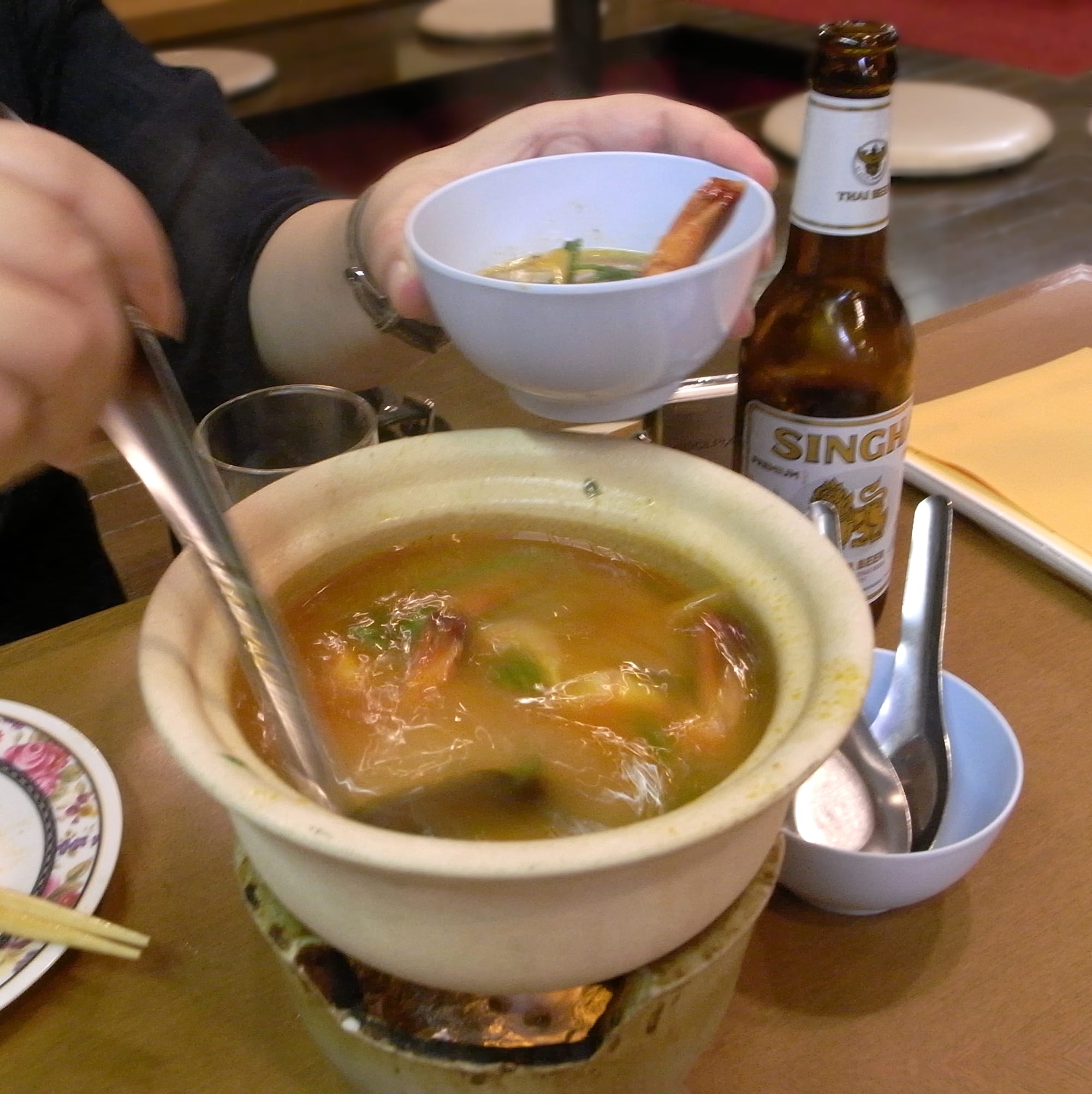
Thai iced tea, strongly brewed and sweetened with condensed milk, is a genuine everyday drink across Thailand. Fresh coconut water and fruit shakes are also widely enjoyed, and Thai beer is commonly drunk alongside meals.
Eating as a traveller
Vegetarians will find rice, vegetable and tofu-based dishes manageable, though fish sauce is a common ingredient even in seemingly vegetable dishes. Tap water is not reliably safe to drink; bottled water is the standard default. Trying pad thai from a street food stall in Bangkok is a genuine, widely recommended way to taste the dish close to how it's actually sold and eaten daily.
What to take from the table
Pad thai, promoted by government decree to build a national identity, is the rare national dish with a documented political origin, and it remains the clearest single example of Thai food's genuine talent for balancing four flavours in one bite.