Attractions & Natural Wonders · Thailand
Thailand: Ten Attractions and Natural Wonders
A temple encrusted with shattered porcelain along the Chao Phraya River, limestone cliffs rising sheer from turquoise water, and the ruins of a capital once among the largest and wealthiest cities on earth
By Worldlore Editorial · 10 September 2026
Southeast Asia's most visited country
Thailand, the only Southeast Asian country never colonised by a European power, has built one of the most developed and diverse tourism industries anywhere in the region — golden temples in Bangkok and the historic north, limestone island scenery along both coasts, and the ruins of a former capital once counted among the largest cities in the world. Its combination of accessibility, affordability, and range keeps it among the most visited countries in Asia.
The ten below run from Bangkok to the historic north and the southern islands. The cool, dry season (roughly November to February) is generally the most popular and comfortable time to visit.
1. Wat Arun
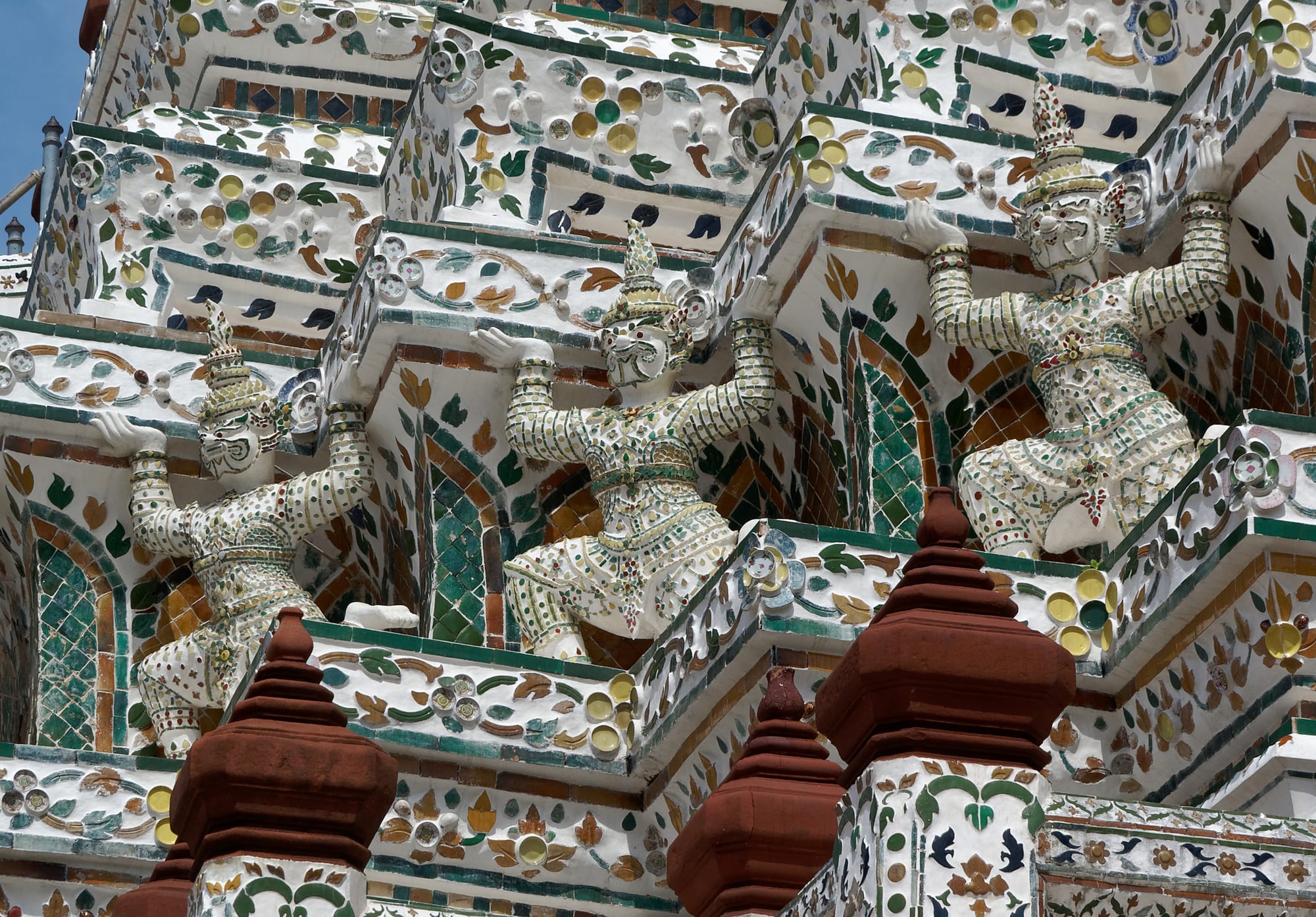
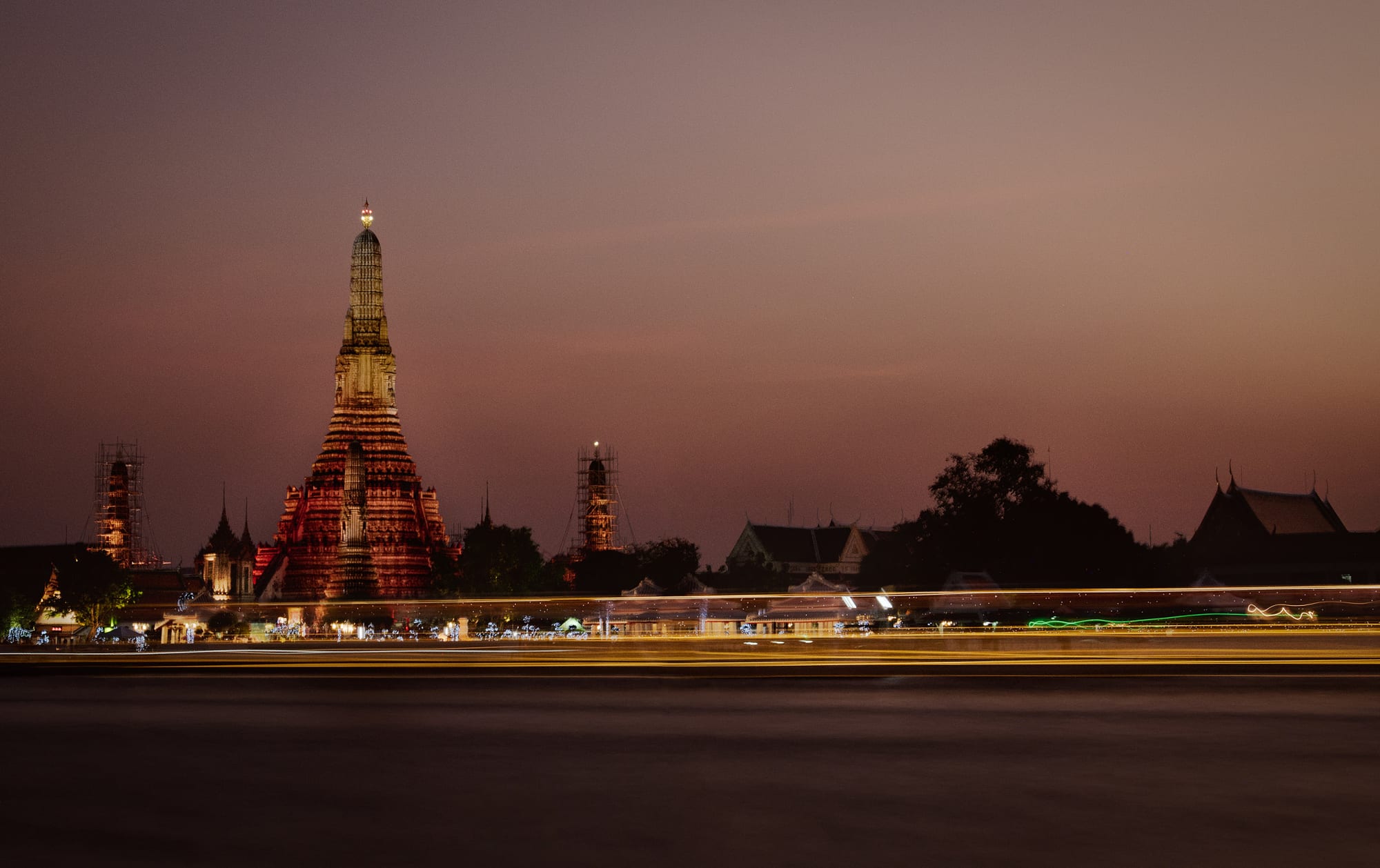
Wat Arun, the Temple of Dawn, stands on the west bank of Bangkok's Chao Phraya River, its central spire encrusted with fragments of colourful Chinese porcelain that once served as ballast on trading ships. Best viewed either up close, climbing its steep steps, or from across the river at sunset, when its silhouette is reflected in the water.
2. The Grand Palace and Wat Phra Kaew
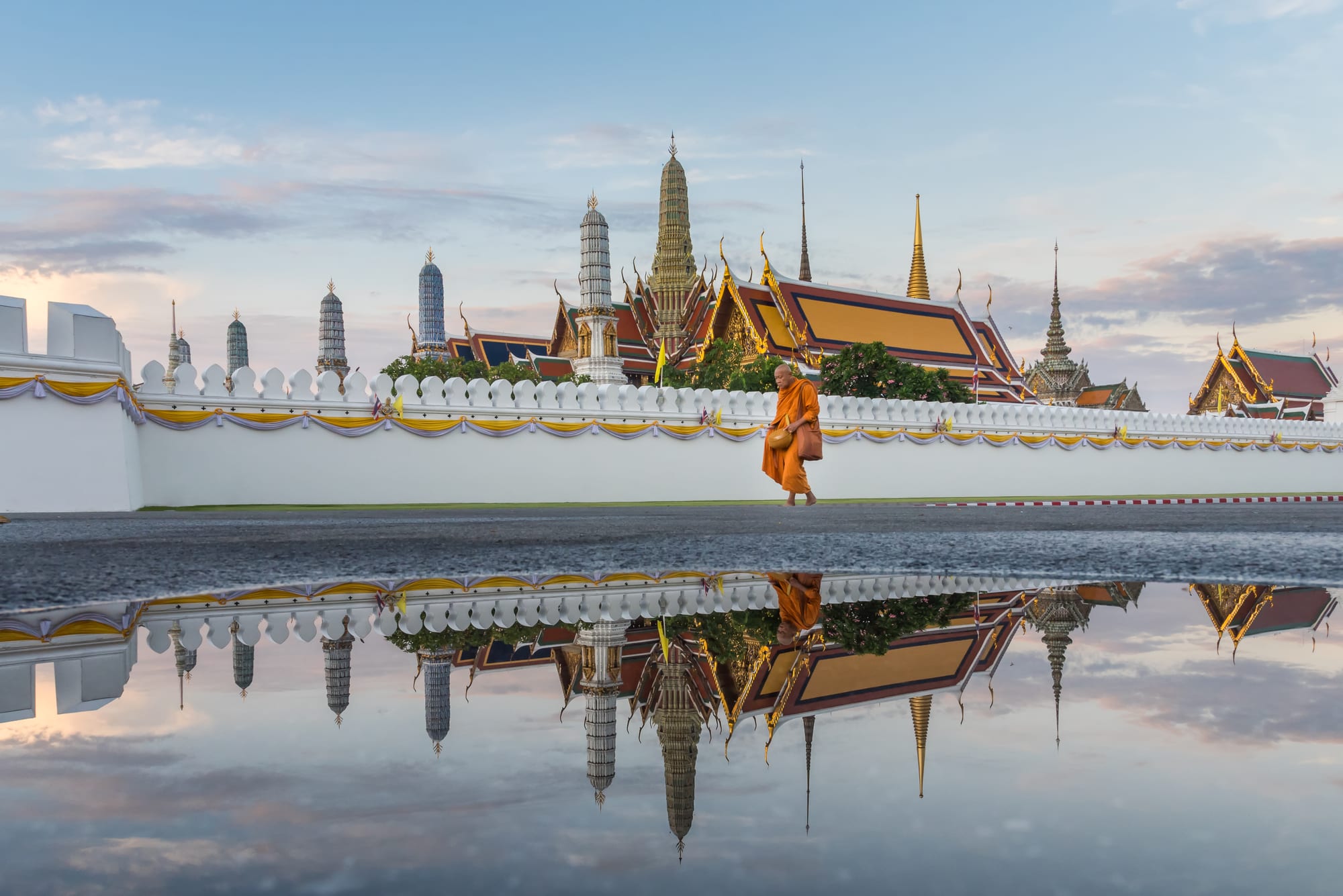
Bangkok's Grand Palace, the former residence of Thai kings, holds Wat Phra Kaew, the country's most sacred temple, home to the Emerald Buddha — a small jade statue whose seasonal robes are changed by the King himself in a ceremony marking the changing seasons. The palace complex's ornate golden spires and mosaic-covered structures represent the height of traditional Thai royal architecture.
3. The Phi Phi Islands
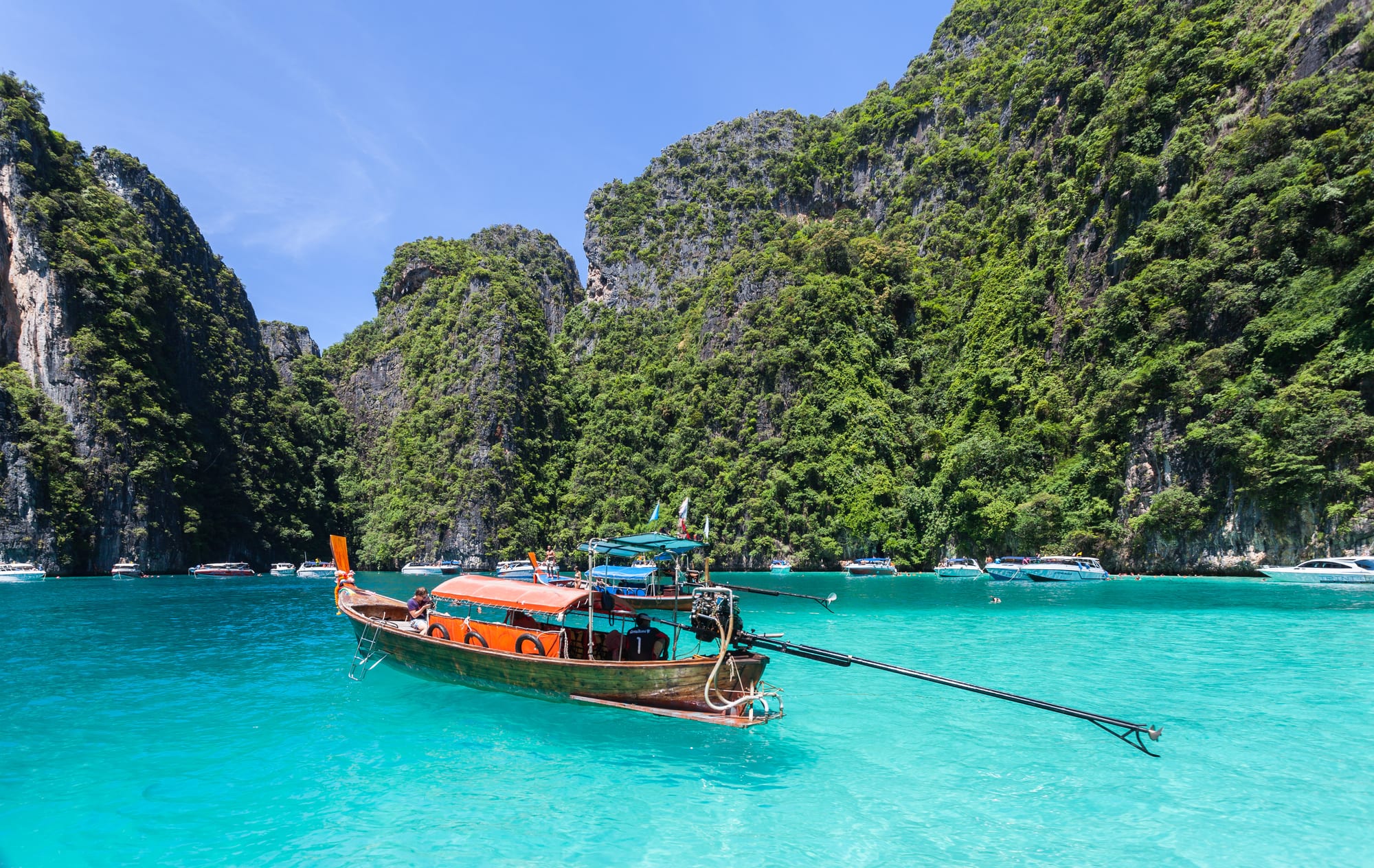
The Phi Phi Islands, made famous internationally by the film The Beach, combine dramatic limestone cliffs with some of Thailand's clearest water — Maya Bay, the film's setting, was closed to visitors for several years to allow damaged coral to recover, and now operates under strict visitor limits and timed access to protect the ecosystem.
4. Chiang Mai's temples
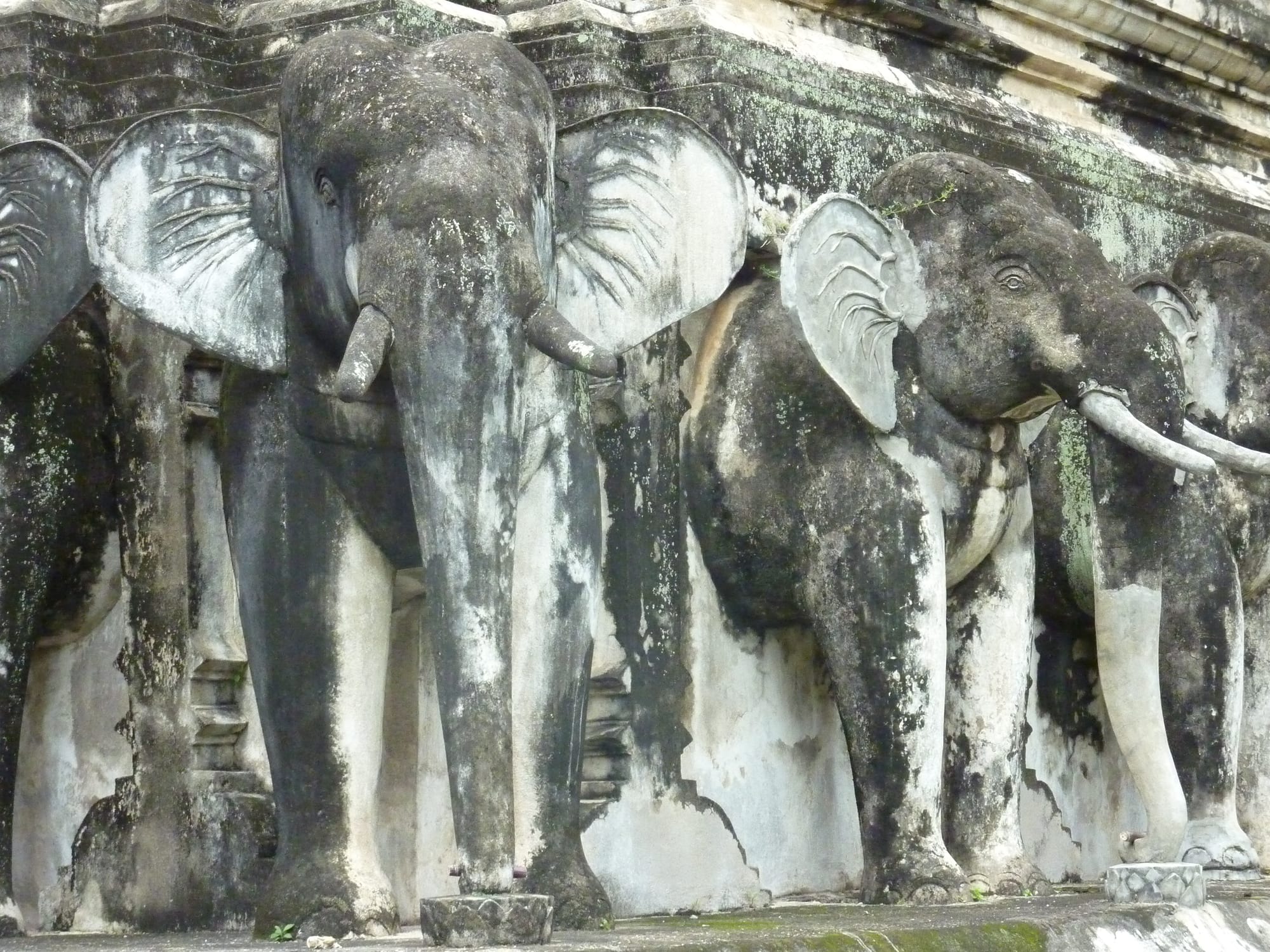
Chiang Mai, the cultural capital of northern Thailand, holds hundreds of Buddhist temples within and around its historic moated old city, including Wat Chiang Man, the city's oldest, its base ringed by elephant statues. The city's cooler climate, night markets, and proximity to hill-tribe villages and elephant sanctuaries give it a distinctly different character from Bangkok's intensity.
5. Railay Beach
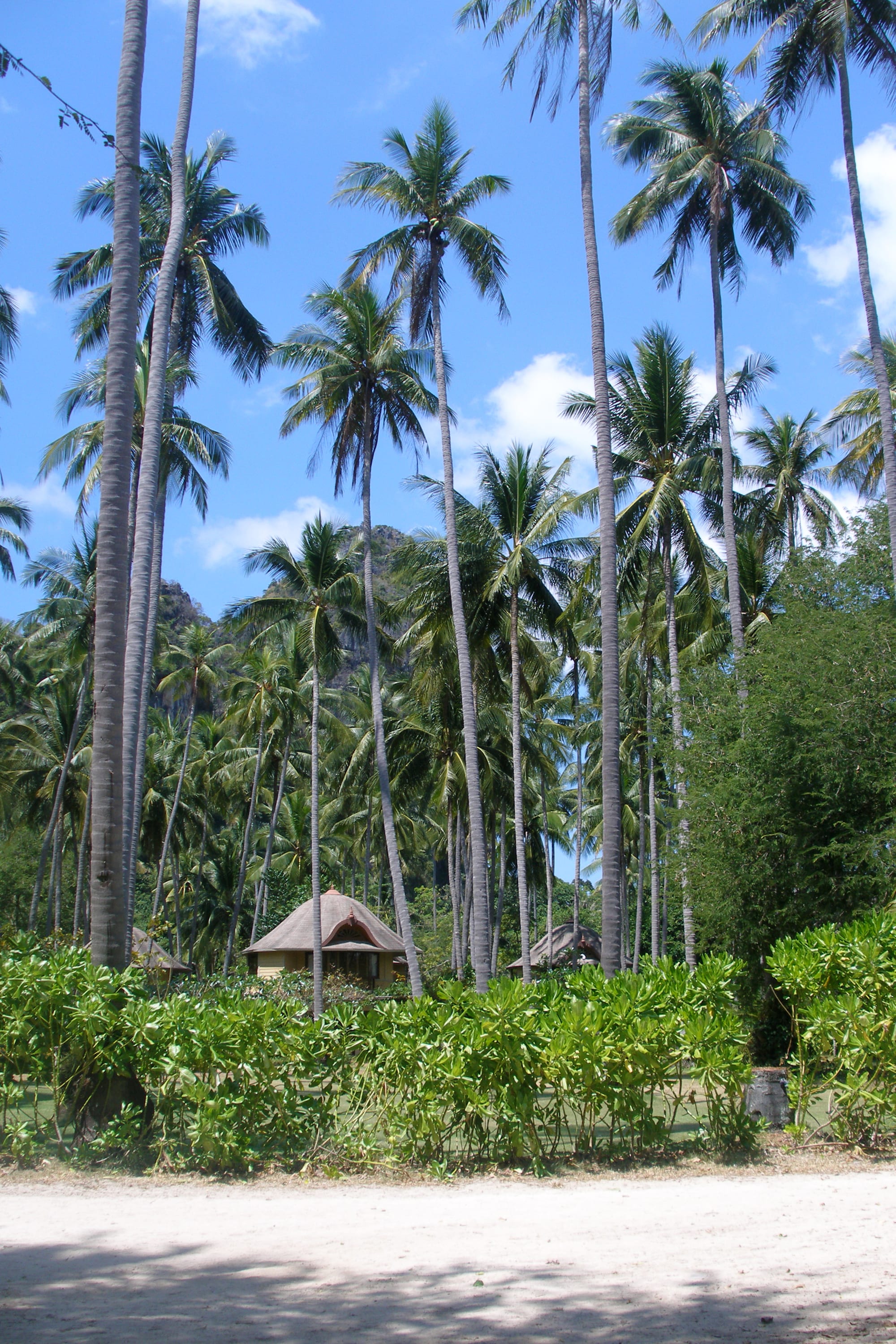
Railay, a small peninsula in Krabi cut off from the mainland by sheer limestone cliffs and reachable only by boat, has become one of Thailand's premier rock-climbing destinations alongside its beaches, with routes bolted directly into the cliff faces overlooking the sea. Its car-free, boat-only access has helped keep development notably lower-key than many other Thai beach destinations.
6. Ayutthaya
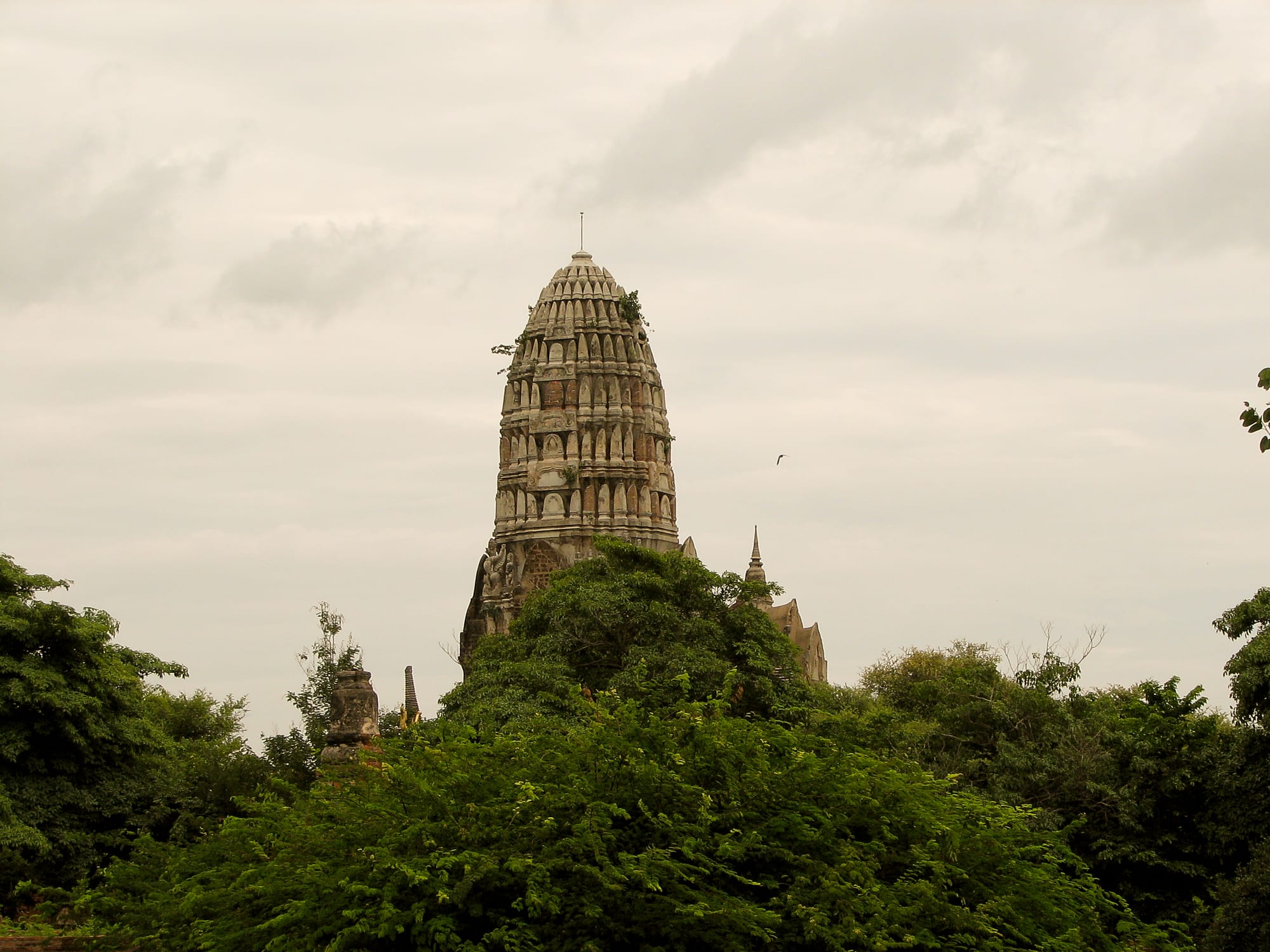
Ayutthaya, Thailand's capital for over four centuries until its destruction by Burmese forces in 1767, was once counted among the largest and wealthiest cities in the world, a major hub of international trade before its fall. Its extensive ruins, including a famous Buddha head enveloped by tree roots at Wat Mahathat, form a UNESCO World Heritage Site an easy day trip from Bangkok.
7. Thailand's islands and diving
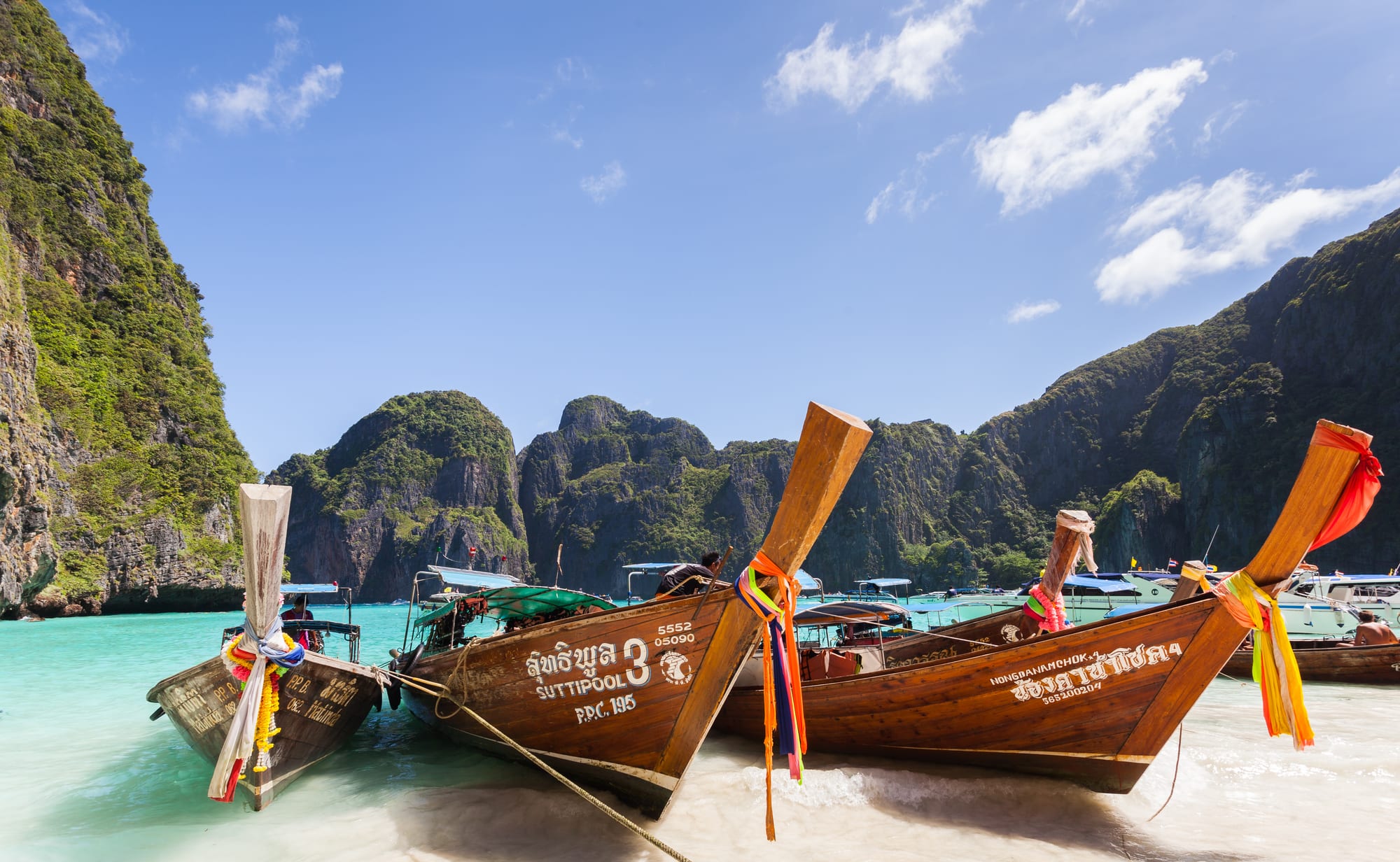
Beyond Phi Phi and Railay, Thailand's Andaman coast and Gulf islands (Koh Tao, Koh Phangan, Koh Samui among them) offer some of Southeast Asia's most accessible diving and island-hopping, ranging from backpacker-oriented full moon parties to quieter, higher-end resort islands, giving a wide range of beach experiences within a single country.
8. Sukhothai Historical Park
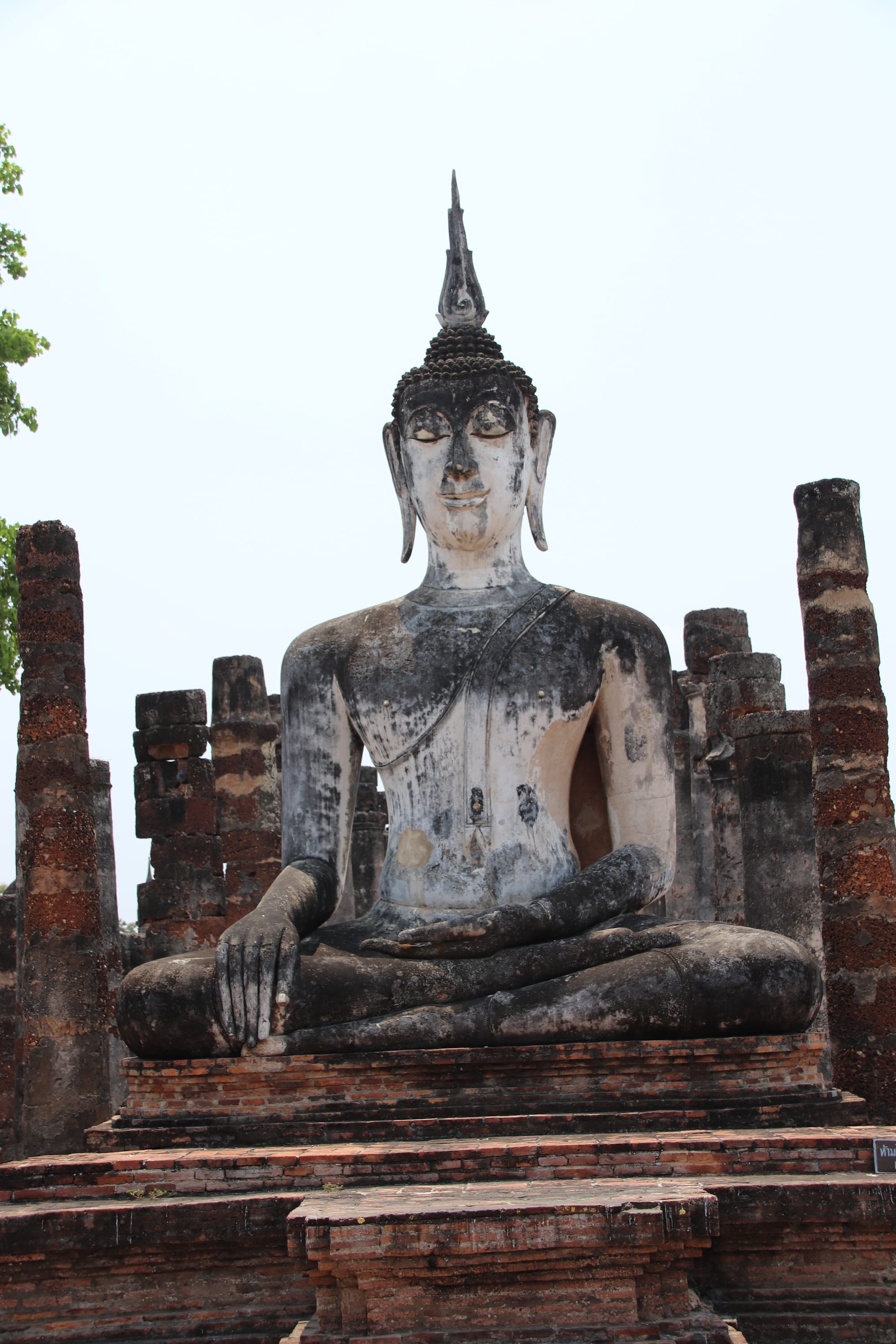
Sukhothai, founded in the 13th century as Thailand's first independent capital, is often described as the cradle of Thai civilisation — its ruined temples and giant Buddha statues, spread across landscaped parkland dotted with lotus ponds, gave rise to the graceful walking Buddha style now considered classically Thai. A UNESCO World Heritage Site, it is far less crowded than Ayutthaya despite comparable historical weight.
Bicycles are the classic way to cover the scattered ruins, many of them best seen at sunrise or sunset.
9. Wat Rong Khun, Chiang Rai
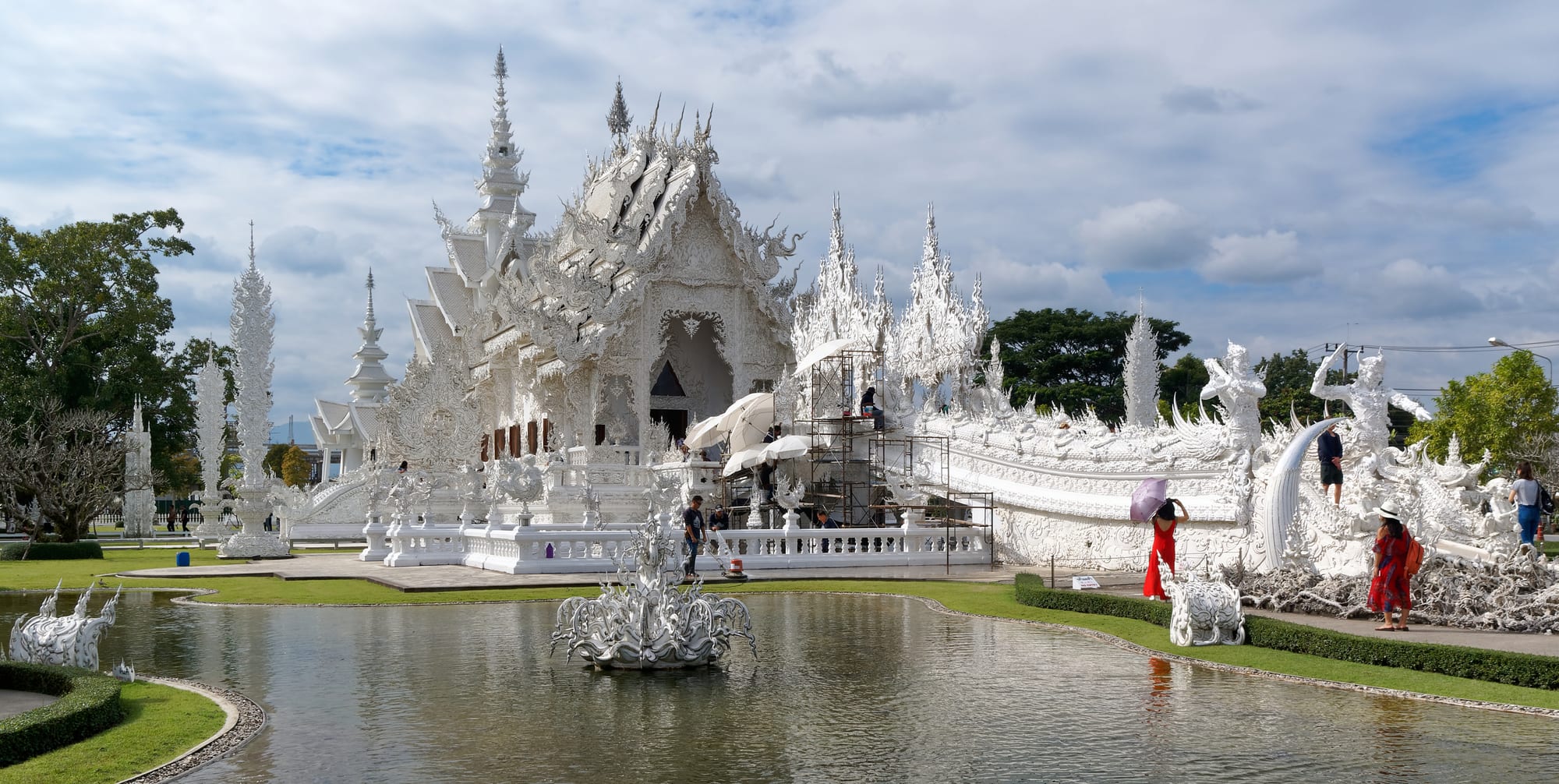
Wat Rong Khun, known as the White Temple, is a contemporary art installation as much as a working temple — the private project of artist Chalermchai Kositpipat since 1997, its blinding white surface embedded with mirrored glass and a surreal approach bridge lined with pleading hands rising from a symbolic sea of suffering.
Still under construction and expected to take decades more to complete, it has already become one of northern Thailand's most photographed sights.
10. Doi Inthanon National Park
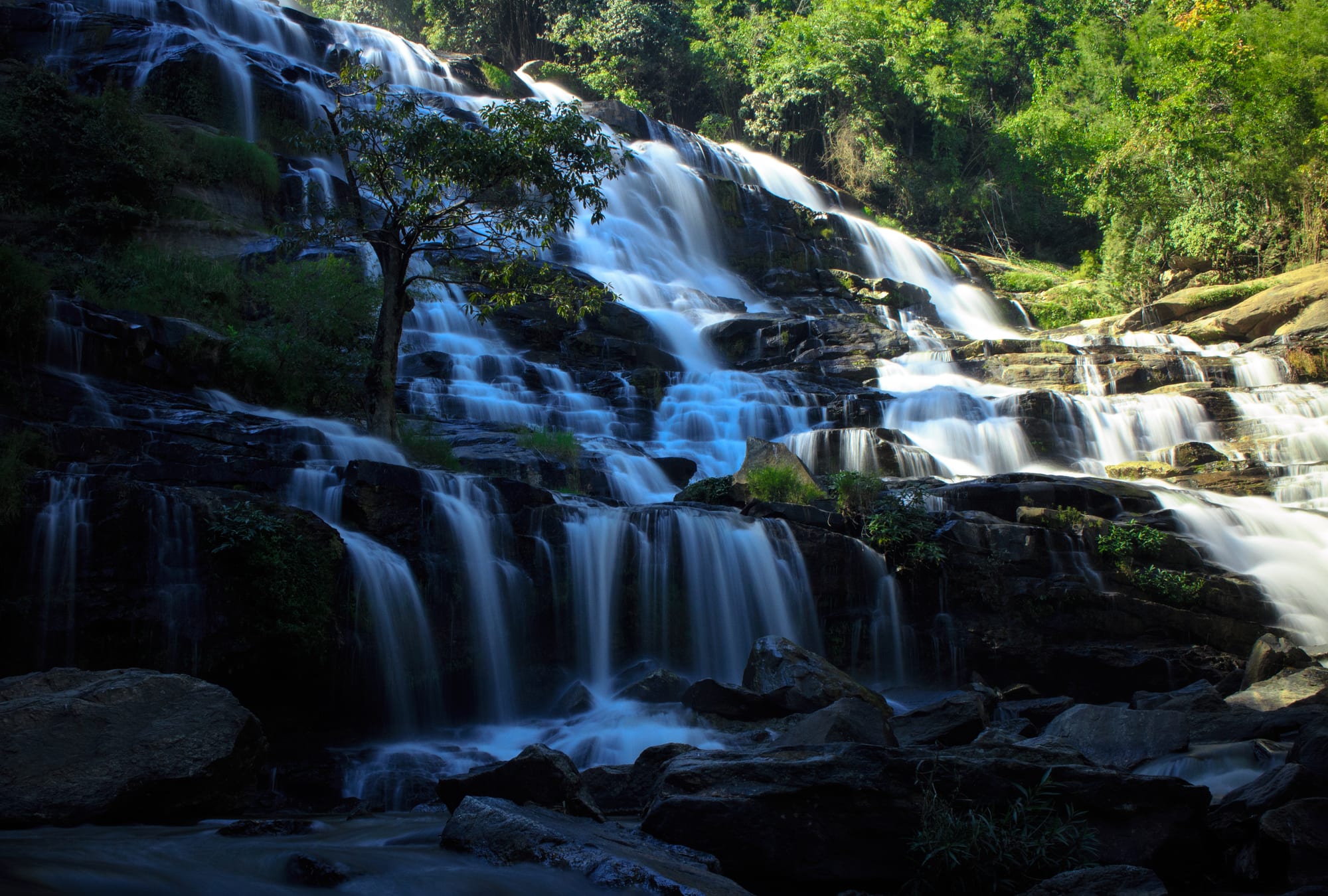
Doi Inthanon, Thailand's highest peak at 2,565 metres, anchors a national park of cool misty forest, terraced waterfalls, and twin royal pagodas built for the king and queen's jubilees, with views that on clear days stretch across the surrounding hills of Chiang Mai province. The cooler climate supports flora found nowhere else in the country, including wild orchids and rhododendrons.
It makes an easy day trip from Chiang Mai, and one of the few places in Thailand where a light jacket is genuinely useful.
Thailand suits nearly any length of trip: a week covers Bangkok and one other region comfortably, while two to three weeks allows a fuller loop combining the historic north, the capital, and the southern islands.