History · Tanzania
Tanzania: The Union of the Mainland and the Isles
A country made in 1964 by joining mainland Tanganyika to the spice islands of Zanzibar — the site of humanity's oldest footprints, a German then British colony, and the home of an African socialism that kept the peace but not the prosperity
By Worldlore Editorial · 10 September 2026
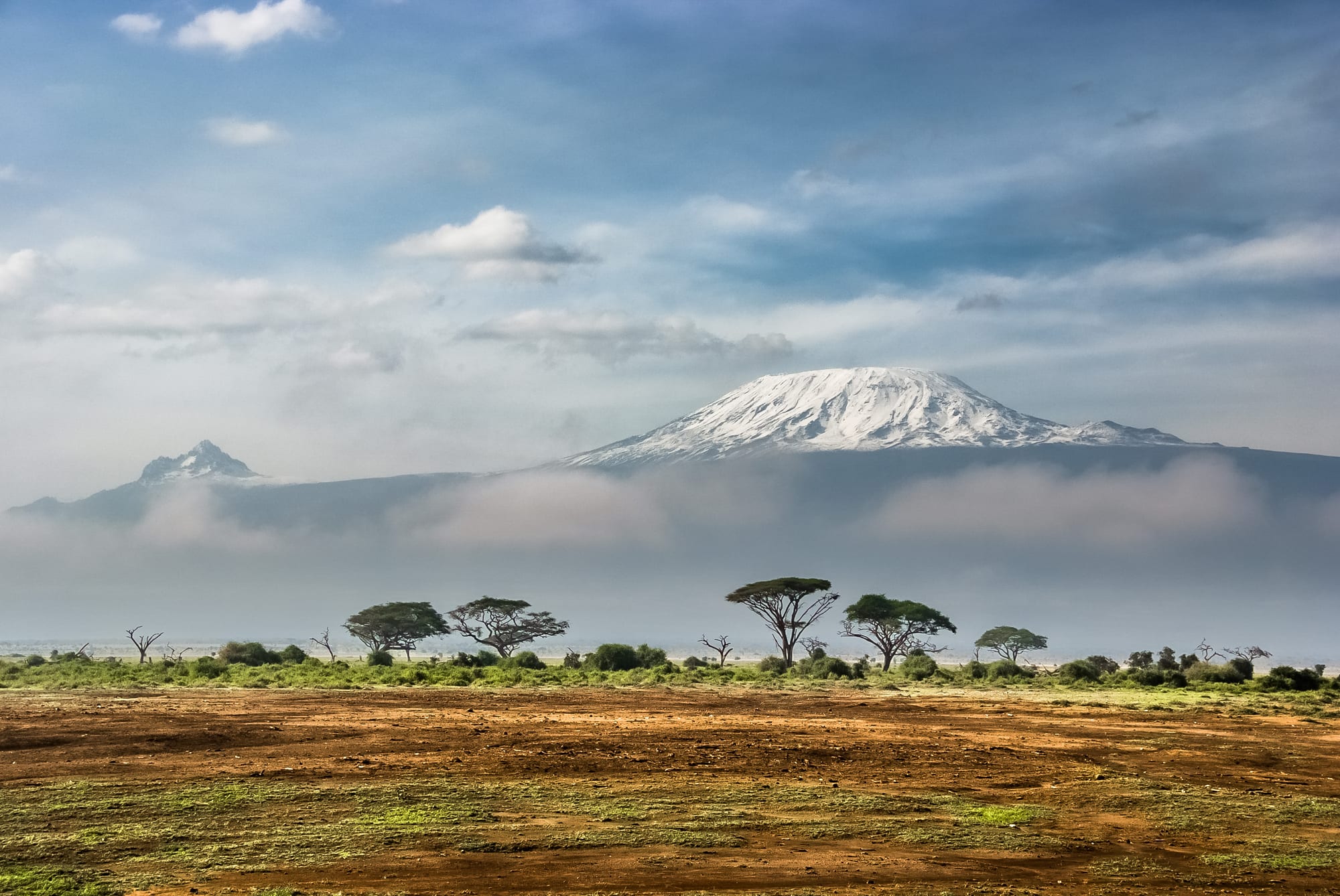
Two histories joined
Tanzania is East Africa's largest country by population, about 67 million people, and it is a union of two parts with quite different pasts: the mainland, formerly Tanganyika, and the Indian Ocean islands of Zanzibar, which keep their own president, parliament and laws. The mainland holds sites central to the human story — the Laetoli footprints and Olduvai Gorge — while the coast and islands were part of the Swahili and Omani trading world for a thousand years. The modern state was built after independence around Swahili as a national language and a distinctive brand of African socialism.
A short history
- 3.6 million years ago
The Laetoli footprints
Early hominins walk upright across volcanic ash.
- from c. 900 CE
The Swahili coast
Kilwa and other city-states trade gold, ivory and slaves.
- c. 1698–1890
Omani dominance
Zanzibar becomes the Sultan of Oman's base and a slave-trade hub.
- 1885–1918
German East Africa
Germany colonises the mainland; the Maji Maji war (1905–07).
- 1919–1961
British rule
Tanganyika is a League of Nations mandate, then a UN trust territory.
- 1961
Independence
Tanganyika becomes independent under Julius Nyerere.
- 1964
The Zanzibar Revolution and Union
A revolt on the islands; Tanganyika and Zanzibar merge as Tanzania.
- 1967
The Arusha Declaration
Nyerere launches Ujamaa — villagisation and nationalisation.
- 1985
Nyerere steps down
A rare voluntary retirement; reforms follow.
- 1992
Multiparty politics
Restored after a quarter-century of one-party rule.
Coast and interior
The Tanzanian mainland is one of the cradles of humanity: the 3.6-million-year-old Laetoli footprints and the tool-and-fossil layers of Olduvai Gorge document early human evolution better than almost anywhere. Bantu-speaking farmers settled most of the interior over the last two thousand years. The coast, from around 900 CE, became part of the Swahili civilisation — Muslim, Swahili-speaking city-states such as Kilwa Kisiwani that grew rich exporting gold from Great Zimbabwe, ivory, and enslaved people across the Indian Ocean. From the late 17th century the Sultanate of Oman dominated the coast and made Zanzibar its centre, building clove plantations and running a vast 19th-century slave and ivory trade into the interior.
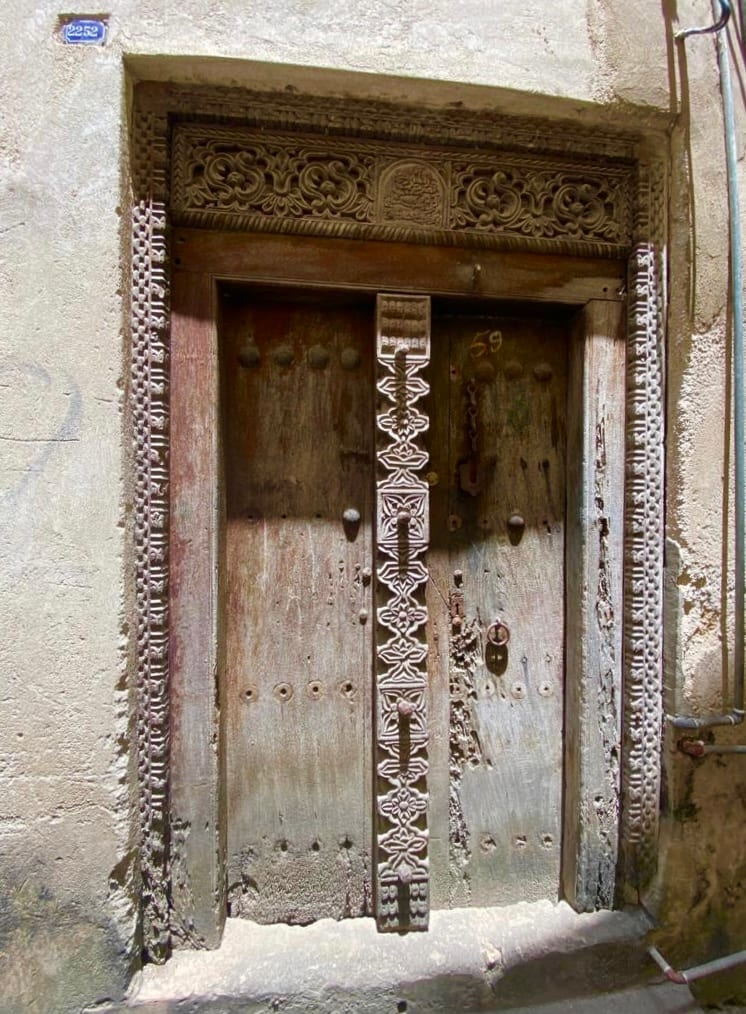
German and British rule
Germany claimed the mainland in 1885 as German East Africa, imposing taxes, forced labour and cash crops. The Maji Maji rebellion of 1905–07, in which fighters believed sacred water would turn bullets to water, was crushed by a scorched-earth campaign that caused a famine killing perhaps 200,000–300,000 people. After Germany's defeat in the First World War, Britain took Tanganyika as a mandate and later a UN trust territory, ruling it lightly and cheaply. Zanzibar remained a separate British protectorate under its Sultan. Tanganyikan nationalism, organised by Julius Nyerere's TANU party, was notably peaceful and cross-ethnic, helped by the wide use of Swahili, and Britain conceded independence on 9 December 1961.
Union and Ujamaa
In January 1964 a revolution on Zanzibar overthrew the Arab-dominated Sultanate in a violent uprising by the island's African majority, killing thousands of Arabs and South Asians and driving many into exile. Weeks later, Nyerere and Zanzibar's new leader agreed to merge the two states as the United Republic of Tanzania, with Zanzibar keeping wide autonomy. In 1967 Nyerere's Arusha Declaration set out Ujamaa ("familyhood"): nationalisation of banks and industry, a self-reliant foreign policy, and the resettlement of most of the rural population into planned "development villages" — a programme carried out with increasing coercion in the 1970s. Ujamaa delivered impressive gains in literacy and basic health and kept Tanzania stable and united while neighbours fell into civil war, but agricultural output stagnated, the economy became dependent on aid, and the 1978–79 war that overthrew Uganda's Idi Amin strained it further.
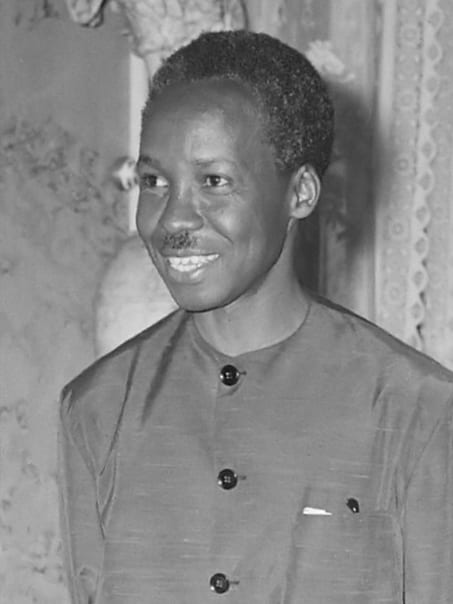
Reform and the multiparty era
Nyerere stepped down in 1985 and his successors, beginning with Ali Hassan Mwinyi, liberalised the economy under IMF and World Bank programmes. Multiparty politics returned in 1992, though the former ruling party, CCM, has won every national election since and been accused of using state resources and, at times, repression to do so. Growth has been solid for two decades, driven by gold, tourism (the northern parks and Zanzibar's beaches), and gas, but poverty remains widespread. The presidency of John Magufuli (2015–21) brought an authoritarian turn — press restrictions, a crackdown on the opposition, and Covid denial — before his death in office brought Samia Suluhu Hassan, the first woman president and a Zanzibari, to power. Zanzibar's own elections have repeatedly been marred by violence and disputes, and calls for greater autonomy or separation persist there.
What Tanzania carries
Tanzania was assembled in 1961–64 from a German-then-British mainland and an Omani island, and its founding achievement was to hold that together — across scores of ethnic groups and a Christian–Muslim and mainland–islands divide — without the wars that broke its neighbours. Nyerere's Ujamaa is remembered as a noble failure: it built a nation and a common language, and left an economy that took decades to recover. The unresolved strain is Zanzibar, still half in and half out of the union it joined sixty years ago.