Daily Life · Tanzania
Tanzania: Pole Pole and the Swahili Square
A national language that turned more than 120 ethnic groups into one everyday conversation, a midday plate of ugali eaten by hand, and a deliberately unhurried pace that shapes the whole working day
By Worldlore Editorial · 30 September 2026
An ordinary day in Tanzania moves to a pace often summed up in two words: pole pole, slowly slowly. Shops, offices and government counters run on a more relaxed clock than visitors from busier economies tend to expect, and the midday meal, usually ugali eaten by hand with a vegetable or meat sauce, is treated as a proper pause rather than something to rush. Behind that unhurried surface sits one of Africa's genuine success stories in national cohesion: more than 120 ethnic groups, speaking as many first languages, conduct much of daily life, from market haggling to the evening news, in Swahili, a shared language that has done a great deal to hold the country together since independence.
Family and home life
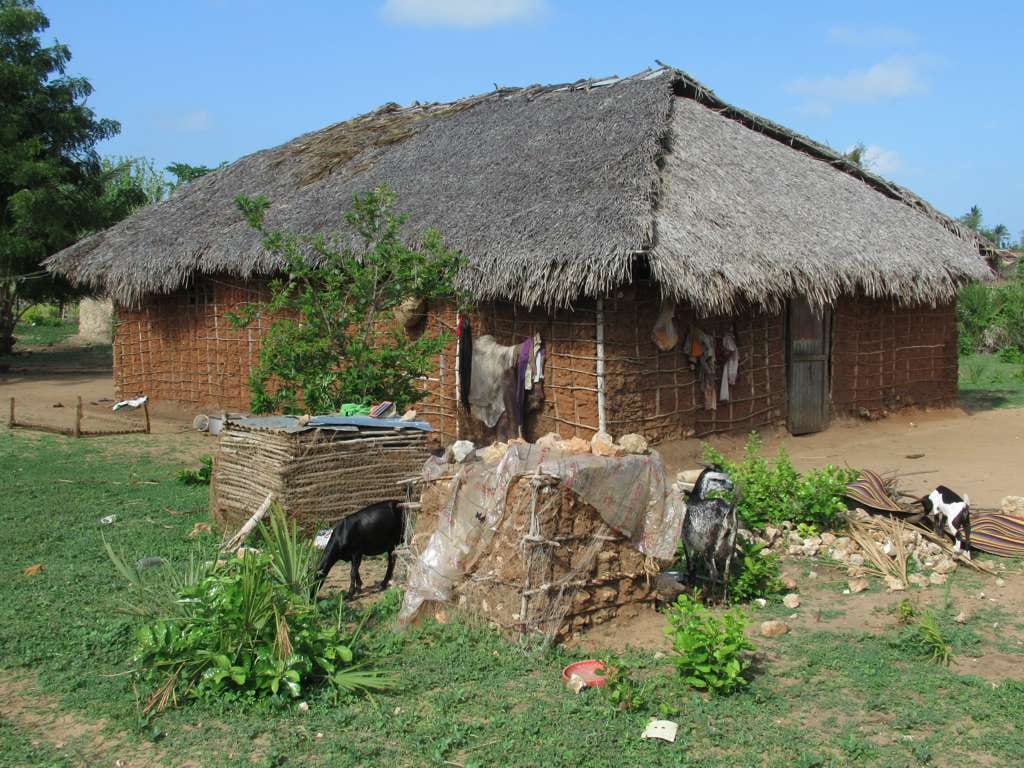
The extended family remains the core unit of daily life, and Tanzanians outside the biggest cities are still largely rural, living in households built around farming maize, cassava, bananas and cash crops such as coffee and cashews. Homes range from mud-brick and thatch dwellings in the countryside to block-built houses and apartments in Dar es Salaam and other fast-growing towns, with construction and household setup shaped directly by what a family can afford. Alongside this mainstream pattern, some communities keep quite distinct household forms: the Maasai, for example, traditionally live in extended-family compounds called bomas of low, mud-plastered huts arranged around a central livestock enclosure, a way of life still practised in parts of the north even as many Maasai now also keep more conventional houses and diets.
Work, school and the rhythm of the day
About half of Tanzania's workforce is in agriculture, though Dar es Salaam, home to more than seven million people, has grown into a major commercial and services centre in its own right, alongside Arusha's tourism and NGO sector. The working day generally runs to something like standard office hours in the cities, but is set more loosely, by daylight and task, in farming communities. Lunch, taken roughly between midday and two in the afternoon, is the day's main meal and its main social pause: city workers and labourers alike head to simple local eateries, often called mama lishe stalls after the women who run them, for a plate of ugali with beans, greens or grilled meat before returning to work. Swahili is the language of primary schooling and daily life nationwide, while English becomes more important from secondary school onward and in business and tourism.
Community life and public spaces
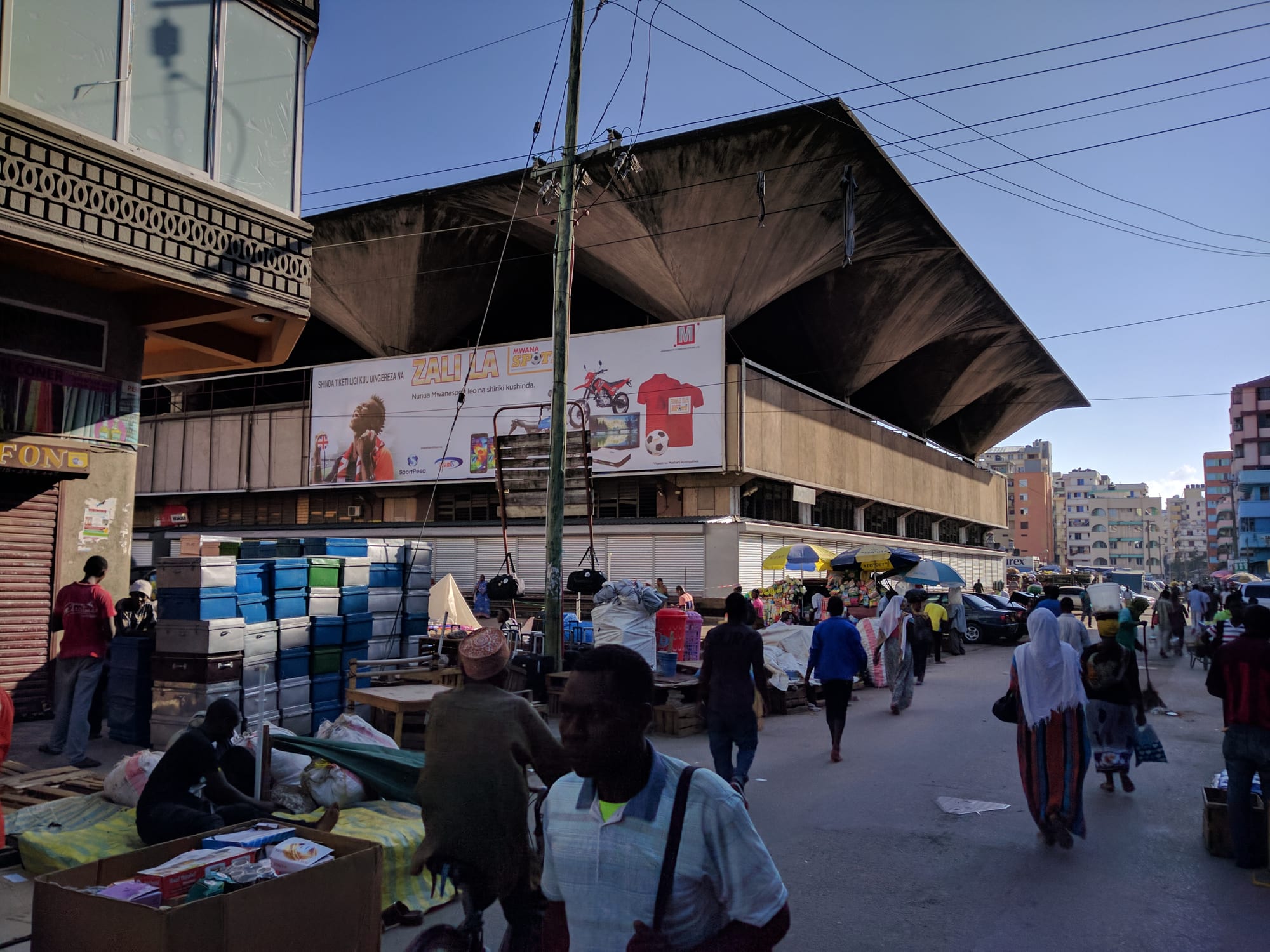
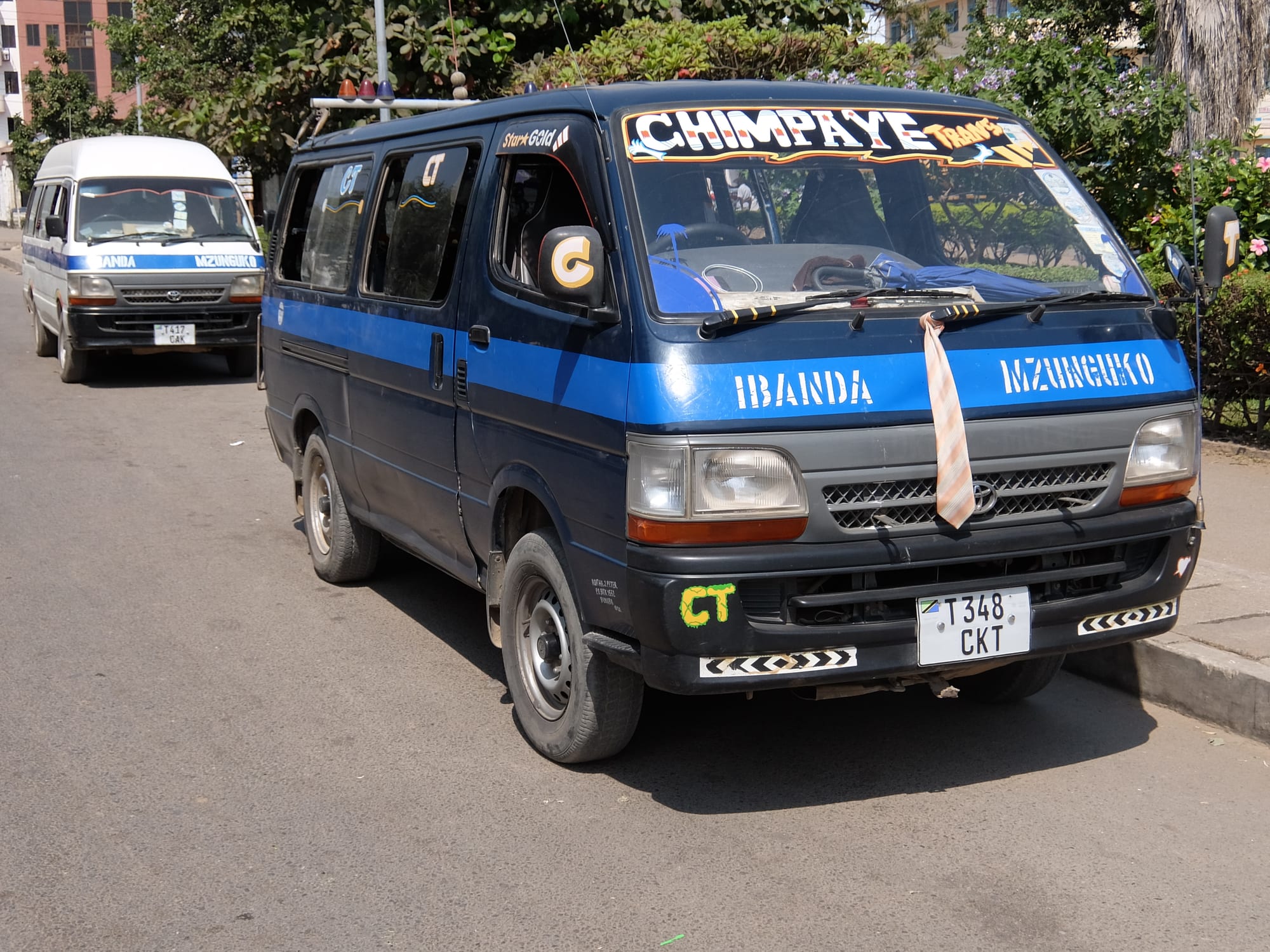
Markets are the anchor of public life in Tanzanian towns and cities: Kariakoo in Dar es Salaam is one of East Africa's largest trading districts, a dense, all-day tangle of stalls, wholesalers and street vendors, and every town of any size has its own version at smaller scale. Getting around depends heavily on the dala-dala, the mostly privately run minibus that is the standard form of public transport in cities and between towns, supplemented in recent years by motorcycle taxis known as bodaboda and, in the largest cities, ride-hailing apps. On the coast and in Zanzibar, the call to prayer and Friday mosque attendance structure public life for the Muslim majority there, while Christianity is the larger faith on the mainland as a whole, and football is followed avidly enough, in bars and living rooms alike, to count as genuinely shared public culture.
Free time and weekends
Weekends bring extended family visits, church or mosque attendance depending on faith, and, for many, an afternoon centred on football, either playing informally or watching a match at home or in a bar. In towns near the coast, the beach is a routine weekend destination rather than a special trip, and in Zanzibar in particular, evening food markets such as Forodhani in Stone Town double as a social gathering point as much as a place to eat. Music, especially Bongo Flava, Tanzania's homegrown blend of hip-hop with local styles such as taarab and dansi, is a constant soundtrack to weekend socialising in the cities.
A visitor's ordinary day
Tanzanian shillings are the everyday currency, but US dollars are widely accepted for park fees, tours and hotels, provided the notes are recent and undamaged; ATMs are common in cities and tourist towns but scarcer in rural areas, where cash is essential. Dala-dalas are cheap and go almost everywhere but can be crowded and are not run to a fixed timetable, so allow more time than a distance alone would suggest. Bargaining is normal in markets but not in shops with marked prices. The pole pole pace applies to visitors too: queues, service and paperwork generally move at their own speed, and this is treated as ordinary rather than as poor service.
What to take away
What defines an ordinary day in Tanzania is less any single ritual than the quiet success of Swahili itself, a shared everyday language that lets a market vendor in Dar es Salaam, a farmer near Kilimanjaro and a fisherman in Zanzibar go about the same unhurried kind of day using the same words.