Food · Tanzania
Tanzania: Food and the National Dish
A stiff maize porridge eaten with the hands, a mainland staple shared with a genuinely spice-driven island cuisine on Zanzibar
By Worldlore Editorial · 16 September 2026
A cuisine split between the mainland and a spice island
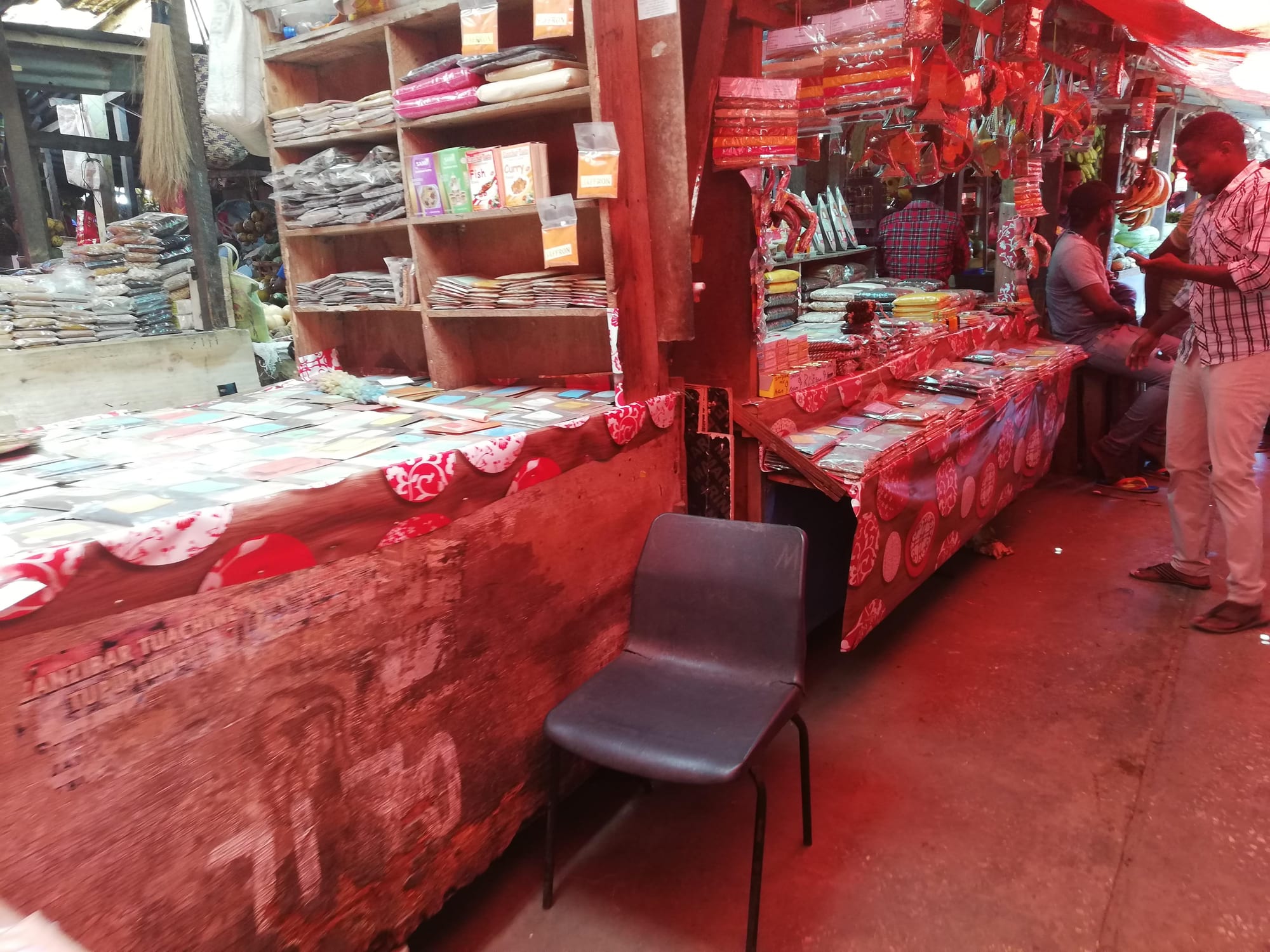
Tanzania's food genuinely reflects the country's two distinct halves: the mainland's maize-and-meat staples, shared broadly with neighbouring East African countries, and Zanzibar's spice-forward coastal cooking, shaped by centuries as one of the world's most important spice trading ports.
The national dish: ugali
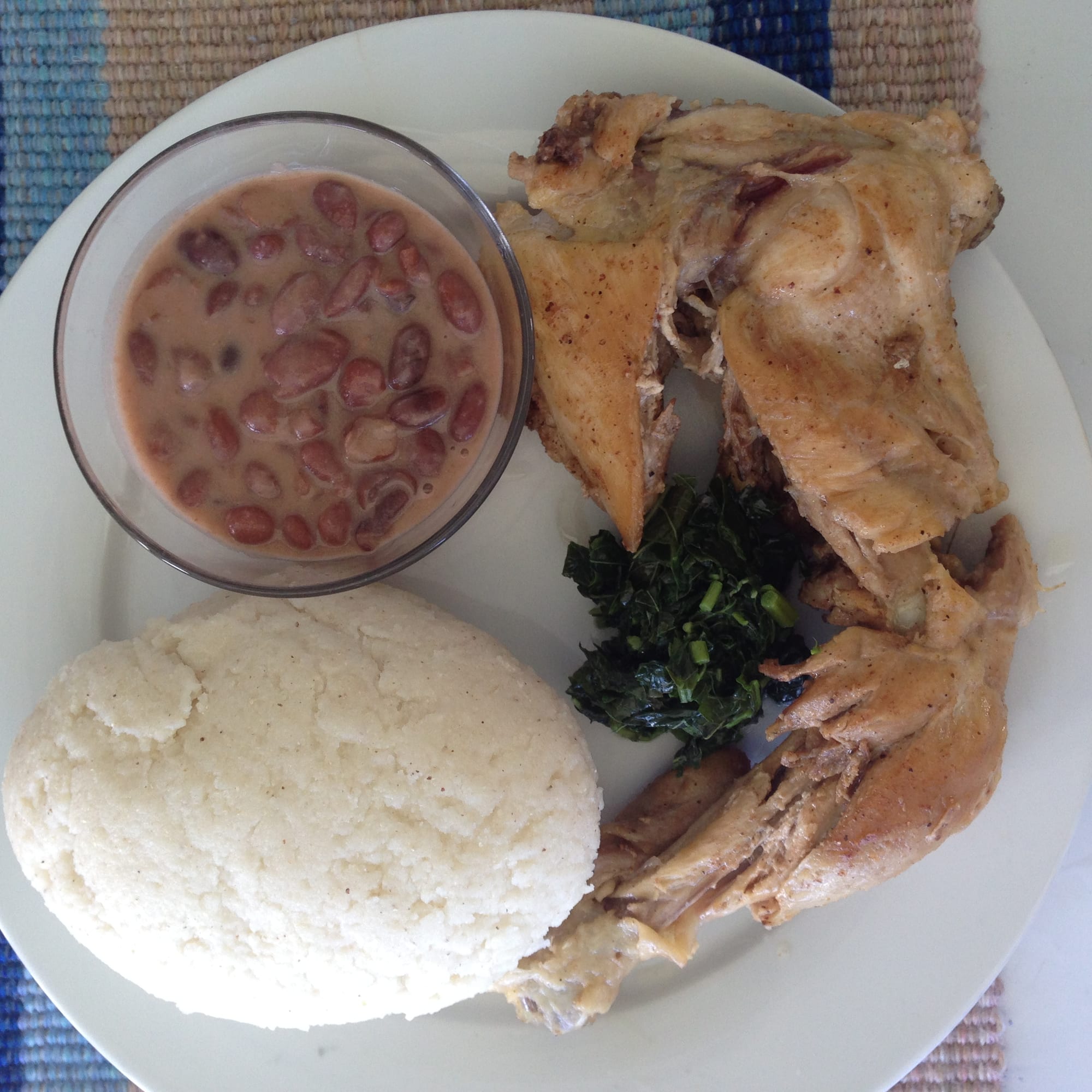
Ugali, a stiff porridge made from maize flour and water, cooked until thick enough to be shaped and eaten by hand, is Tanzania's national dish, eaten daily across the mainland alongside a stew, vegetables or grilled meat. Genuinely a staple across much of East Africa under different names, ugali in Tanzania is most often paired with nyama choma (grilled meat), fish or a vegetable and bean stew, torn and used by hand to scoop up the accompanying dish.
Maize, spice and a genuinely two-sided pantry
Maize, the true mainland staple ground into ugali, and beans anchor much of everyday Tanzanian cooking, while Zanzibar's cuisine leans heavily on cloves, cinnamon, nutmeg and other spices historically traded through the island's ports. Coconut, seafood and rice round out the coastal and island side of a pantry that looks genuinely different depending on which part of the country you're eating in.
History behind the two halves
Zanzibar was, for centuries, one of the world's most important clove and spice trading centres, drawing Arab, Persian, Indian and European traders whose culinary influence remains genuinely present in island cooking today. The mainland's food history, by contrast, developed through Bantu farming traditions built around maize and cattle herding, largely independent of the spice trade that shaped Zanzibar, explaining why the country's two halves eat so differently despite sharing one nation.
Dishes to know
Five more to recognise across Tanzania:
- Nyama choma — grilled meat, most often goat or beef, a beloved
social dish eaten across the mainland.
- Pilau — spiced rice, reflecting Zanzibar's historic Indian Ocean
trade connections.
- Mishkaki — grilled meat skewers, a popular street-food snack.
- Zanzibar mix (urojo) — a tangy soup with fritters, potato and
mango, a distinctly Zanzibari street-food dish.
- Chapati — a flatbread, reflecting Indian influence, eaten alongside
many meals.
Drinks
Chai, spiced tea often made with ginger, cardamom and cinnamon, is a genuine daily drink across Tanzania. Coffee, grown in the country's highlands, and fresh tropical fruit juices are also widely enjoyed.
Eating as a traveller
Vegetarians will find ugali, beans and vegetable-based dishes manageable, though grilled meat is central to much of mainland social eating. Tap water is not reliably safe outside major hotels; bottled water is the safer default. Visiting Zanzibar's Stone Town spice market offers a genuine look at the trade history that shaped the island's distinct cuisine.
What to take from the table
Ugali, eaten daily on the mainland, and Zanzibar's spice-driven cooking together tell Tanzania's real food story: one country holding two genuinely different culinary identities side by side.