Attractions & Natural Wonders · Tanzania
Tanzania: Ten Attractions and Natural Wonders
Africa's tallest freestanding mountain, the largest unbroken volcanic caldera on earth acting as a natural wildlife enclosure, and a migration of over a million animals moving in an endless annual circuit
By Worldlore Editorial · 10 September 2026
Africa's premier safari and mountaineering destination
Tanzania holds an unusually concentrated set of the continent's most famous natural wonders within a single country — Africa's highest mountain, one of its greatest wildlife migrations, and a volcanic crater so large and self-contained it functions almost as a natural zoo, all within reach of each other in the country's north. Add the historic Indian Ocean island of Zanzibar, and Tanzania offers one of the most complete safari-and-beach combinations available anywhere in Africa.
The ten below run from Kilimanjaro and the northern safari circuit to Zanzibar and the wilder south. The dry season (roughly June to October) is generally the best time for wildlife viewing and climbing.
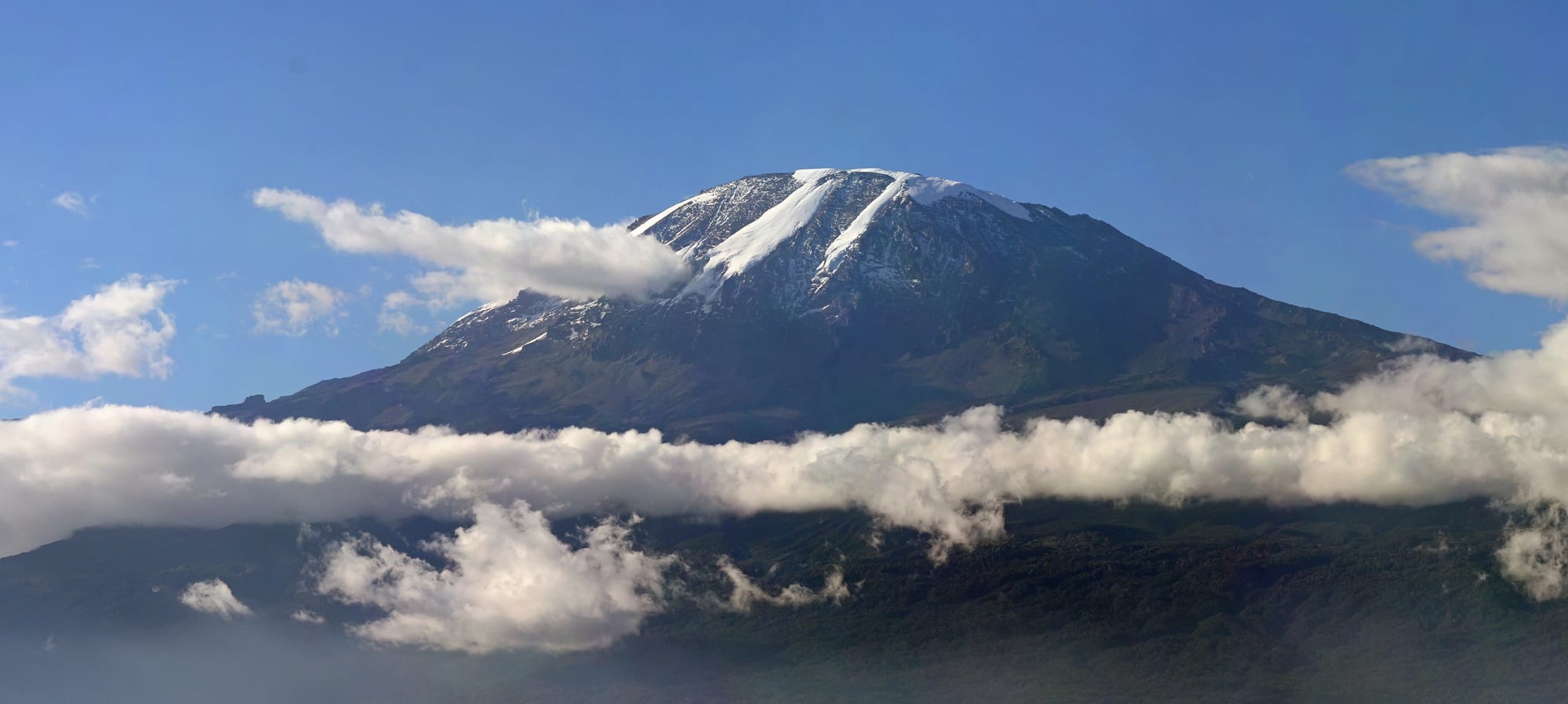
1. Mount Kilimanjaro
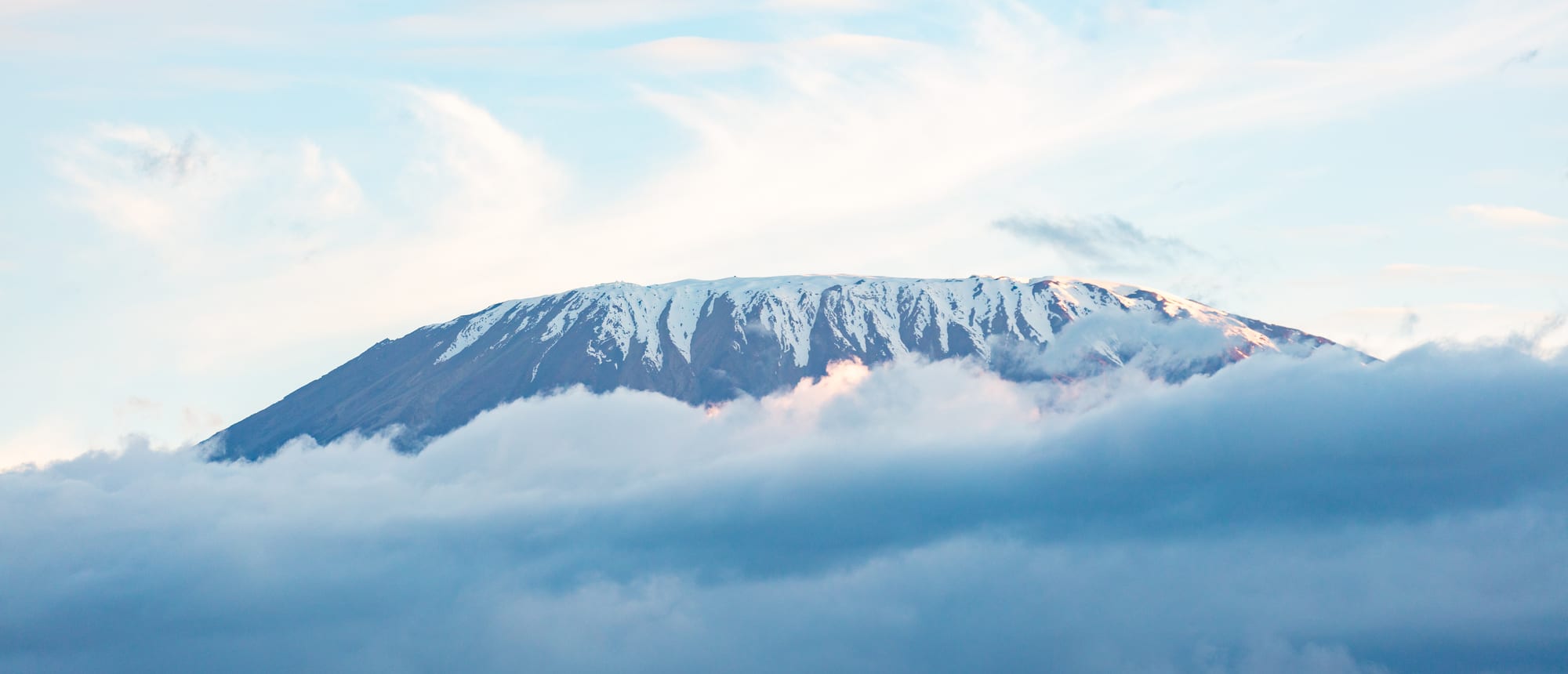
Kilimanjaro, at 5,895 metres, is both Africa's tallest mountain and the highest freestanding mountain in the world — not part of any range — making it a uniquely accessible major summit, climbable without technical mountaineering skills via several established routes over five to nine days. Its retreating glaciers, a visible marker of climate change, have shrunk dramatically over the past century.
2. The Serengeti and the Great Migration
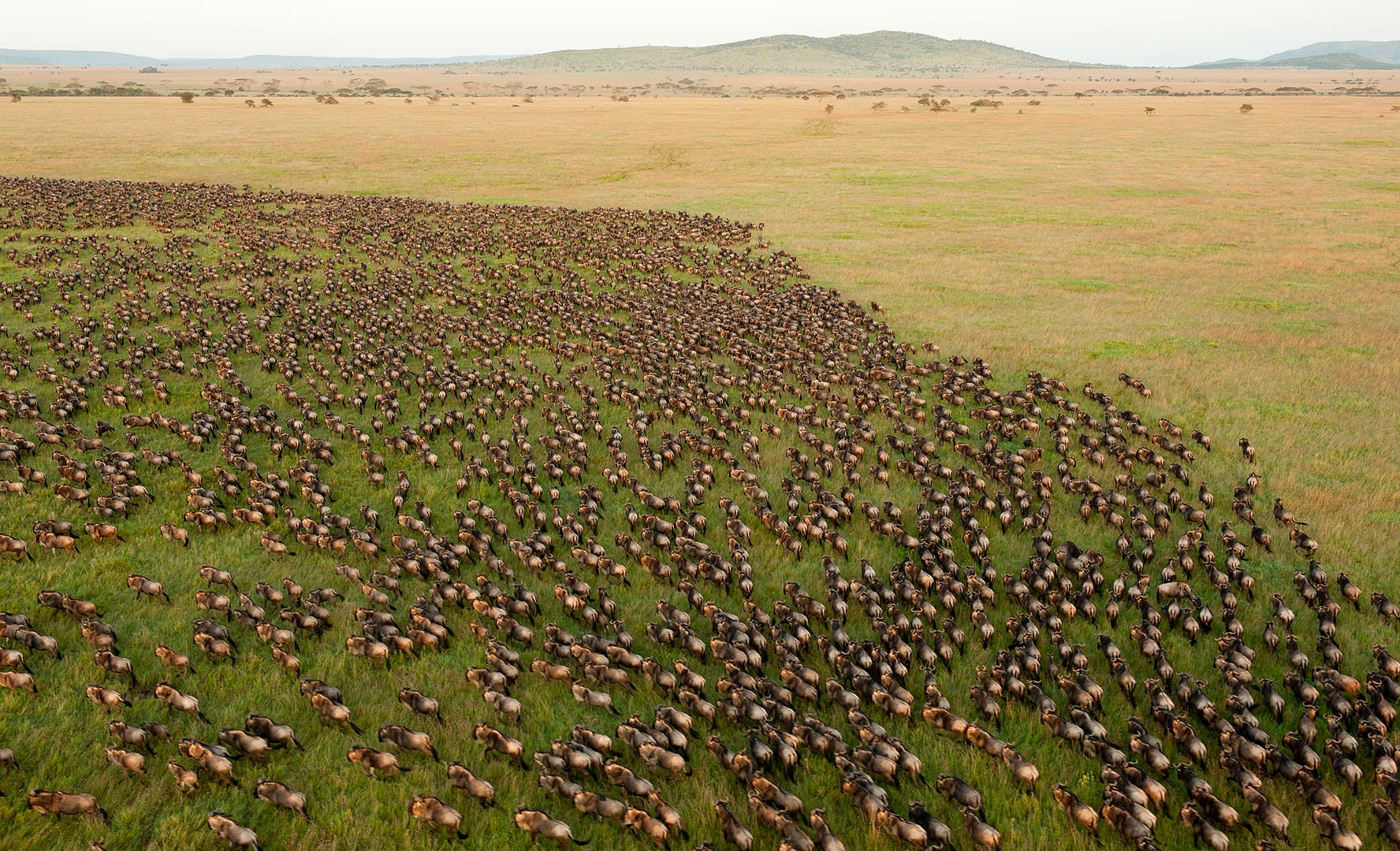
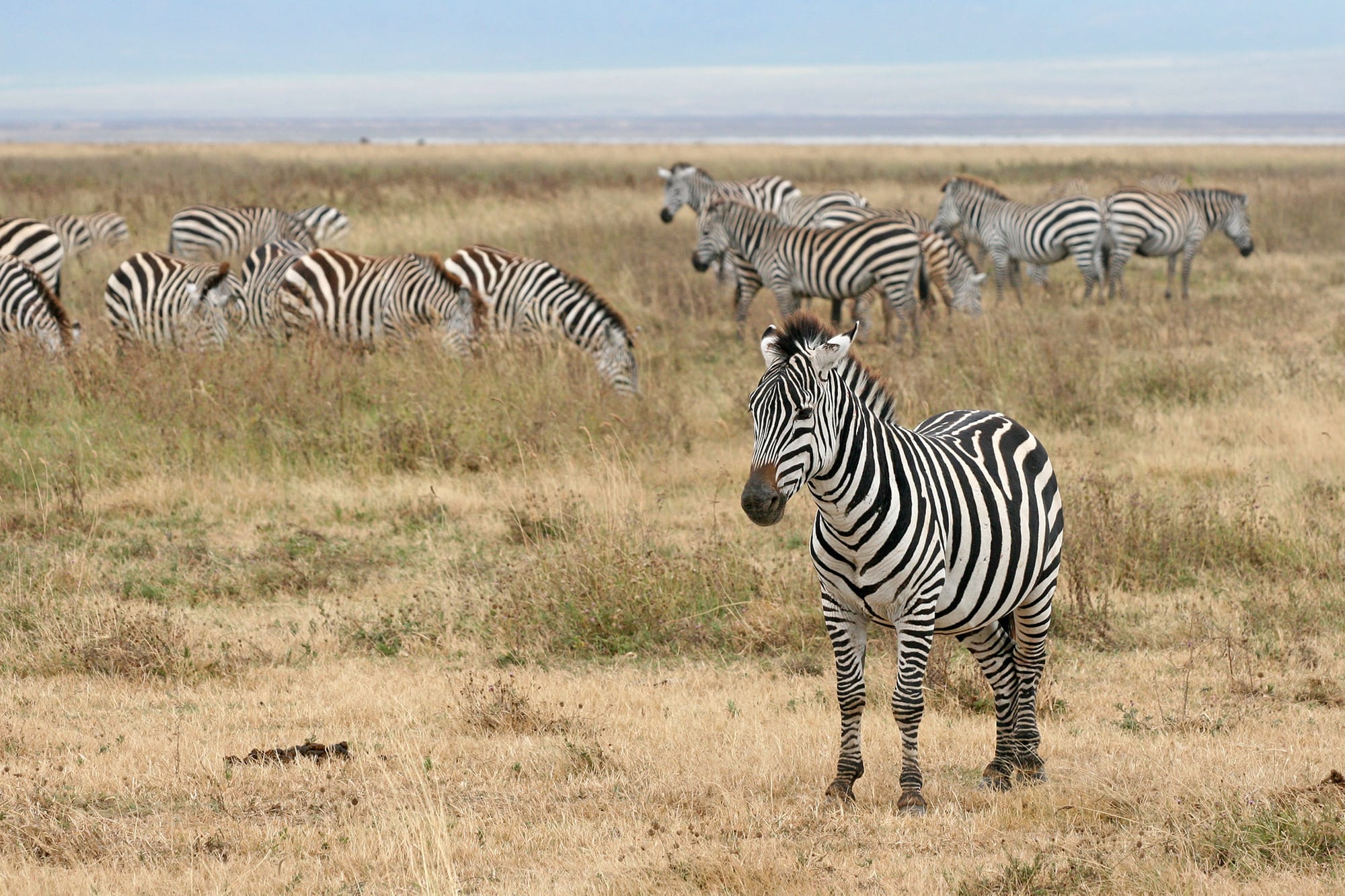
The Serengeti hosts the Great Migration, an endless annual circuit of over a million wildebeest and hundreds of thousands of zebra following seasonal rains between Tanzania and Kenya, including dramatic river crossings where crocodiles wait in ambush. A UNESCO World Heritage Site, the Serengeti's sheer scale and density of predators make it one of the premier safari destinations anywhere on earth.
3. The Ngorongoro Crater
The Ngorongoro Crater, the largest unbroken and unflooded volcanic caldera on earth, holds an extraordinarily dense concentration of wildlife within its walls year-round, including one of the last significant populations of black rhino in East Africa, effectively trapped by the crater's steep walls into one of the most reliable game-viewing areas in the world. It forms part of the wider Ngorongoro Conservation Area, a UNESCO World Heritage Site.
4. Zanzibar's Stone Town
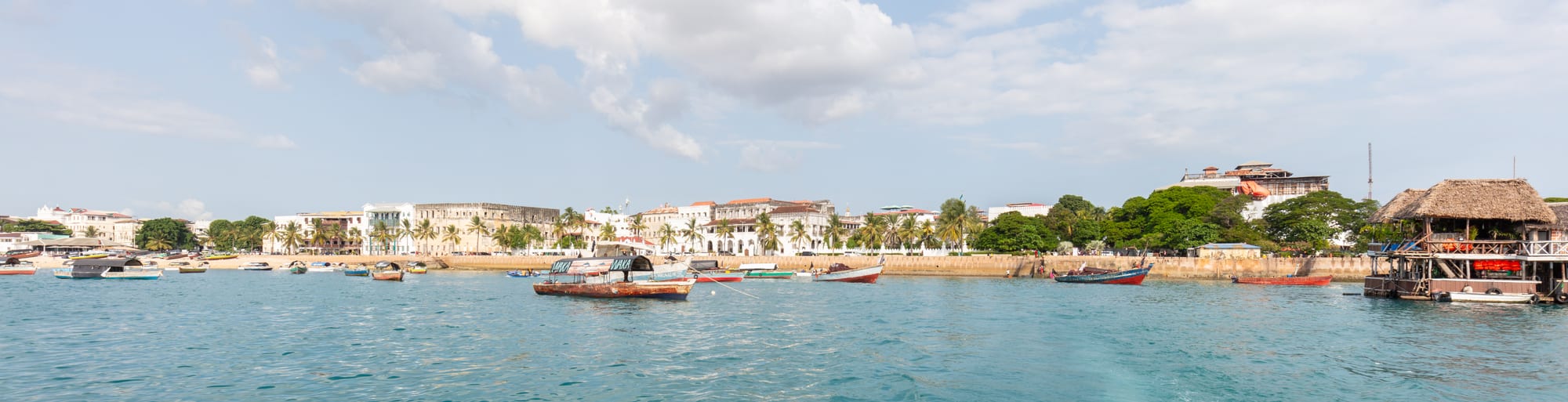
Stone Town, Zanzibar's historic centre, preserves a dense maze of narrow lanes, ornately carved wooden doors, and buildings reflecting centuries of Swahili, Arab, Persian, and Indian trade and, more darkly, the island's central role in the Indian Ocean slave trade until the late 19th century. A UNESCO World Heritage Site, it remains the cultural heart of the wider Zanzibar archipelago.
5. Zanzibar's beaches

Beyond Stone Town, Zanzibar's coastline holds some of East Africa's most celebrated beaches, along with spice plantation tours reflecting the island's history as a major clove and spice exporter, and coral reef snorkelling and diving off its eastern and northern shores.
6. The northern safari circuit
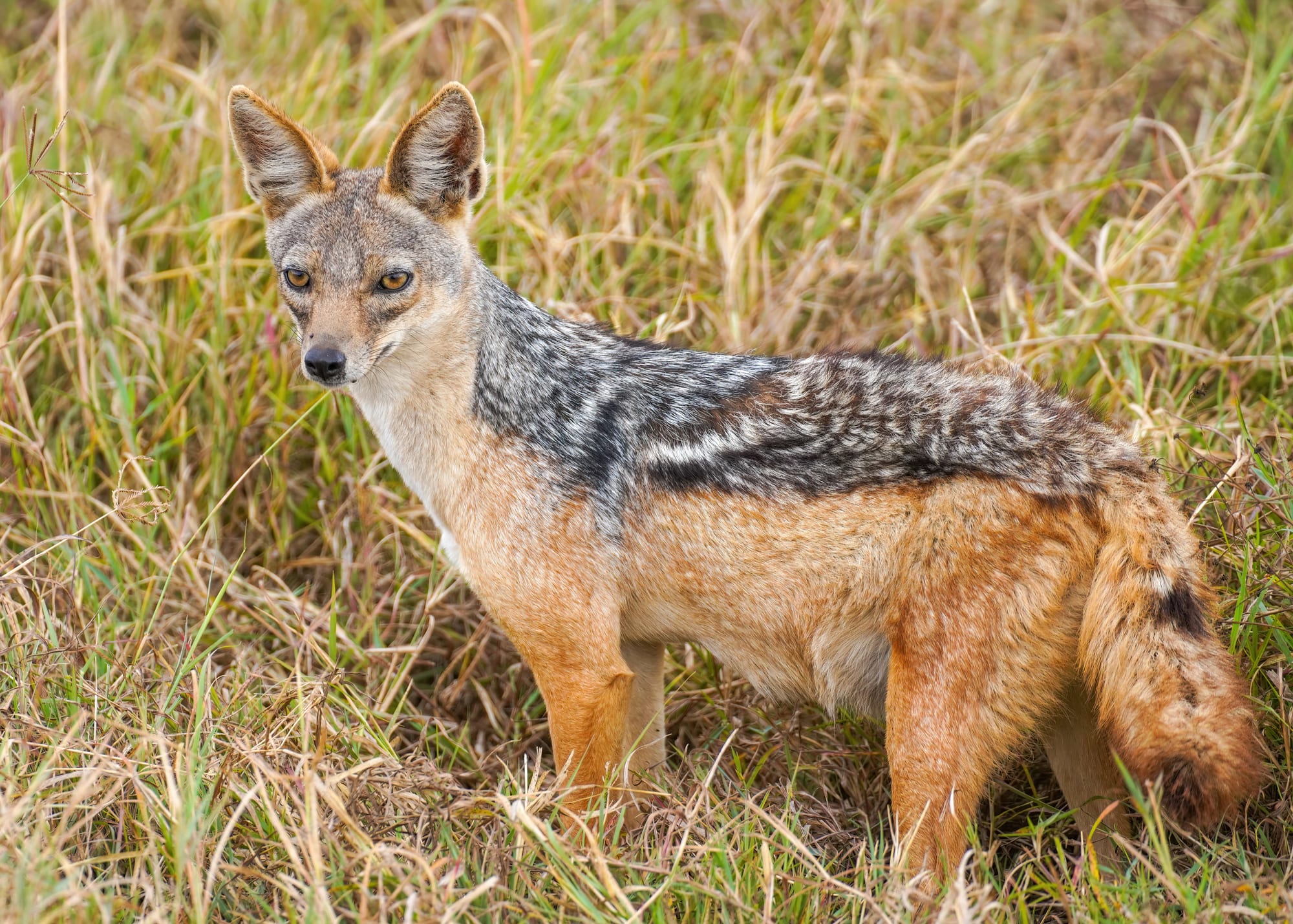
Tanzania's northern safari circuit links the Serengeti and Ngorongoro with several smaller parks nearby, together offering one of the most complete and reliable wildlife-viewing regions in Africa within a relatively compact area, making a multi-park safari itinerary practical within a week or ten days.
7. Tarangire National Park
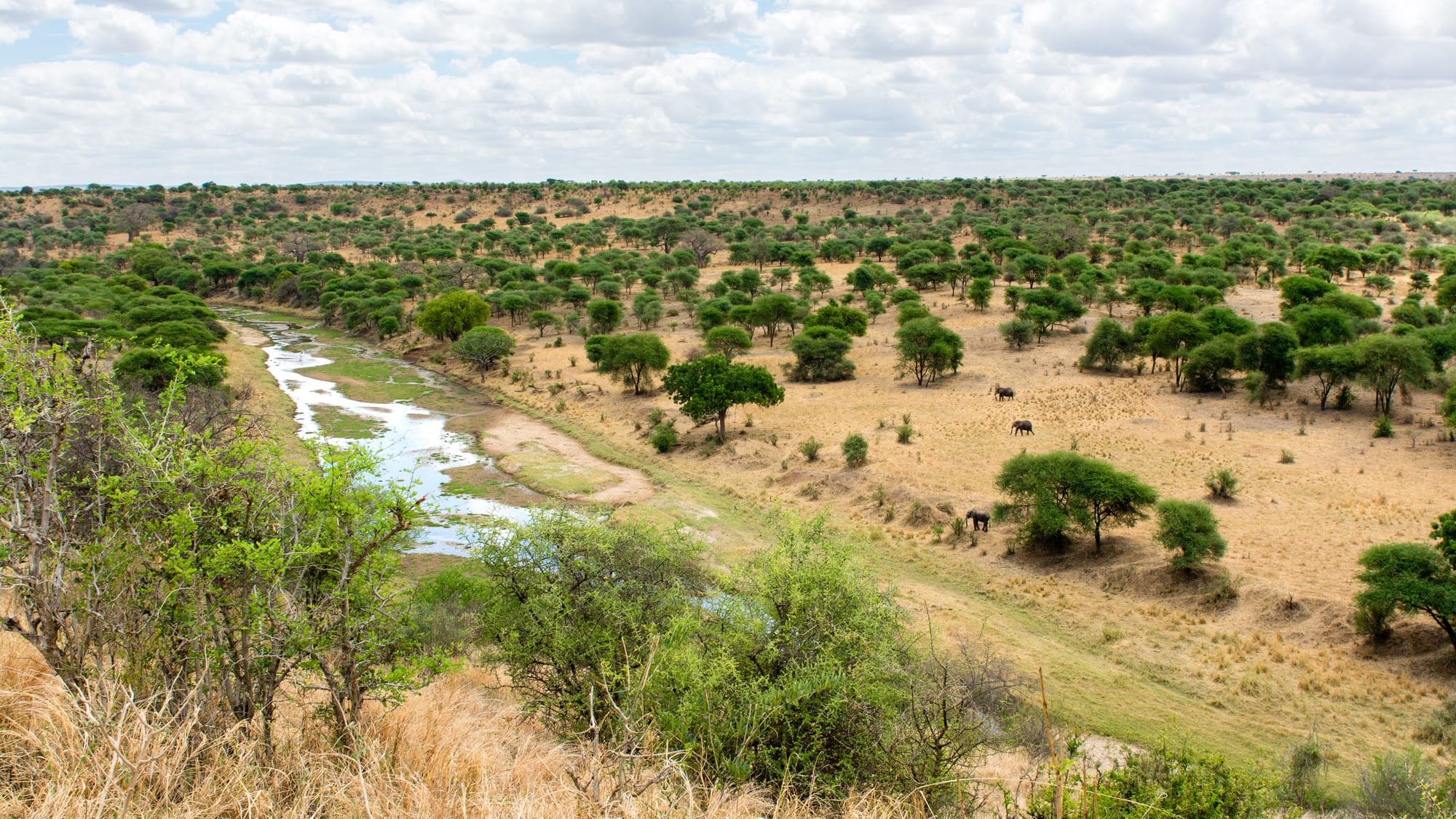
Tarangire, less crowded than the Serengeti but no less rewarding, is known for its dense baobab-studded landscape and for hosting some of the largest elephant herds in Tanzania, which concentrate along the Tarangire River during the dry season when water elsewhere in the park disappears. Its swamps and grasslands also support large numbers of breeding birds, making it a favourite among birdwatchers.
The park forms part of the wider Tarangire-Manyara ecosystem, one of the few areas left in Africa still connected by open wildlife migration corridors.
8. Olduvai Gorge
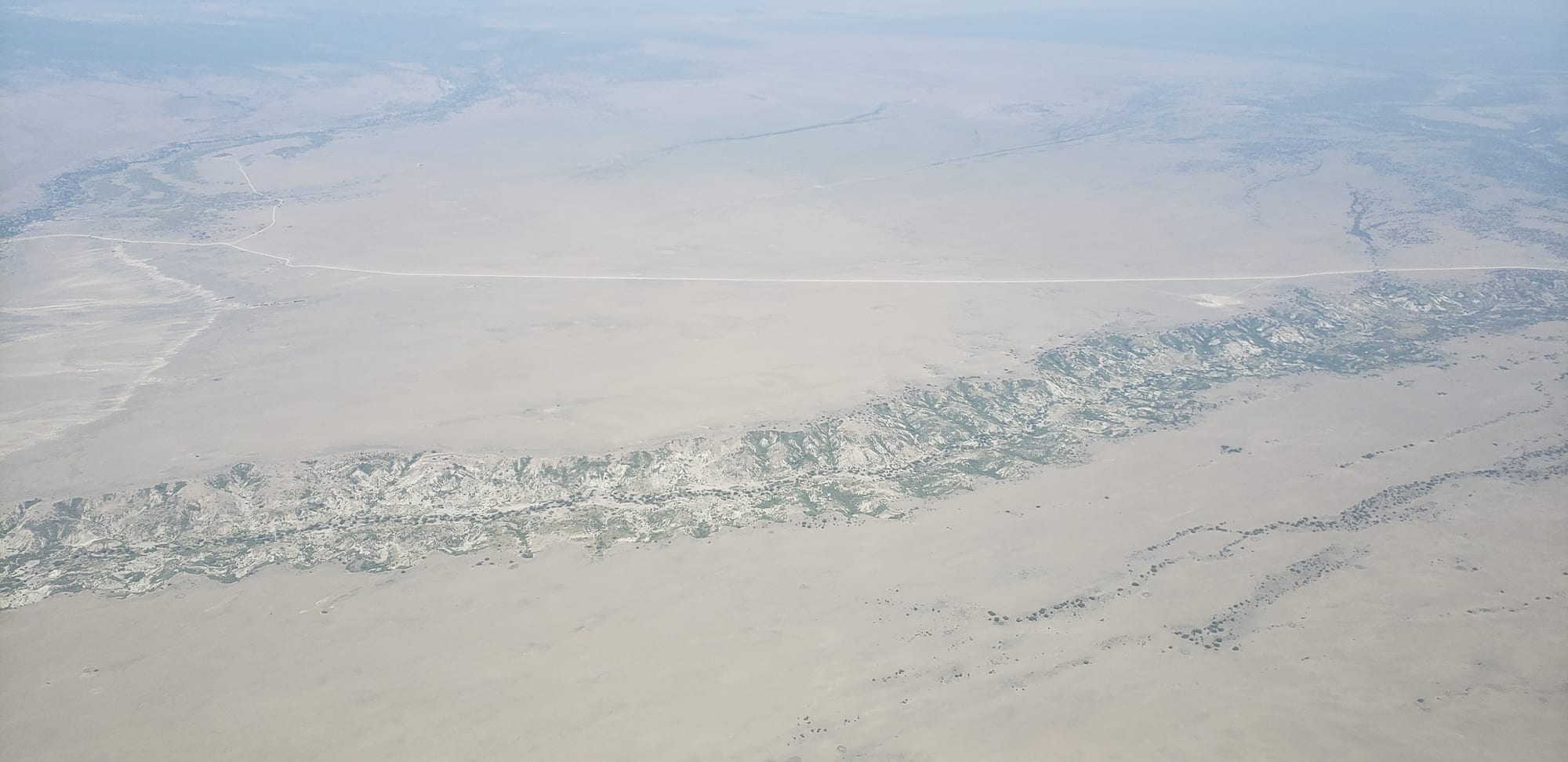
Olduvai Gorge, a steep-sided ravine cut into the Serengeti plains, ranks among the most important paleoanthropological sites on earth: excavations led by Louis and Mary Leakey beginning in the 1930s uncovered fossils and stone tools going back nearly two million years, reshaping scientific understanding of human origins and confirming East Africa as a cradle of early humankind.
A small on-site museum displays casts of key fossil finds and explains the gorge's geological layers, most visitors stopping here en route between Ngorongoro and the Serengeti.
9. Lake Manyara National Park
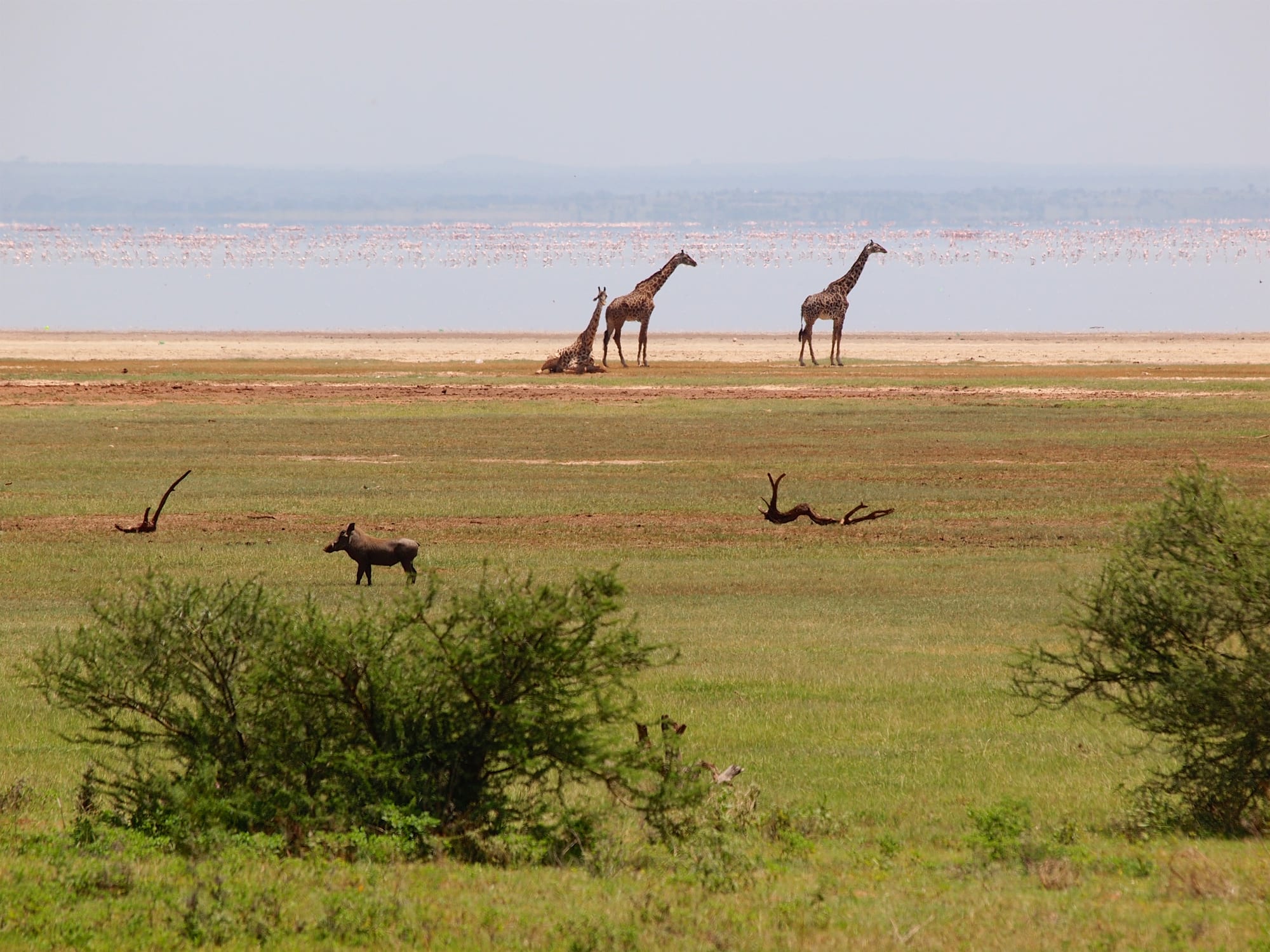
Lake Manyara, a shallow soda lake pressed against the base of the Great Rift Valley's escarpment, is famous for its tree-climbing lions, an unusual behaviour rarely seen elsewhere in Africa, along with dense populations of baboons and some of the largest flocks of flamingos in East Africa when water levels are right.
The compact park's mix of groundwater forest, grassland, and lakeshore packs an unusually wide range of habitats into a relatively small area, making it an easy add-on to a longer northern circuit itinerary.
10. The Selous Game Reserve
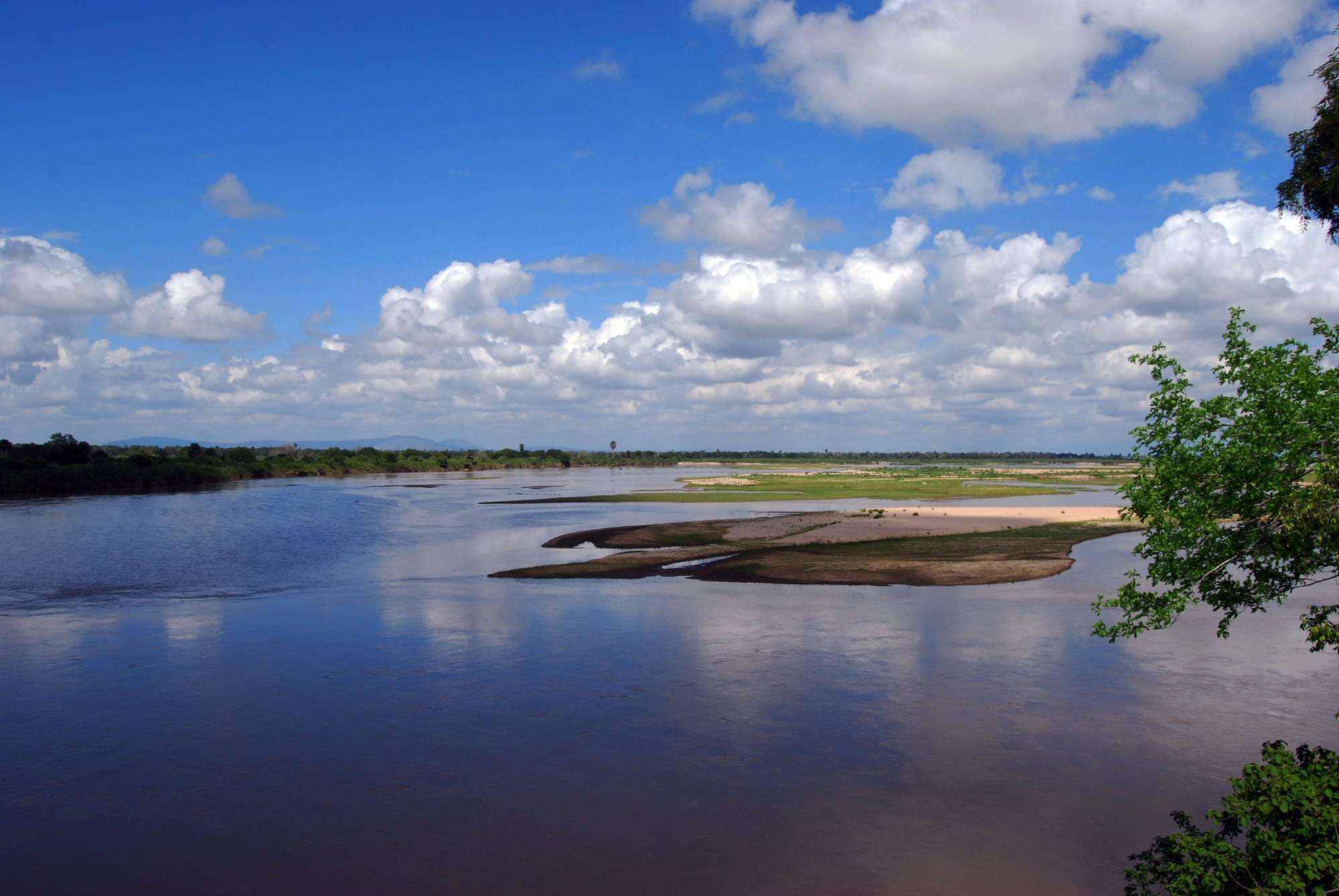
Far south of the northern circuit, the Selous (much of it now renamed Nyerere National Park) is one of the largest protected wilderness areas in Africa, its remoteness and low visitor numbers giving it a wilder feel than the more heavily trafficked northern parks. The Rufiji River, Africa's largest protected river system, allows boat safaris alongside the more usual game drives and walking safaris.
A UNESCO World Heritage Site, the reserve holds significant populations of elephant, hippo, and African wild dog, one of the continent's most endangered predators.
Tanzania rewards combining a northern safari circuit of a week or so with a few days unwinding on Zanzibar afterward — a pairing that has become one of the most popular East African trip formats for exactly that reason. Those with more time can extend south to the Selous for a quieter, less-visited safari experience.