History · Tajikistan
Tajikistan: The Mountain Republic
The only Persian-speaking country of former Soviet Central Asia — a Samanid heartland reduced to a remote Soviet borderland, plunged into a five-year civil war at independence, and ruled ever since by one man
By Worldlore Editorial · 10 September 2026
Persian-speaking, and Central Asian
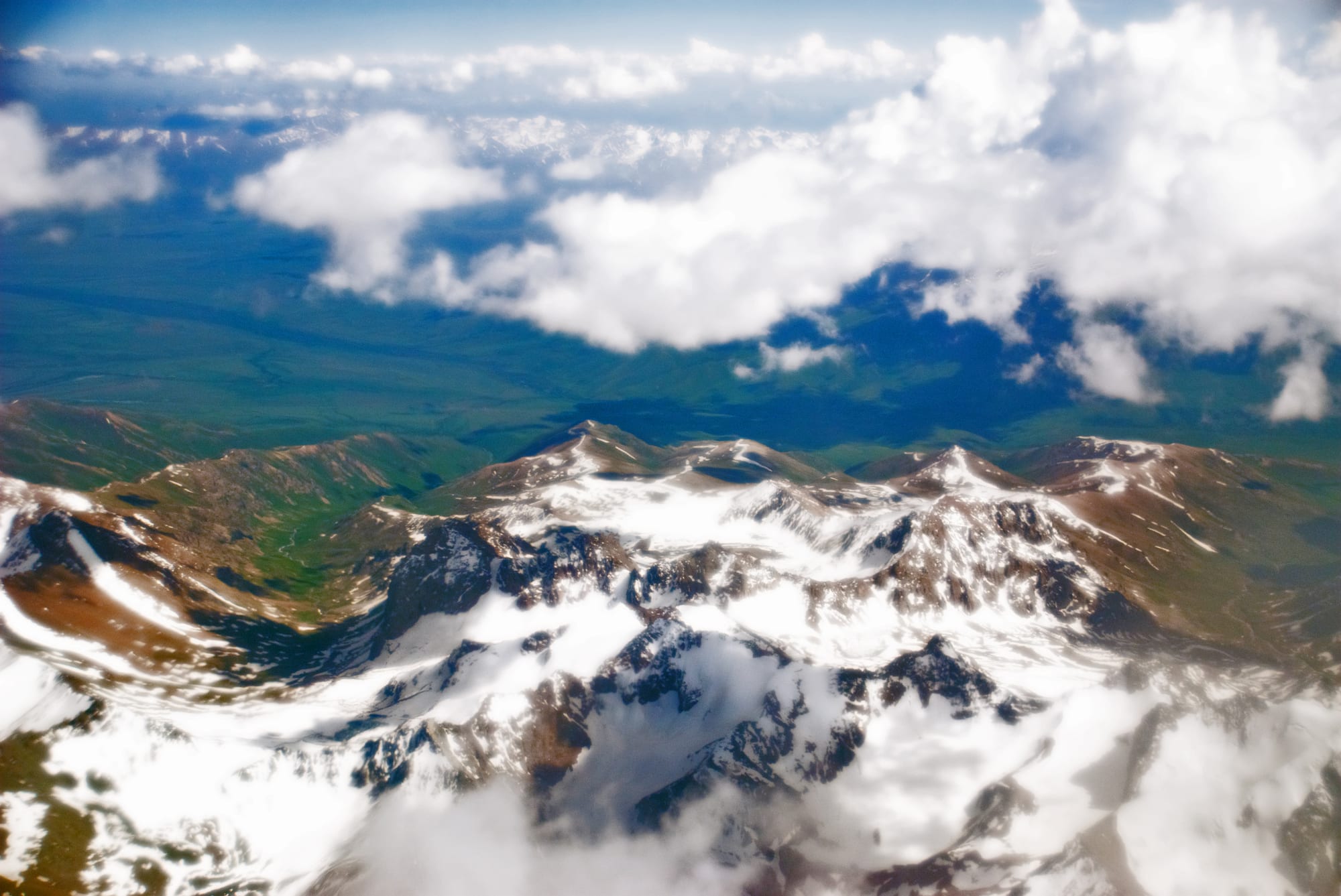
Tajikistan is a small, landlocked, overwhelmingly mountainous country of about 10 million people, bordered by Uzbekistan, Kyrgyzstan, China and — along a long, porous frontier — Afghanistan. Its people are Tajiks, an Iranian people whose language is a form of Persian, which makes Tajikistan the odd one out among the Turkic-speaking states of ex-Soviet Central Asia. It is the poorest of the former Soviet republics, sustained heavily by money sent home by migrant workers in Russia. Its short independent history has been dominated by a devastating civil war and the durable rule of the man who emerged from it.
A short history
- to 8th century CE
Persianate civilisation
Sogdiana and Bactria; a crossroads of the Silk Road.
- 819–999
The Samanid dynasty
A Persian renaissance centred on Bukhara and Samarkand.
- 16th–19th c.
Bukhara and Kokand
The Tajik lands are divided among Central Asian khanates.
- 1868–1895
Russian conquest
The region comes under the Russian Empire.
- 1924–1929
Soviet delimitation
A Tajik autonomous region, then a full Soviet republic; Bukhara and Samarkand go to Uzbekistan.
- 1991
Independence
Tajikistan becomes sovereign as the USSR dissolves.
- 1992–1997
Civil war
Regional and Islamist factions fight the post-communist government; ~50,000+ dead.
- 1997
Peace accord
A UN-brokered power-sharing settlement.
- 1994–
The Rahmon era
Emomali Rahmon consolidates near-total power.
Samanids and khanates
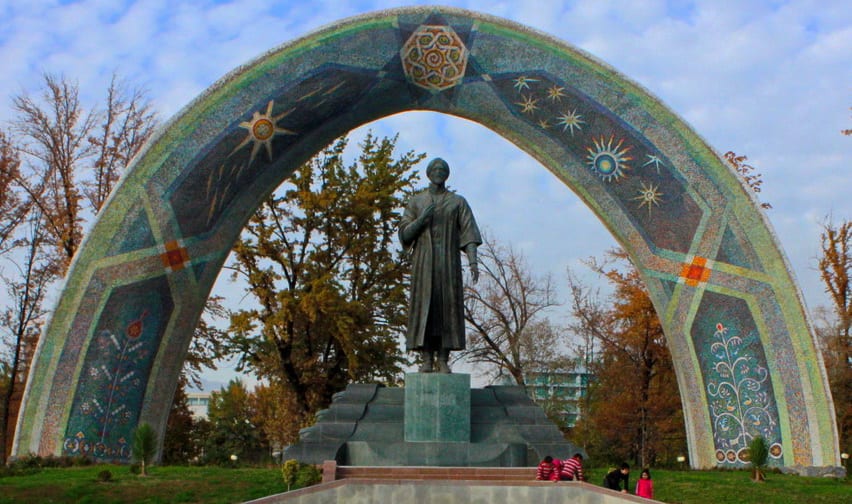
The land that is now Tajikistan was part of the ancient Persianate world — Sogdiana, Bactria — and a central artery of the Silk Road. Its golden age came under the Samanid dynasty (819–999), based at Bukhara, which presided over a flowering of Persian literature and learning (the poet Rudaki, the scholar Avicenna) and is claimed by modern Tajikistan as its founding state; the national currency is the somoni and the tallest monument in Dushanbe honours the dynasty's founder. After the Samanids, Turkic and Mongol conquests followed, and by the 18th and 19th centuries the Tajik-inhabited areas were split between the Emirate of Bukhara and the Khanate of Kokand.
Russian and Soviet rule
Russia conquered Central Asia between the 1860s and 1890s, absorbing Kokand directly and making Bukhara a protectorate. After the revolution, the Soviets suppressed the Basmachi resistance and, in the 1920s, redrew the map along "national" lines. Tajikistan became an autonomous region within Uzbekistan in 1924 and a full union republic in 1929 — but the historic Tajik-Persian cultural centres, Bukhara and Samarkand, were assigned to Uzbekistan, a loss still felt keenly in Tajik nationalism. Soviet rule brought literacy, irrigation, a cotton monoculture, industry and the new capital at Dushanbe, but Tajikistan remained the USSR's poorest republic, with the least investment and the highest birth rate.
Independence and civil war
Tajikistan became independent in September 1991 almost by default, its Soviet-era elite intact. Within months a power struggle — pitting the entrenched communist-era leadership and its regional base (Kulob, Khujand) against an opposition alliance of democrats, nationalists and Islamists drawing on other regions (Gharm, Badakhshan) — collapsed into civil war in 1992. The war was vicious, with massacres, ethnic and regional cleansing, and hundreds of thousands of refugees, many fleeing into Afghanistan; estimates of the dead range from around 50,000 to over 100,000. Russian troops and the Uzbek government backed the government side. A UN-mediated peace agreement in 1997 gave the opposition a 30 per cent share of government posts and integrated its fighters, and is often cited as a rare successful settlement of a post-Soviet conflict.
The Rahmon era
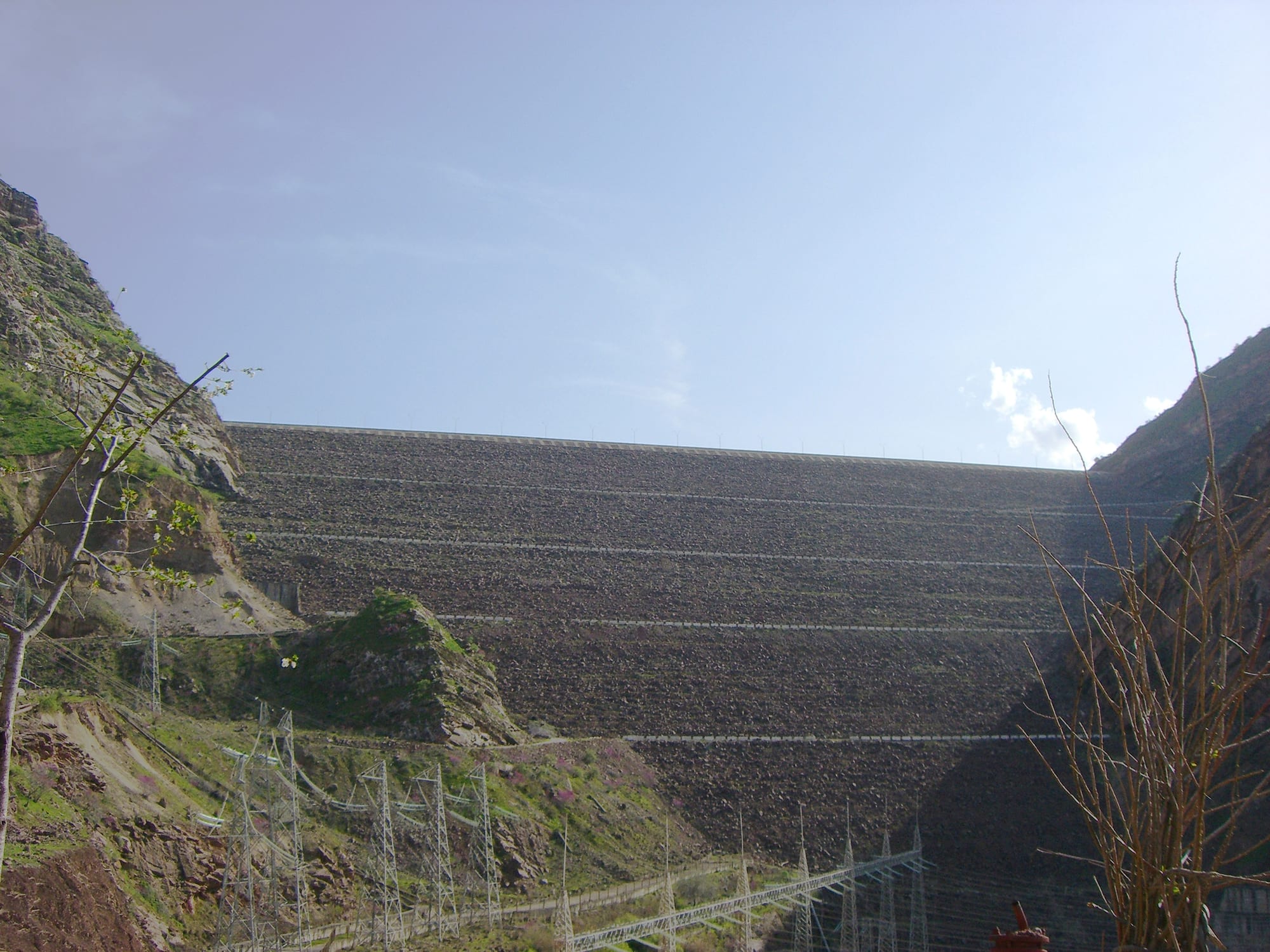
Emomali Rahmon, a former state-farm boss elevated to the leadership in 1992, has ruled ever since. Over the following decades he sidelined and then, from around 2015, banned the Islamic Renaissance Party — the former opposition and the only legal religious party in Central Asia — jailing its leaders, and he has jailed or exiled other critics and tightly controlled media and religion (restricting beards, the hijab in public institutions, and mosque attendance for the young). A 2016 referendum removed term limits for him specifically and lowered the minimum age for the presidency, widely read as clearing the path for his son, Rustam Emomali, the mayor of Dushanbe and head of the upper house. The economy leans on aluminium, cotton, and above all remittances, worth around a quarter to a third of GDP; militant attacks and unrest in the eastern Gorno-Badakhshan region have recurred.
What Tajikistan carries
Tajikistan is the Persian-speaking remnant of a Central Asia that Soviet map-making cut into Turkic-titled republics, and it entered independence poorer and less prepared than any of its neighbours. The civil war of the 1990s defined the state that emerged — a settlement that ended the fighting but concentrated power in the hands of one wartime faction and one man, whose family now appears set to keep it.