Attractions & Natural Wonders · Tajikistan
Tajikistan: Six Attractions and Natural Wonders
One of the highest and most remote roads on earth, a narrow corridor of villages squeezed between three towering mountain ranges, and a lake said in local legend to have been created by Alexander the Great
By Worldlore Editorial · 9 September 2026
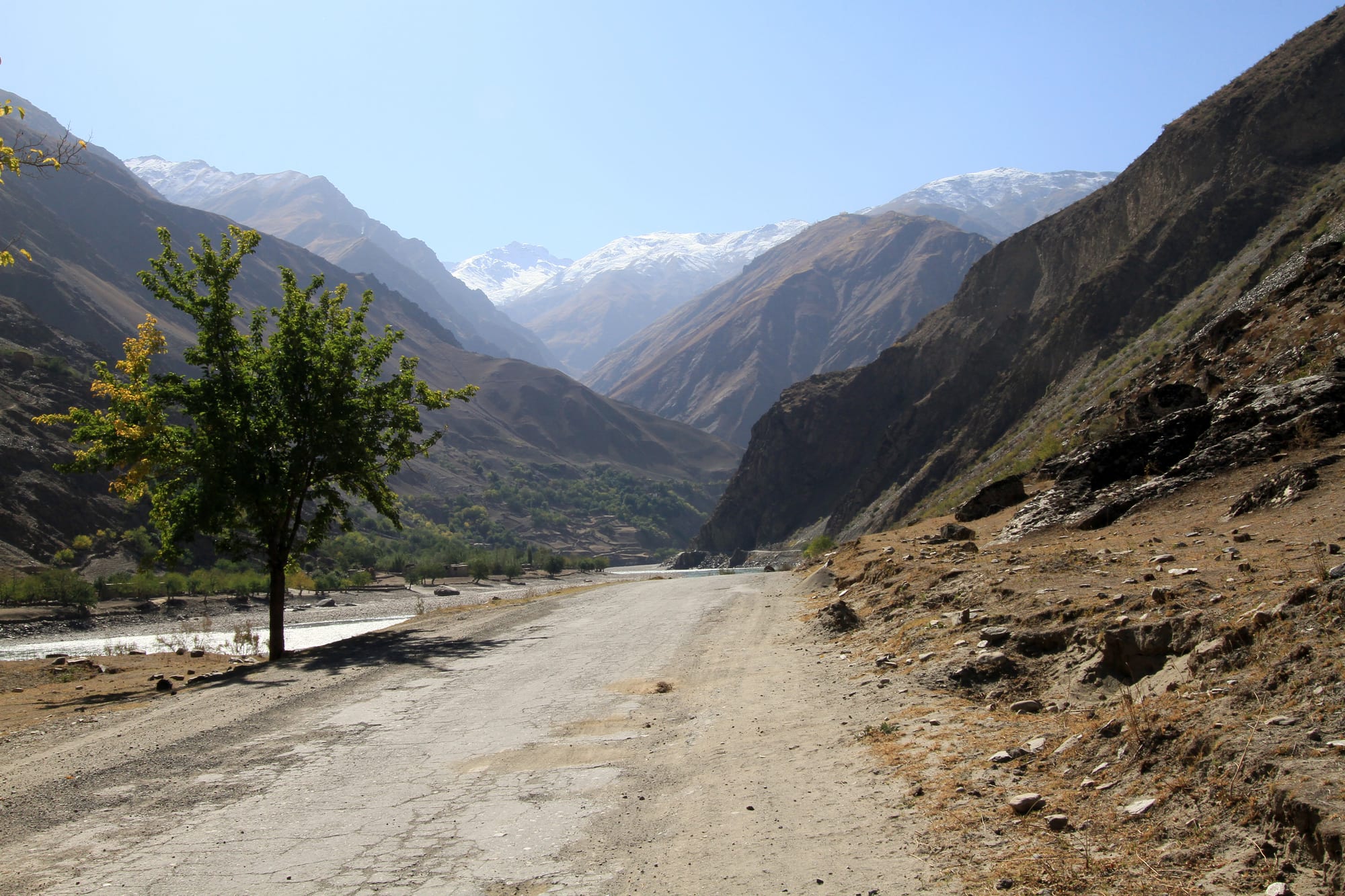
The most mountainous country in Central Asia
Tajikistan, over 90 percent covered by mountains, holds some of the most dramatic and least-visited high-altitude terrain in Central Asia — the towering Pamir range, glacial lakes tucked into remote valleys, and a Soviet-era highway that remains one of the highest and most adventurous road journeys on earth. Its relative isolation, both geographic and political, has kept much of this landscape free of significant tourism development.
The six below run from the capital, Dushanbe, to the Fann Mountains and the remote Pamir region in the east. Summer (roughly June to September) is essential for the high-altitude routes, which are snowbound the rest of the year.
1. The Pamir Highway
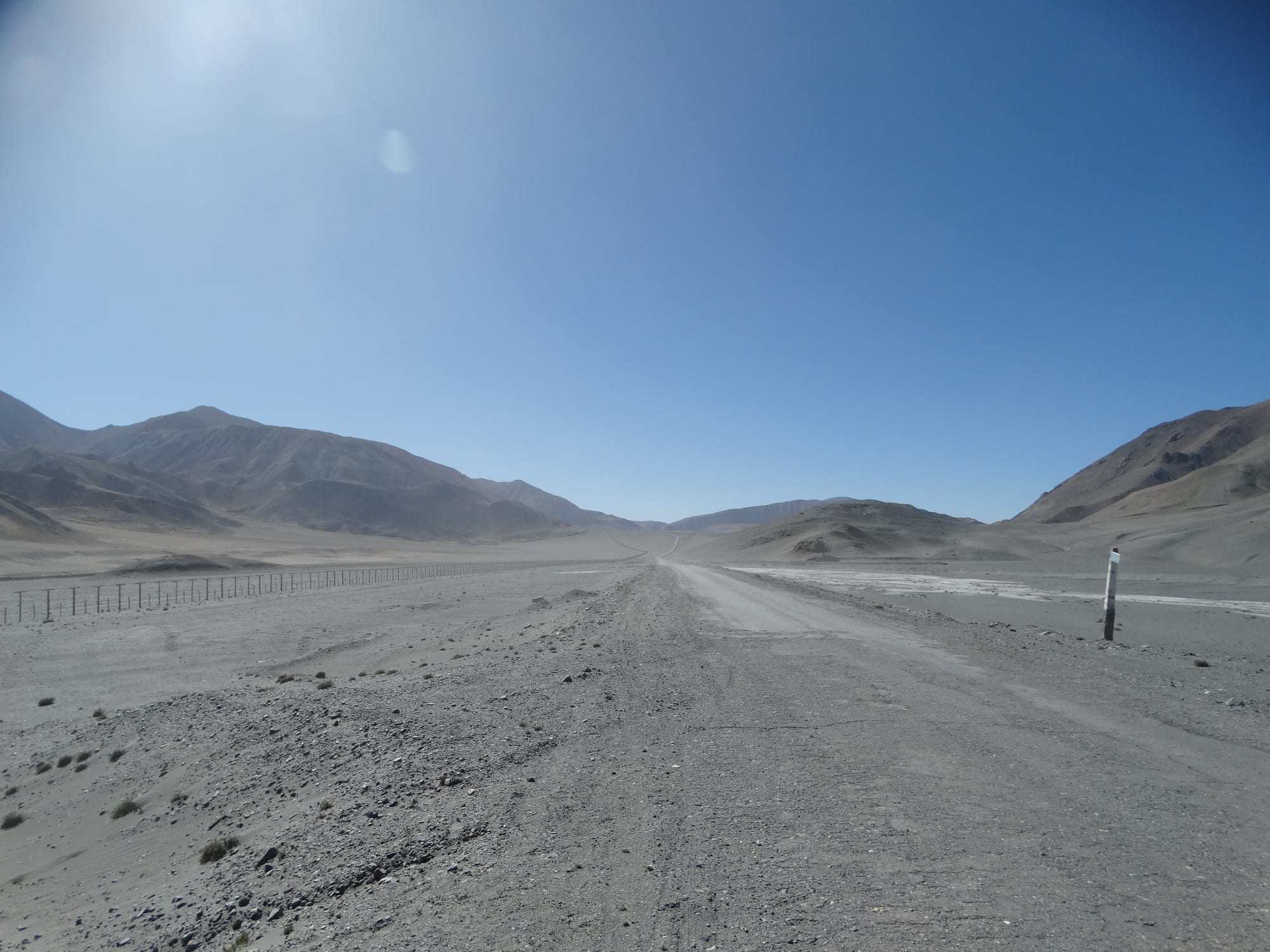
The Pamir Highway, built by the Soviet military in the 1930s, is the second-highest international highway in the world, crossing remote passes above 4,000 metres through some of the most isolated inhabited terrain on earth. Traveling it, typically by 4x4 or motorbike over several days, is considered one of the great overland adventure routes in Central Asia, passing through the Pamir mountains' sparse, high-altitude settlements.
2. Lake Iskanderkul
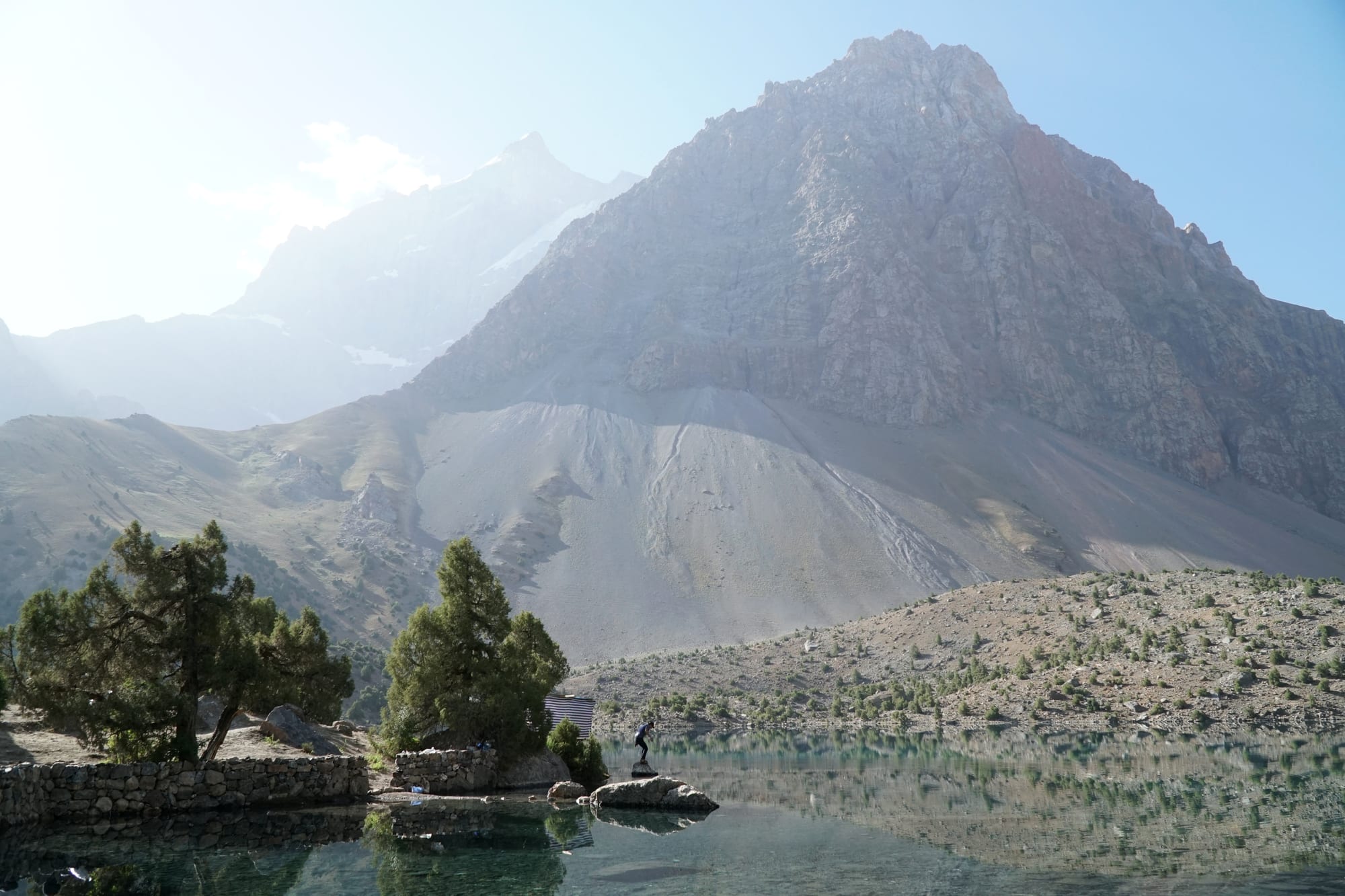
Lake Iskanderkul, a striking turquoise alpine lake, takes its name from Alexander the Great (Iskandar in Persian and Central Asian tradition), with local legend holding that the lake conceals a sunken city and even a golden cradle connected to the conqueror's campaigns through the region. It remains one of the most accessible and photographed lakes within the wider Fann Mountains.
3. The Fann Mountains
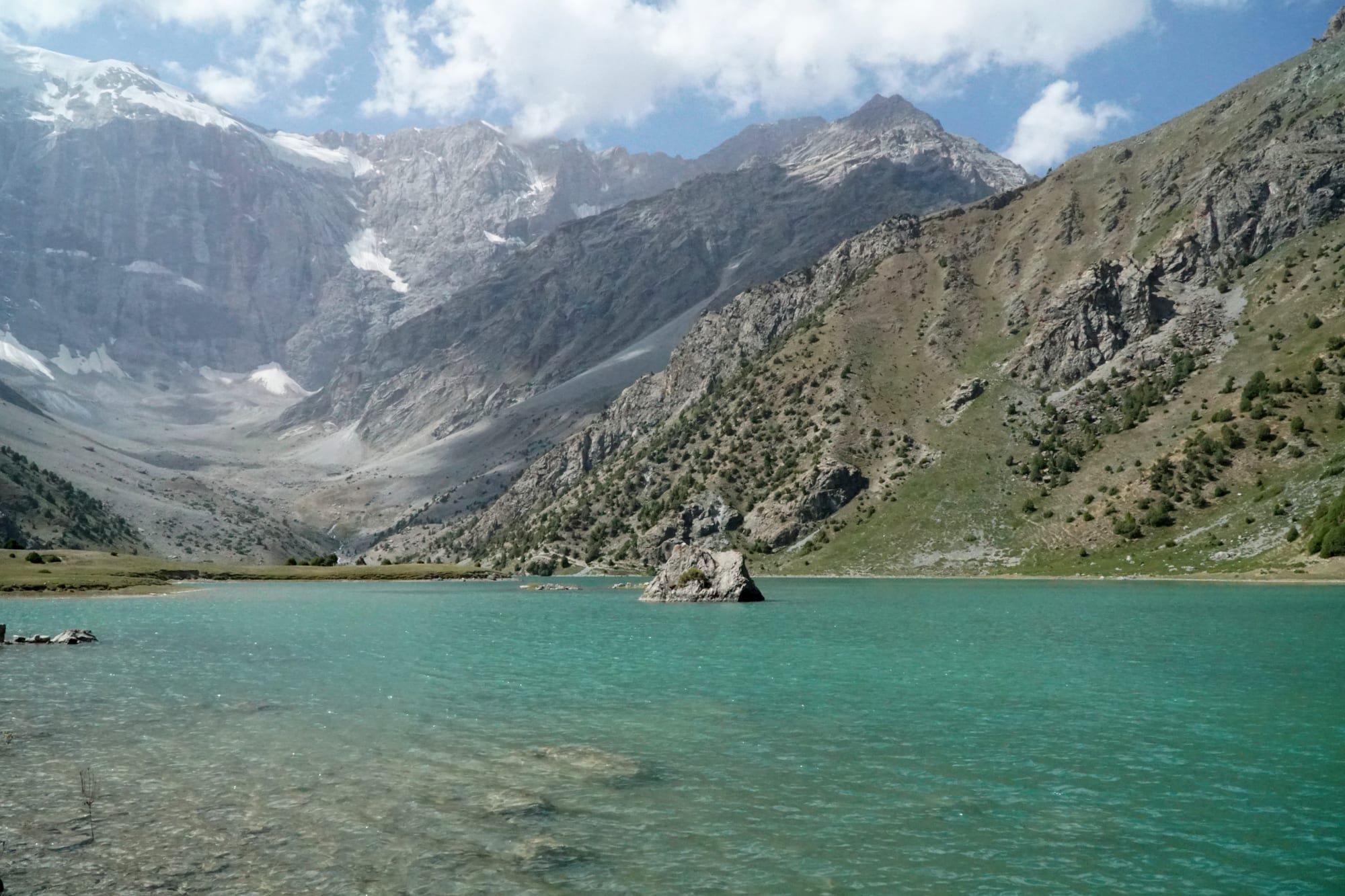
The Fann Mountains, a compact but dramatic range within the wider Pamir-Alay system, hold dozens of alpine lakes in vivid shades of turquoise and emerald, along with peaks reaching over 5,000 metres. Popular with trekkers for routes that combine serious mountain scenery with relatively manageable logistics compared with the more remote high Pamirs further east.
4. The Wakhan Corridor
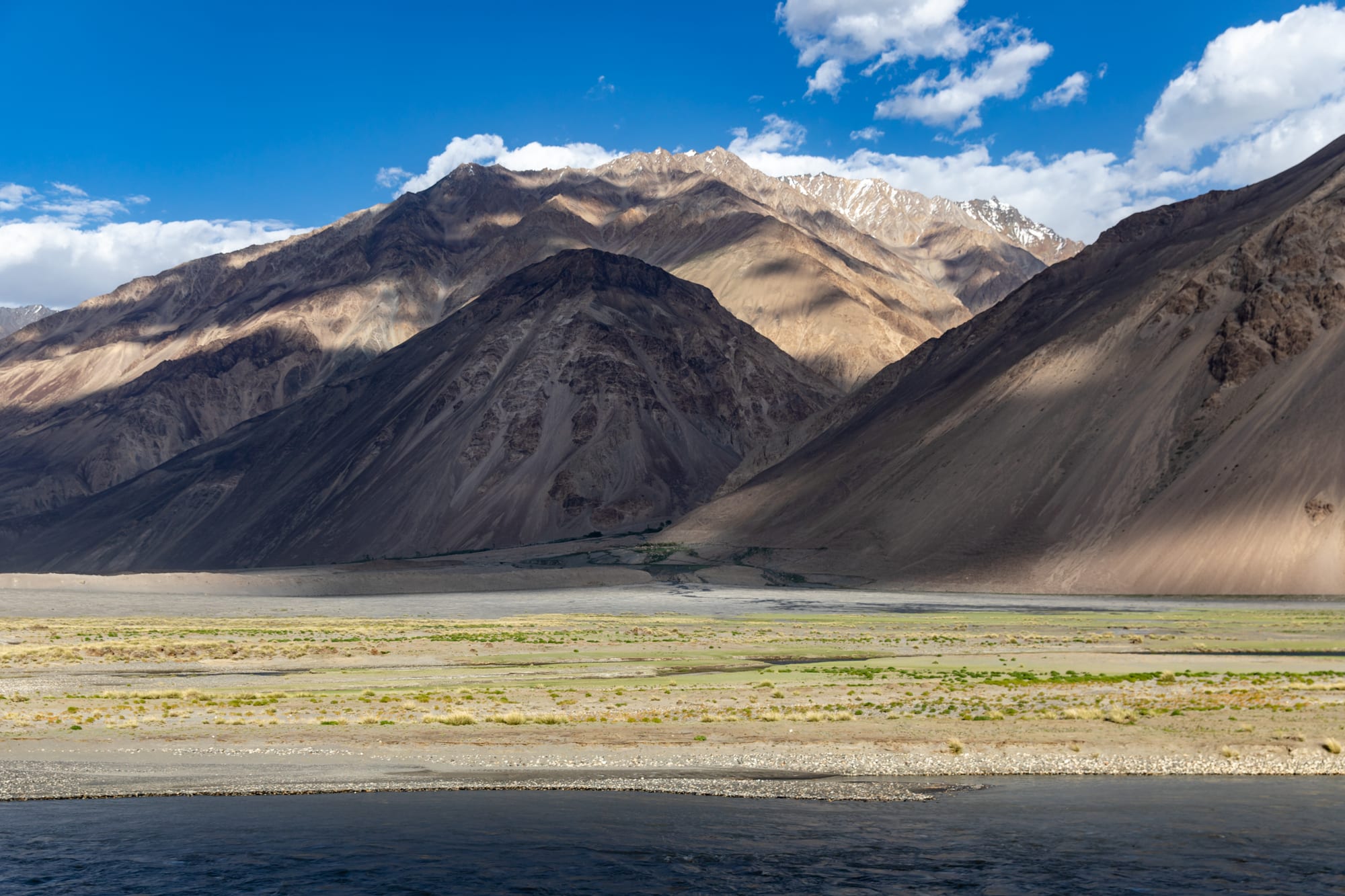
The Wakhan Corridor, a narrow valley along Tajikistan's border with Afghanistan, is hemmed in by the Pamir range on one side and the Hindu Kush on the other, its small villages and ancient fortress ruins giving a rare glimpse into one of the most remote and historically significant crossroads in Central Asia, once part of the Silk Road network linking China with Persia and beyond.
5. Dushanbe
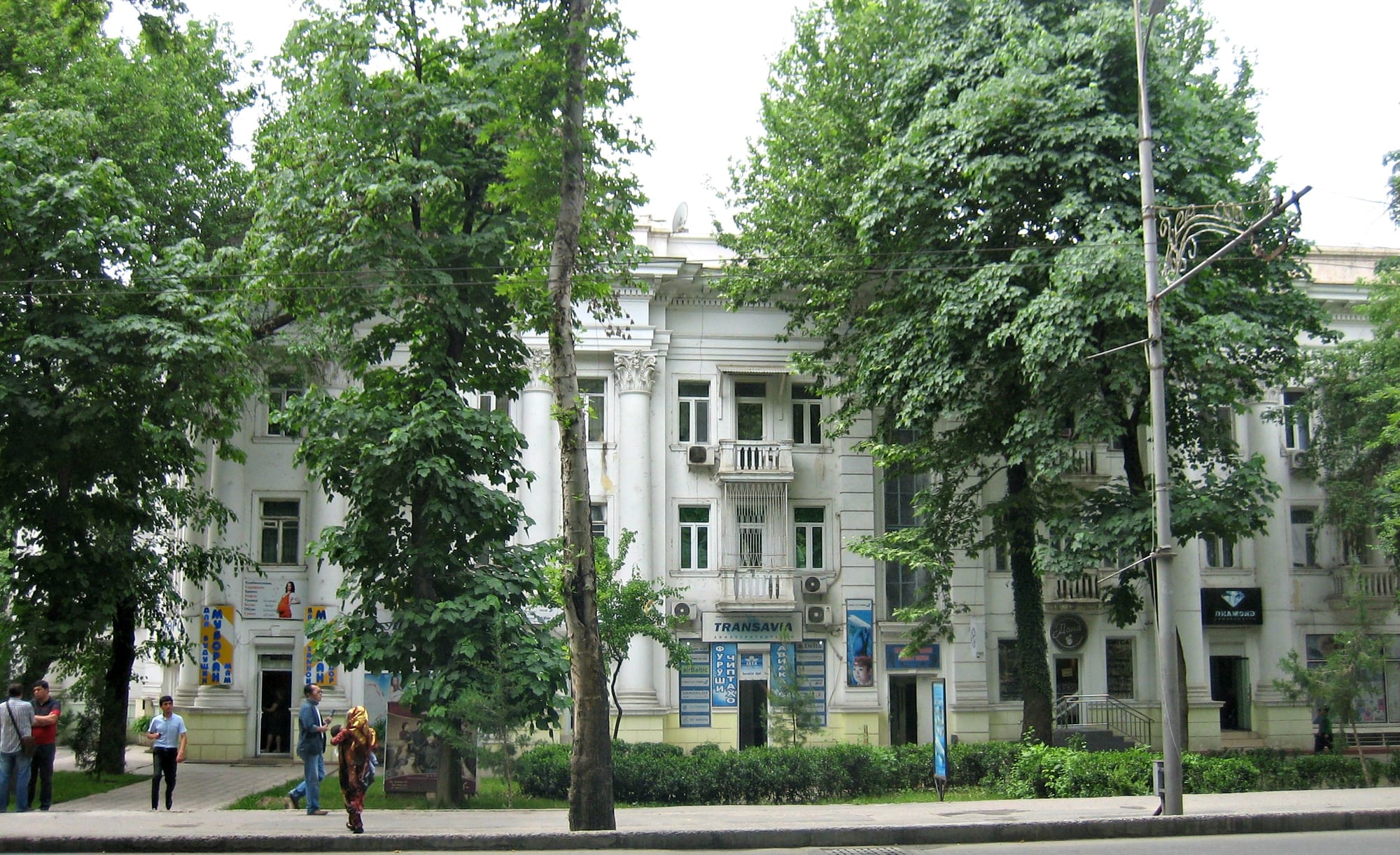
Dushanbe, Tajikistan's capital, mixes wide Soviet-era boulevards and parks with newer monumental architecture, including one of the tallest flagpoles in the world when built. It serves as the practical starting point for most journeys into the country's mountainous interior, holding relatively little in the way of historic sites itself compared with the dramatic scenery beyond the city.
6. Hisor Fortress
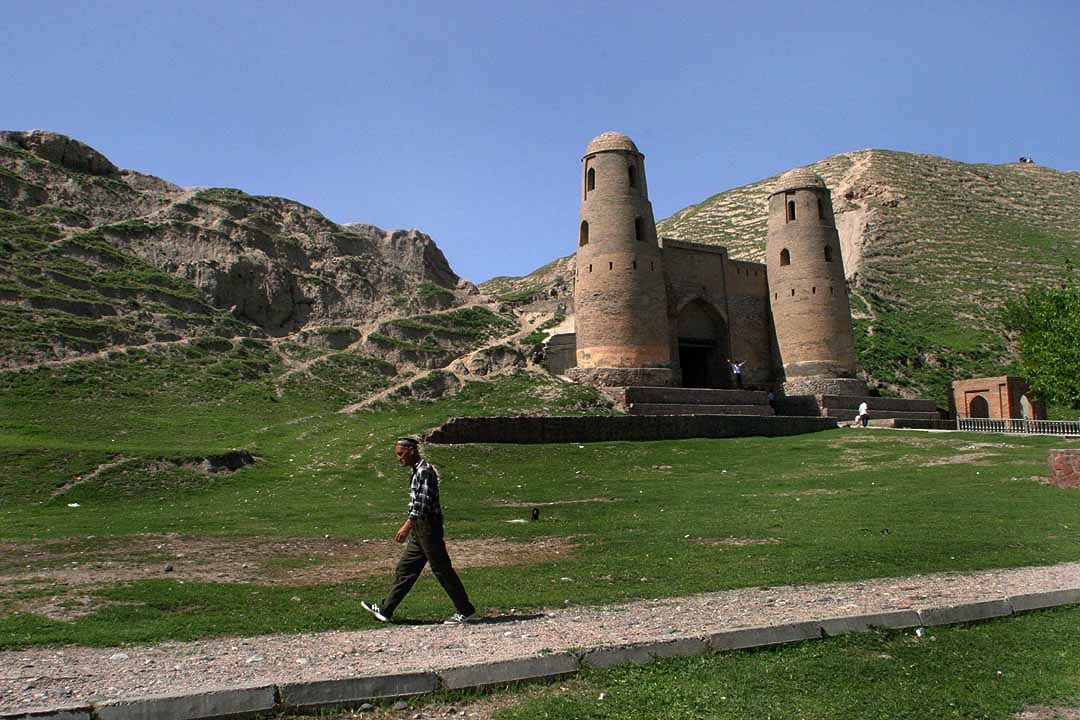
Hisor Fortress, a short drive from Dushanbe, occupies a site with a history of fortification stretching back over a thousand years, though the structure visible today is largely a modern reconstruction. It remains one of the more accessible historical sites near the capital, alongside a madrasa and mausoleum complex on the same grounds.
Tajikistan suits travellers drawn to serious mountain adventure: the Fann Mountains offer a rewarding week of trekking with relatively manageable logistics, while a full Pamir Highway journey is a more demanding two-week or longer undertaking best arranged with an experienced local operator.