Daily Life · Tajikistan
Tajikistan: A Household Run from Two Countries
Households run for much of the year by women, children and grandparents, a bazaar economy that never really stopped, and an economy propped up by money wired home from Russia
By Worldlore Editorial · 30 September 2026
Daily life in Tajikistan is shaped, more than almost anywhere else in the world, by absence. Roughly a tenth of the population, overwhelmingly working-age men, spends much of the year working abroad, mostly in Russia, and the money they send home makes up close to half of the country's entire economic output. That leaves whole villages, for long stretches, populated mainly by women, children and the elderly, running households, farms and small businesses while waiting for the men to return. Around this fact, an ordinary day still keeps its own rhythm: bazaars busy from early morning, tea poured and re-poured through long visits, and, outside the two main cities, a slower, more agricultural pace of life dictated as much by altitude and season as by the clock.
Family and home life
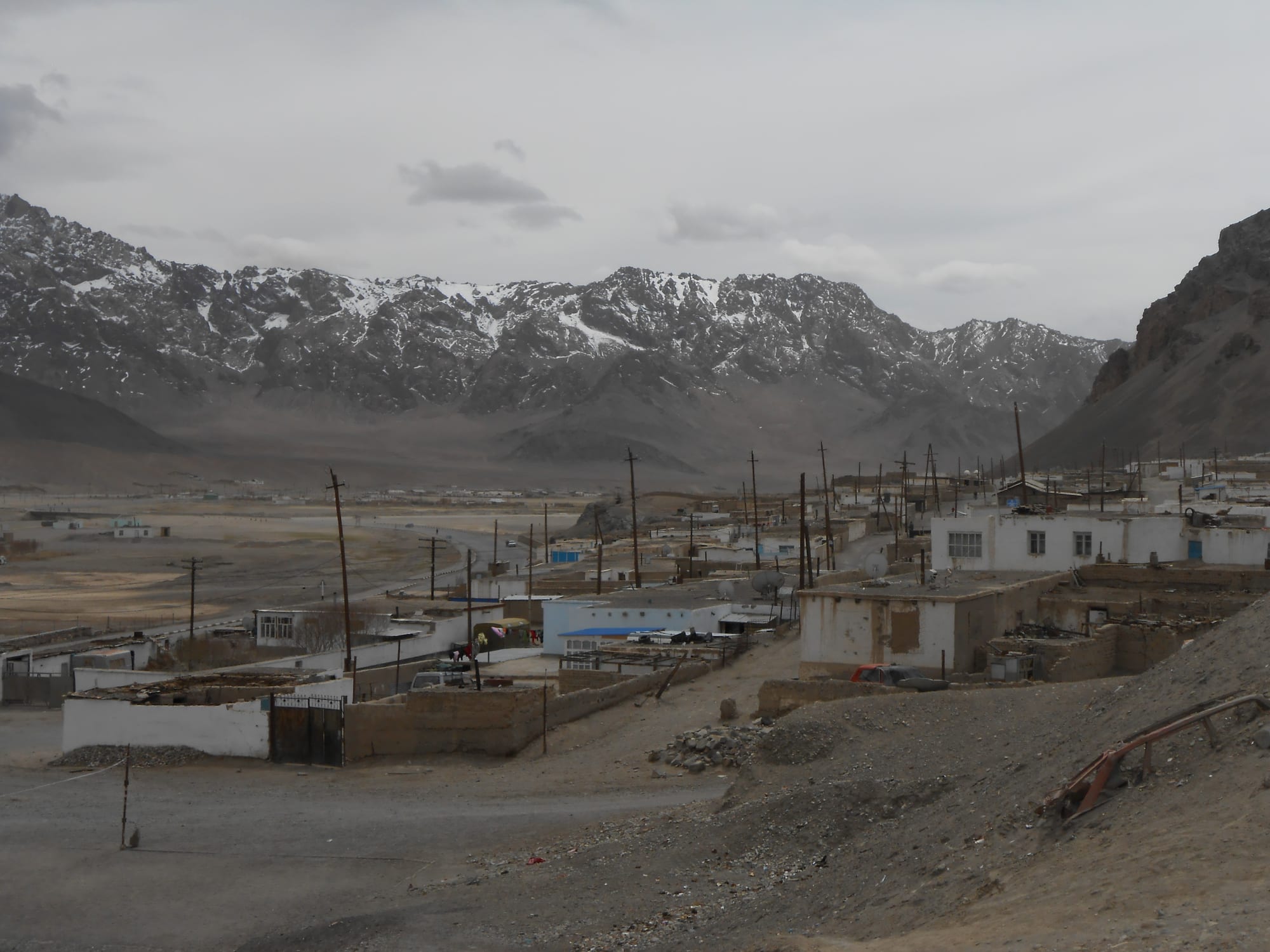
The extended family is the basic unit of daily life, and where possible, several generations live under one roof or within the same walled compound. Hospitality is elaborate: a guest is seated at the place of honour on floor cushions around a low table and pressed with tea, bread and fruit, and bread itself is treated with enough respect that it is never placed upside down or thrown away. Labour migration has reshaped this pattern rather than replaced it: an estimated two in five Tajik households have at least one member working abroad, mostly in Russia, and the money they send back, some 1.07 billion US dollars in the first half of 2025 by the International Organization for Migration's count, is spent largely on food, rent and other daily essentials for the family left behind. In the Pamir region in the east, where most people are Ismaili Shia rather than Sunni Muslims, small, high, cold villages run on a similar mix of subsistence farming, livestock and remittances, often alongside schools and clinics supported by the Aga Khan Development Network.
Work, school and the rhythm of the day
For those who stay, agriculture still employs much of the workforce, work tied closely to the growing season for cotton, wheat, fruit and livestock. In Dushanbe and Khujand, office and shop hours run closer to an eight-hour day, though bazaar traders keep far longer hours, opening early and often staying until evening. Around 825,000 Tajiks were working abroad as labour migrants, mostly in Russia, in the first half of 2025, down from 978,000 a year earlier, most in construction, trade or manual labour, sending money home on a cycle that shapes the household budget as much as any local wage does. Schooling generally follows the Soviet-inherited structure, and in the Pamirs in particular, Aga Khan-supported schools and clinics fill gaps that state services do not fully reach.
Community life and public spaces
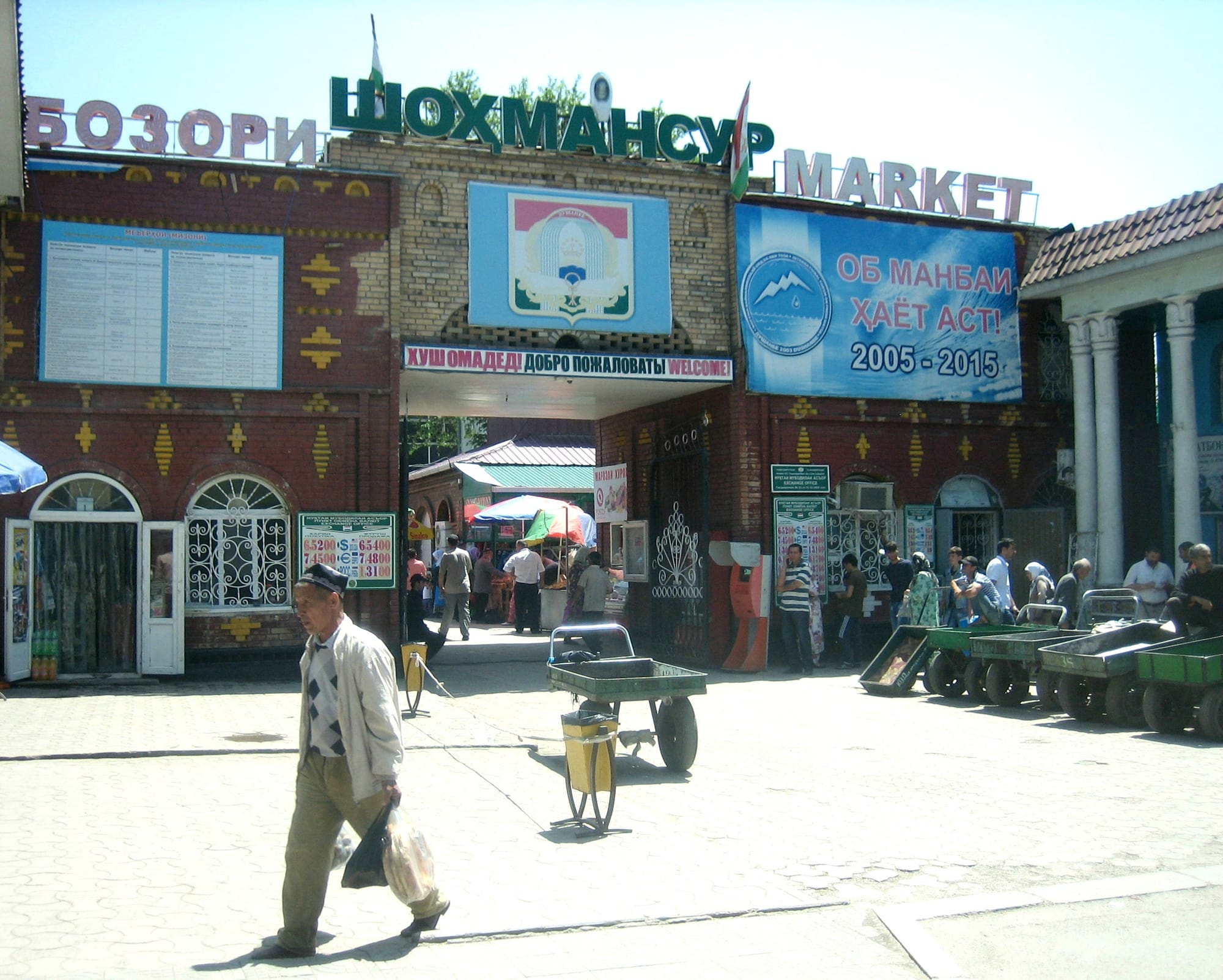
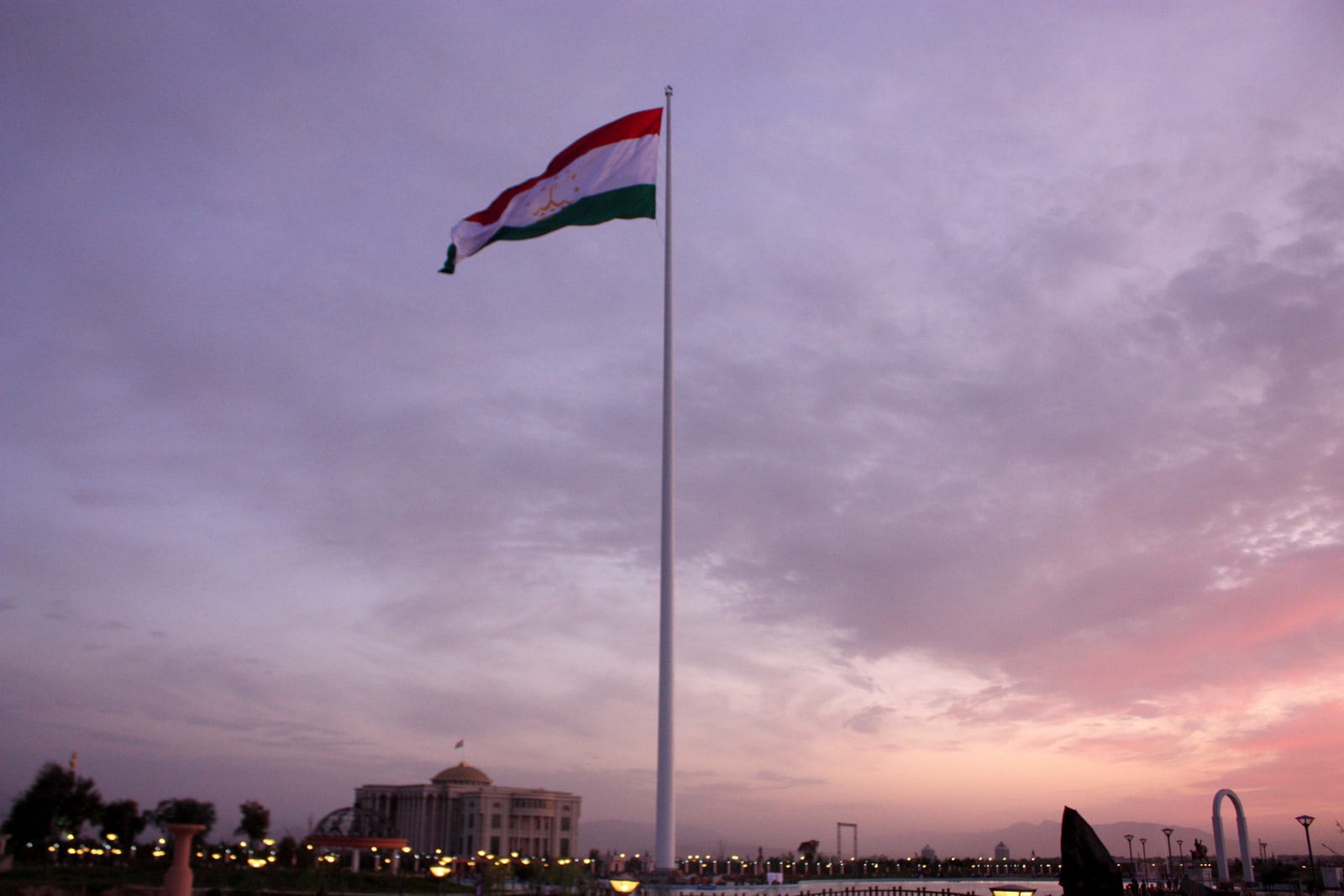
The bazaar remains the real centre of public life in every Tajik town, far more than any formal civic space: covered markets like Panjshanbe in Khujand or the smaller ones in Dushanbe and provincial towns sell produce, bread, meat and household goods, and function as the place where most face-to-face daily business, and daily gossip, actually happens. Dushanbe itself has been rebuilt with wide Soviet-style boulevards, parks and monuments, including one of the tallest flagpoles in the world, giving the capital a more formal, planned public realm than the rest of the country. Electricity rationing in winter, which in recent years has reached many parts of the country, shapes public and home life alike, with households timing chores, heating and even socialising around when the power is due to be on.
Free time and weekends
Weekends bring extended family visits and long, unhurried meals, and Nowruz, the spring equinox new year, is the single biggest celebration of the year nationwide, marked with special foods, house-cleaning and visiting relatives over several days. Tea drinking, poured and re-poured through a long conversation, is less a specific occasion than the constant backdrop to socialising generally. Weddings and other life-cycle celebrations are large, communal affairs, so costly and elaborate that the government has at times legislated to limit their scale, reflecting how central they remain to family and community life.
A visitor's ordinary day
Tajikistan runs largely on cash outside Dushanbe: ATMs exist in the capital and a few larger towns but are unreliable, and rural areas, including much of the Pamir region, are effectively cash-only, so carrying enough US dollars to change is essential. Shared taxis and minibuses, known as marshrutkas, are the standard way to travel between towns, generally leaving once full rather than to a timetable, and journeys take far longer than the map distance suggests, especially in the mountains. Bazaars are the easiest place to get a feel for everyday local life and are busiest in the morning. Travel to the Pamirs requires a separate GBAO permit alongside the standard visa, arranged in advance.
What to take away
What defines an ordinary day in Tajikistan is less the bazaar or the tea than the quiet fact sitting behind both: for a very large share of families, the working day that pays for that ordinary life is happening somewhere else entirely, in Russia, and home is where the money, and eventually the person, comes back to.