History · Taiwan
Taiwan: The Island and the Republic
An Austronesian island colonised by the Dutch, the Chinese and the Japanese in turn — the refuge of the defeated Republic of China in 1949, transformed from a one-party state into a vigorous democracy, and now the most dangerous flashpoint between the United States and China
By Worldlore Editorial · 19 September 2026
An island with a disputed name
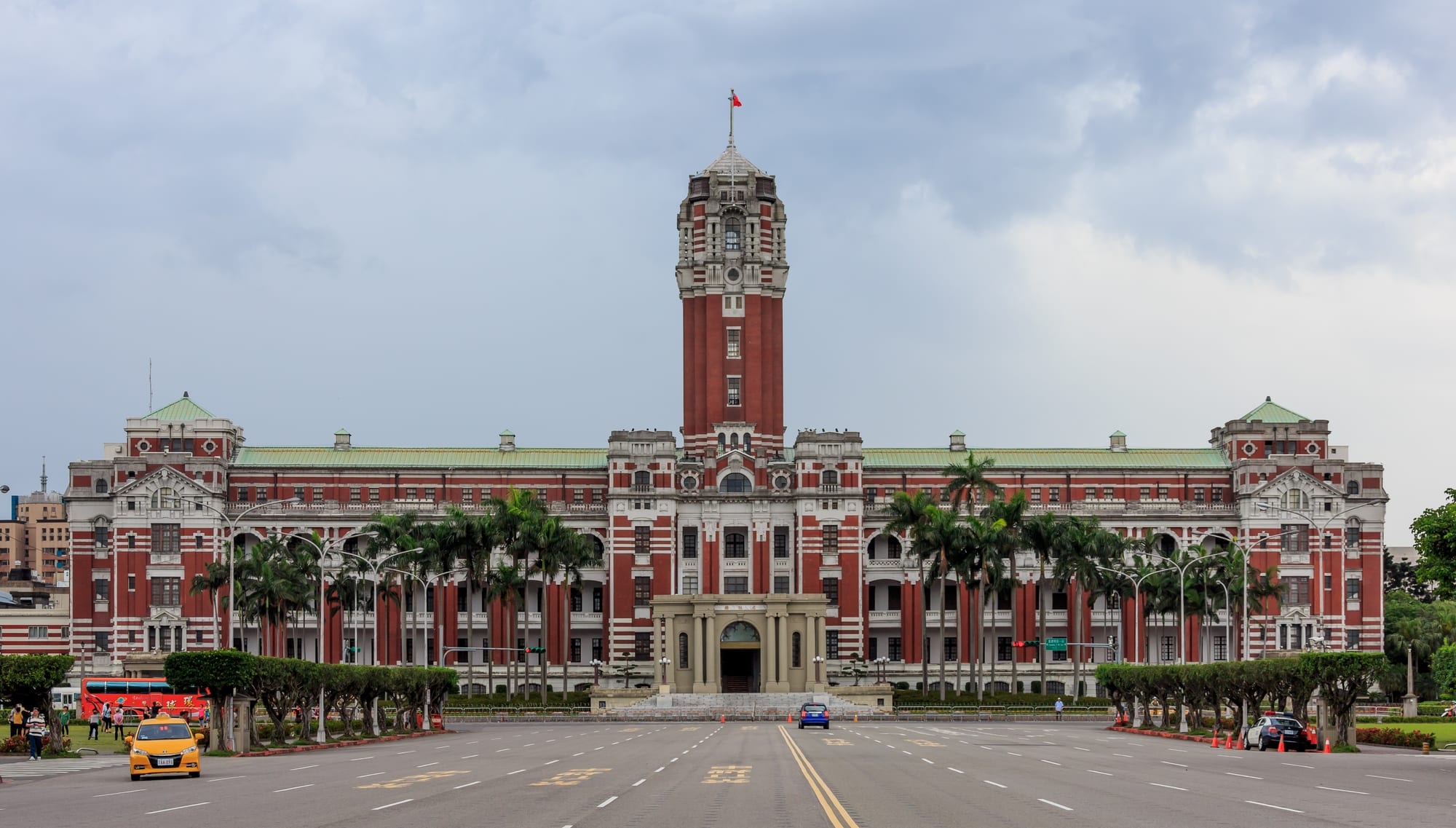
Taiwan is a mountainous, densely populated island off the south-east coast of China, home to about 23 million people. It is governed by the Republic of China (ROC), the state founded on the Chinese mainland in 1912 whose government fled here in 1949 after losing the civil war to the Communists. The People's Republic of China (PRC) claims Taiwan as a province and has never renounced the use of force to take it; Taiwan's own governments and public are divided over whether the island is already a sovereign country, should formally become one, or should preserve the ambiguous status quo. This account outlines the history and attributes the competing positions rather than adjudicating them.
A short history
- to 1600s
Austronesian Taiwan
Indigenous peoples; the likely homeland of the Austronesian expansion.
- 1624–1662
Dutch Formosa
The Dutch East India Company builds a colony in the south-west.
- 1662–1683
The Zheng regime
Ming loyalists under Koxinga expel the Dutch and rule the island.
- 1683–1895
Qing rule
China incorporates Taiwan; Han migration from Fujian and Guangdong.
- 1895–1945
Japanese rule
Taiwan is ceded to Japan after the First Sino-Japanese War.
- 1945
Retrocession
Taiwan is placed under Republic of China administration.
- 1947
The 228 Incident
An uprising is crushed; thousands are killed; martial law follows in 1949.
- 1949
The ROC retreat
Chiang Kai-shek's government relocates to Taipei.
- 1971
UN seat lost
The PRC replaces the ROC at the United Nations.
- 1987–1996
Democratisation
Martial law ends; the first direct presidential election is held.
Before the Republic
Taiwan's original inhabitants are Austronesian peoples, and linguists consider the island the most likely origin point of the Austronesian migrations that reached Madagascar, Polynesia and New Zealand. Chinese states largely ignored the island until the 17th century, when the Dutch East India Company established a trading colony in the south-west (building Fort Zeelandia) and began importing Han Chinese labourers. In 1662 the Ming loyalist Zheng Chenggong (Koxinga) drove out the Dutch and used Taiwan as a base against the new Qing dynasty; the Qing conquered it in 1683 and ruled it, increasingly closely, as Han settlement from Fujian and Guangdong pushed the indigenous peoples into the hills. In 1895, defeated by Japan, the Qing ceded Taiwan "in perpetuity".
Japanese rule, then the ROC
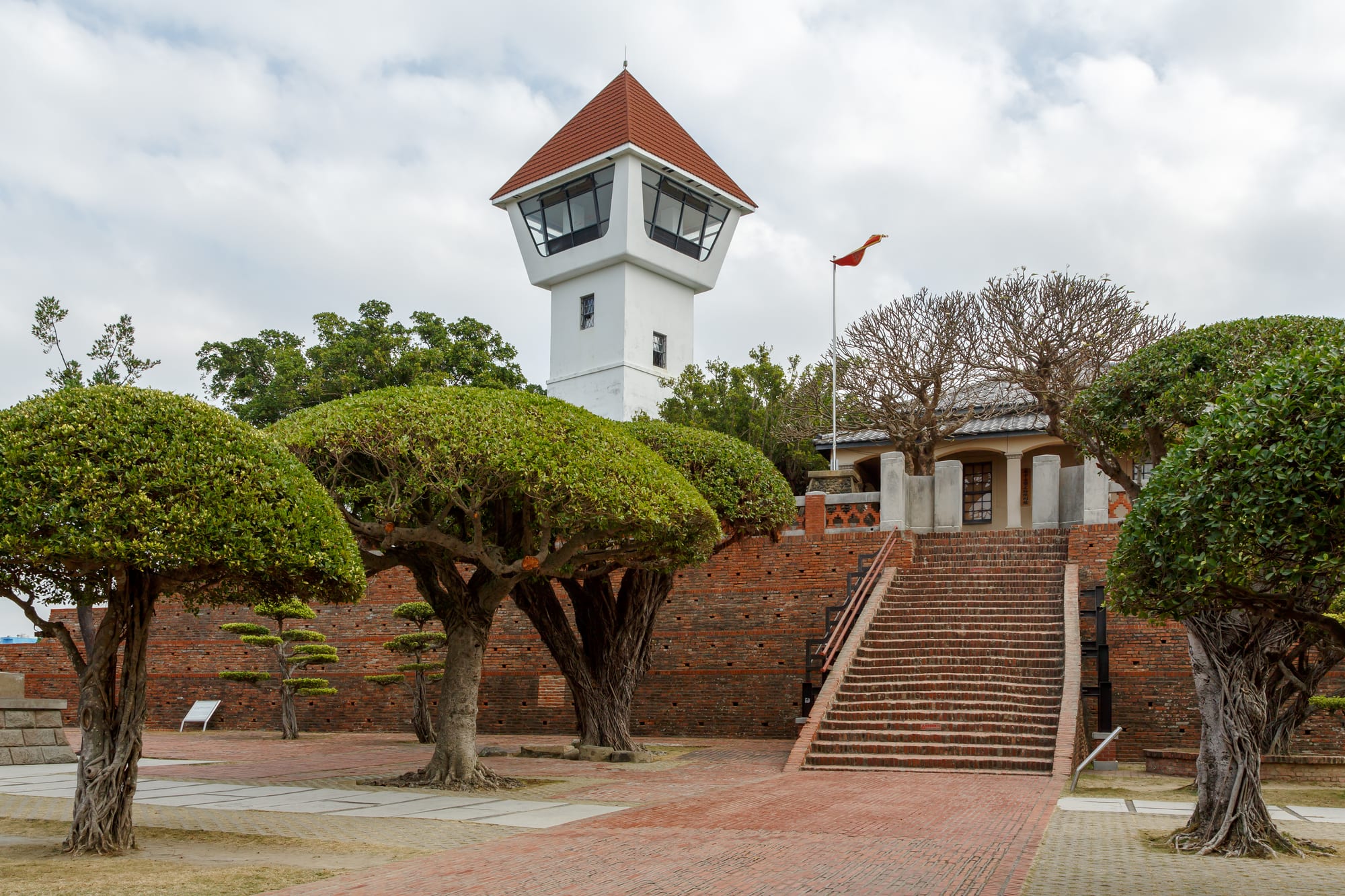
Japan governed Taiwan for 50 years as its first colony, suppressing early resistance but then investing heavily in railways, ports, public health, agriculture (especially sugar and rice) and, later, industry, so that Taiwan was among the more developed parts of Asia by 1945. At the end of the Second World War Taiwan was placed under the administration of the Republic of China. The new Nationalist (Kuomintang) authorities were widely seen by locals as corrupt and rapacious, and in February 1947 a confrontation over contraband cigarettes touched off an island-wide uprising — the 228 Incident — which ROC troops from the mainland crushed, killing an estimated 18,000–28,000 people, many of them members of the local elite. When the Communists won the Chinese civil war in 1949, Chiang Kai-shek's government, army and around a million refugees relocated to Taiwan, and the ROC imposed martial law — the "White Terror" — that lasted 38 years.
The economic miracle, and diplomatic isolation
Under one-party rule, and with substantial US aid and security backing, Taiwan carried out land reform and built an export economy that grew rapidly for decades, moving from textiles and light manufacturing into electronics and, ultimately, into the world's most advanced semiconductor industry. Diplomatically, though, it lost ground: in 1971 the United Nations transferred China's seat to the PRC, and in 1979 the United States switched formal recognition to Beijing while maintaining unofficial ties and arms sales to Taipei under the Taiwan Relations Act. Only about a dozen small states now recognise the ROC.
Democracy
From the late 1970s an opposition movement (the "dangwai") pushed for political liberalisation despite arrests. President Chiang Ching-kuo lifted martial law in 1987 and legalised opposition parties; his successor Lee Teng-hui, the first Taiwan-born president, oversaw constitutional reforms and, in 1996, the first direct presidential election — held as China fired missiles into nearby waters and the US sent aircraft carriers. Power has since alternated peacefully between the Kuomintang, which favours closer ties with the mainland and eventual unification on its own terms, and the Democratic Progressive Party, which emphasises a distinct Taiwanese identity and de facto independence. Polls consistently show most people prefer the status quo to either formal independence or unification.
Taiwan now
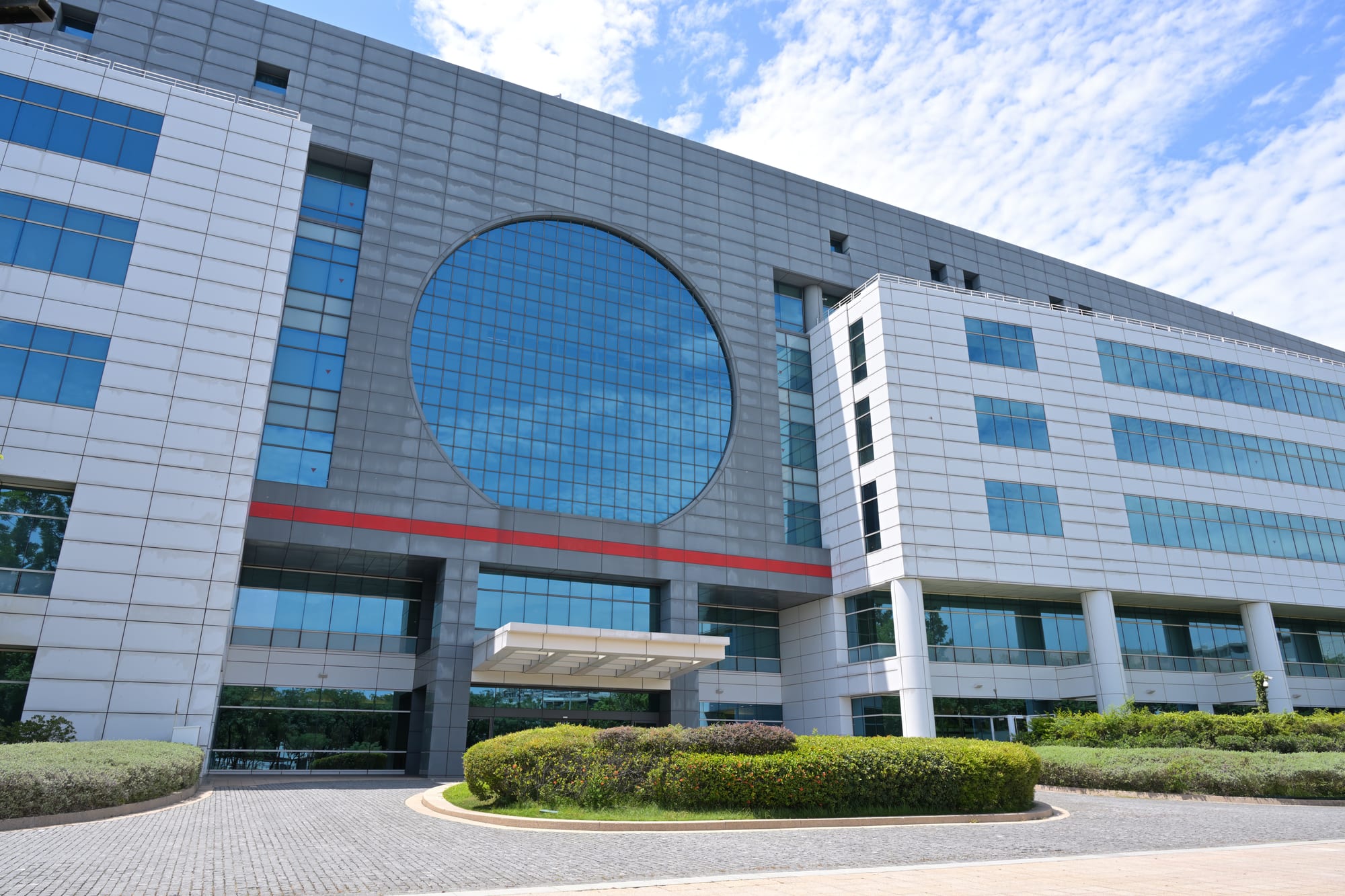
Taiwan is a full liberal democracy with a free press, competitive elections, and, since 2019, legal same-sex marriage — the first in Asia. It dominates the global supply of the most advanced computer chips, which is often cited as a strategic "silicon shield". Cross-strait tension has risen sharply since the late 2010s: Beijing has increased military flights and exercises around the island and cut off official contacts, while the United States has deepened unofficial support. The possibility of a Chinese blockade or invasion is now treated by many governments as one of the most serious risks in world affairs.
What Taiwan carries
Taiwan's history is a sequence of outside rulers — Dutch, Zheng, Qing, Japanese, and the mainland Republic of China — layered over an Austronesian foundation, and its central modern fact is unresolved status: a self-governing democracy of 23 million people that most of the world does not formally recognise as a country, and that a far larger neighbour insists is part of itself. How that is settled, and whether peacefully, is a question with global stakes.